目次
SOARプラットフォームとは?
この統合は、既存のデータとプロセスを最適に活用することで、セキュリティチームが脅威をよりよく管理できるよう支援します。SOARプラットフォームは、複雑なセキュリティ環境における迅速な意思決定をサポートします。多様なツールと統合することで、脅威を検知、分析、対応する企業の能力を拡大します。
SOARプラットフォームの必要性は、手動プロセスでは不可能なほど効率的な処理を必要とするアラート量の増加から生まれました。自動化は、インシデント管理に関わる手作業を減らし、セキュリティチームがよりプロアクティブで戦略的なタスクに集中できるようにします。SOARプラットフォームはまた、データを一元化し、脅威と対応に関する統一されたビューを提供することで、コミュニケーションとレポーティングをサポートします。
Editor’s note: Updated the article to cover recent market trends, updated product information to reflect features and capabilities in 2026.
The SOAR Market Trends
The SOAR market is valued at USD 1.87 billion and is projected to reach USD 4.42 billion by 2030, growing at a CAGR of 18.82%. This growth reflects increasing demand for automated security operations as organizations handle rising alert volumes and more complex threat environments.
導入を加速させている要因はいくつかあります:
- The surge in cyber incidents and alert volume is pushing teams toward automation to reduce manual triage. At the same time, a global shortage of cybersecurity professionals is forcing organizations to rely on platforms that can handle routine tasks.
- Regulatory pressure is also increasing. Compliance frameworks now require faster detection, response, and auditability, which SOAR platforms help deliver. In addition, cyber-insurance incentives encourage organizations to adopt automated response capabilities to reduce premiums.
Technology trends shaping SOAR include:
- Generative AI: It enables faster creation of playbooks and more adaptive response workflows. AI-assisted systems can reduce investigation time and increase the percentage of incidents resolved automatically.
- Cloud-first architectures: These platforms provide scalability, faster updates, and better integration across distributed systems. Another trend is the move toward composable SOCs, where API-driven tools are combined into flexible security stacks.
Market segmentation insights:
- Software platforms dominate the market, accounting for 64% of share. However, services are growing quickly as organizations need help with implementation and ongoing management.
- Cloud deployments lead with 71% market share and continue to expand due to their flexibility and alignment with Zero Trust models. Large enterprises still generate most revenue, but small and medium-sized businesses show the fastest growth due to increasing accessibility of SaaS-based solutions.
- By industry, banking and financial services lead adoption, while healthcare is emerging as the fastest-growing sector due to increased digitization and regulatory pressure.
SOARツールの主な特徴
インシデント管理
SOARツールは、インシデントに関するコンテキスト情報の収集を自動化し、アナリストが手作業でデータ収集に費やす時間を削減します。この機能により、各インシデントの詳細な洞察が得られ、迅速な評価と対応が可能になります。自動化されたワークフローにより、SOARプラットフォームは重要な問題を迅速にエスカレーションし、経営陣と関連チームが迅速に対応できるようにします。
プレイブックとワークフローの自動化
SOARツールは、事前に定義されたプレイブックを介してルーチンタスクを自動化し、特定の脅威シナリオに対して一貫したアクションが実行されるようにします。この自動化により、人的ミスを最小限に抑え、セキュリティ担当者は人的介入が必要なより複雑な問題に対処できるようになります。一般的な脅威に対するフレームワークを提供することにより、自動化によって迅速かつ効果的な対応が可能になります。
脅威インテリジェンス統合
SOARプラットフォームは、さまざまなソースから脅威インテリジェンスを取り込み、内部データと相関させることで、潜在的なリスクを包括的に把握します。このアプローチにより、重大性に基づいて脅威の優先順位付けが行われ、情報に基づいた果断な対応が可能になります。リアルタイムの脅威インテリジェンスを自動化されたワークフローと連携させることで、SOARツールはプロアクティブな脅威の緩和を可能にします。
ケース管理
SOARツールは、関連するインシデントデータをまとめ、よりシンプルな分析と優先順位付けを可能にするケース管理機能を提供する。詳細は体系的に文書化され、個々のインシデントと進行中の脅威に関する完全な履歴的視点を提供します。この全体的なビューは、状況認識と意思決定を改善し、セキュリティチームがリソースを割り当てられるようにします。
SIEMやその他のセキュリティツールとの統合
これらのツールは、SIEM(Security Information and Event Management)や他のセキュリティ・ツールと統合して機能を拡張することができる。これにより、組織は異なるソースからの膨大なデータを関連付けることで、異常を検知し、インシデントに対応することができる。SOARプラットフォームは、ファイアウォール、エンドポイントプロテクション、脆弱性スキャナーのような追加のセキュリティツールとの統合もサポートしている。
関連コンテンツガイドを読むSIEMとSOARの比較
エキスパートからのアドバイス

スティーブ・ムーアは、Exabeamのバイスプレジデント兼チーフ・セキュリティ・ストラテジストで、脅威検知のためのソリューションの推進を支援し、セキュリティ・プログラムの推進や侵害対応について顧客にアドバイスを行っています。The New CISO Podcast」のホストであり、Forbes Tech Councilのメンバー、ExabeamのTEN18の共同創設者でもあります。
私の経験から、SOARプラットフォームをよりよく活用するためのヒントを紹介しよう:
- 重大度に基づくアラートのトリアージの自動化:SOARプラットフォームをカスタマイズして、重大度レベルに基づいてアラートのトリアージを自動化します。これにより、アナリストの疲労を軽減し、高リスクのインシデントには即座に注意を払い、低レベルの脅威には最小限の介入で対処することができます。
- ITサービス管理(ITSM)ツールとの統合:SOARをServiceNowのようなITSMプラットフォームと連携させることで、ITチームとセキュリティチームのコラボレーションを強化します。インシデントハンドリングを合理化し、セキュリティイベントをより広範なITプロセスに整合させ、迅速な解決を実現します。
- 脅威ハンティングの自動化:SOARを使用して、特定の侵害指標(IOC)や異常な行動を継続的にスキャンするプレイブックを設定することで、プロアクティブな脅威ハンティング活動を自動化し、より詳細な分析のためにリソースを解放します。
- カスタマイズ可能なエスカレーションパス:SOARプレイブック内で、インシデントのタイプと複雑さに応じて調整する柔軟なエスカレーションワークフローを作成できます。これにより、重要な脅威は上級アナリストにルーティングされ、優先度の低いイベントは自動化されるか、若手スタッフが処理できるようになります。
- ユーザー行動分析(UBA)を組み込む: UBAを統合して、異常なログイン時間やアクセス要求などのユーザー行動の異常を監視することで、SOARのインシデント検出を強化します。これにより、内部脅威や侵害されたアカウントを迅速に発見することができます。
注目すべきSOARプラットフォームとソリューション
1.エクサビーム

エクザビームは、セキュリティ情報・イベント管理(SIEM)ソリューションのリーディング・プロバイダーであり、UEBA、SIEM、SOAR、TDIRを組み合わせてセキュリティ・オペレーションを加速します。同社のセキュリティ・オペレーション・プラットフォームは、セキュリティ・チームが脅威を迅速に検知、調査、対応し、運用効率を高めることを可能にします。
主な特徴
- スケーラブルなログ収集と管理:オープンプラットフォームは、ログのオンボーディングを70%高速化し、高度なエンジニアリングスキルを不要にすると同時に、ハイブリッド環境全体でシームレスなログ集約を実現します。
- 行動分析:高度な分析により、正常な行動と異常な行動を比較し、内部脅威、横の動き、シグネチャベースのシステムで見落とされた高度な攻撃を検知します。Exabeamは、他のベンダーが攻撃を検知する前に90%の攻撃を検知し、対応することができると顧客から報告されています。
- 脅威対応の自動化:インシデントのタイムラインを自動化し、手作業を30%削減し、調査時間を80%短縮することで、セキュリティ運用を簡素化します。
- 状況に応じたインシデント調査:Exabeamはタイムラインの作成を自動化し、雑務に費やす時間を削減するため、脅威の検知と対応にかかる時間を50%以上短縮します。事前に構築された相関ルール、異常検知モデル、ベンダー統合により、アラートを60%削減し、誤検知を最小限に抑えます。
- SaaSおよびクラウドネイティブオプション:柔軟な導入オプションにより、クラウドファーストおよびハイブリッド環境に対応するスケーラビリティを提供し、お客様の価値実現までの時間を短縮します。SIEMをクラウドに移行できない、または移行したくない企業向けに、Exabeamは市場をリードするフル機能のセルフホスト型SIEMを提供します。
- NetMonによるネットワークの可視化:ファイアウォールやIDS/IPSを超える深い洞察力を提供し、データ盗難やボットネットの活動などの脅威を検出すると同時に、柔軟な検索により調査を容易にします。また、Deep Packet Analytics (DPA)は、NetMon Deep Packet Inspection (DPI)エンジンを基盤としており、重要な侵害指標(IOC)を解釈します。
Exabeamの顧客は、AIを活用したリアルタイムの可視化、自動化、生産性向上ツールによって、コスト削減と業界トップクラスのサポートを維持しながら、セキュリティ人材のレベルアップを図り、負担の大きいアナリストを積極的な防御者に変えていることを常に強調しています。詳細はExabeam.comをご覧ください。
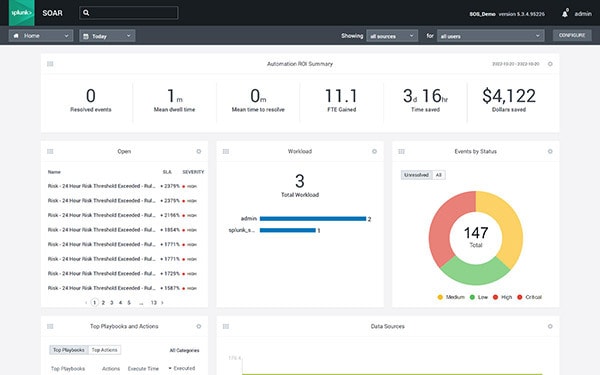
2.Splunk SOAR

Splunk SOAR is a security orchestration and automation platform that connects security tools and coordinates workflows across the SOC. It enables teams to automate incident response processes and manage alerts from multiple systems in a centralized environment. The platform integrates with existing security stacks and supports both manual and automated investigation workflows.
Splunk SOAR の主な機能:
- Automated playbooks: Executes predefined workflows to automate response actions across tools.
- Extensive integrations: Connects with over 300 third-party tools and supports thousands of automated actions.
- Visual playbook editor: Provides a low-code interface for building and customizing workflows.
- Centralized case management: Organizes tasks, evidence, and collaboration during investigations.
- Threat intelligence support: Enriches investigations with built-in research and contextual insights.
- Workflow orchestration: Coordinates processes across multiple tools without replacing existing systems.
- Flexible deployment: Supports cloud, on-premises, and hybrid environments.

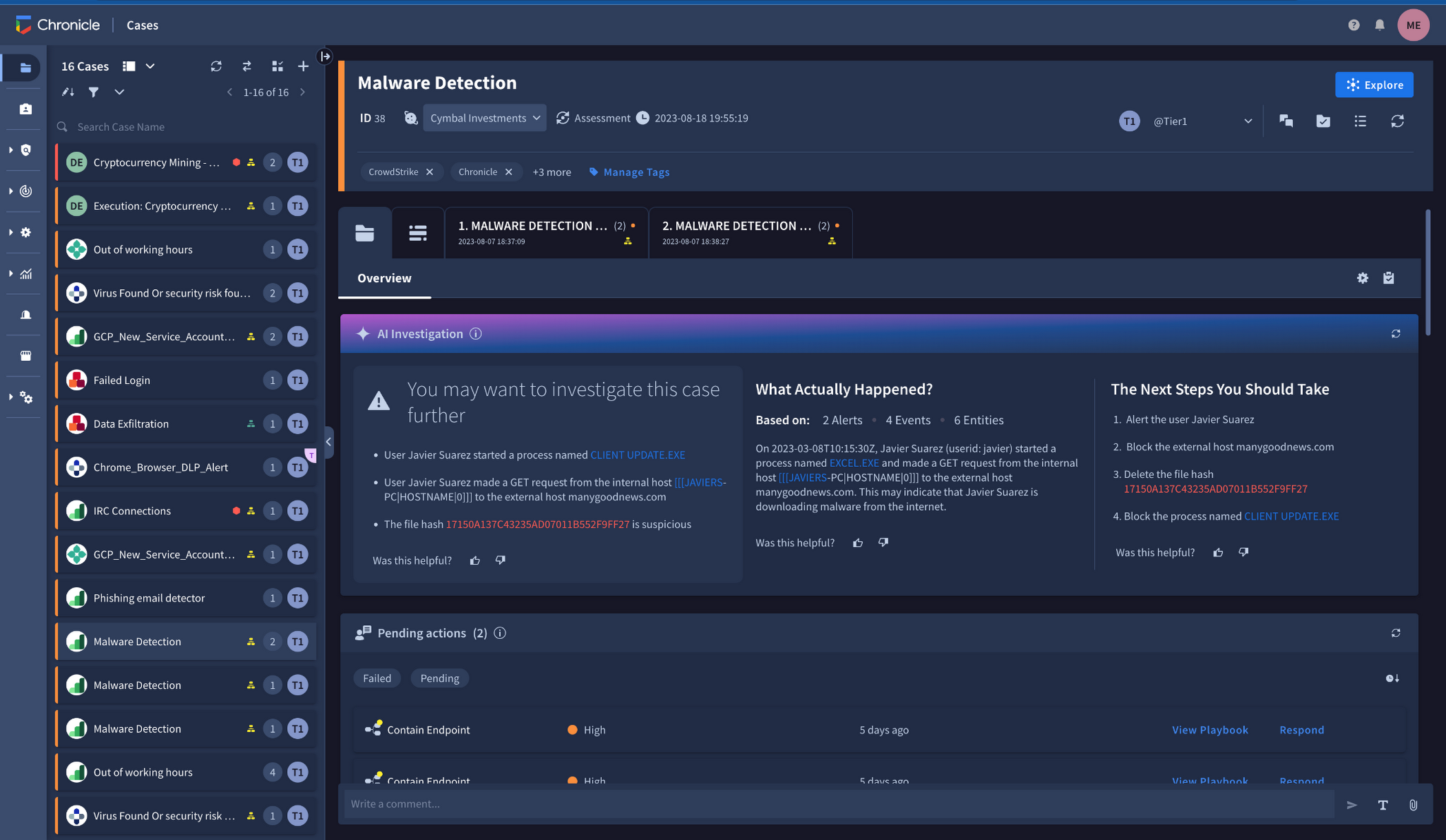
3. Google Security Operations SOAR

Google Security Operations SOAR is an automation platform built on Google Cloud that serves as a central execution layer for security workflows. It enables organizations to collect data from multiple sources, automate response actions, and integrate tools into a unified operational environment. The platform focuses on reducing manual effort and accelerating investigation and response processes.
Google Security Operations SOARの主な特徴:
- Centralized workflow execution: Acts as a hub for orchestrating security processes across tools.
- Unified data ingestion: Collects and normalizes data from endpoints, networks, and threat intelligence sources.
- Playbook-driven automation: Automates complex response workflows using a built-in playbook engine.
- Integration with security tools: Connects with SIEM, vulnerability scanners, and other systems.
- Code-driven customization: Allows engineers to build and extend automation logic.
- Reduced manual effort: Automates repetitive tasks to speed up investigations.
- Cloud-native architecture: Runs on Google Cloud for scalability and flexibility.

4. IBM QRadar SOAR

IBM QRadar SOAR is a platform that helps to standardize and automate incident response processes while improving decision-making in the SOC. It uses automation for correlation, enrichment, and prioritization of incidents, helping teams respond faster and reduce manual workload.
IBM QRadar SOARの主な特徴:
- Dynamic playbooks: Adapts workflows in real time as incidents evolve.
- Automated incident enrichment: Adds context through correlation and threat intelligence.
- Case management: Tracks incidents across their full lifecycle with structured workflows.
- Playbook designer: Provides an interface for building and modifying response workflows.
- Response orchestration: Coordinates actions across integrated tools and processes.
- Regulatory support: Helps manage response processes aligned with privacy and breach regulations.
- Reduced response time: Automates investigation and prioritization tasks.

5. Palo Alto Networks Cortex XSOAR

Cortex XSOAR is a SOAR platform focused on automating incident response and orchestrating security operations across tools and teams. It centralizes incident data, integrates threat intelligence, and enables collaboration through a unified interface. The platform emphasizes reducing manual work and accelerating investigation workflows.
コルテックスXSOARの主な特徴:
- Extensive integrations: Supports hundreds of integrations and automation packs across security tools.
- Playbook automation: Enables creation of automated workflows using a visual editor.
- Centralized incident workspace: Provides a shared environment for investigation, collaboration, and reporting.
- Integrated threat intelligence: Combines indicators and context within incident workflows.
- Automation of repetitive tasks: Reduces manual effort in triage and response.
- Orchestration across SOC: Connects people, processes, and tools into coordinated workflows.
- Prebuilt content packs: Offers ready-to-use automation for common security use cases.
6.フォーティネット FortiSOAR

Fortinet FortiSOAR is a SOAR platform that centralizes incident management and automates security operations across IT and OT environments. It acts as a hub for coordinating workflows, integrating tools, and enforcing standardized response processes. The platform supports both enterprise and managed service use cases.
FortiSOARの主な特徴:
- Centralized incident management: Consolidates alerts and workflows into a single operational hub.
- Extensive integrations: Supports hundreds of integrations across multi-vendor environments.
- Prebuilt playbooks: Provides thousands of workflows for common security use cases.
- AI-assisted operations: Uses AI to guide investigations and automate tasks.
- Low-code playbook creation: Enables drag-and-drop workflow development.
- Built-in threat intelligence: Enriches investigations with global and external intelligence sources.
- Flexible deployment options: Supports SaaS, on-premises, and cloud-hosted deployments.

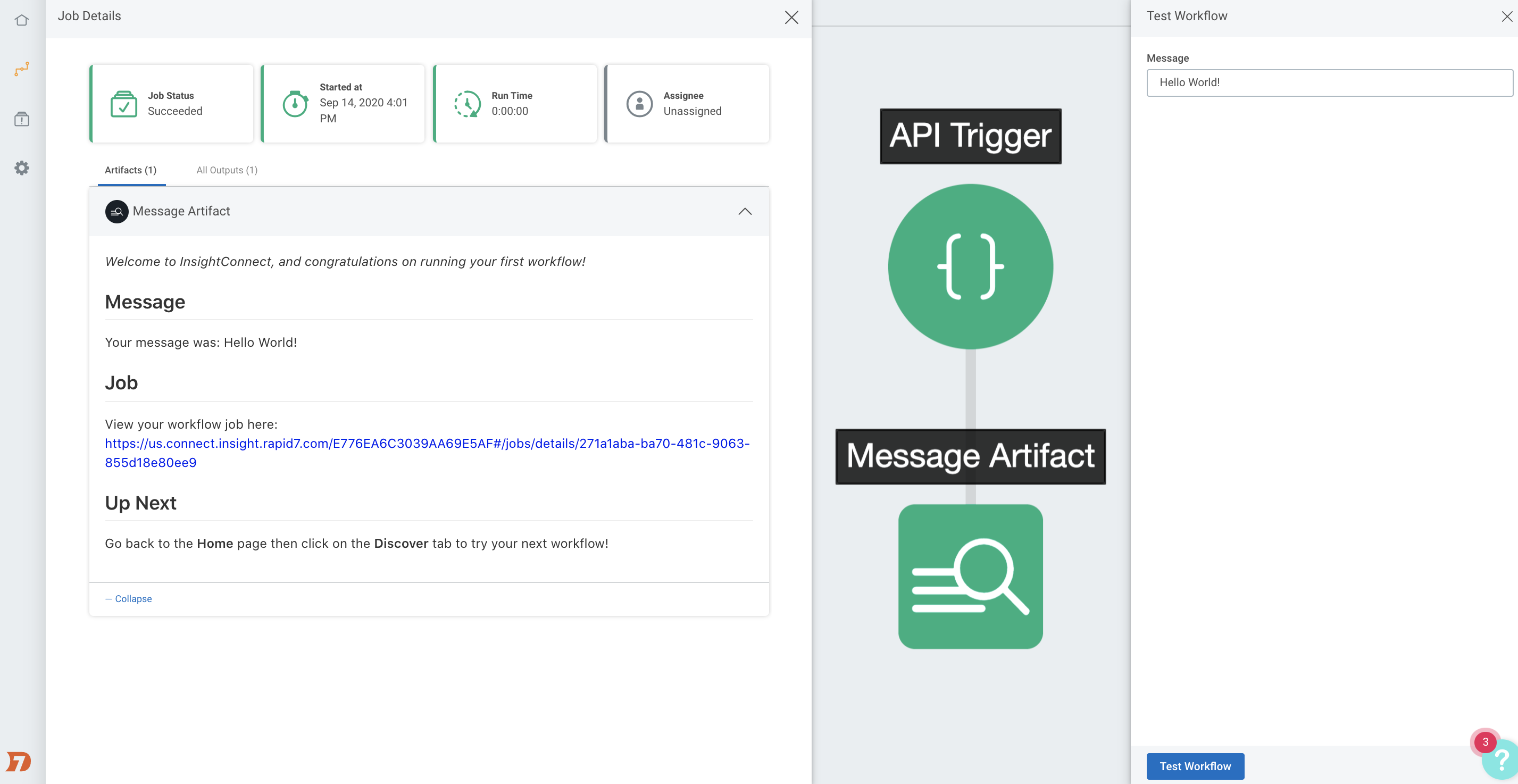
7.Rapid7 InsightConnect

Rapid7 InsightConnect is a SOAR solution focused on workflow automation across security and IT tools. It enables teams to design automated processes that integrate multiple systems and reduce manual effort in incident response. The platform emphasizes usability with a no-code interface and predefined integrations.
インサイト・コネクトの主な特徴:
- Workflow automation engine: Automates security processes using triggers, steps, and reusable components.
- No-code workflow builder: Allows users to create automation without extensive coding.
- Extensive plugin ecosystem: Integrates with hundreds of tools and services.
- Cross-tool orchestration: Connects cloud apps, on-prem systems, and security tools.
- Human-in-the-loop controls: Supports manual approval steps within automated workflows.
- Reusable workflow components: Enables modular automation design.
- Audit and reporting support: Captures workflow data for analysis and compliance.

8.サイウェア

Cyware provides a SOAR platform focused on threat intelligence-driven automation and orchestration. It integrates intelligence collection, analysis, sharing, and response into a unified system, enabling organizations to act on threat data in real time and coordinate response across teams and partners.
サイウェアの主な特徴
- Threat intelligence management: Ingests, enriches, and operationalizes intelligence from multiple sources.
- Automated response workflows: Uses AI-powered playbooks for rapid threat mitigation.
- Hyper-orchestration: Coordinates actions across tools and environments.
- Collaboration capabilities: Enables sharing of intelligence across teams and external partners.
- AI-driven analysis: Applies AI to improve detection and response decisions.
- Scalable integrations: Supports hundreds of integrations across security ecosystems.
- Real-time threat actioning: Enables immediate response based on intelligence insights.

9.デボSOAR

Devo SOAR is a cloud-native SOAR solution that helps improve SOC efficiency through automation and AI-driven workflows. It integrates with a broader security data platform to support real-time detection, investigation, and response.
デボSOARの主な特徴:
- Cloud-native architecture: Delivered as a SaaS platform for scalability.
- Automated case management: Handles incident workflows and investigation processes.
- AI-driven automation: Uses intelligent automation to support decision-making.
- Integration with security data platform: Connects detection, analysis, and response.
- Support for threat hunting: Enables proactive investigation workflows.
- Real-time operations: Processes and responds to threats as they occur.
- Improved SOC efficiency: Reduces manual workload through automation.

10.スイムレーン

Swimlane is a SOAR platform focused on automation and orchestration using AI and low-code workflows. It enables security teams to automate processes across a range of use cases, from incident response to compliance and vulnerability management.
スイムレーンの主な特徴
- Low-code playbook automation: Enables rapid creation and modification of workflows.
- AI-powered automation: Uses AI agents to assist with investigations and responses.
- Extensive integrations: Connects with a wide range of security and IT tools.
- Case management and reporting: Tracks incidents and provides operational insights.
- Agentic AI capabilities: Supports dynamic decision-making within workflows.
- Automation across use cases: Extends beyond SOC to compliance and risk management.
- Centralized orchestration platform: Coordinates actions across the security environment.

結論
SOARプラットフォームは、インシデント対応ワークフローを自動化し、合理化する能力を組織に提供することで、現代のセキュリティ運用に不可欠なものとなっています。既存のセキュリティインフラストラクチャと統合することで、セキュリティチームは増大するアラートを効率的に管理し、応答時間を短縮し、意思決定を改善することができます。
Exabeamについてもっと知る
ホワイトペーパー、ポッドキャスト、ウェビナーなどのリソースで、Exabeamについて学び、情報セキュリティに関する知識を深めてください。