目次
SIEMとは何か?
SIEM(セキュリティ情報およびイベント管理)システムは、IT環境全体(ネットワーク、エンドポイント、クラウド、アプリケーション)から膨大な量のセキュリティデータを収集、分析、相関分析することで、脅威の検知に不可欠な役割を果たします。 SIEMソリューションは、AI/MLや脅威インテリジェンスを活用して異常を検知し、アラートの優先順位付けを行い、迅速な対応を可能にすることで、個々のツールでは見逃されがちな不審な活動、内部者による脅威、複雑な攻撃を特定することができます。
SIEMが脅威の検知をどのように強化するか:
- 一元化されたデータ:ファイアウォール、サーバー、エンドポイント、クラウドサービスなどからログやイベントを収集し、一か所に集約します。
- 相関分析:一見無関係に見える事象を関連付け、悪意のある行動のパターン(例:横方向の移動、権限昇格)を明らかにする。
- 高度な分析:AI、機械学習(ML)、行動分析を活用して、通常の活動からの逸脱を検知し、ゼロデイ攻撃やAPTといった高度な脅威を捕捉します。
- 脅威インテリジェンスの充実化:外部の脅威フィードやコンテキスト(ユーザー情報、資産の重要度など)を用いてデータを充実させ、検知精度とリスクスコアリングの向上を図ります。
- リアルタイム監視:即座にアラートを発信し、迅速な対応を可能にすることで、セキュリティ侵害による影響を軽減します。
- 自動応答:脅威を封じ込めるための自動プレイブックを起動できます(例:IPアドレスのブロック、デバイスの隔離など)。
これは、SIEMツールに関する一連の記事の一部である。
SIEMによる強化点脅威検知
一元化されたデータ
SIEMが脅威を効果的に検知するためには、データの集中管理が不可欠です。 SIEMは、ファイアウォール、侵入検知システム、クラウドプラットフォーム、エンドポイントなど、複数のソースからログやセキュリティイベントを収集することで、情報を一元化したリポジトリを構築します。この統合されたビューにより、セキュリティアナリストは組織のインフラ全体にわたる関係性やパターンを把握できるようになり、サイロ化されたシステムによって生じていた死角を解消することができます。
関連するすべてのデータが一元化されることで、システム横断的な分析やインシデント調査の効率が向上します。複数のデバイスや拠点における活動を相互に関連付けることで、ネットワークの境界を越えて広がる可能性のある複雑な攻撃チェーンを特定することが可能になります。このデータの統合はコンプライアンス対策にも寄与し、規制要件に応じたレポートの作成を容易にします。
相関
相関とは、次のようなプロセスを通じてSIEMシステムさまざまなセキュリティイベントを分析し、個々のイベントだけでは明らかにならない潜在的な脅威を特定します。SIEMプラットフォームは、相関ルールを用いて、異なるソースからのイベント(例えば、あるシステムでの異常なログインに続いて、別のシステムで不審なファイルアクセスが発生したといったケース)を関連付け、潜在的なセキュリティインシデントを検知することができます。
これらの相関ルールは、誤検知を減らし、真に不審な挙動を浮き彫りにすることで、信号対雑音比を向上させます。効果的な相関分析により、イベントを個別に分析しただけでは見逃されてしまうような、多段階の侵入や横方向の移動といった高度な戦術の検知が可能になります。SIEM管理者は、脅威の状況に応じて相関ルールをカスタマイズすることができます。
Advanced Analytics
SIEMシステムは、機械学習や統計モデリングなどの分析技術を活用し、あらかじめ定義されたルールにとどまらない脅威の検知能力を強化します。こうした機能により、SIEMは通常のユーザー行動やシステム動作のベースラインを確立し、内部者による脅威、アカウントの乗っ取り、あるいは新たな攻撃手法を示唆する可能性のある、わずかな逸脱を検知することができます。
機械学習は、従来のシグネチャベースの検知では見逃されてしまう異常を特定することで、未知の脅威の検知に役立ちます。 SIEMに分析機能を統合することで、緩やかに進行する脅威や、低強度かつ緩やかなデータ流出の試みといった複雑な攻撃パターンの検知が可能になります。セキュリティチームは、時間の経過とともに新たな挙動に適応する継続的学習アルゴリズムの恩恵を受け、実際のインシデントを特定するSIEMの精度を継続的に向上させることができます。
脅威インテリジェンスエンリッチメント
脅威インテリジェンスの充実化とは、SIEMが収集したデータに、侵害の兆候(IOC)、IPレピュテーションリスト、既知のマルウェアシグネチャなどの外部脅威フィードを追加することです。このプロセスにより、SIEMシステムには最新かつ実用的なコンテキストが提供され、イベント分析の精度が向上します。 検知されたイベントがこれらのフィードからのインテリジェンスと一致した場合、SIEMは自動的にアラートをエスカレーションすることができ、これによりアナリストは最も信憑性が高く危険な脅威を優先的に対応できるようになります。
外部の脅威インテリジェンスを統合することで、特に実環境で確認されているものの、社内のセキュリティ対策がまだ作動していない脅威について、検知の速度と精度が向上します。SIEMプラットフォームでは、多くの場合、エンリッチメントのワークフローを自動化し、社内のイベントとグローバルな脅威データをリアルタイムで関連付けます。
リアルタイム・モニタリング
リアルタイム監視は、SIEMプラットフォームの最大の特徴です。イベントが取り込まれるとすぐに、SIEMシステムは攻撃の可能性、コンプライアンス違反、または不審なユーザー行動の兆候をスキャンします。ネットワーク、システム、アプリケーションのアクティビティを継続的に監視することで、SIEMは即座にアラートを送信し、迅速な調査と対応を促すことができ、攻撃者による攻撃の機会を最小限に抑えることができます。
この絶え間ない監視により、認証情報の悪用や異常なアクセスパターンなど、脅威を最も早い段階で特定することが可能になります。リアルタイムでの検知により、組織は攻撃が拡大する前に封じ込め・阻止することができ、被害の可能性を最小限に抑えることができます。セキュリティオーケストレーションおよび対応ツールとの連携により、脅威が発見された際の封じ込めと是正措置がさらに迅速化されます。
自動応答
自動対応機能により、最新のSIEMソリューションは、特定の脅威シナリオが検出された際に、あらかじめ定義されたアクションを実行することができます。こうした対応には、ユーザーアカウントのブロックやデバイスの隔離から、フォレンジック調査ワークフローの開始まで、さまざまなものがあります。SIEMシステムは、封じ込め手順を自動化することで、検出から対策までの時間を短縮し、攻撃による潜在的な影響を最小限に抑えます。
また、自動化はSOCのリソース制約にも対処し、セキュリティチームがスピードや精度を損なうことなく、膨大なアラート量に対応できるよう支援します。自動化されたプレイブックにより、一般的なインシデントへの対応を標準化できるため、セキュリティポリシーの一貫した適用が確保され、アナリストはより複雑な脅威への対応に注力できるようになります。
予防的対策におけるSIEMの活用事例脅威検知
認証情報の漏洩およびIDを悪用した攻撃
SIEMソリューションは、認証パターン、権限の変更、アクセス上の異常を分析することで、侵害された認証情報やIDを悪用した攻撃を検知する上で極めて重要です。 例えば、SIEMは、ログインの失敗が繰り返される、見慣れない場所からのログイン、あるいは地理的に離れた場所からの同時ログインといった、異常なログイン活動を検知することができます。こうした異常は、クレデンシャルスタッフィング、ブルートフォース攻撃、あるいは盗まれた認証情報の使用を示唆している可能性があります。
ログインデータを、権限の昇格や不正なリソースへのアクセスといった他の指標と照合することで、検知の信頼性が高まります。SIEMプラットフォームは、IDおよびアクセス管理(IAM)システムと連携することで、ユーザーアカウントの活動を継続的に監視し、不審な行動を検知してアラートを発信することができます。
クラウド制御プレーンおよびSaaSの不正利用検知
最新のSIEMは、クラウドインフラストラクチャやSaaSアプリケーションの監視をサポートしており、設定の不正利用、特権の悪用、および不正なAPIコールを検知します。クラウドのコントロールプレーン(AWS CloudTrailやAzure Activity Logsなど)やSaaSのイベントストリームからログを収集することで、SIEMシステムは、承認されていないアカウントの作成やアクセスポリシーの変更など、不審な管理操作を検知することができます。
ハイブリッドおよびマルチクラウド環境において、SIEMによる相関分析は、クラウドやオンプレミスの境界を越える可能性のある活動を明らかにするのに役立ちます。例えば、まれなAPI呼び出しと予期しないデータ転送が組み合わさって検出された場合、管理者権限の悪用や、クラウドリソースから機密情報を持ち出そうとする試みを示唆している可能性があります。
横方向の移動と権限昇格
攻撃者は、最初に足場を築いた後、横方向の移動や権限昇格を通じて、システム間を移動することがよくあります。SIEMプラットフォームは、イースト・ウェスト・トラフィック、認証ログ、およびユーザー権限の変更を分析することで、こうした戦術を検知することができます。不正なリモートデスクトッププロトコルへのアクセスや、重要なサーバーへのログイン失敗と成功が連続して発生するといったパターンは、横方向の移動を示す有力な指標となります。
権限昇格の試みは、一見無害に見えるイベントを相互に関連付けることで特定されます。これらのイベントは、組み合わせることでリスクを構成します(たとえば、管理者権限を持たないアカウントが高レベルの権限を取得したり、新たな管理者レベルのコマンドを実行したりする場合など)。SIEMは、こうした行動の変化を自動的に検知することができ、セキュリティチームは攻撃者が重要なシステムに到達する前にその活動を阻止することが可能になります。
内部脅威とデータ流出
内部脅威は、正当なアカウントから発生するため、検知が困難です。SIEMは行動分析を活用し、悪意のある意図や内部関係者の侵害を示唆する可能性のある、通常とはわずかに異なる行動(例:異常なファイルアクセス、大容量のデータ転送、通常とは異なる勤務時間など)を検知します。継続的な監視や、エンドポイントやネットワーク全体にわたるユーザー行動の相関分析により、潜在的な内部脅威の活動を明らかにすることができます。
機密ファイルを許可されていないクラウドストレージや外部FTPサービスにアップロードするなどのデータ流出の試みは、SIEMによるDNS、プロキシ、およびDLPログの分析を通じて追跡されます。SIEMは、アクセスイベントと転送イベントを相互に関連付けることで、不正なデータ移動に関する早期警告を提供し、情報が組織の管理下から流出する前にチームが介入できるようにします。
ランサムウェア「キルチェーン」の検知と阻止
SIEMソリューションは、攻撃キルチェーン全体にわたるランサムウェアの活動を特定するのに役立ちます。初期の侵害の兆候としては、フィッシングメールの検知、不審なファイルのダウンロード、信頼できない実行ファイルの実行などが挙げられます。攻撃が進むにつれて、SIEMは、不正なプロセスの生成、急速なファイルの暗号化、バックアップスナップショットの削除など、マルウェアに関連する挙動を監視します。
SIEMプラットフォームは、これらの活動をリアルタイムで関連付けることで、暗号化が広範囲に及んだり、影響が生じたりする前に、ランサムウェアを阻止するための迅速な対応を可能にします。自動化されたプレイブックにより、ネットワークのセグメンテーションを実行し、感染したエンドポイントを隔離し、災害復旧計画を開始することができます。
DNS、プロキシ、およびC2ビーコンの異常
コマンド&コントロール(C2)ビーコンの検出は、ネットワークログ、DNSクエリ、およびプロキシトラフィックの詳細な分析に依存しています(これは、堅牢なSIEMプラットフォームに標準で備わっている機能です)。 攻撃者は、外部のC2インフラと通信するために、多くの場合、定期的で目立たないネットワーク接続を利用します。SIEMは、通常のDNSトラフィックやWebトラフィックのベースラインを確立することで、C2活動を示唆する異常なパターン、周期的なパターン、または稀なパターンを検出することができます。
DNSの異常と、ブロックされたWebリクエストや、既知の不審なドメインへのアウトバウンド接続との相関関係を分析することで、検知精度が向上します。キルチェーンの初期段階でビーコン通信を検知することで、攻撃者の通信を遮断し、潜伏時間を短縮し、侵害の範囲を限定する機会が得られます。
注目すべきSIEMソリューション(対象分野:)脅威検知
1.エクサビーム

Exabeam同社は、「New-Scale Security Operations Platform」を提供しています。これは、人間およびエージェント型のワーカー双方に対して、高度な行動分析を通じて包括的な可視性を提供するように綿密に設計された、クラウドネイティブなSIEMです。従来のルールベースのアプローチを超え、このプラットフォームはAIを活用して、従業員や契約社員からAIエージェント、自動化されたワークフローに至るまで、組織のインフラ全体にわたるすべてのユーザーおよびエンティティの正常な行動パターンを確立・把握します。 この行動ベースラインの構築により、「Exabeam」は、静的なシグネチャベースのセキュリティツールでは検知できないような、微妙な異常や高度な脅威を特定することが可能になります。本プラットフォームは、脅威の検出、調査、対応(TDIR)ワークフローの多くの側面を自動化することで、セキュリティチームの負担軽減を目指しています。
SIEMの機能:
- New-Scale Platform: ペタバイト規模のデータ取り込みと分析が可能なクラウドネイティブアーキテクチャであり、柔軟なスケーラビリティを備え、ハイブリッドおよびマルチクラウド環境に対応しています。
- 行動分析(UEBA):高度な機械学習を活用して、ユーザーやエンティティの行動のベースラインを確立し、高リスクの異常、内部者による脅威、および侵害されたアカウントの検出を可能にします。
- インシデントの自動タイムライン作成:さまざまなセキュリティイベントを自動的に関連付け、一貫性のあるタイムラインとして整理します。これにより、調査を迅速化し、アナリストの手作業を軽減する文脈に沿った説明を提供します。
- 包括的なデータ収集:ネットワークデバイス、エンドポイント、アプリケーション、クラウドサービス、IDプロバイダーなど、幅広いソースからのデータを収集し、正規化します。
- 脅威検知および優先順位付け:リスクスコアリングと機械学習を活用してアラートの優先順位を決定し、セキュリティチームが最も重大な脅威に注力できるよう誘導するとともに、アラート疲労を最小限に抑えます。
脅威検知機能:
- AIを活用した異常検知:確立された行動のベースラインからの逸脱を特定し、横方向の移動、権限の昇格、データの持ち出しといった目立たない脅威を検知します。
- 自動対応オプション:脅威を軽減するための自動または半自動の対応措置をサポートしています。これには、侵害されたエンドポイントの隔離、ユーザー認証情報の無効化、影響を受けたアカウントのパスワードリセットの実行などが含まれます。
- リアルタイム脅威ハンティング:過去のデータやリアルタイムのデータをクエリして分析し、侵害の兆候や攻撃の兆候を特定するためのツールを提供することで、予防的な脅威ハンティングを促進します。
- 統合エージェント行動分析(ABA):行動分析の対象をAIエージェントやその他の非人間エンティティにまで拡大し、こうした自動化されたワーカーに特有の行動パターンや関連するリスクを認識します。
- コンテキストの充実:ユーザーID、資産の重要度、脅威インテリジェンスなどの重要なコンテキスト情報をアラートに付加し、迅速な意思決定に必要な全体像を提供します。
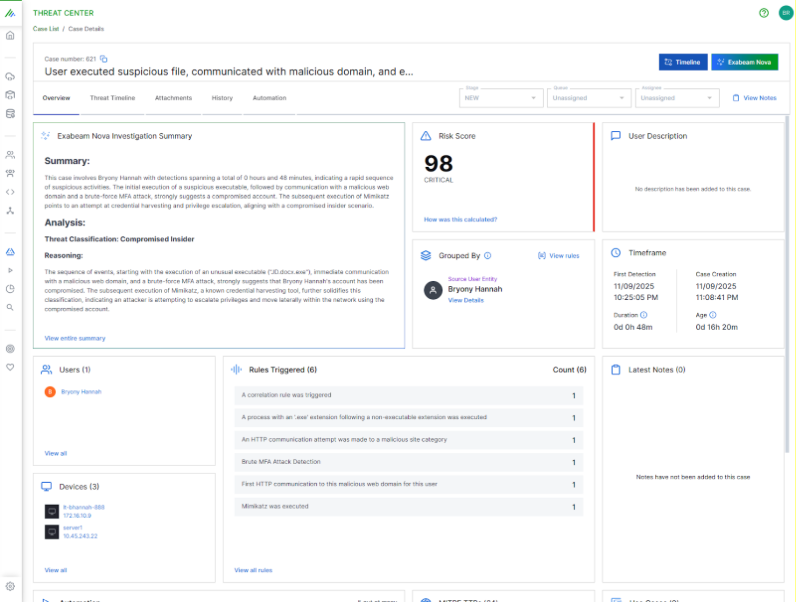
Source: Exabeam
2. Microsoft Sentinel SIEM

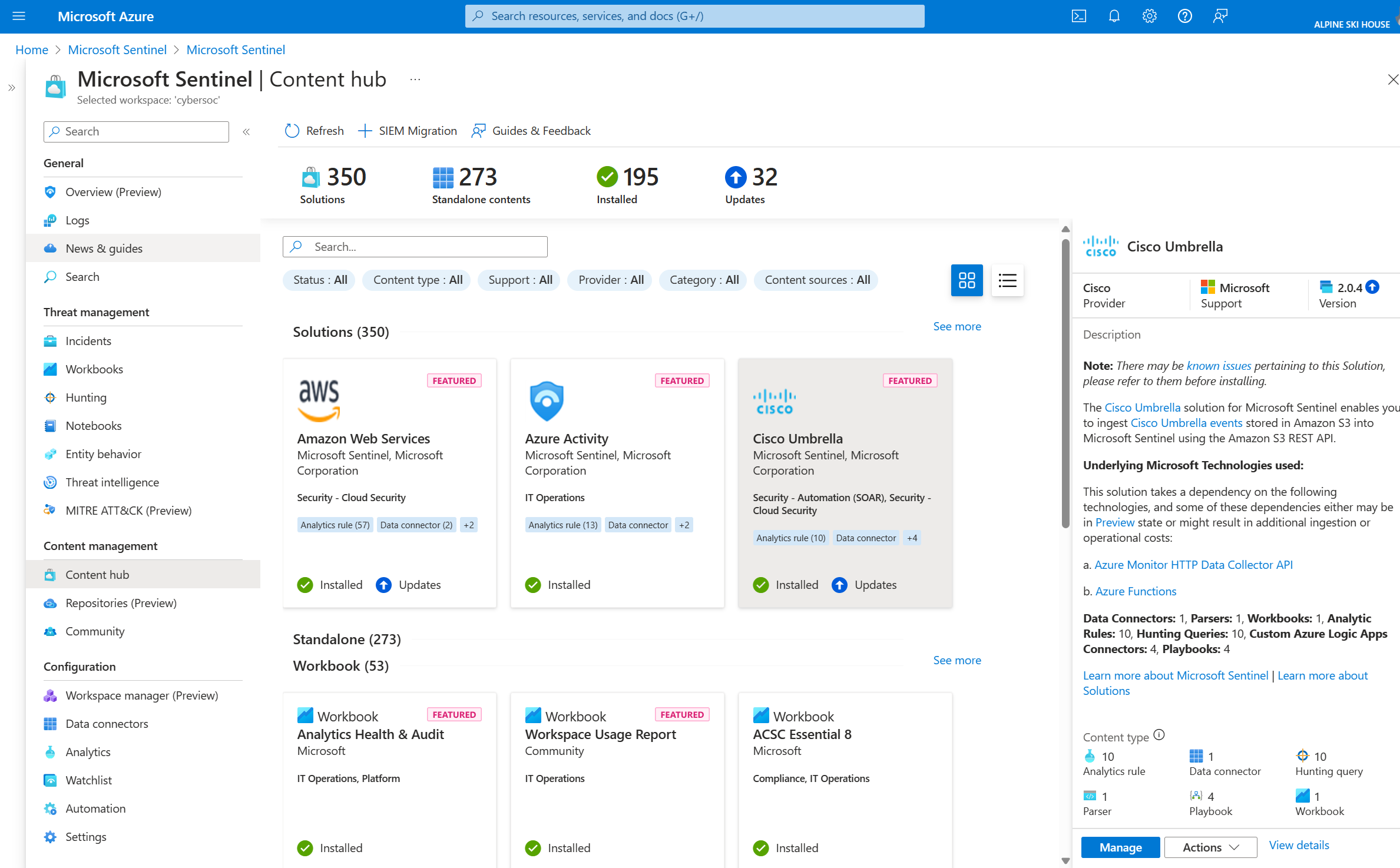
Microsoft Sentinel は、Azure を基盤とするクラウドネイティブな SIEM ソリューションであり、マルチクラウドおよびハイブリッド環境全体にわたるセキュリティ可視性と脅威からの保護を提供します。セキュリティチームが、分析、自動化、統合された脅威インテリジェンスを活用して、大規模な脅威の検知、調査、対応を行うことを支援します。
SIEMの機能:
- 拡張性の高いデータ収集:組み込みおよびカスタムコネクタを活用し、オンプレミスおよび複数のクラウド環境にわたるユーザー、デバイス、アプリケーション、インフラストラクチャからのデータを収集します。
- データの正規化:Advanced Security Information Model(ASIM)を用いて、データ取り込み時またはクエリ実行時に、多様なデータソースを一貫性のある形式に変換します。
- ワークブックによるビジュアル分析:環境全体から収集したセキュリティデータを可視化するための、あらかじめ用意されたダッシュボードやカスタマイズ可能なダッシュボードを提供します。
- ウォッチリストとの連携:セキュリティイベントとカスタムウォッチリスト(例:機密性の高いアカウントや利用停止となったユーザーなど)との関連付けを可能にし、検知能力を向上させます。
- 改ざん防止と不変性:コンプライアンスおよび監査対応のために、Azure Monitorのデータ整合性に関するベストプラクティスを継承しています。
脅威検知機能:
- 組み込みの分析ルール:関連するアラートをインシデントとしてグループ化し、カスタマイズ可能なルールを通じて異常を検知することで、誤検知を低減します。
- MITRE ATT&CK対象範囲:検知された行動をMITREの手法と照合することで、攻撃者の戦術を可視化し、セキュリティ態勢の追跡を向上させます。
- 脅威インテリジェンスの統合:取り込んだイベントを外部のIOCや脅威フィードと関連付け、アラートの精度を高め、検知のコンテキストを向上させます。
- 脅威ハンティングツール:MITREに準拠した手法に基づき、履歴データおよびリアルタイムデータに対してカスタムクエリを用いて、予防的な調査を行うことができます。
- AIを活用したインシデント調査:グラフベースのツールを用いてエンティティ間の関係を追跡し、攻撃の全容を把握します。
- 自動化とプレイブック:Azure Logic Apps による対応の自動化をサポートし、インシデントの種類に応じて、チケットの作成やデバイスの隔離などのアクションをトリガーします。

3. Splunk Enterprise Security

Splunk Enterprise Security(ES)は、セキュリティチームが脅威を検知、調査、対応できるよう支援する、データ駆動型のSIEMプラットフォームです。クラウド、オンプレミス、ハイブリッド環境全体にわたる可視性を提供し、組織がセキュリティ運用を一元化し、データのサイロ化を解消できるようにします。AIを活用した検知、行動分析、自動化機能を採用しています。
SIEMの機能:
- 完全な可視性:あらゆるドメイン、クラウド、デバイスからのデータを取り込み、分析することで、脅威の検出範囲を包括的に確保します。
- 統合型TDIRプラットフォーム:検知、調査、対応を単一のワークスペースに統合することで、ツールの切り替えを削減し、ワークフローを効率化します。
- Detection Studio:開発から導入に至るまでの検出ライフサイクル全体をサポートし、検出結果をMITRE ATT&CK フレームワークにマッピングします。
- 自動化と情報強化:SOARと脅威インテリジェンスを統合し、対応ワークフローを自動化するとともに、コンテキストデータを用いてアラートを充実させます。
- リスクベースのアラート機能:行動の文脈情報を活用して高リスクの事象を優先的に通知することで、誤検知を減らし、重大なインシデントへの対応に注力できるようにします。
脅威検知機能:
- UEBA:機械学習と行動分析を活用し、ベースライン活動からの逸脱を検知することで、内部脅威、ゼロデイ攻撃、およびアカウントの乗っ取りを検知します。
- AIを活用したワークフロー:自然言語によるクエリ、ガイド付き調査、およびレポートの自動生成をサポートし、脅威分析を迅速化します。
- 脅威インテリジェンスの統合:Cisco Talosなどのフィードを含む外部の脅威インテリジェンスを活用し、検出精度を高めます。
- MITRE ATT&CK mapping: 検知範囲を攻撃者の戦術や手法に合わせて調整し、進化し続ける脅威の挙動を可視化します。
- SOC全体での自動化:統合されたプレイブックとオーケストレーションツールを活用し、SOC全体で一貫した対応措置を可能にします。
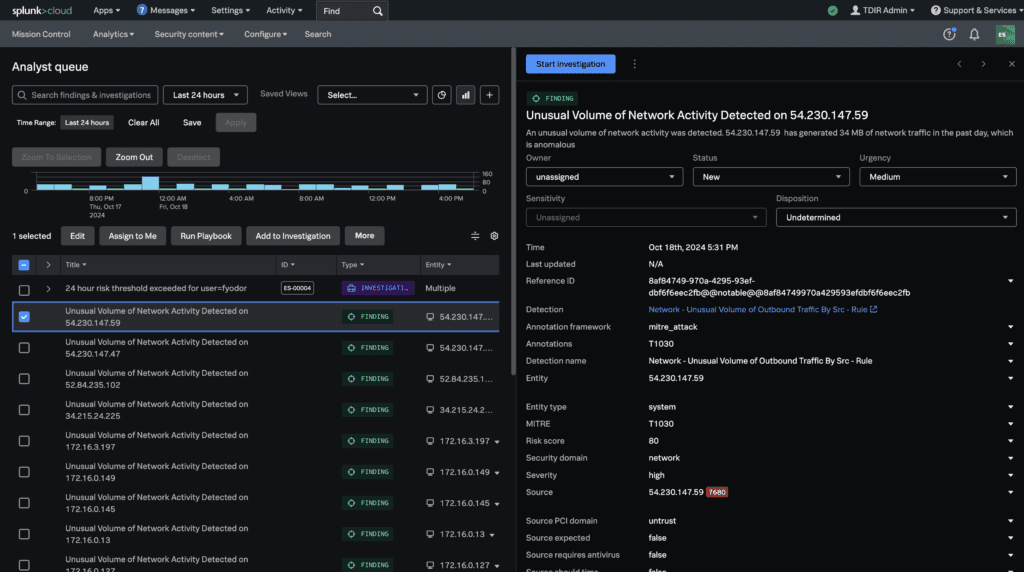
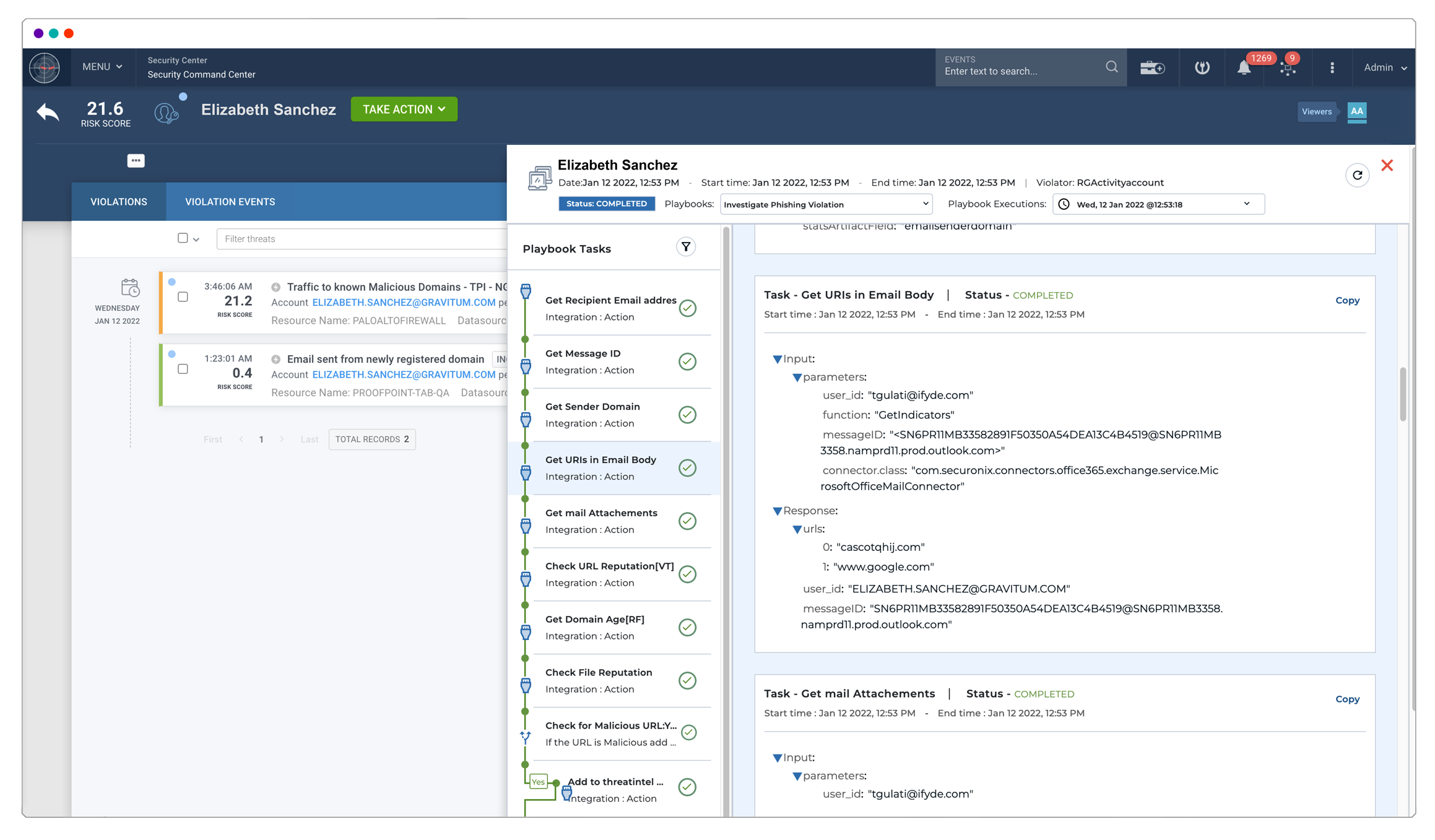
4.Securonix統合防御SIEM

Securonix Unified Defense SIEMは、SIEM、UEBA、SOAR、TIPを単一のソリューションに統合し、脅威の検知と対応を実現するクラウドネイティブなセキュリティ運用プラットフォームです。エージェント型AIを活用することで、このプラットフォームは組織がリスクを低減し、運用の非効率性を解消し、測定可能なセキュリティ成果を実現することを可能にします。
SIEMの機能:
- 統合アーキテクチャ:SIEM、UEBA、SOAR、TIPを1つのプラットフォームに統合し、ツールの乱立や統合の複雑さを軽減します。
- 単一のデータレイヤー:データを一度取り込むだけで、検出、調査、対応の各ワークフローに一貫して適用されます。
- クラウドネイティブなパフォーマンス:シングルティアアーキテクチャを採用することで処理を高速化し、データ分析におけるボトルネックを回避します。
- 365日間のホットストレージ:長期にわたる調査やコンプライアンス対応を支援するため、1年分のテレメトリデータを常に検索可能な状態で保持します。
- 取締役会向けレポート:SEC、GDPR、DORAなどの規制に準拠した既成のレポートが含まれており、監査やガバナンスのニーズに対応します。
脅威検知機能:
- エージェント型AIオートメーション:モジュール式のAIエージェントが、トリアージ、データ補完、および対応を自動化する一方で、アナリストによる監督を支援します。
- ノイズキャンセリング:AIを活用して誤検知を排除し、アナリストが信頼性の高い脅威に集中できるようにします。
- 行動分析:AIを活用したユーザーおよびエンティティの行動分析を通じて、リアルタイムで脅威を検知します。
- 脅威対応サービス(Content-as-a-Service):Securonix Threat Labsによる、継続的に更新される検知ルールと分析機能。
- コンプライアンス・マッピング:規制の枠組みを踏まえてセキュリティ上の課題を特定・説明し、先を見据えた対応を支援する。
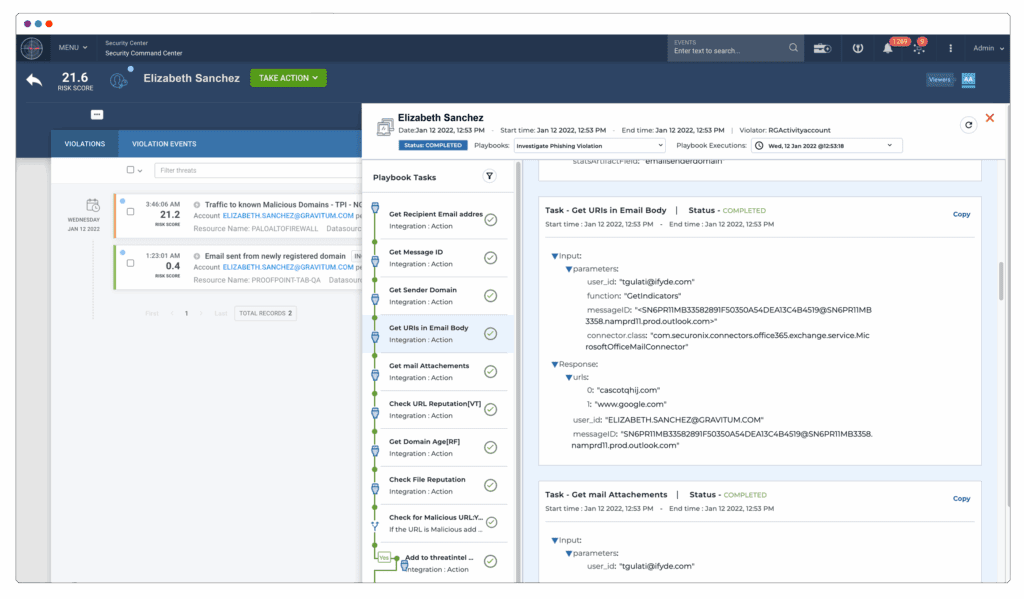
Source: セキュロニクス
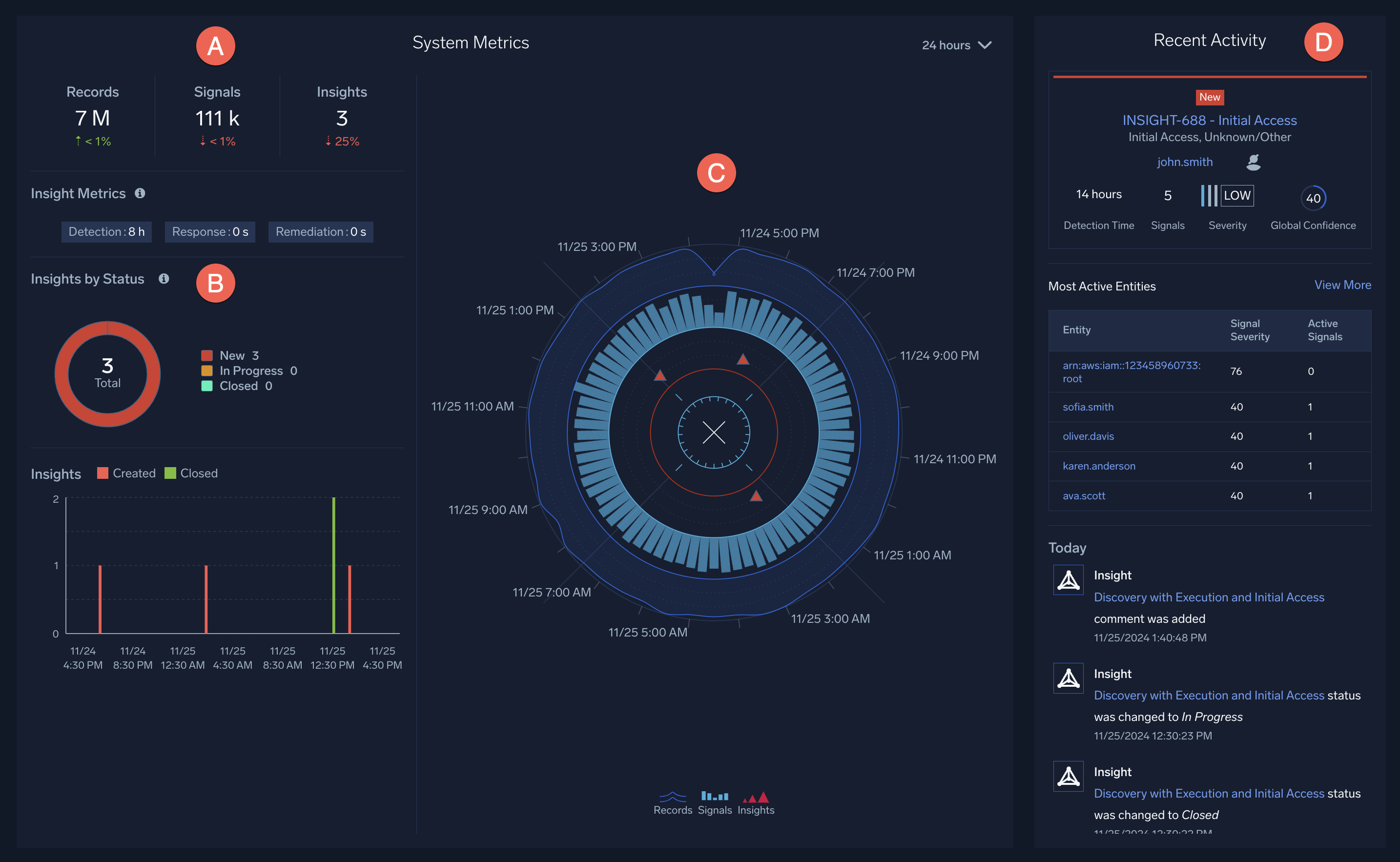
5.Sumo LogicクラウドSIEM

Sumo Logic Cloud SIEMは、行動分析、自動化、およびログファーストのインテリジェンスを活用して、SOCチームが脅威の検知、調査、対応を行えるよう設計されたクラウドネイティブなセキュリティプラットフォームです。SIEM、ログ管理、UEBA、自動化を単一のインターフェースに統合することで、ワークフローを簡素化し、対応を迅速化します。
SIEMの機能:
- 統合インターフェース:SIEM、ログ分析、UEBA、自動化を1つのプラットフォームに統合し、コンテキスト切り替えを削減します。
- クラウドネイティブなスケーラビリティ:あらゆる規模の現代的なSOCのニーズに応える、マルチテナント型の弾力性を提供します。
- Detection-as-Code:チームが GitHub で検出ルールを管理できるようにし、バージョン管理をサポートするとともに、ルールのドリフトを軽減します。
- 統合型調査:自然言語検索、関係グラフ、クエリアジェントを活用し、根本原因の分析を迅速化します。
- MITRE ATT&CK mapping: ATT&CK Coverage Explorer を通じて、検知範囲と検知の死角を可視化します。
脅威検知機能:
- Insight Engine:クラスタリングを用いて関連するシグナルをグループ化し、MITREフレームワークに沿った高精度なインサイトを生成します。
- ユーザーおよびエンティティ行動分析(UEBA):数分でユーザーの行動の基準値を確立し、異常を高い精度で検出します。
- 脅威インテリジェンスの充実化:複数の信頼できる情報源やカスタムフィードからの脅威インテリジェンスを集約し、文脈に応じたアラートを提供します。
- 自動化とプレイブック:インサイトがトリガーされた際に、あらかじめ作成された対応アクションやカスタム対応アクションを実行し、手作業の負担を軽減します。
- サマリーエージェント:AIを活用してアラートの文脈に応じた要約を生成し、優先順位付けとチーム間のコミュニケーションを改善します。

結論
SIEMは、検知および対応機能を一元化することで、組織が事後対応型のセキュリティから予防型のセキュリティへと移行することを可能にします。リアルタイムのデータ収集、行動分析、脅威インテリジェンスを組み合わせることで、SIEMシステムはセキュリティチームが攻撃をより早期に検知し、より迅速に対応し、インシデントをより明確に把握できるよう支援します。 適切に構成され、継続的に最適化されることで、SIEMは現代の脅威検知戦略の中核となるコンポーネントとなり、複雑なIT環境全体において、既知の脅威と新たな脅威の両方を特定することが可能になります。