目次
SIEMとは何か?
セキュリティ情報およびイベント管理(SIEM)とは、組織のIT環境全体にわたるさまざまなソースからのログデータを収集、集約、分析するセキュリティソリューションの一種である。SIEMツールアプリケーション、ネットワーク機器、サーバー、エンドポイントから生成されるイベントデータを一元管理します。これらを異なるソースからのアクティビティと関連付けることで、セキュリティチームが脅威を検知し、インシデントを効率的に調査できるようにします。
ITセキュリティ分野で広く利用されているSIEM(セキュリティ情報およびイベント管理)製品には、Exabeam、Microsoft Sentinel、Logpointなどがあります。これらのソリューションは、セキュリティログをリアルタイムで収集・分析し、脅威を検知して対応を自動化するとともに、ファイアウォール、サーバー、クラウドサービスからのデータを相関分析することでコンプライアンスの遵守を支援し、高度な分析、脅威インテリジェンス、インシデント対応などの機能を提供します。
SIEMソリューションは、リアルタイムの監視、分析、レポート機能を活用して、不正アクセス試行やポリシー違反などの不審なパターンを検知します。また、最新のSIEMシステムは、脅威インテリジェンスフィードと連携し、機械学習を活用することで、異常検知の精度を高めています。さらに、ダッシュボードやアラート機能を提供することで、組織がリスクの優先順位付けを行い、対応を迅速化できるよう支援します。
ITセキュリティチームにとってのSIEMのメリット
脅威の検知能力の向上
従来のセキュリティツールでは、通常のネットワークトラフィックに紛れ込んだり、複数の段階を経て行われる攻撃を見逃してしまうことがよくあります。SIEMプラットフォームは、さまざまなソースからのデータを相互に関連付け、行動分析を活用することで、脅威を示す微妙な異常を検知することができます。このアプローチにより、通常であれば見過ごされてしまうような、ラテラルムーブメント、権限昇格、ゼロデイ攻撃などの戦術を検知することが可能になります。
SIEMツールは、正常な活動と不審な活動の区別をより詳細に把握できるようにすることで、攻撃者の潜伏時間を最小限に抑えるのに役立ちます。これらのシステムは、外部の情報フィードを取り入れることで、検知能力をさらに強化することができます。また、新たに現れる侵害の兆候や攻撃手法に関する情報を常に把握しており、脅威を早期に検知できる可能性を高めます。
より迅速かつ正確なインシデント対応
の大きな利点は、SIEMソリューションそれは、アラートの自動化や調査ワークフローの簡素化を実現する能力にあります。SIEMは、データをリアルタイムで集約・正規化することで、セキュリティアナリストが通常直面するノイズを低減し、誤検知に圧倒されることなく、真のインシデントに集中できるようにします。
アラートの自動相関分析とエンリッチメントにより、トリアージの過程で関連するコンテキスト情報が確実に利用可能となり、根本原因の分析がより迅速かつ正確に行えるようになります。多くのSIEMプラットフォームは、インシデント対応プレイブックやオーケストレーションツールと連携しています。つまり、脅威が検出されると、あらかじめ定義された是正措置が自動または半自動的に実行されることになります。
ITインフラ全体にわたる一元的な可視性
SIEMソリューションは、サーバー、エンドポイント、ネットワーク機器、クラウドサービスからのログやイベントを集約することで、統合的な可視性を提供します。この包括的な視点により、セキュリティチームは単一のインターフェースからIT環境全体を監視できるようになり、死角を減らし、包括的な監視が可能になります。また、すべての関連セキュリティデータに1つのシステムからアクセスし、レポートを作成できるため、一元化によってコンプライアンス監査も簡素化されます。
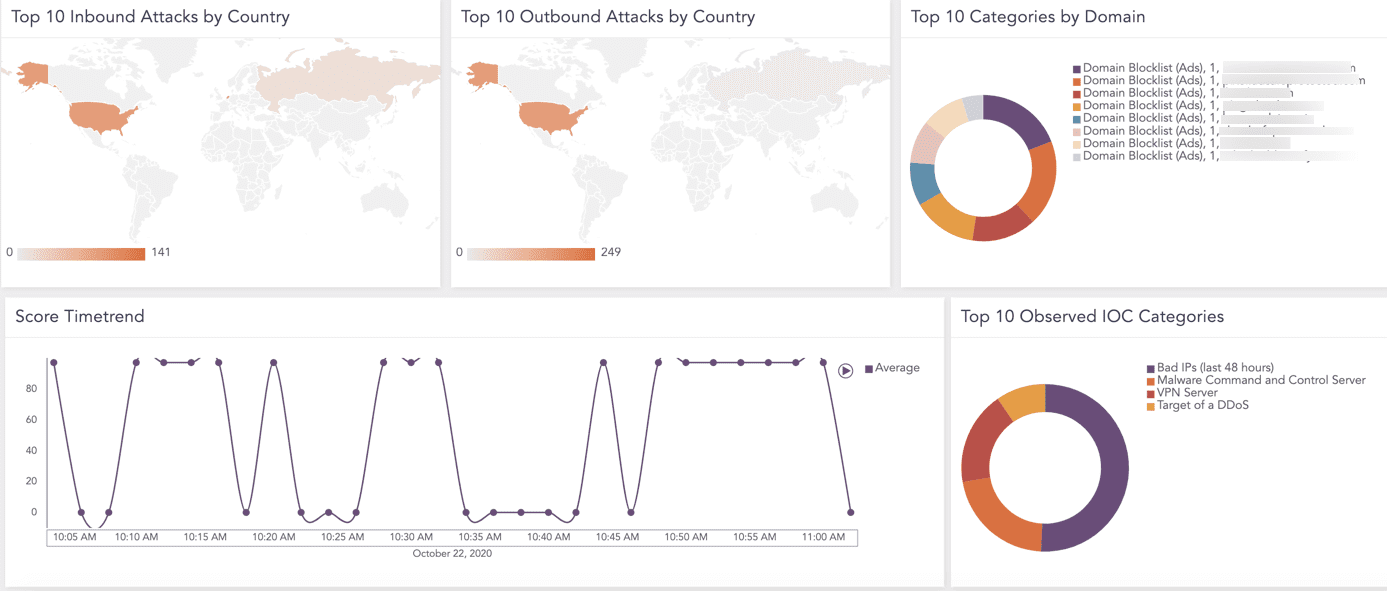
リアルタイムのダッシュボードとカスタマイズ可能なレポートにより、進行中の脅威、攻撃の試み、および全体的なセキュリティ態勢について即座に把握することができます。このレベルの可視性は、迅速な意思決定を支援するだけでなく、キャパシティプランニングやリソース配分にも役立ちます。
自動化による業務負担の軽減
SIEMプラットフォームは、ログの収集、データの正規化、脅威の検知、アラート発行など、多くの日常的なセキュリティ業務を自動化します。これにより、ITセキュリティ担当者は、膨大な量の生データを一つひとつ精査することに時間を費やすことなく、戦略的な業務に注力できるようになります。自動化により、人為的ミスのリスクが低減され、データ量の多さやアナリストの疲労によって重大なインシデントが見落とされることを防ぎます。
高度なSIEMは、侵害されたホストの隔離や悪意のあるURLのブロックなど、インシデント対応の自動化もサポートしています。他のセキュリティシステムやネットワーク管理システムと連携することで、SIEMはワークフローを起動させ、脅威を迅速に封じ込めることができます。
コンプライアンス体制の強化と監査対応力の向上
多くの規制では、組織に対し、詳細なログを保持し、機密性の高いシステムが効果的に監視されていることを実証することが求められています。SIEMソリューションは、データの収集、保存、およびレポート作成を自動化することで、こうしたコンプライアンス要件への対応を容易にします。一般的な基準(HIPAA、PCI DSS、GDPRなど)に対応した組み込みテンプレートにより、SIEMはポリシーへの準拠を実証する監査証跡やレポートを生成します。
コンプライアンス関連の証拠を一元化することで、監査プロセスが簡素化され、書類の収集に必要な手作業が削減されます。さらに、SIEMはポリシー違反やコンプライアンス上の不備を特定して警告を発するため、迅速な是正が可能になります。
ITセキュリティ分野で注目すべきSIEM製品
1.エクサビーム

Exabeam同社は、「New-Scale Security Operations Platform」を提供しています。これは、クラウドネイティブなSIEMであり、行動分析、高度な脅威検知、および自動化された対応機能を通じて、現代のIT環境における包括的な可視性を提供するように設計されています。 このプラットフォームは行動分析に重点を置いており、AIを活用して組織のインフラ全体におけるユーザーやエンティティの正常な行動パターンを把握します。このアプローチにより、Exabeamは、従来のシグネチャベースのセキュリティツールでは検知しきれなかった、微妙な異常や高度な脅威を特定することが可能です。また、脅威の検出、調査、対応(TDIR)ワークフローの多くの側面を自動化することで、セキュリティチームの負担軽減を目指しています。
主な特徴は以下の通り:
脅威検知および優先順位付け:リスクスコアリングと機械学習を活用してアラートの優先順位を決定し、セキュリティチームが最も重大な脅威に注力できるよう支援するとともに、アラート疲労を軽減します。
New-Scale SIEM: ペタバイト規模のデータ取り込みと分析のために構築されたクラウドネイティブプラットフォームであり、ハイブリッドおよびマルチクラウド環境に対応し、弾力的なスケーラビリティを備えています。
ユーザーおよびエンティティ行動分析(UEBA):高度な機械学習を活用して、すべてのユーザーおよびエンティティの行動のベースラインを確立し、高リスクの異常行動、内部者による脅威、および侵害されたアカウントを検出します。
Investigation Timelinesの自動化:関連するセキュリティイベントを自動的に統合し、明確で実用的なタイムラインを作成することで、調査に必要な背景情報を提供し、手作業の負担を軽減します。
自動対応機能:多くの場合、セキュリティオーケストレーションプラットフォームとの連携を通じて、攻撃発生時に、侵害されたエンドポイントの隔離、ユーザー認証情報の無効化、パスワードのリセットの開始など、自動または半自動の対応措置を可能にします。
包括的なデータ収集:ネットワークデバイス、エンドポイント、アプリケーション、クラウドサービス、IDプロバイダーなど、幅広いソースからのデータを収集し、正規化します。
2. Microsoft Sentinel SIEM

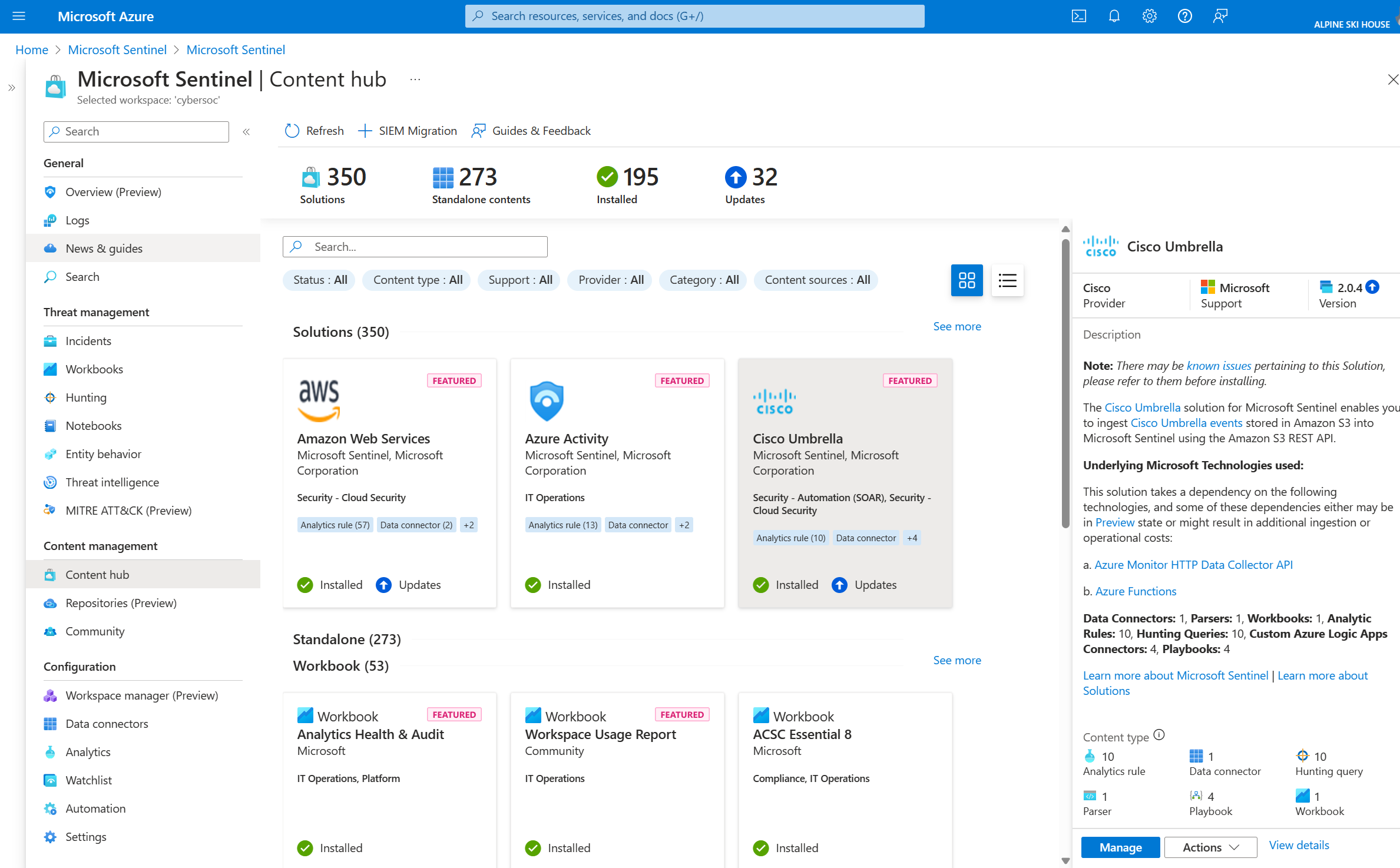
Microsoft Sentinel は、ハイブリッド環境およびマルチクラウド環境全体で、スケーラブルかつ AI を活用したセキュリティ機能を提供するクラウドネイティブな SIEM プラットフォームです。ユーザー、デバイス、アプリケーション、インフラストラクチャからのデータ収集を一元化し、セキュリティチームに可視性を提供します。Sentinel は、組み込みの分析機能、脅威インテリジェンス、自動化を活用して、脅威を迅速に検知し、対応します。
主な特徴は以下の通り:
- クラウドネイティブアーキテクチャ:Azureを基盤とするSentinelは、クラウドおよびハイブリッド環境全体にわたる大量のデータ取り込みと分析に対応できるよう、自動的にスケールします。
- データ収集:Microsoft および Microsoft 以外のサービス向けの組み込みコネクタを備えており、CEF、Syslog、または REST API によるカスタムコネクタもサポートしています。
- データの正規化:クエリ実行時およびデータ取り込み時の両方で正規化を行うことにより、多様なデータソースを統一された形式に変換します。
- 脅威の検知:分析、MITRE ATT&CK マッピング、および脅威インテリジェンスを活用し、誤検知を低減しながら複雑な攻撃を検知・相関分析します。
- インタラクティブな調査:インシデントやそれに関連するエンティティを調査するための、視覚的なグラフベースのツールを提供し、根本原因の特定を容易にします。

3. Logpoint SIEM

Logpoint SIEMは、ITインフラ全体を可視化すると同時に、脅威の検知、調査、およびコンプライアンス対応を簡素化するように設計された、一元化された分析主導型のソリューションです。本ソリューションは、多様なソース(デバイス、アプリケーション、エンドポイント)からデータを取り込み、一貫した分析が行えるよう、共通の分類体系に正規化します。
主な特徴は以下の通り:
- 一元的なデータ監視:インフラストラクチャ全体からログやイベントデータを収集し、セキュリティチームがデバイス、アプリケーション、エンドポイントにわたるアクティビティを可視化できるようにします。
- データの正規化と情報充実:生ログを統一された形式に変換し、脅威インテリジェンス、地理情報、ユーザー情報などのコンテキストデータを付加して充実させます。
- 脅威の検知:アラートを標準形式に変換し、MITRE ATT&CKフレームワークにマッピングすることで、より迅速かつ正確な脅威の検知を可能にします。
- 視覚的な調査ツール:アナリストがインシデントを迅速に把握し、十分な情報に基づいた意思決定を行えるよう支援するダッシュボードや可視化機能を提供します。
- 導入直後から利用可能なコンプライアンス対応機能:GDPR、NIS2、GPG13、その他の規制要件を満たすのに役立つ、あらかじめ構築済みのダッシュボードやレポートに加え、変更履歴を追跡するための監査証跡も含まれています。

Source: Logpoint
4. Securonix 統合防御

Securonix Unified Defenseは、SIEM、UEBA、SOAR、TIPを、エージェント型AIを搭載した単一のクラウドネイティブソリューションに統合したSIEMプラットフォームです。ツールの乱立を解消し、運用負担を軽減することを目的としており、脅威の迅速な検知、的確な対応、そして測定可能なセキュリティ成果を実現します。
主な特徴は以下の通り:
- 統合型クラウドネイティブプラットフォーム:SIEM、UEBA、SOAR、TIPを単一のアーキテクチャに統合し、ツールの乱立を最大60%削減するとともに、統合に伴うオーバーヘッドを解消します。
- SOC全体にわたるエージェント型AI:AIエージェントが脅威の検出、情報補完、優先順位付け、および対応を自動化する一方で、説明可能性と制御を確保するために、人間による監視(ヒューマン・イン・ザ・ループ)も提供します。
- ノイズキャンセリング:AIフィルターが誤検知を減らすことで、アナリストは真の脅威に集中し、対応を迅速化できます。
- 一度取り込めば、あらゆる場面で活用可能:統合データレイヤーにより、検知、調査、対応の各ワークフローにわたって、データを一貫して活用できます。
- 365日、常に最新のデータ:アナリストや監査担当者は、長期にわたるテレメトリデータに即座にアクセスできるため、調査の迅速化や監査の円滑化につながります。
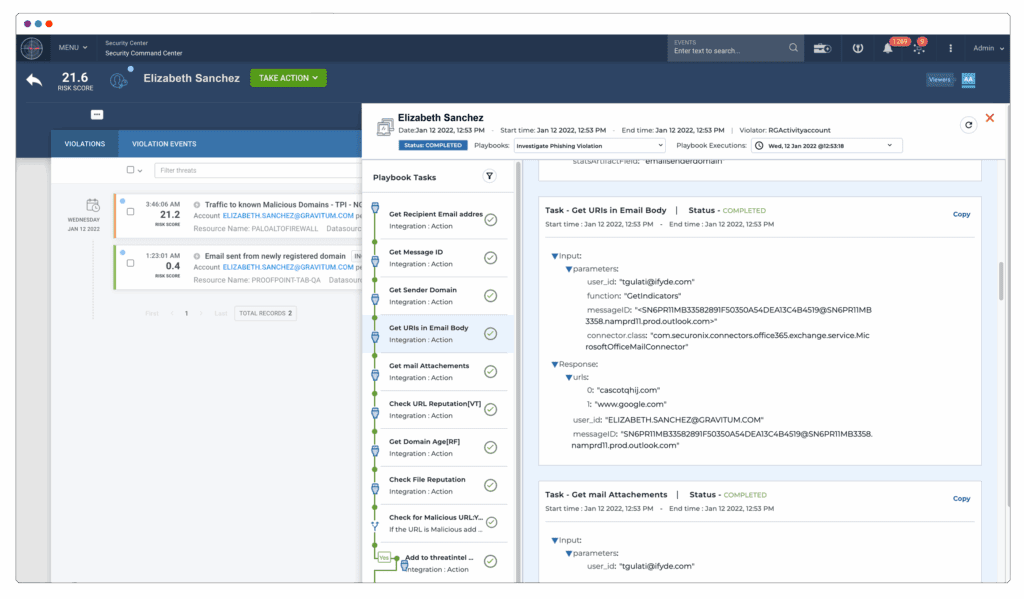
Source: セキュロニクス
5.Splunk Enterprise セキュリティ

Splunk Enterprise Securityは、AIを活用したSIEMプラットフォームであり、セキュリティ運用チームが脅威をより迅速に検知し、アラート疲労を軽減し、脅威の検知、調査、対応(TDIR)のワークフローを統合することを支援します。 あらゆる環境にわたる包括的な可視性を提供し、アナリストが機械学習やユーザーおよびエンティティ行動分析(UEBA)を活用して、内部者による脅威、ゼロデイ攻撃、異常な行動を検知できるようにします。
主な特徴は以下の通り:
- 統合型TDIRプラットフォーム:検知、調査、対応を1つの統合ワークスペースに統合し、SOCの運用を簡素化し、コンテキストの切り替えを排除します。
- 完全なデータ可視性:データの保存場所にかかわらず、すべてのドメイン、クラウド、デバイスにわたるエンドツーエンドの可視性を提供し、脅威の迅速な発見を可能にします。
- AIを活用したアラートの優先順位付け:機械学習とAIを活用して不要な情報を排除し、アラート疲労を軽減するとともに、アナリストがリスクが最も高い脅威に集中できるようにします。
- インサイダー脅威およびゼロデイ脅威に対するUEBA:行動分析を活用し、侵害されたアカウントや、高度な脅威を示す通常の活動からの微妙な逸脱を検知します。
- SOARとコンテキストに基づく情報充実:セキュリティオーケストレーションと自動情報充実機能を統合し、調査の迅速化、手作業の削減、一貫した対応の実現を図ります。
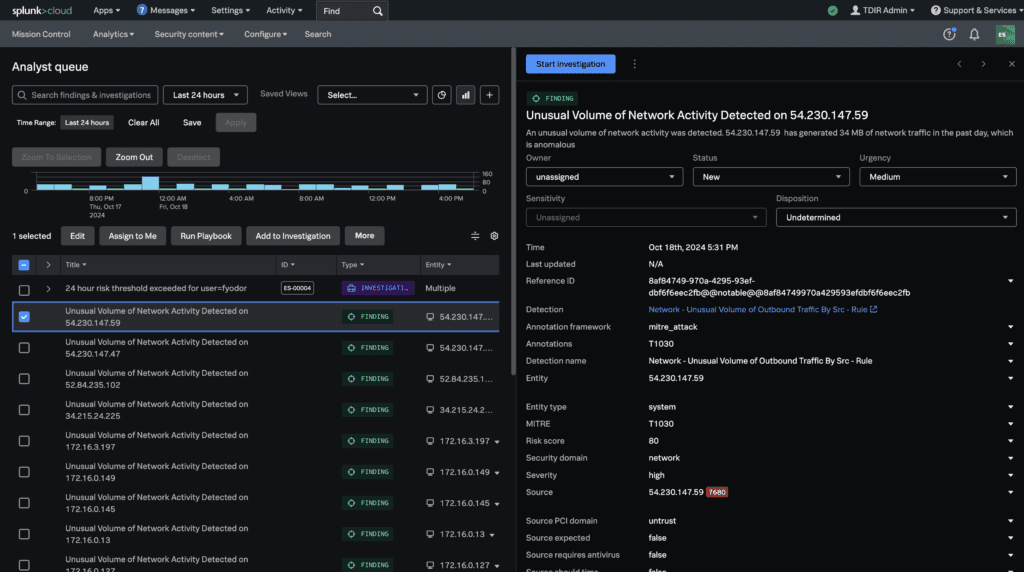
Source: Splunk Enterprise セキュリティ
ITセキュリティにおけるSIEM導入のベストプラクティス
組織は、ITセキュリティを強化するためにSIEMツールを活用する際、以下の取り組みを検討すべきである。
1. 明確な目標とユースケースを定義する
SIEMの導入を成功させるには、まず組織のニーズを徹底的に評価することから始めます。目標を明確に定義することで、特定のリスク、コンプライアンス上の義務、および運用上の要件に対処できるよう、SIEMツールを適切にカスタマイズすることができます。組織は、重要な資産、典型的な脅威の侵入経路、および脅威の早期検知やインシデント対応時間の短縮など、SIEMに期待する成果を特定する必要があります。
こうした事前の計画により、導入の範囲が明確になり、不要な機能にリソースを浪費することを防ぐことができます。さらに、横方向の移動の特定や特権アカウントの不正使用といった主要なユースケースを洗い出すことで、相関ルールやアラートの設定の指針となります。過去のセキュリティインシデント、規制要件、業界のベストプラクティスを見直すことで、SIEMが対応すべき関連シナリオを把握することができます。
2. 適切なログの収集および保存に関する方針を策定する
SIEMの価値を最大限に引き出すためには、組織は、ファイアウォール、サーバー、エンドポイント、アプリケーション、クラウド環境など、すべての重要な情報源を網羅した堅牢なログ収集ポリシーを策定する必要があります。 包括的なデータを収集することで、正確な脅威の検知と可視性が確保されます。システム間のデータ相関分析を簡素化するためには、ログ形式を標準化し、一貫したタイムスタンプを維持することが重要です。ログ収集に不備があると、攻撃者が悪用しうる死角が生じます。
保存方針は、ビジネス上のニーズと規制要件の両方を踏まえて策定すべきです。多くの業界では、フォレンジック調査や監査に対応するため、ログを一定期間保存することが義務付けられています。階層型保存(頻繁にアクセスされる最近のログはホットストレージに、古いデータはコールドストレージに保存する)を導入することで、パフォーマンスの要件とコストのバランスをとることができます。
3. 定期的な調整とルールの更新
脅威やIT環境は絶えず変化しているため、SIEMのユースケース、相関ルール、アラート閾値を定期的に見直して調整することが不可欠です。 頻繁な調整を行うことで、誤検知や検知漏れを最小限に抑え、より正確なインシデント検出が可能になります。セキュリティチームは、調査から得られたフィードバックを活用して、ルールを更新し、フィルタを改善し、検出ロジックを洗練させることで、新たな攻撃手法やビジネス環境の変化に対応する必要があります。
また、既存のルールの有効性を定期的に評価し、時代遅れになったルールを廃止するとともに、新たな脅威に対処するためのロジックを追加することも重要です。脅威インテリジェンスのフィードやユーザー行動分析を取り入れることで、検知精度を向上させることができます。
4. SIEMのワークフローをセキュリティオペレーションセンター(SOC)のプロセスと整合させる
効率を最大限に高めるためには、SIEMの運用を既存のSOCのワークフローと緊密に統合する必要があります。つまり、SOCの運用方法に沿ったアラート通知、エスカレーション、および対応手順を設計し、脅威が検出された際に関連データがアナリストに直接届くようにする必要があります。一貫性のあるプロセスを確立することで、混乱を軽減し、インシデントの検出から是正に至るまで、効率的に対処できるようになります。
この連携の取り組みにおいて、ドキュメント化は極めて重要です。SIEMアラートの優先順位付け、エスカレーション、調査、解決の方法を定めたプレイブックは、一貫性と説明責任の維持に役立ちます。自動化されたチケット発行およびケース管理機能は、SIEMとSOCツール間のギャップを埋め、連携、追跡、およびパフォーマンス測定を支援します。
5. ITセキュリティ担当者の継続的な研修
SIEMシステムの有効性は、それを使用する人材にかかっています。継続的な研修を行うことで、アナリストはプラットフォームの機能、新しい検知手法、そして変化し続ける脅威の状況について、常に最新の知識を身につけることができます。これには、ベンダーが提供する認定プログラム、脅威インテリジェンスの更新情報、および社内ワークショップなどが含まれます。
定期的なトレーニングを行うことで、カスタム相関ルールの作成や脅威インテリジェンス・フィードの統合といった、SIEMの高度な機能を活用する自信がつきます。技術的なスキルに加え、インシデント対応、フォレンジック、および調査能力を養うことも重要です。実際のSIEMデータを用いたテーブルトップ演習を行うことで、チームは実際のインシデント発生時に体系的に対応できるよう準備を整えることができます。
結論
SIEMプラットフォームは、組織が脅威を早期に検知し、迅速に対応し、複雑なIT環境全体を完全に可視化できるようにすることで、現代のサイバーセキュリティにおいて中心的な役割を果たしています。多様なデータソースを相関分析し、セキュリティワークフローを自動化することで、SIEMは運用負担を軽減しつつ、精度と対応時間を向上させます。 明確な目標、適切なデータポリシー、そして継続的な調整を伴って導入されることで、SIEMは組織のセキュリティ態勢を強化し、コンプライアンスへの取り組みを支援するため、エンタープライズセキュリティ運用の基盤となる要素となります。