Die besten Anbieter Bedrohungsintelligenz: 7 Lösungen, die Sie 2026 kennen sollten
- 8 minutes to read
Inhaltsverzeichnis
Was sind Bedrohungsintelligenz Anbieter?
Anbieter von Threat Intelligence unterstützen Unternehmen dabei, potenzielle Bedrohungen zu erkennen, zu verstehen und zu entschärfen. Sie aggregieren und analysieren Daten aus verschiedenen Quellen, um verwertbare Erkenntnisse zu gewinnen und so ihre Sicherheitslage zu stärken.
Mithilfe von Datenfeeds, Berichten und Warnmeldungen informieren sie über Risiken wie Malware, Schwachstellen und neue Bedrohungsvektoren und ermöglichen Unternehmen so, sich proaktiv zu schützen. Diese Anbieter nutzen Tools und Methoden zur Risikobewertung und bieten maßgeschneiderte Informationen, die den Anforderungen verschiedener Organisationen gerecht werden.
Die bereitgestellten Erkenntnisse können bei der Reaktion auf Vorfälle, der Erstellung von Richtlinien und Risikomanagementstrategien hilfreich sein. Anbieter von Threat Intelligence sind Teil der Cybersicherheitsinfrastruktur jedes Unternehmens und bieten einen konstanten Informationsfluss zur Bekämpfung sich entwickelnder Cyberbedrohungen.
Dies ist Teil einer Artikelserie über Cyber-Bedrohungsinformationen
Arten von Bedrohungsintelligenz Anbietern
Kommerzielle Anbieter
Kommerzielle Anbieter von Threat Intelligence bieten in der Regel abonnementbasierte Dienste an und stellen eine Reihe von Produkten wie Bedrohungsfeeds, Dashboards und Berichte bereit. Diese Unternehmen investieren stark in Forschung und Entwicklung, um Tools bereitzustellen, die verschiedene Aspekte der Cybersicherheit abdecken. Ihre Angebote lassen sich in bestehende Tools innerhalb eines Unternehmens integrieren.
Der Wert dieser Anbieter liegt oft in ihrer Fähigkeit, zeitnahe und präzise Informationen zu liefern, die dazu beitragen, Angriffe zu verhindern, bevor sie stattfinden. Sie bieten oft personalisierte Analysen und Support, die Unternehmen dabei helfen, betriebsrelevante Bedrohungen zu bewältigen. Die datenbasierten Dienste kommerzieller Anbieter sind pragmatisch und direkt anwendbar.
Open-Source-Anbieter
Anbieter von Open-Source-Threat-Intelligence-Lösungen bieten frei zugängliche Daten und Tools. Dadurch stehen Bedrohungsinformationen auch Unternehmen zur Verfügung, die möglicherweise nicht über das Budget für kommerzielle Dienste verfügen. Open-Source-Lösungen basieren häufig auf Community-Beiträgen, wodurch die gemeinsam genutzten Informationen zu einer gemeinschaftlichen Anstrengung werden, die durch vielfältige Beiträge und Erkenntnisse bereichert wird.
Solche Anbieter bieten typischerweise Transparenz und Anpassungsfähigkeit und ermutigen Nutzer, Tools und Daten an ihre Bedürfnisse anzupassen. Die breite Nutzung und das Engagement der Community sorgen für kontinuierliche Updates und Verbesserungen. Auch wenn Open-Source-Lösungen möglicherweise nicht über die ausgefeilten Schnittstellen und den direkten Support kommerzieller Dienste verfügen, bieten sie dennoch nützliche Informationen und Ressourcen.
Regierung und gemeinnützige Organisationen
Staatliche und gemeinnützige Anbieter von Bedrohungsinformationen konzentrieren sich auf die regionale oder nationale Sicherheit. Sie verbreiten kritische Bedrohungsinformationen, um die öffentliche Infrastruktur zu schützen und die nationale oder branchenspezifische Cybersicherheit zu gewährleisten. Diese Einrichtungen arbeiten häufig mit Branchenexperten zusammen und tauschen Informationen aus, die für den Schutz des privaten und öffentlichen Sektors von entscheidender Bedeutung sind.
Diese Organisationen arbeiten ohne Gewinnmotivation und legen Wert auf gründliche Recherche und Berichterstattung. Sie profitieren von einem breiten Ressourcenpool, einschließlich des Zugangs zu staatlichen Geheimdienstinformationen und internationalen Partnerschaften. Dies kann die Genauigkeit und Zuverlässigkeit der von ihnen bereitgestellten Bedrohungsinformationen erheblich verbessern.
Wichtige Dienste von Bedrohungsintelligenz-Anbietern
Datenerfassung und -analyse
Anbieter von Threat Intelligence sammeln Daten aus zahlreichen Quellen, darunter dem Darknet, Hackerforen und Datenbanken mit bekannten Bedrohungen. Mithilfe dieser Daten entwickeln sie Analysemodelle, um neue Bedrohungen vorherzusagen und zu identifizieren, bevor sie tatsächlich auftreten. Mithilfe von Algorithmen und KI durchforsten diese Anbieter riesige Datenmengen, um relevante Trends und Muster aufzuzeigen und so Erkenntnisse zur Sicherheit zu gewinnen.
Der Analyseprozess umfasst die Korrelation fragmentierter Datenpunkte, um ein detailliertes Verständnis potenzieller Bedrohungen zu gewinnen. Die Anbieter fassen diese Ergebnisse anschließend in verständlichen Berichten zusammen, die Entscheidungsträgern Informationen zur Neukalibrierung von Sicherheitsprotokollen liefern. Dieser kontinuierliche Kreislauf aus Datenerfassung und -analyse ist für Unternehmen unerlässlich, um Cyberbedrohungen stets einen Schritt voraus zu sein.
Bedrohungsüberwachung
Die von Intelligence-Anbietern angebotenen Dienste zur Bedrohungsüberwachung umfassen die kontinuierliche Überwachung der Netzwerkaktivitäten und identifizieren Anomalien, die auf Bedrohungen hinweisen könnten. Durch die Festlegung von Basiswerten für den Normalbetrieb können diese Anbieter Abweichungen erkennen, die auf potenzielle Sicherheitsvorfälle hinweisen, und so rechtzeitig eingreifen.
Automatisierte Überwachungstools warnen Sicherheitsteams vor verdächtigen Aktivitäten und optimieren so die Reaktionszeit bei Vorfällen. Dieser Ansatz minimiert den Schaden, da Anbieter die Bewegungen und Absichten der Bedrohungsakteure verfolgen können. Die Überwachung unterstützt Unternehmen dabei, die Betriebsstabilität aufrechtzuerhalten, indem Sicherheitsverletzungen oder Schwachstellen umgehend behoben werden.
Schwachstellenmanagement
Anbieter von Threat Intelligence unterstützen bei der Identifizierung und Behebung von Schwachstellen in den Systemen eines Unternehmens. Sie führen routinemäßige Scans und Bewertungen durch, um Schwachstellen zu identifizieren, die Cyberkriminelle ausnutzen könnten. Durch die Bereitstellung von Berichten über diese Schwachstellen können Unternehmen Patches und Updates priorisieren und so potenzielle Angriffspunkte für Angreifer reduzieren.
Anbieter unterstützen Unternehmen außerdem bei der Entwicklung eines strukturierten Schwachstellenmanagementprozesses, der regelmäßige Updates, Patch-Bereitstellungen und Schwachstellenanalysen umfasst. Diese Wartung verbessert die Sicherheitslage und senkt das Risiko erfolgreicher Angriffe erheblich. Dies trägt zum Schutz kritischer Ressourcen und Daten bei.
Berichte und Warnungen
Anbieter von Threat Intelligence bieten zudem detaillierte Berichte und Echtzeit-Warnmeldungen. Die Berichte enthalten Analysen identifizierter Bedrohungen, neuer Schwachstellen und Trends im Bereich Cyberkriminalität. Diese Dokumente dienen als Grundlage für die strategische Planung und helfen Unternehmen, ihre Ressourcen anhand des Risikoniveaus zu priorisieren.
Echtzeitwarnungen informieren Sicherheitsteams über unmittelbare Bedrohungen und ermöglichen so schnelles Handeln zur Eindämmung potenzieller Sicherheitsverletzungen. Die Automatisierung dieser Warnungen beschleunigt die Reaktionszeit und sorgt für minimale Störungen des Geschäftsbetriebs. Kontinuierliche Berichterstattung und Warnmeldungen ermöglichen es Unternehmen, eine starke Sicherheitslage aufrechtzuerhalten und auf aktuelle und zukünftige Bedrohungen vorbereitet zu sein.
Bemerkenswerte Anbieter Bedrohungserkennung und -reaktion mit Bedrohungsintelligenz-Funktionen
1. Exabeam

Exabeam ist eine moderne SIEM- und Sicherheitsbetriebsplattform, die erweiterte Analysen, Automatisierung und KI integriert, um Unternehmen dabei zu unterstützen, Bedrohungen effektiver zu erkennen, zu untersuchen und darauf zu reagieren. Ihre Stärke liegt in der Kombination von Benutzer- und Entitätsverhaltensanalysen (UEBA) mit der flexiblen Einbindung externer Bedrohungsinformationen. So können Sicherheitsteams globale Bedrohungseinblicke mit lokalen Aktivitätsdaten korrelieren.
Hauptmerkmale:
- Verhaltensanalyse: Legt Basiswerte für das normale Verhalten von Benutzern, Geräten und Entitäten fest und kennzeichnet Anomalien, die auf einen Missbrauch von Anmeldeinformationen, Insider-Bedrohungen oder fortgeschrittene Angriffe hinweisen könnten.
- Automatisierte Untersuchungen: Verwendet Zeitleisten und storybasierte Vorfalluntersuchungen, um zusammengehörige Warnungen automatisch zusammenzufügen und so die Arbeitsbelastung der Analysten zu reduzieren.
- Erkennungstechnik: Sicherheitsteams können Erkennungsinhalte schnell erstellen, anpassen und optimieren, um ihre einzigartige Umgebung widerzuspiegeln.
- KI- und Agentenunterstützung: Exabeam Nova, ein System KI-gesteuerter Agenten, beschleunigt die Bedrohungssuche, Untersuchung und Berichterstattung an die Geschäftsleitung.
Integration Bedrohungsintelligenz
Exabeam lässt sich mit führenden Anbietern von Threat Intelligence-Diensten und Open-Source-Feeds integrieren, um die Erkennung und Reaktion zu verbessern:
- Aufnahme von Bedrohungs-Feeds
- Unterstützt Standards wie STIX/TAXII und Anbieter-APIs für die nahtlose Aufnahme von IOCs (IPs, Domänen, Hashes, URLs).
- Sicherheitsteams können Aufnahmeregeln konfigurieren, um Informationen aus kommerziellen, Open-Source- und staatlichen Bedrohungsinformationsquellen abzurufen.
- Korrelation mit lokalen Daten
- Aufgenommene IOCs werden automatisch mit internen Protokollen, Endpunktdaten und Aufzeichnungen des Benutzerverhaltens korreliert.
- Die Analysen von Exabeam überprüfen, ob in der Umgebung aktive externe Bedrohungen vorhanden sind, und reduzieren so Störungen durch irrelevante Feeds.
- Risikobasierte Priorisierung
- Externe Bedrohungsinformationen werden mit der UEBA-Risikobewertung kombiniert, um Bedrohungen mit hoher Wahrscheinlichkeit zu priorisieren.
- Dadurch wird sichergestellt, dass sich die Analysten auf die Bedrohungen konzentrieren, die sich am wahrscheinlichsten auf das Unternehmen auswirken.
- Automatisierte Antwort
- Die Integration in SOAR-Workflows ermöglicht automatisierte Blockierungs-, Isolierungs- oder Anreicherungsaktionen, wenn Übereinstimmungen mit den Informationen erkannt werden.
- Beispiel: Eine von Cisco Talos oder Recorded Future gekennzeichnete bösartige IP wird mit internen Netzwerkprotokollen abgeglichen, wodurch eine automatische Firewall-Blockierung ausgelöst wird.
- Ökosystempartnerschaften
- Exabeam arbeitet mit einer großen Bandbreite an Anbietern von Bedrohungsinformationen (kommerziell und Open Source) zusammen, sodass Kunden die Feeds auswählen können, die ihren Anforderungen am besten entsprechen, ob Recorded Future, Mandiant, Cisco Talos oder MISP-Communitys.
Warum es wichtig ist
Durch die Verknüpfung externer Bedrohungsinformationen mit dem internen Verhaltenskontext stellt Exabeam sicher, dass globale Informationen nicht nur genutzt, sondern auch im SOC operationalisiert werden. Dies reduziert Fehlalarme, beschleunigt die Reaktion und hilft Unternehmen, sich entwickelnden Gegnern immer einen Schritt voraus zu sein.
2. Microsoft Sentinel

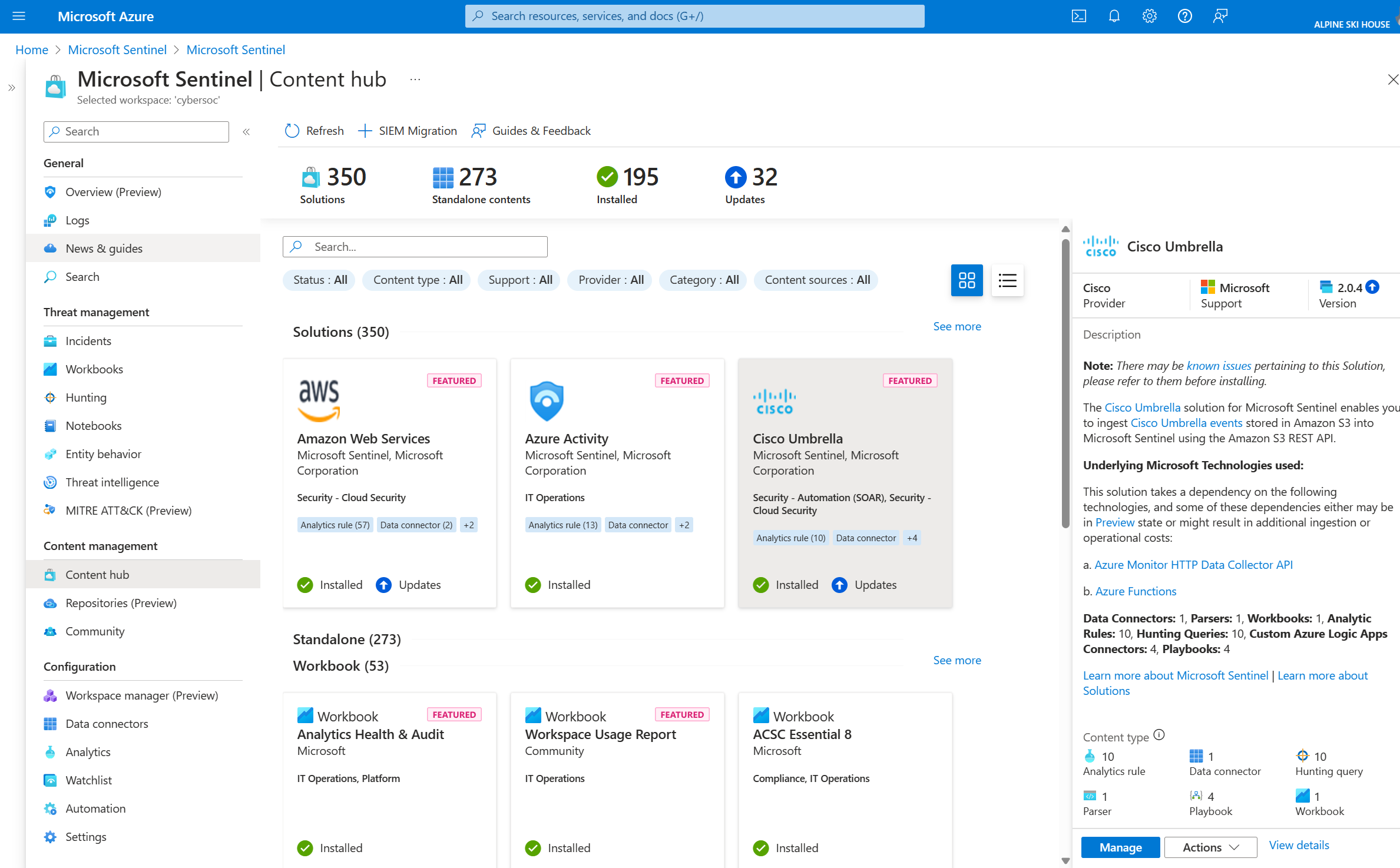
Microsoft Sentinel ist eine Cloud-native SIEM-Plattform, die Sicherheitsdaten zentralisiert und Analysen, Automatisierung und KI einsetzt, um Bedrohungen in Multi-Cloud- und Hybridumgebungen zu erkennen und darauf zu reagieren. Sie kombiniert Datenerfassung, -korrelation und -analyse mit integrierten Orchestrierungs- und Analysefunktionen und ermöglicht Sicherheitsteams so die Auswertung großer Telemetriedatenmengen und ein effizienteres Vorgehen gegen Bedrohungen.
Allgemeine Merkmale:
- Cloud-native SIEM-Plattform: Bietet ein zentralisiertes, cloudbasiertes System für Sicherheitsoperationen, das SIEM-, SOAR, UEBA- und Threat-Intelligence-Funktionen integriert.
- Data Lake und zentralisierter Speicher: Aggregiert und speichert große Mengen an Sicherheitsdaten in einem skalierbaren Data Lake zur Unterstützung von Analysen und Erkennung.
- Unternehmensweite Transparenz: Nutzt eine breite Palette von Konnektoren, um Daten aus Cloud-, On-Premise- und Drittanbietersystemen zu erfassen.
- KI-gestützte Erkennung und Untersuchung: Wendet maschinelles Lernen und KI an, um Ereignisse zu korrelieren, Fehlalarme zu reduzieren und Untersuchungen zu beschleunigen.
- Native XDR Integration: Integriert sich in erweiterte Erkennungs- und Reaktionssysteme, um Transparenz und Reaktion über alle Sicherheitsebenen hinweg zu vereinheitlichen.
- Automatisierung und Orchestrierung: Unterstützt automatisierte Arbeitsabläufe und Reaktionsmaßnahmen, um Sicherheitsoperationen zu optimieren und den manuellen Aufwand zu reduzieren.
Funktionen zur Bedrohungsaufklärung:
- Integration von Bedrohungsdaten: Umfasst Bedrohungsdaten von Microsoft und externen Quellen, einschließlich der Unterstützung von Standards wie STIX/TAXII.
- Erweiterter Bedrohungskontext: Kombiniert Bedrohungssignale mit Analysen und graphenbasiertem Kontext, um die Genauigkeit der Erkennung und Untersuchung zu verbessern.
- Bedrohungssignalkorrelation: Verknüpft externe Informationen mit internen Telemetriedaten, um relevante Bedrohungen in der Umgebung zu identifizieren.
- KI-gestützte Erkenntnisse: Verbessert die Bedrohungsanalyse durch KI, um Warnmeldungen zu priorisieren und Gegenmaßnahmen zu steuern.

Source: Microsoft
3. Splunk Enterprise Security

Splunk Enterprise Security ist eine SIEM-Plattform, die Bedrohungserkennung, -untersuchung und -abwehr durch die Kombination von Protokollanalyse mit Bedrohungsdaten und Verhaltensanalyse unterstützt. Sie ermöglicht es Unternehmen, externe Daten zu integrieren und mit internen Ereignissen zu korrelieren, wodurch Analysten bekannte Bedrohungen identifizieren und Untersuchungen mit zusätzlichem Kontext anreichern können.
Allgemeine Merkmale:
- Sicherheitsüberwachung und -analyse: Sammelt und analysiert Protokoll- und Ereignisdaten, um verdächtige Aktivitäten systemübergreifend zu erkennen.
- Risikobasierte Alarmierung: Priorisiert Warnmeldungen anhand einer Risikobewertung, um sich auf die wichtigsten Bedrohungen zu konzentrieren.
- Arbeitsabläufe bei Ermittlungen: Bietet Werkzeuge zur Verwaltung von Ergebnissen, Beobachtungen und Ermittlungen über eine zentrale Schnittstelle.
- Automatisierung mit Playbooks: Unterstützt automatisierte Reaktionsaktionen durch vordefinierte Arbeitsabläufe.
- Verhaltensanalyse: Nutzt Analysen, um Anomalien und Muster zu erkennen, die auf Bedrohungen hinweisen könnten.
Funktionen zur Bedrohungsaufklärung:
- Integration von Bedrohungsdaten: Integriert Bedrohungsdaten aus externen Quellen zur Analyse in die Plattform.
- Bedrohungskorrelation: Gleicht Bedrohungsindikatoren mit internen Ereignisdaten ab, um bekannte schädliche Aktivitäten zu identifizieren.
- Ermittlungsanreicherung: Verbessert die Ermittlungen durch Hinzufügen von Kontextinformationen aus der Bedrohungsanalyse zu den beobachteten Entitäten.
- Frameworks für Bedrohungsanalysen: Nutzen sowohl lokale als auch Cloud-basierte Systeme zur Verwaltung und Speicherung von Analysedaten.
- Unterstützung mehrerer Informationsquellen: Ermöglicht die Konfiguration von Open-Source- und kommerziellen Bedrohungsdatenfeeds.
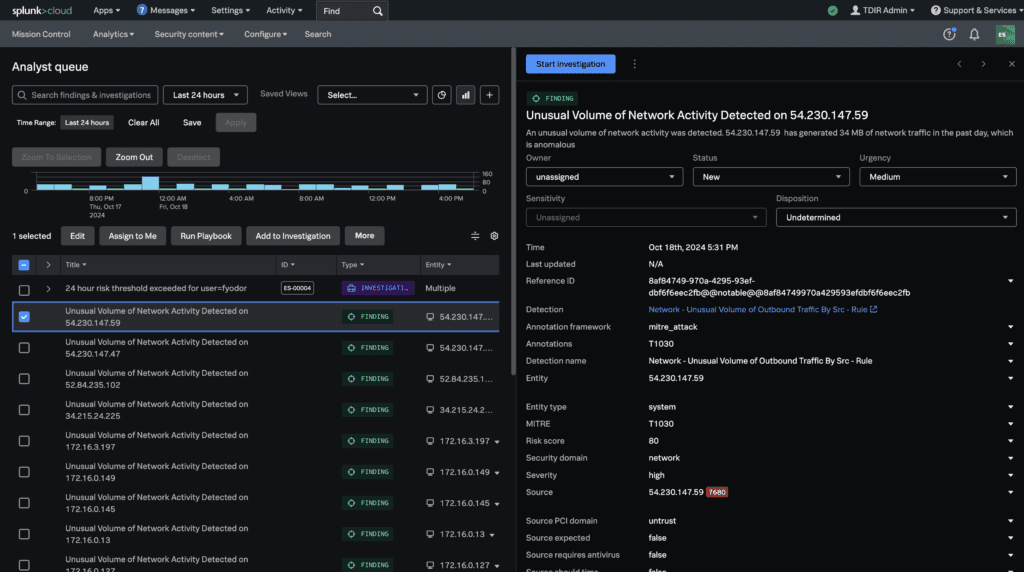
Source: Splunk
Verwandte Inhalte: Lesen Sie unseren Leitfaden zu Tools für Bedrohungsanalysen.
Bemerkenswerte Anbieter dedizierter Bedrohungsintelligenz
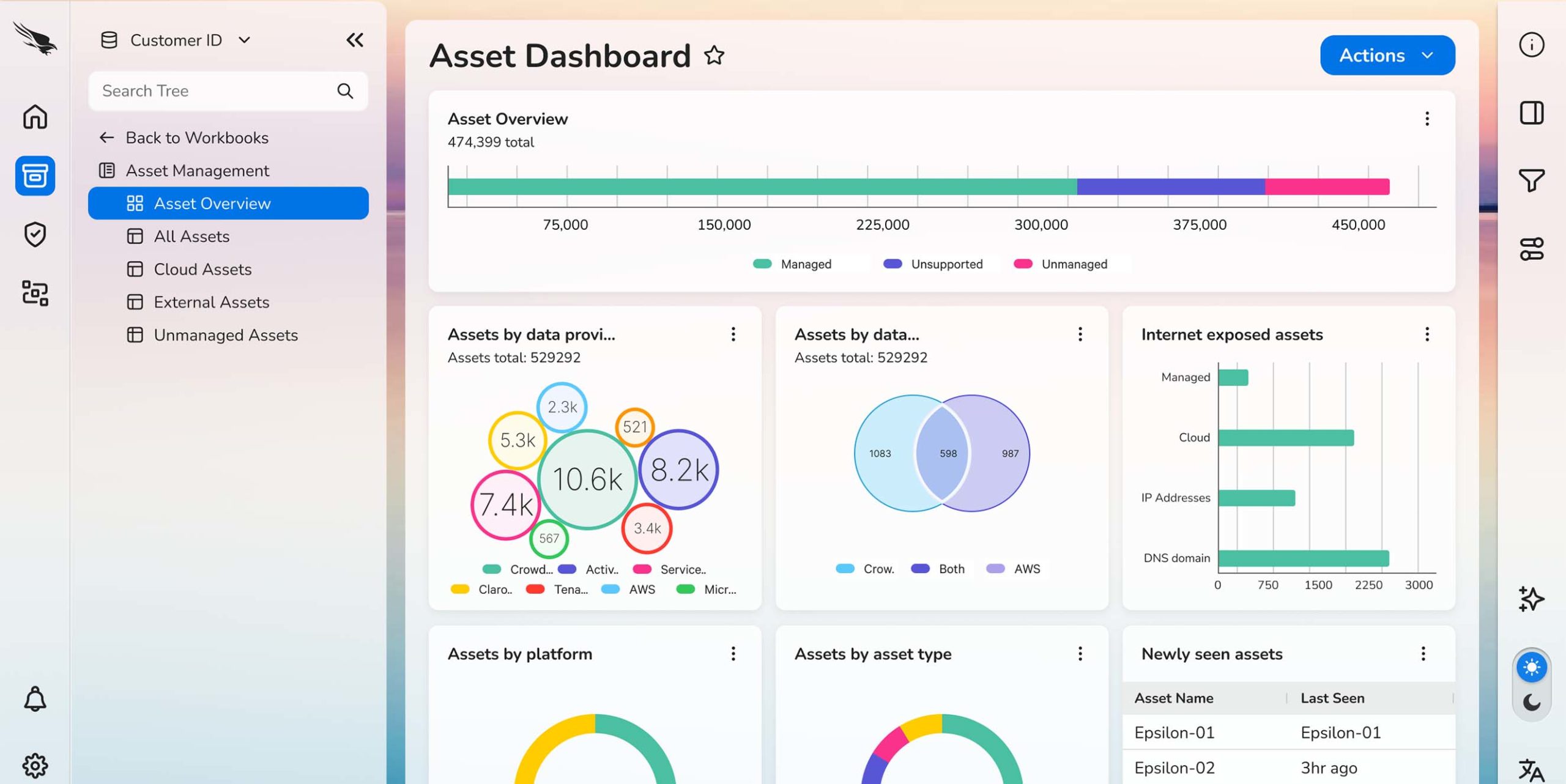
4. CrowdStrike Falcon X

CrowdStrike Falcon X ist eine in den Endpoint-Schutz integrierte Funktion zur Bedrohungsanalyse, die die Analyse automatisiert und die gewonnenen Informationen direkt mit den Aktivitäten auf den Endgeräten verknüpft. Sie kombiniert Malware-Analyse, Informationsanreicherung und automatisierte Untersuchung, um Kontextinformationen zu Angriffen bereitzustellen, einschließlich Zuordnung und Angreiferverhalten, und so eine schnellere und fundiertere Reaktion zu ermöglichen.
Zu den wichtigsten Funktionen gehören:
- Automatisierte Bedrohungsanalyse: Führt eine End-to-End-Analyse der auf Endpunkten erkannten Bedrohungen durch und reduziert so den manuellen Aufwand und die Reaktionszeit.
- Integrierte Endpunktintelligenz: Bindet Bedrohungsinformationen direkt in die Workflows zur Endpunkterkennung ein, um einen sofortigen Kontext zu gewährleisten.
- Generierung benutzerdefinierter Indikatoren: Erzeugt maßgeschneiderte IOCs auf Basis beobachteter Bedrohungen, einschließlich zugehöriger Malware und Kampagnen.
- Malware-Analyse und -Anreicherung: Analysiert Malware-Proben und reichert die Ergebnisse mit Informationen aus großen Datensätzen an.
- Angriffskontext und Zuordnung: Bietet Einblicke in die Personen hinter einem Angriff sowie deren Werkzeuge und Methoden.
- Lageberichtswesen: Erstellt Berichte und Warnmeldungen zur Unterstützung der Entscheidungsfindung und Reaktionsplanung.

Source: CrowdStrike
5. Aufgezeichnete Zukunft

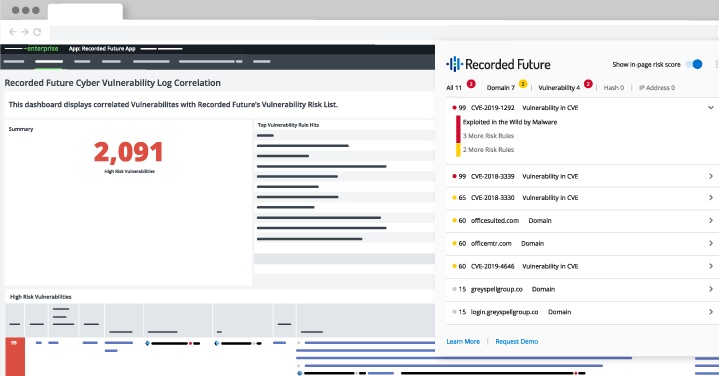
Recorded Future liefert Bedrohungsanalysen durch die Aggregation und Analyse von Daten aus verschiedenen Quellen, darunter das offene Web, das Darknet, technische Feeds und interne Telemetriedaten. Die Plattform nutzt einen Intelligenzgraphen, um diese Daten in Echtzeit zu verknüpfen und zu verarbeiten. So können Sicherheitsteams Zusammenhänge zwischen Bedrohungen erkennen und Risiken priorisieren.
Zu den wichtigsten Funktionen gehören:
- Echtzeit-Informationsaggregation: Sammelt und verarbeitet Daten aus einer Vielzahl externer und interner Quellen, um die aktuelle Bedrohungslage transparent zu halten.
- Analyse von Geheimdienstgraphen: Verknüpft und analysiert Datenpunkte, um Beziehungen zwischen Bedrohungen, Akteuren und Indikatoren zu identifizieren.
- Risikopriorisierung: Hilft Teams, sich auf die relevantesten Bedrohungen zu konzentrieren, indem Informationen mit dem organisatorischen Kontext verknüpft werden.
- Integration mit Sicherheitstools: Verbindet sich mit bestehenden Systemen und Arbeitsabläufen, um die operative Nutzung von Informationen zu unterstützen.
- Umfassende Informationsabdeckung: Beinhaltet mehrere Bereiche wie Schwachstellen, Angriffsfläche, Identität und Drittparteienrisiken.
- KI-gestützte Erkenntnisse: Ermöglicht automatisierte Analysen zur Erkennung von Mustern und unterstützt schnellere Ermittlungen und Reaktionen.

Quelle: Recorded Future
6. Google Cloud Mandiant (ehemals FireEye)

Mandiant bietet Bedrohungsanalysen und Incident-Response-Lösungen auf Basis langjähriger Erfahrung in der Untersuchung realer Angriffe. Der Ansatz kombiniert Expertenanalysen, individuelle Recherchen und operative Unterstützung, um Unternehmen zu helfen, das Verhalten von Angreifern zu verstehen und ihre Abwehr zu stärken. Im Fokus steht die Umsetzung von Bedrohungsanalysen in konkrete Handlungsempfehlungen und deren Integration in Sicherheitsoperationen und Risikomanagement.
Zu den wichtigsten Funktionen gehören:
- Bedrohungsanalyse direkt vor Ort: Basierend auf der Untersuchung realer Vorfälle, um das Verhalten und die Techniken von Angreifern zu verstehen.
- Expertise im Bereich der Reaktion auf Sicherheitsvorfälle: Unterstützt Erkennung, Eindämmung und Wiederherstellung durch erfahrene Spezialisten.
- Maßgeschneiderte Erkenntnisse und Recherchen: Bietet Analysen, die auf das Umfeld und die Bedrohungslandschaft einer Organisation abgestimmt sind.
- Eingebettete Expertise: Ermöglicht die Integration von Experten in interne Teams zur operativen Unterstützung und zum Wissenstransfer.
- Sicherheitsbewertung und -tests: Nutzt Angreifersimulationen, um Schwachstellen in den Verteidigungsanlagen zu identifizieren.
- Operationalisierung von Erkenntnissen: Hilft dabei, Bedrohungsanalysen in Entscheidungsprozesse, Risikomanagement und Sicherheitsstrategien einfließen zu lassen.

Source: Mandiant
7. MISP

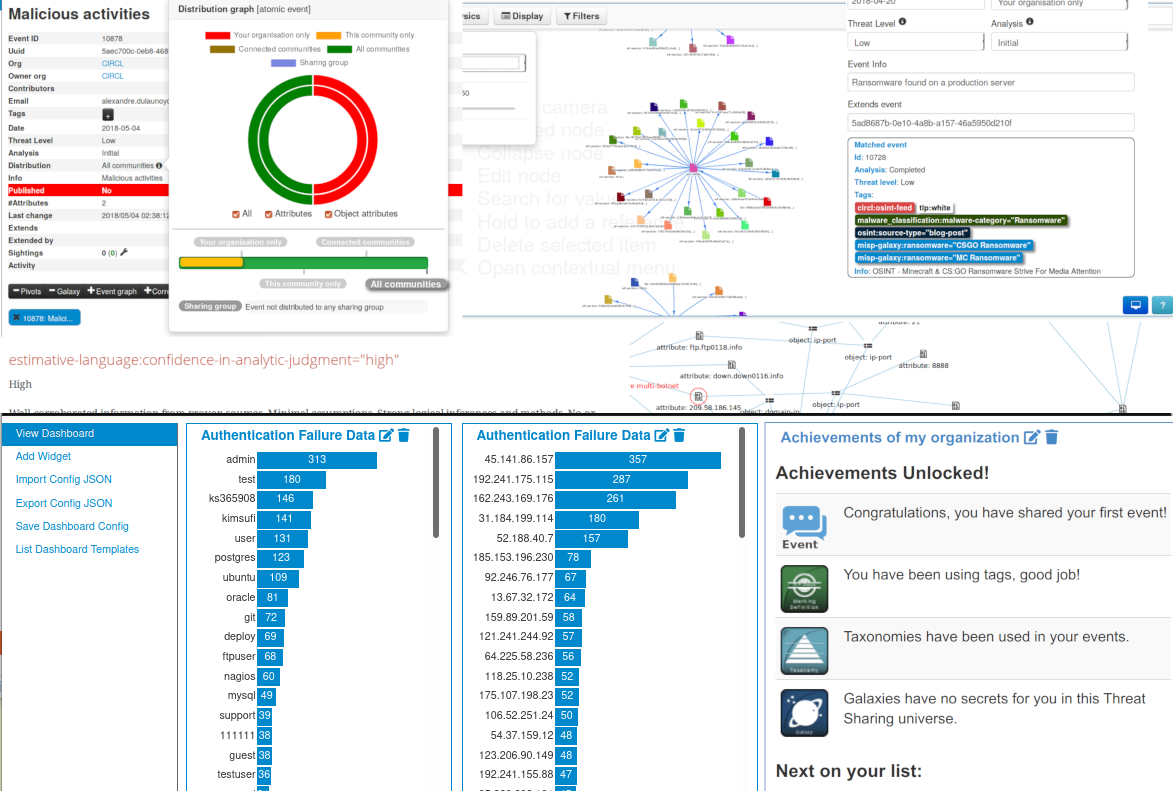
MISP ist eine Open-Source-Plattform zum Sammeln, Teilen und Analysieren von Bedrohungsdaten. Sie ermöglicht es Organisationen, strukturierte Daten zu verwalten, mit vertrauenswürdigen Communities zusammenzuarbeiten und die Verteilung und Nutzung von Indikatoren in Sicherheitssystemen zu automatisieren.
Zu den wichtigsten Funktionen gehören:
- Zentralisiertes Nachrichtenmanagement: Speichert und organisiert Indikatoren, Ereignisse und kontextbezogene Bedrohungsdaten in einem strukturierten Format.
- Automatisierte Korrelations-Engine: Ermittelt Zusammenhänge zwischen Indikatoren, Kampagnen und Bedrohungsakteuren mithilfe mehrerer Abgleichverfahren.
- Gemeinsame Freigabe: Unterstützt den sicheren Informationsaustausch zwischen Organisationen mit differenzierten Zugriffskontrollen.
- Flexibles Datenmodell: Verarbeitet einfache Indikatoren und komplexe Bedrohungsobjekte mit kontextbezogenen Metadaten.
- Umfangreiche Integrationsunterstützung: Bietet APIs und unterstützt Formate wie STIX und OpenIOC für Interoperabilität.
- Automatisierung und Arbeitsabläufe: Ermöglicht automatisierte Datenverarbeitungs-, Analyse- und Verteilungspipelines.

Source: MISP
Abschluss
Anbieter von Threat Intelligence spielen eine entscheidende Rolle in modernen Cybersicherheitsstrategien, indem sie umsetzbare Erkenntnisse aus verschiedenen Datenquellen liefern. Ob über kommerzielle Plattformen, Open-Source-Tools oder staatlich geförderte Initiativen – diese Anbieter verbessern die Fähigkeit von Unternehmen, Bedrohungen zu antizipieren, zu erkennen und darauf zu reagieren. Ihre Services – von Überwachung und Vorfallreaktion über Schwachstellenmanagement bis hin zu Echtzeit-Warnungen – ermöglichen kontinuierliches Bedrohungsbewusstsein und fundierte Entscheidungen.
Mehr über Exabeam erfahren
Vertiefen Sie Ihr Wissen mit Webinaren, Leitfäden und Analystenberichten.
-
 Der Blog
Warum das Risiko durch Maschinengeschwindigkeit ein KI-gestütztes SOC erfordert
- Mehr anzeigen