


Die besten Tools Bedrohungsintelligenz: Top 10 Anbieter im Jahr 2026
- 9 minutes to read
Inhaltsverzeichnis
Was sind Bedrohungsintelligenz Tools?
Threat-Intelligence-Tools sind Softwareanwendungen und Plattformen, die Unternehmen dabei unterstützen, Informationen über Cybersicherheitsbedrohungen zu sammeln, zu analysieren und darauf zu reagieren. Diese Tools verbessern die Sicherheit, indem sie Einblicke in potenzielle Schwachstellen, Angriffsmethoden und Bedrohungsakteure liefern und so proaktive Verteidigungsstrategien ermöglichen (Verwandter Inhalt: Lesen Sie unseren Leitfaden zu Threat Hunting vs. Threat Intelligence).
Es gibt drei Haupttypen von Bedrohungsinformationen:
- Taktische Bedrohungsinformationen: Konzentriert sich auf spezifische, unmittelbare Bedrohungen und Indikatoren für eine Gefährdung (IOCs).
- Operative Bedrohungsinformationen: Bietet Kontextinformationen zu Bedrohungsakteuren und ihren Taktiken, Techniken und Verfahren (TTPs).
- Strategische Bedrohungsinformationen: Analysiert langfristige Trends und Muster, um allgemeine Sicherheitsstrategien und Investitionen zu entwickeln.
Zu den wichtigsten Funktionen und Vorteilen von Threat Intelligence-Tools gehören:
- Bedrohungserkennung und -analyse: Threat Intelligence-Tools helfen bei der Identifizierung und Analyse verschiedener Bedrohungen, darunter Malware, Phishing-Angriffe und andere böswillige Aktivitäten.
- Schwachstellenmanagement: Sie liefern Informationen zu bekannten Schwachstellen und ermöglichen es Unternehmen, Sicherheitslücken zu priorisieren und zu beheben.
- Reaktion auf Vorfälle: Durch die Bereitstellung von Kontext und Anleitungen zur Behebung helfen diese Tools dabei, effektiv auf Sicherheitsvorfälle zu reagieren.
- Integration mit Sicherheitssystemen: Threat-Intelligence-Tools lassen sich in vorhandene Sicherheitssysteme wie SIEMs und Sicherheitstesttools integrieren, um die allgemeinen Erkennungs- und Reaktionsmöglichkeiten zu verbessern.
- Proaktive Sicherheitshaltung: Indem diese Tools Einblicke in neu auftretende Bedrohungen und Angriffsmuster bieten, ermöglichen sie Unternehmen die Einführung eines proaktiven Sicherheitsansatzes.
Dies ist Teil einer Artikelserie zum Thema Cyber-Bedrohungsinformationen.
Marktgröße und Prognose
Entsprechend aktuelle Marktforschung Der globale Markt für Bedrohungsanalysen wird auf 6,87 Milliarden US-Dollar geschätzt und soll bis 2034 auf 31,58 Milliarden US-Dollar anwachsen, was einer durchschnittlichen jährlichen Wachstumsrate (CAGR) von 18,30 % entspricht. Nordamerika entspricht 44,70 % des globalen Marktanteils.
Threat-Intelligence-Plattformen zentralisieren und aggregieren Daten aus verschiedenen Quellen. Sie sammeln, verarbeiten und analysieren Bedrohungsdaten und stellen diese anschließend in einem nutzbaren Format dar. Diese Plattformen unterstützen strukturierte Cyber-Threat-Intelligence-Programme (CTI), die dazu beitragen, Datenschutzverletzungen zu verhindern und das Risiko der Offenlegung sensibler Daten zu reduzieren.
Wachstumstreiber: Zunehmende Cyberangriffe und digitale Expansion
Zu den wichtigsten Wachstumstreibern in diesem Markt gehören:
- Die Cyberkriminalität nimmt weltweit weiter zu. Der Trend zum Homeoffice hat die Angriffsfläche vergrößert und die Sicherheitsbedenken von Unternehmen verstärkt.
- Weltweit wird durchschnittlich alle zehn Sekunden ein neues Unternehmen Opfer von Ransomware. Mehrere große Organisationen waren in den letzten Jahren von schwerwiegenden Cyberangriffen betroffen, was das Ausmaß des Problems verdeutlicht.
- Die zunehmende Verbreitung von Cloud Computing und verteilten Netzwerken hat die Komplexität weiter erhöht. Lösungen zur Bedrohungsanalyse bieten Echtzeit-Einblicke in Angriffe und globale Bedrohungsdaten. Daher setzen immer mehr Unternehmen auf diese Lösungen.
- Laut einer Studie von Tanium zum Thema Endpoint-Sicherheit nutzen 75 % der Unternehmen Bedrohungsdaten regelmäßig und fortlaufend. Diese zunehmende Verbreitung trägt direkt zum Marktwachstum bei.
Highlights der Marktsegmentierung
Nach Komponente:
- Das Segment der Lösungen macht über 53,85 % des Marktanteils aus. Zu diesen Lösungen gehören SIEM, Schwachstellenmanagement, Protokollverwaltung, Vorfallsforensik, Identitäts- und Zugriffsmanagement, Risiko- und Compliance-Management sowie Verhaltensanalysen für Benutzer.
- Bei Dienstleistungen, einschließlich Managed Services und professionellen Dienstleistungen, wird aufgrund der steigenden Nachfrage nach Expertenunterstützung und fortschrittlichem Bedrohungsmanagement mit der höchsten durchschnittlichen jährlichen Wachstumsrate (CAGR) gerechnet.
Nach Typ:
- Das operative Segment hat den größten Anteil (35,05 %). Es liefert Informationen über spezifische Angriffe, die Identität der Angreifer, ihre Fähigkeiten und den Zeitpunkt.
- Dem taktischen Segment wird das höchste jährliche Wachstum prognostiziert, da es Sicherheitsteams dabei hilft, die Werkzeuge und Techniken von Angreifern zu verstehen und Angriffe zu verhindern.
Nach Bereitstellung:
- Cloudbasierte Bereitstellungen dominierten den Markt mit einem Anteil von 65,67 %. Die Cloud-Integration ermöglicht es Unternehmen, globale Bedrohungsdaten zu nutzen und die Angriffsfläche zu verringern.
- Es wird erwartet, dass die Bereitstellung vor Ort im Prognosezeitraum ebenfalls stetig zunehmen wird.
Arten von Bedrohungsintelligenz
Taktische Bedrohungsintelligenz
Taktische Bedrohungsinformationen konzentrieren sich auf unmittelbare, verwertbare Daten, die direkt für Verteidigungsmaßnahmen genutzt werden können. Dazu gehören IOCs wie bösartige IP-Adressen, URLs, Datei-Hashes und spezifische Malware-Signaturen. Sicherheitsteams nutzen diese Informationen, um Firewalls, Intrusion Detection Systems und Endpunktschutz zu konfigurieren und bekannte Bedrohungen in Echtzeit zu blockieren.
Operative Bedrohungsintelligenz
Operative Bedrohungsinformationen liefern Kontextinformationen zu laufenden Bedrohungskampagnen und den von Bedrohungsakteuren verwendeten Taktiken, Techniken und Verfahren (TTPs). Sie helfen Unternehmen zu verstehen, wie Angriffe ausgeführt werden, welche Tools Angreifer verwenden und welche Schwachstellen sie angreifen. Diese Informationen unterstützen die Optimierung von Erkennungsregeln und verbessern Playbooks zur Reaktion auf Vorfälle.
Strategische Bedrohungsintelligenz
Strategische Bedrohungsinformationen konzentrieren sich auf allgemeine Trends, die Motivationen der Bedrohungsakteure sowie geopolitische oder branchenspezifische Risiken. Sie richten sich an Entscheidungsträger in Führungspositionen und dienen der Entscheidungsfindung für langfristige Sicherheitsinvestitionen, Risikomanagementstrategien und die Entwicklung von Richtlinien. Strategische Informationen werden häufig in Form von Berichten bereitgestellt, die Bedrohungsakteursgruppen, neu auftretende Bedrohungen und zukünftige Angriffstrends beschreiben, die für den jeweiligen Unternehmenssektor relevant sind.
Verwandte Inhalte: Lesen Sie unseren Leitfaden zu Threat-Intelligence-Software.
Hauptfunktionen und Vorteile von Bedrohungsintelligenz Tools
Bedrohungserkennung und -analyse
Tools zur Bedrohungserkennung und -analyse sammeln und untersuchen Daten aus verschiedenen Quellen wie Netzwerkverkehr, Protokollen, Endpunkten und externen Bedrohungs-Feeds. Sie identifizieren Indikatoren für Kompromittierungen (IOCs) wie verdächtige IP-Adressen, bösartige Domänen und Malware-Signaturen.
Erweiterte Analysen und maschinelles Lernen helfen dabei, ungewöhnliche Muster zu erkennen, die auf potenzielle Angriffe hinweisen können. Diese frühzeitige Erkennung ermöglicht es Unternehmen, rechtzeitig vorbeugende oder korrigierende Maßnahmen zu ergreifen, um Risiken zu minimieren.
Schwachstellenmanagement
Threat-Intelligence-Tools unterstützen das Schwachstellenmanagement, indem sie externe Bedrohungsdaten mit internen Asset-Informationen korrelieren. Sie liefern Details zu bekannten Schwachstellen, einschließlich CVE-Kennungen, Exploit-Verfügbarkeit und aktiven Bedrohungskampagnen, die auf bestimmte Schwachstellen abzielen.
Durch die Kontextualisierung von Schwachstellen mithilfe von Bedrohungsinformationen können Unternehmen Patches basierend auf dem tatsächlichen Risiko priorisieren, anstatt nur auf der Grundlage von Schweregraden. Dieser gezielte Ansatz verbessert die Ressourcenzuweisung und reduziert die Angriffsfläche.
Reaktion auf Vorfälle
Bei der Reaktion auf Vorfälle liefern Threat-Intelligence-Tools wertvolle Informationen zu Angreifern, ihren Taktiken und bekannten Indikatoren im Zusammenhang mit dem Vorfall. Sie helfen Sicherheitsteams, Umfang und Auswirkungen eines Angriffs schnell zu erkennen, indem sie Warnmeldungen mit Profilen der Bedrohungsakteure und Angriffsmustern anreichern.
Diese Kontextinformationen ermöglichen schnellere Entscheidungen während der Eindämmungs-, Beseitigungs- und Wiederherstellungsphasen und verkürzen letztendlich die Verweildauer der Angreifer im Netzwerk.
Integration mit Sicherheitssystemen
Threat-Intelligence-Tools lassen sich in Sicherheitsinfrastrukturen wie SIEMs, EDR-Plattformen (Endpoint Detection and Response) und Firewalls integrieren. Diese Integration ermöglicht die Erfassung und Korrelation von Threat-Intelligence-Daten mit internen Protokollen und Telemetriedaten.
Dadurch können Unternehmen die Bedrohungserkennung automatisieren, Sicherheitswarnungen mit externen Informationen anreichern und vordefinierte Reaktionsmaßnahmen über mehrere Sicherheitsebenen hinweg auslösen, um eine besser koordinierte Verteidigung zu gewährleisten.
Proaktive Sicherheitslage
Threat Intelligence-Tools liefern zeitnah Informationen über neue Bedrohungen, Angreifertaktiken und Schwachstellentrends und unterstützen Unternehmen dabei, von reaktiver zu proaktiver Sicherheit zu wechseln. Sie ermöglichen es Sicherheitsteams, potenzielle Angriffsvektoren zu antizipieren und Abwehrmaßnahmen im Voraus vorzubereiten.
Regelmäßige Bedrohungsberichte und prädiktive Analysen bieten Einblick in die sich entwickelnde Bedrohungslandschaft und ermöglichen fundierte Risikobewertungen und proaktive Minderungsmaßnahmen.
Verwandte Inhalte: Lesen Sie unseren Leitfaden zu Threat Intelligence Services (demnächst verfügbar)
Bemerkenswerte Bedrohungsintelligenz-Tools
1. Exabeam

Exabeam integriert Bedrohungsinformationen in die Security Operations Platform, um Erkennung, Untersuchung und Reaktion zu verbessern. Die Plattform korreliert Protokolle und Telemetriedaten von Endpunkten, Netzwerken, Identitätssystemen und Cloud-Umgebungen mit kuratierten Bedrohungsinformationen. Dies ermöglicht Analysten, anomales Verhalten zu erkennen, Warnmeldungen mit Kontext anzureichern und Bedrohungen aufzudecken, die bei herkömmlicher regelbasierter Erkennung möglicherweise übersehen werden.
Zu den wichtigsten Funktionen gehören:
- Integrierte Bedrohungsinformationen: Korreliert Firewall-Protokolle, Endpunktdaten und Identitätsaktivitäten mit externen Feeds, um neu auftretende Bedrohungen aufzudecken.
- Verhaltensanalyse: Legt Basiswerte für normale Benutzer- und Entitätsaktivitäten fest und hilft so, den Missbrauch von Anmeldeinformationen, Insider-Bedrohungen und laterale Bewegungen zu erkennen.
- Automatisierte Untersuchungszeitleisten: Verknüpft verwandte Ereignisse in einer einzigen Ansicht und reduziert so die Zeit, die Analysten mit der Zusammenführung von Vorfällen verbringen.
- Offenes Integrationsökosystem: Unterstützt Hunderte von Konnektoren mit SIEM-, SOAR und Sicherheitsprodukten, um die Bedrohungsinformationen im gesamten SOC zu vereinheitlichen.
- Skalierbarkeit und Geschwindigkeit: Verarbeitet Millionen von Ereignissen pro Sekunde und stellt sicher, dass Informationen im gesamten Unternehmen konsistent angewendet werden.
- Exabeam wird häufig von Organisationen ausgewählt, die die SOC-Effizienz durch die Kombination von Verhaltensanalysen mit verwertbaren Bedrohungsinformationen stärken möchten, um Störungen zu reduzieren und gleichzeitig Untersuchungen zu beschleunigen.
2. Rapid7-Bedrohungskommando

Rapid7 Threat Command ist eine Plattform zum Schutz vor digitalen Risiken, die Unternehmen dabei unterstützt, Bedrohungen ihrer externen digitalen Präsenz zu erkennen und abzuwehren. Die Plattform überwacht das Clear Web, Deep Web und Dark Web, um Risiken wie den Diebstahl von Zugangsdaten, Phishing-Kampagnen, Markenpiraterie und schädliche Aktivitäten gegen Mitarbeiter oder Kunden aufzudecken.
Zu den wichtigsten Funktionen gehören:
- Schutz vor digitalen Risiken: Identifiziert Bedrohungen, die auf die Marke, die Vermögenswerte und die Nutzer einer Organisation über verschiedene Online-Quellen hinweg abzielen.
- Überwachung des offenen, tiefen und dunklen Webs: Kontinuierliche Überwachung von Online-Umgebungen zur Erkennung neu auftretender Bedrohungen und offengelegter Informationen.
- Sanierung und Entfernung: Unterstützt Arbeitsabläufe zur Entfernung schädlicher Domains, Phishing-Seiten oder anderer schädlicher Online-Inhalte.
- Untersuchung und Bedrohungskartierung: Erfasst den digitalen Fußabdruck einer Organisation und korreliert Bedrohungsinformationen, um potenzielle Angriffsvektoren zu identifizieren.
- IOC-Management und -Anreicherung: Bietet Indikatorenmanagement und -anreicherung zur Unterstützung von Bedrohungsanalyse- und Reaktionsmaßnahmen.

Source: Rapid7
3. Tenable Security Center

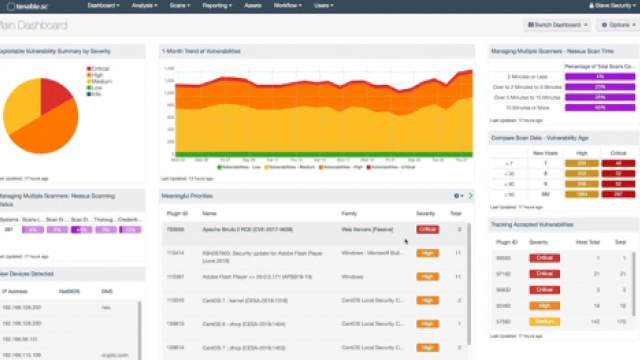
Tenable Security Center ist eine lokale Plattform für das Schwachstellenmanagement, die Unternehmen dabei unterstützt, Sicherheitslücken in ihren IT- und Betriebstechnologieumgebungen zu identifizieren, zu analysieren und zu beheben. Die Plattform aggregiert Schwachstellendaten, Anlageninformationen und Bedrohungsdaten, um Transparenz über die Cybergefährdung im gesamten Netzwerk zu gewährleisten.
Zu den wichtigsten Funktionen gehören:
- Aktives Schwachstellen-Scanning: Nutzt Nessus-Scanner, -Agenten und passive Überwachung, um Schwachstellen in den Netzwerkressourcen zu erkennen.
- Risikobasierte Priorisierung: Nutzt prädiktive Priorisierung und kontextbezogene Bedrohungsanalysen, um Schwachstellen mit dem höchsten Risiko zu identifizieren.
- Asset-Transparenz: Erkennt und überwacht Assets im gesamten Netzwerk, um bisher unbekannte Systeme oder Verhaltensänderungen zu identifizieren.
- Benutzerdefinierte Dashboards und Berichte: Bietet anpassbare Dashboards, Workflows und Berichte für die Sicherheitsüberwachung und Compliance-Analyse.
- Integration und API-Zugriff: Unterstützt Integrationen und Datenaustausch über APIs zur Interoperabilität mit anderen Sicherheitstools.

Source: Tenable
4. MISP

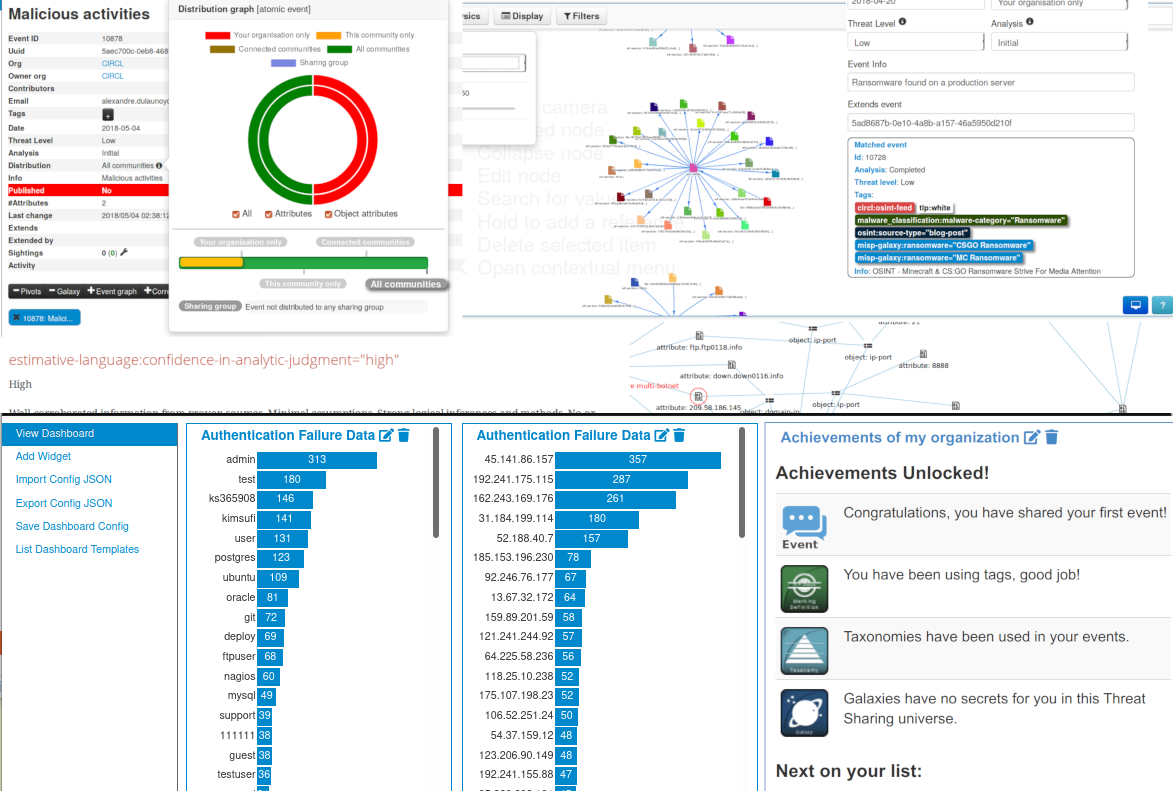
MISP (Malware Information Sharing Platform & Threat Sharing) ist eine Open-Source-Plattform für Bedrohungsanalysen, die das Sammeln, Speichern, Analysieren und Teilen von Informationen zu Cyberbedrohungen ermöglicht. Sie erlaubt es Organisationen, Indikatoren für Kompromittierungen und andere Bedrohungsdaten strukturiert zu verwalten und mit vertrauenswürdigen Communities oder Partnern zu teilen. Die Plattform unterstützt die kollaborative Bedrohungsanalyse und den automatisierten Informationsaustausch zwischen Sicherheitsteams und Organisationen.
Zu den wichtigsten Funktionen gehören:
- Strukturierte Speicherung von Bedrohungsdaten: Speichert Indikatoren, Malware-Daten und Bedrohungsattribute in einem strukturierten Format zur Analyse.
- Informationsaustausch über Bedrohungen: Ermöglicht es Organisationen, Informationen mit vertrauenswürdigen Partnern oder Gemeinschaften auszutauschen.
- Automatisierte Korrelation: Ermittelt Zusammenhänge zwischen Indikatoren und Bedrohungsattributen zur Unterstützung der Bedrohungsanalyse.
- Visualisierungsfunktionen: Bietet Dashboards und visuelle Tools, die Analysten helfen, Zusammenhänge zwischen Bedrohungsdaten zu verstehen.
- Automatisierung und Integrationen: Unterstützt die Automatisierung und Integration mit anderen Tools durch offene Standards und APIs.

Source: MISP
5. CrowdStrike Falcon X Gegner-Intelligenz

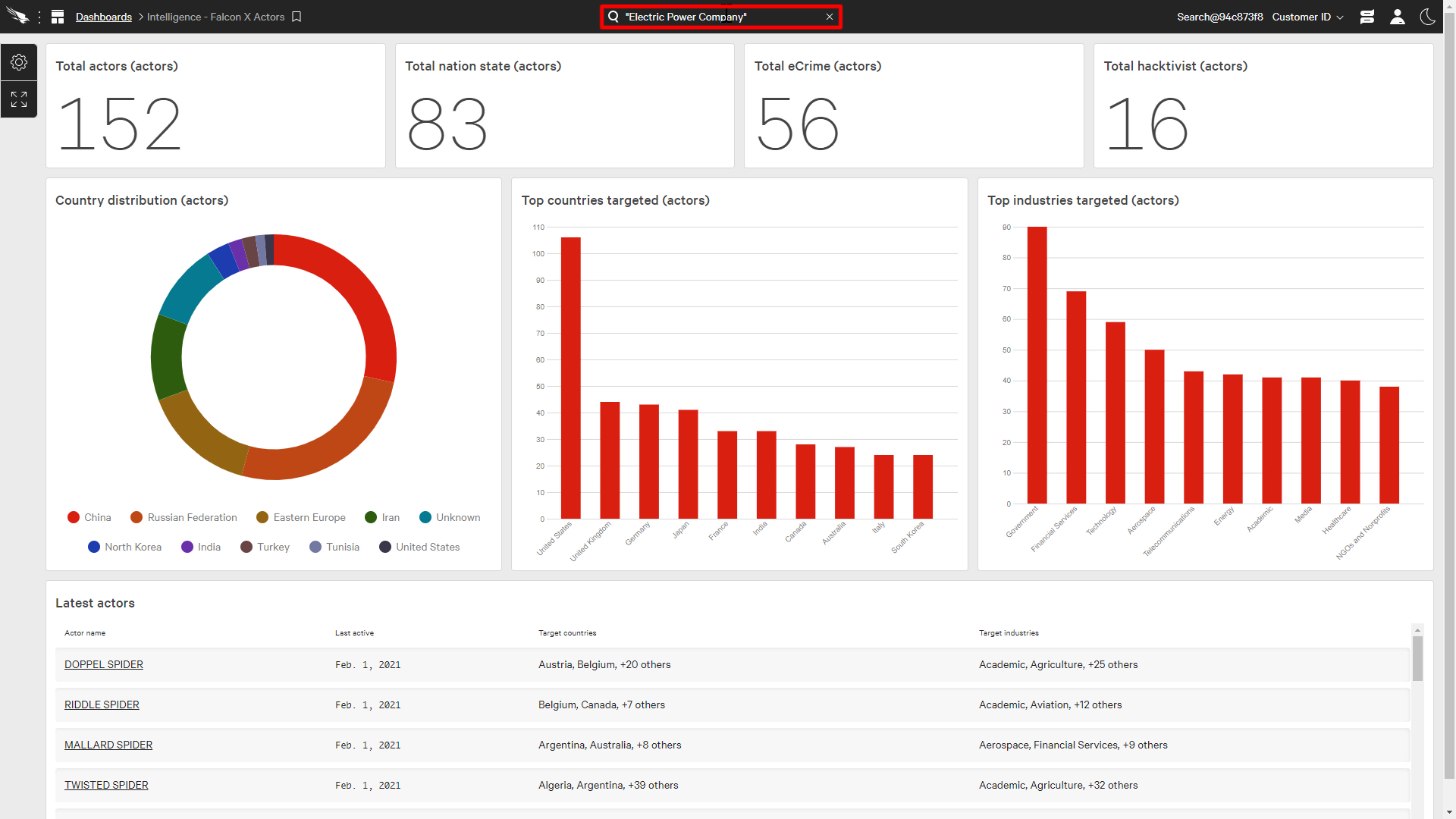
CrowdStrike Falcon Adversary Intelligence liefert Bedrohungsanalysen mit Fokus auf Angreifergruppen, Angriffskampagnen und Malware-Aktivitäten. Die Plattform stellt auf die jeweilige Unternehmensumgebung und Branche zugeschnittene Informationen bereit und ermöglicht Sicherheitsteams so, relevante Bedrohungen zu erkennen und schneller zu reagieren. Sie ist in die umfassendere Falcon-Plattform integriert und unterstützt automatisierte Arbeitsabläufe sowie datengestützte Untersuchungen.
Zu den wichtigsten Funktionen gehören:
- Informationen über Bedrohungsakteure: Bietet Profile und Analysen von Gegnergruppen, einschließlich ihrer Fähigkeiten, Taktiken und bisherigen Aktivitäten.
- Personalisierte Bedrohungsanalyse: Liefert auf die Branche, Infrastruktur und Risikoexposition einer Organisation zugeschnittene Informationen.
- Einheitlicher Intelligence-Arbeitsbereich: Bietet Werkzeuge zur Untersuchung von Zusammenhängen zwischen Angreifern, Malware, Schwachstellen und Angriffstechniken.
- Überwachung des Darknets und des Untergrunds: Verfolgt Aktivitäten in kriminellen Ökosystemen, um Bedrohungen für Organisationen zu identifizieren.
- Automatisierung und Integration: Integriert sich in Sicherheitstools und Arbeitsabläufe, um Indikatoren zu verteilen und automatisierte Reaktionen auszulösen.

Source: CrowdStrike
6. Bedrohungsverbindung

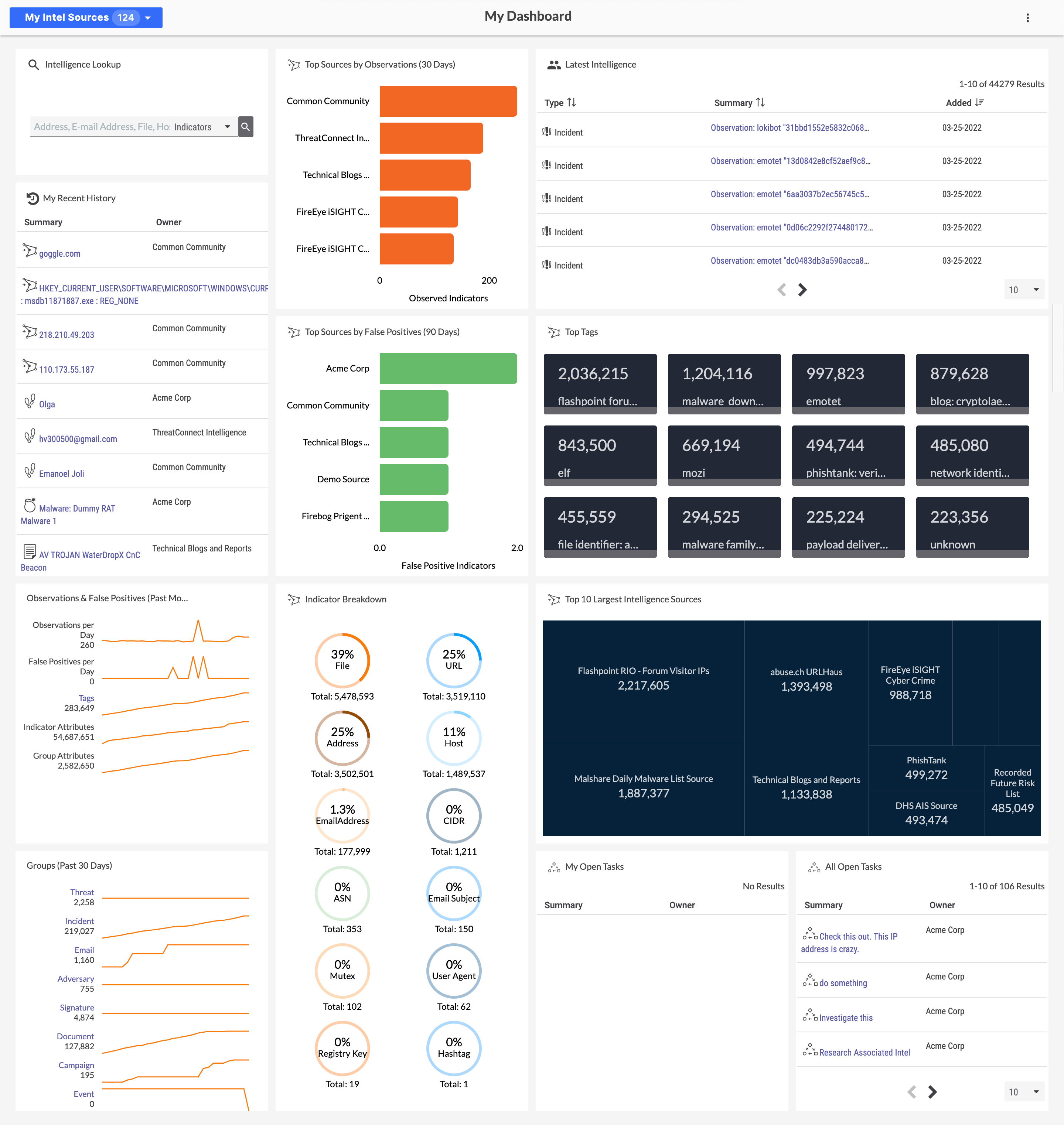
ThreatConnect ist eine Plattform für Bedrohungsanalysen, die Unternehmen dabei unterstützt, Cyber-Bedrohungsinformationen operativ zu nutzen und in Sicherheitsoperationen und Risikomanagementprozesse zu integrieren. Sie zentralisiert Bedrohungsinformationen aus verschiedenen Quellen und ermöglicht es Teams, diese zu analysieren, zu korrelieren und in Entscheidungsprozessen anzuwenden.
Zu den wichtigsten Funktionen gehören:
- Operationalisierte Bedrohungsanalyse: Integriert Bedrohungsanalysen direkt in Sicherheitsoperationen und Verteidigungsprozesse.
- Föderierte Suche und Korrelation: Ermöglicht Analysten die Suche und Korrelation von Informationen über mehrere Datenquellen hinweg.
- Einheitliches Bedrohungsanalysemanagement: Zentralisiert Informationen aus Open-Source-, kommerziellen und internen Quellen.
- Quantifizierung von Cyberrisiken: Hilft Organisationen dabei, Cyberrisiken in finanziellen Kennzahlen zu messen, um strategische Entscheidungen zu unterstützen.
- Unterstützung von Zusammenarbeit und Arbeitsabläufen: Bietet Tools für Arbeitsabläufe und Fallmanagement zur Unterstützung des Informationsaustauschs und der Analyse.

Source: ThreatConnect
7. Anomali ThreatStream

Anomali ThreatStream ist eine Plattform für Bedrohungsanalysen, die Bedrohungsdaten sammelt, aufbereitet und in Sicherheitsoperationen einsetzt. Die Plattform aggregiert Informationen aus verschiedenen Quellen und reichert Sicherheitstelemetrie, Warnmeldungen und Ereignisse mit kontextbezogenen Bedrohungsdaten an. Durch die operative Anwendung von Bedrohungsdaten in Erkennungs- und Untersuchungsprozessen unterstützt sie Sicherheitsteams bei der Priorisierung von Bedrohungen und der Beschleunigung der Reaktion.
Zu den wichtigsten Funktionen gehören:
- Kuratierte Bedrohungsanalysen: Aggregiert und bewertet Indikatoren aus verschiedenen globalen Nachrichtendienstquellen.
- Operative Intelligenzanreicherung: Bereichert Sicherheitstelemetrie, Warnmeldungen und Protokolle mit kontextbezogenen Bedrohungsinformationen.
- Kontextbezogene Bedrohungspriorisierung: Bietet eine auf Erkenntnissen basierende Priorisierung, um Analysten dabei zu helfen, sich auf relevante Bedrohungen zu konzentrieren.
- Automatisierungsbereite Intelligence-Ausgaben: Liefert Intelligence, die für die Integration in automatisierte Sicherheits-Workflows konzipiert ist.
- Unterstützung des gesamten Lebenszyklus von Bedrohungsanalysen: Sammelt, kontextualisiert und verteilt Informationen über Erkennungs- und Reaktionsverfahren hinweg.

Source: Anomali
8. Aufgezeichnete Zukunft

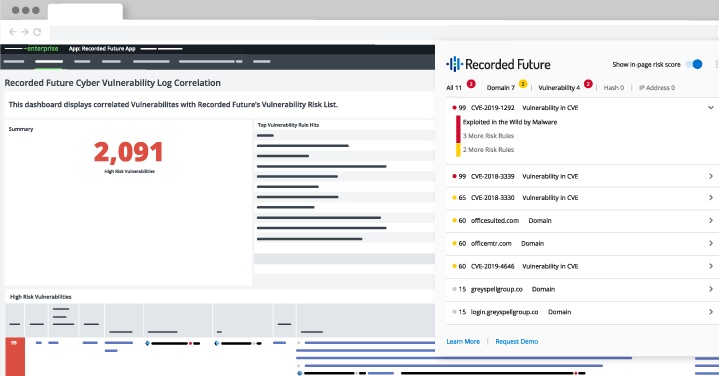
Recorded Future ist eine Plattform für Bedrohungsanalysen, die kontextbezogene Einblicke in Cyberbedrohungen, Schwachstellen und Bedrohungsakteure bietet. Sie sammelt Informationen aus verschiedenen Quellen im Internet und kombiniert maschinelles Lernen mit menschlicher Recherche, um priorisierte Informationen bereitzustellen. Die Plattform unterstützt Unternehmen dabei, relevante Risiken zu identifizieren und die umfassendere Bedrohungslandschaft, die ihr Umfeld beeinflusst, zu verstehen.
Zu den wichtigsten Funktionen gehören:
- Umfangreiche Informationsquellen: Sammelt Informationen aus einer Vielzahl von Online-Quellen, darunter das offene Web und das Darknet.
- Funktionen zur Priorisierung von Bedrohungen: Nutzt Analysen, um die relevantesten Bedrohungen für die Umgebung einer Organisation zu identifizieren.
- Transparenz der Bedrohungslandschaft: Bietet Einblicke in Bedrohungsakteure, Schwachstellen und Cyberangriffsaktivitäten.
- Kontextbezogene Bedrohungsanalyse: Kombiniert automatisierte Analysen mit Expertenforschung, um kontextbezogene Bedrohungsinformationen bereitzustellen.
- Maßgeschneiderte Erkenntnisse: Ermöglicht es Unternehmen, ihre Analyse auf Risiken zu konzentrieren, die für ihre Branche oder Region relevant sind.

Quelle: Recorded Future
9. OpenCTI

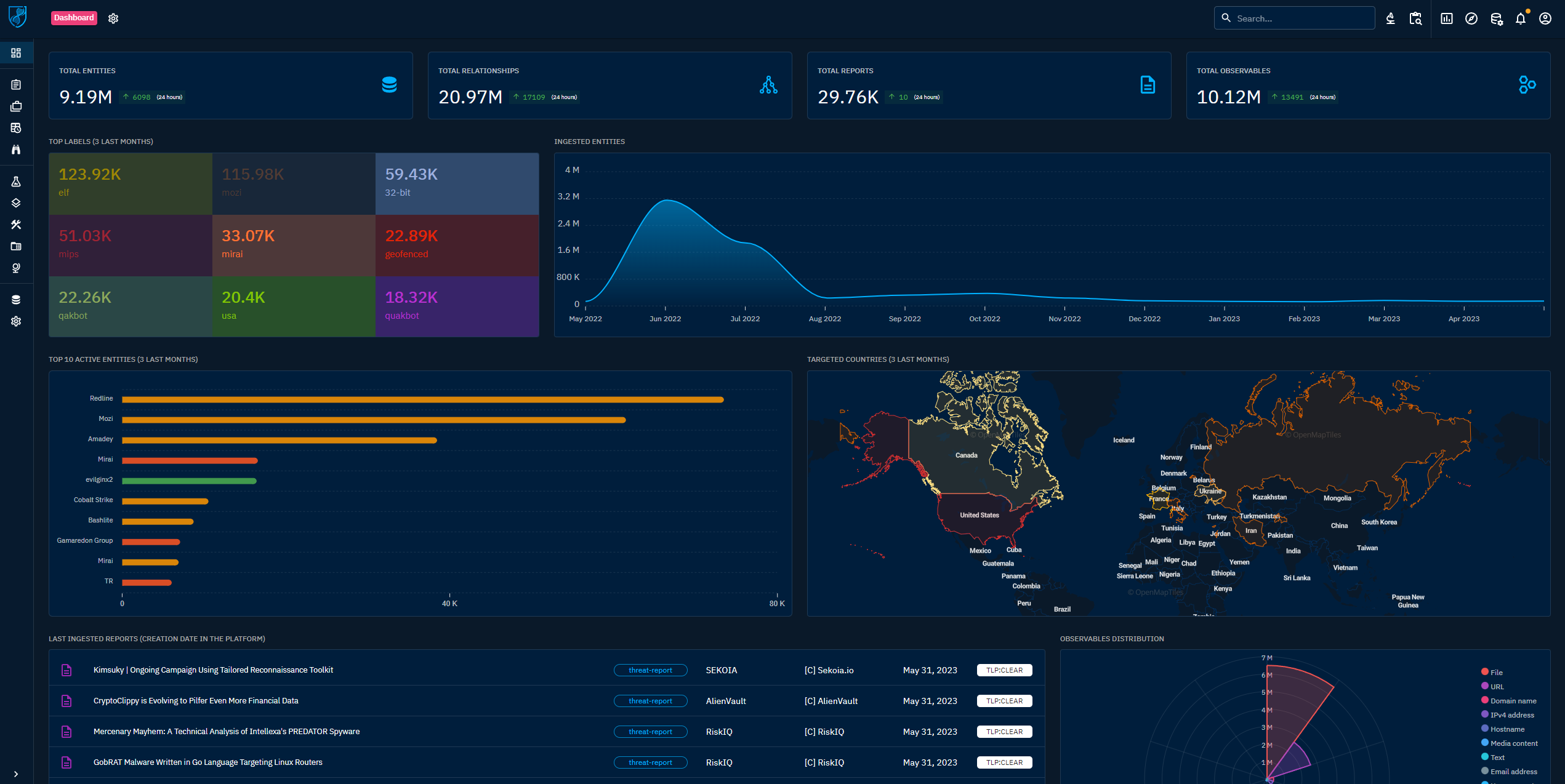
OpenCTI (Open Cyber Bedrohungsintelligenz) ist eine Open-Source-Plattform zur Verwaltung und Strukturierung von Informationen über Cyberbedrohungen. Sie ermöglicht es Organisationen, Bedrohungsdaten wie Indikatoren, Bedrohungsakteure, Taktiken und Opferinformationen zu speichern, zu organisieren und zu visualisieren. Die Plattform verwendet strukturierte Datenmodelle basierend auf dem STIX-2-Standard und ermöglicht die Integration mit anderen Tools für Bedrohungsanalyse und Sicherheit.
Zu den wichtigsten Funktionen gehören:
- Strukturierte Intelligenzmodellierung: Organisiert Bedrohungsdaten mithilfe des STIX2-Schemas, um technische und kontextuelle Informationen darzustellen.
- Bedrohungswissensmanagement: Speichert und verknüpft Bedrohungsakteure, Beobachtungsdaten, Kampagnen und Angriffstechniken in einer zentralen Wissensdatenbank.
- Graphbasierte Visualisierung: Bietet eine visuelle Schnittstelle zur Untersuchung von Beziehungen zwischen Bedrohungsentitäten.
- Schlussfolgerungs- und Beziehungsanalyse: Generiert neue Erkenntnisse durch die Identifizierung von Beziehungen zwischen vorhandenen Bedrohungsdaten.
- Integration in das CTI-Ökosystem: Verbindet sich über Konnektoren mit Tools wie MISP, MITRE ATT&CK und anderen Intelligence-Plattformen.

Source: OpenCTI
10. IBM X-Force Exchange

_Rapid_Remediation_carousel_image.png)

IBM X-Force Exchange ist eine Plattform zum Austausch von Bedrohungsdaten, die es Unternehmen ermöglicht, Bedrohungen zu erforschen, Sicherheitsdaten zu analysieren und mit anderen Sicherheitsexperten zusammenzuarbeiten. Die Plattform aggregiert Bedrohungsdaten, darunter Indikatoren für Kompromittierungen, Schwachstellendaten, Malware-Analysen und Erkenntnisse über Bedrohungsakteure.
Zu den wichtigsten Funktionen gehören:
- Threat-Intelligence-Rechercheplattform: Ermöglicht Benutzern die Suche und Analyse von Indikatoren, Schwachstellen und Threat-Intelligence-Berichten.
- Sammlungen von Bedrohungsdaten: Ermöglicht Benutzern, Erkenntnisse aus der Bedrohungsdatenanalyse zu organisieren und zu speichern, um sie zu untersuchen und weiterzugeben.
- Gemeinsamer Informationsaustausch: Unterstützt die Zusammenarbeit durch Gruppen und gemeinsame Sammlungen zwischen Sicherheitsteams und -gemeinschaften.
- Bedrohungsberichte und -analysen: Bietet kuratierte Geheimdienstberichte zu Malware, Bedrohungsgruppen und Branchenrisiken.
- IOC-Suche und -Analyse: Ermöglicht Benutzern die Analyse von Indikatoren wie IP-Adressen, Domains, URLs und Dateihashes.

Source: IBM

Abschluss
Threat-Intelligence-Tools sind zu einem unverzichtbaren Bestandteil moderner Cybersicherheitsstrategien geworden. Durch die Automatisierung der Datenanalyse, die Integration in bestehende Systeme, die Unterstützung der Zusammenarbeit und die Bereitstellung klarer visueller Einblicke ermöglichen diese Tools Unternehmen, neuen Bedrohungen immer einen Schritt voraus zu sein. Sie ermöglichen eine effizientere Erkennung, schnellere Reaktion auf Vorfälle und fundierte Sicherheitsentscheidungen.
Mehr über Exabeam erfahren
Vertiefen Sie Ihr Wissen mit Webinaren, Leitfäden und Analystenberichten.
-
 Der Blog
 Warum das Risiko durch Maschinengeschwindigkeit ein KI-gestütztes SOC erfordert
- Mehr anzeigen