Table of Contents
What Is Splunk?
Splunk is a software platform for searching, monitoring, and analyzing machine-generated data via a web interface. Splunk aims to help organizations manage large datasets by indexing and correlating real-time data in a searchable repository, producing graphs, alerts, dashboards, and visualizations.
With its scalability, Splunk accommodates varying data inputs from many sources, including applications, servers, security devices, and networks. The ability to automate data collection and analysis makes Splunk a solution in environments that require constant data surveillance and quick reaction times.
It is used in industries such as IT, security, and business analytics, helping organizations harness their data for performance monitoring, security improvement, and operational efficiency.
This is part of a series of articles about Splunk SIEM
Editor’s note: Updated the article to reflect features and limitations of Splunk in 2026, added information about the Cisco acquisition of Splunk, and updated information about Splunk competitors to reflect current features and capabilities.
Key Features of Splunk
Splunk provides a set of capabilities that allow teams to collect, process, search, and analyze machine data at scale. These features support use cases such as security monitoring, IT operations, and business analytics:
Integration and extensibility: Splunk integrates with third-party tools through APIs and apps. It offers a marketplace with prebuilt integrations and add-ons. Users can extend functionality to fit specific use cases.
Data ingestion from multiple sources: Splunk collects data from servers, applications, network devices, cloud platforms, and security tools. It supports structured, semi-structured, and unstructured data. Data can be ingested in real time or in batches.
Indexing and search processing: Incoming data is indexed for fast retrieval. Splunk uses its search processing language (SPL) to query, filter, and transform data. Users can run simple keyword searches or complex analytical queries.
Real-time monitoring and alerts: Splunk enables continuous monitoring of incoming data streams. Users can define thresholds and conditions to trigger alerts. Alerts can be sent through email, webhooks, or integrated systems.
Dashboards and visualizations: Splunk provides customizable dashboards to display charts, tables, and metrics. Visualizations update in real time. This helps teams track performance, detect anomalies, and share insights.
Scalability and distributed architecture: Splunk supports distributed deployments with forwarders, indexers, and search heads. It can scale horizontally to handle large data volumes. This makes it suitable for enterprise environments.
Role-based access control: Splunk includes user authentication and role-based permissions. Administrators can control access to data, searches, and dashboards. This supports security and compliance requirements.
Key Splunk Limitations
While Splunk offers robust capabilities for handling and analyzing machine data, it also comes with several limitations that organizations should consider. These limitations were reported by users on the G2 platform:
- High licensing and operational costs: Many users report that Splunk’s licensing model can become expensive, particularly as data volumes increase. This can make the platform difficult to adopt for smaller organizations or teams with limited budgets.
- Complex licensing model: Some users note that Splunk’s licensing structure can be difficult to understand and manage. Controlling licensing costs and forecasting usage may require careful monitoring and planning.
- Steep learning curve: Writing queries and configuring the platform can be challenging for new users. Teams often require training or experienced personnel to manage Splunk effectively.
- Performance challenges with large datasets: When processing very large volumes of log data, some users report slower performance or degraded system responsiveness.
- Resource-intensive management: Maintaining and operating Splunk environments may require skilled administrators, which can increase operational complexity for smaller teams.
- Dashboard creation complexity: While dashboards are a core feature, some users report that building and customizing dashboards can be time-consuming.
- Uncertainty following acquisition: Some users mention concerns about product innovation and roadmap clarity after Cisco’s acquisition of Splunk, noting slower perceived progress in feature development.
In light of these limitations, many organizations are considering competitors.
Cisco Acquired Splunk: What Has Changed?
In March 2024, Cisco completed a $28 billion all-cash acquisition of Splunk, the largest deal in Cisco’s history. The move signals a clear shift in Cisco’s strategy. Historically known for networking hardware, Cisco has been pushing toward software and security services. Splunk’s data analytics and security platforms fit directly into that plan.
For Cisco, the acquisition fills a gap. Splunk specializes in processing and analyzing machine-generated data for IT operations and security use cases. By adding Splunk, Cisco strengthens its position in cybersecurity and observability, areas where data correlation and real-time analysis are critical. The deal gives Cisco more control over the data layer that sits on top of its networking infrastructure.
Splunk will continue operating under its own brand, at least for now. Its leadership structure remains largely intact. Gary Steele, Splunk’s CEO, moved into a senior executive role at Cisco while continuing to oversee Splunk as general manager. However, in light of the merger, the future of Splunk’s development roadmap is uncertain.
How products are affected:
- Cisco has merged its observability development efforts, including AppDynamics, into Splunk’s business unit.
- The goal is to unify monitoring and analytics capabilities under one platform.
- In theory, this creates tighter integration between network telemetry, application performance data, and security analytics.
- In practice, customers will need to evaluate how well these tools are consolidated and whether integration introduces complexity.
How pricing could be affected:
Cisco has stated that Splunk’s pricing will remain unchanged. That provides short-term stability, but long-term pricing and licensing models often evolve after large acquisitions. Customers should monitor contract terms and roadmap updates closely, especially as Cisco aligns Splunk with its broader portfolio.
10 Notable Splunk Competitors
The following table summarizes the Splunk competitors, their deployment models, and what they provide that Splunk doesn’t. Below we review each of the competitors in more detail.
| Solution | Deployment Model | Why Choose Instead of Splunk |
| Exabeam | Cloud, on-prem, hybrid | Advanced behavioral analytics and UEBA; faster deployment on Cloud |
| Microsoft Sentinel | SaaS (Azure-native) | Cloud-native scalability; built‑in AI/ML and Microsoft threat intel |
| IBM QRadar | On‑prem, cloud, appliance | Unified SIEM/SOAR/EDR in one; EPS‑based pricing |
| Elastic Security | Self‑managed (Elastic Stack) or Elastic Cloud (hosted/serverless) | Full‑text search over big data; open model; scalable pricing |
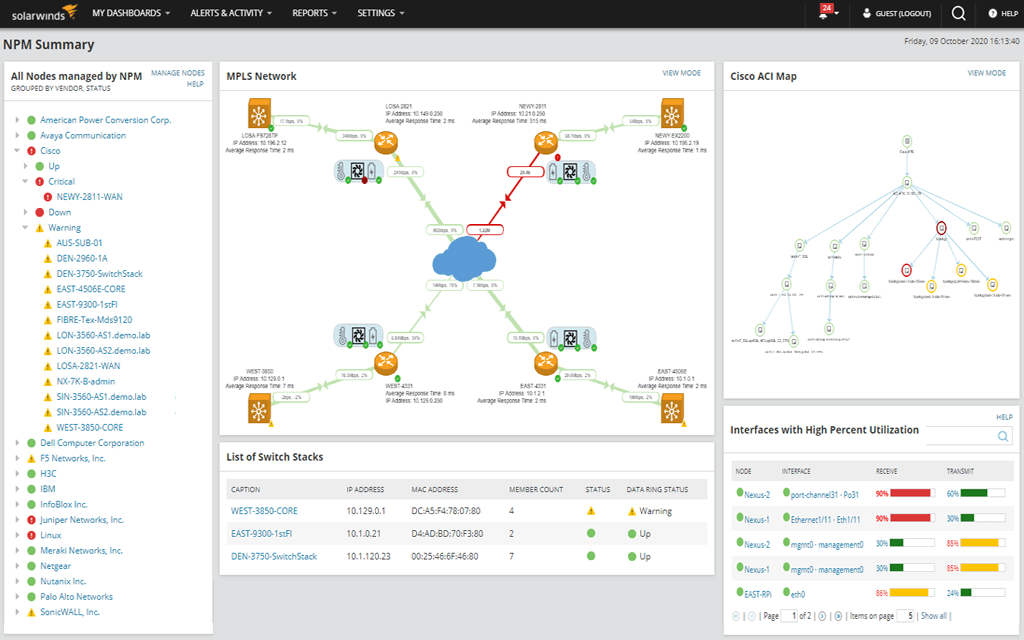
| SolarWinds SEM | Virtual appliance (on‑prem) | Budget-friendly; simple licensing; compliance‑focused |
| Fortinet FortiSIEM | On‑prem or managed appliance | IT/OT coverage with built-in CMDB; embedded FortiAI for summaries |
| Datadog Cloud SIEM | SaaS (on Datadog platform) | Combines observability and security; event‑level visibility and context |
| Sumo Logic Cloud SIEM | SaaS | Native cloud SIEM with signal clustering, ATT&CK mapping |
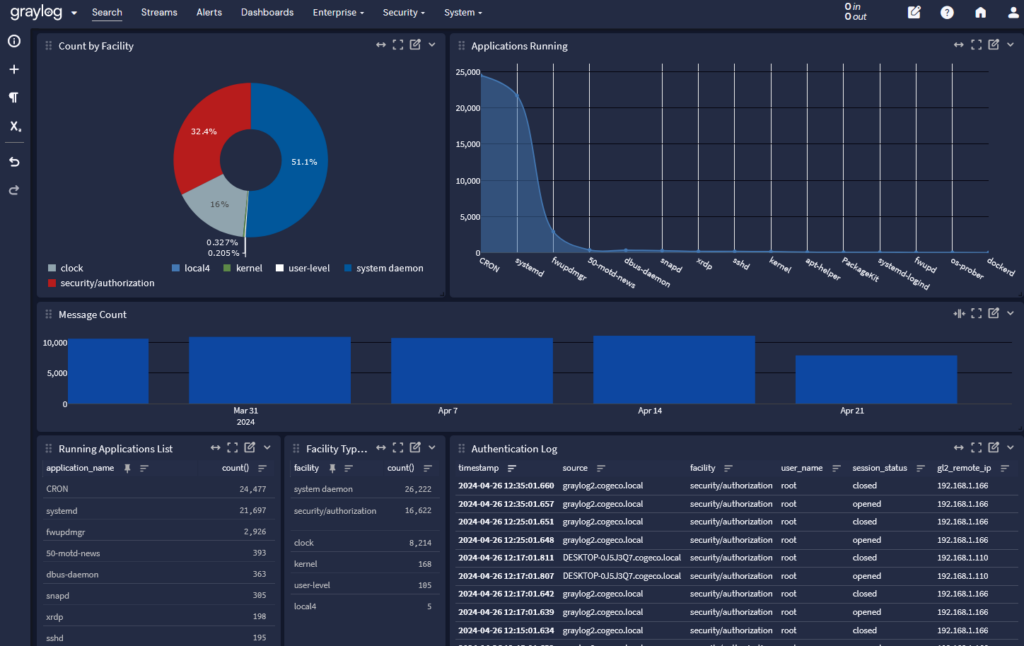
| Graylog Security | Self‑hosted or cloud | Cost‑effective open architecture; MITRE ATT&CK mapping and SOAR |
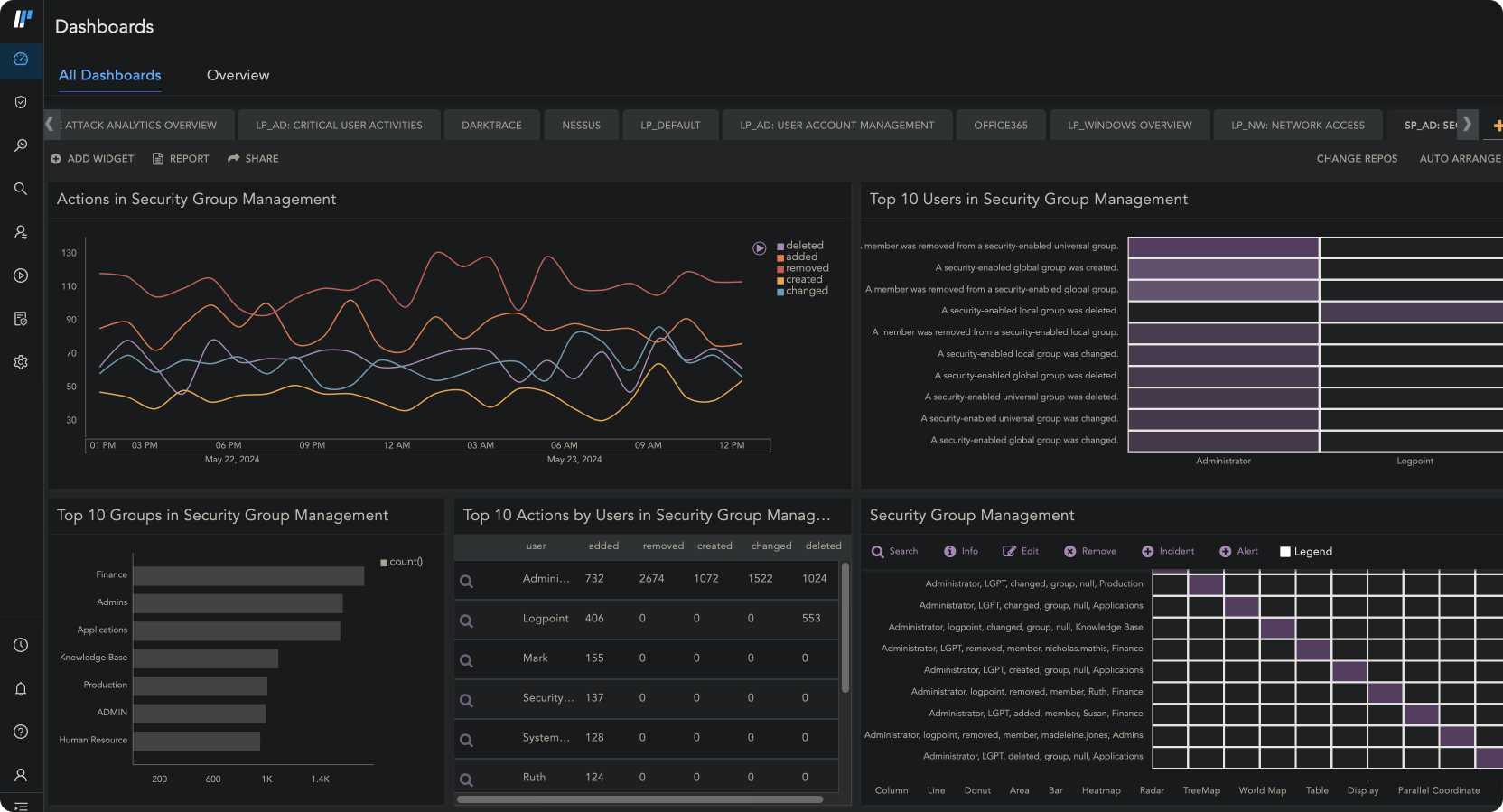
| Logpoint SIEM | On‑prem, cloud, hybrid | Strong compliance support and standardized data taxonomy; easy ATT&CK alignment |
1. Exabeam

Exabeam is a next-generation SIEM platform built to modernize security operations with behavioral analytics, automation, and AI. It was designed to overcome many of Splunk’s challenges around cost, complexity, and usability, offering a more efficient way to detect, investigate, and respond to threats. Exabeam supports cloud, on-premises, and hybrid deployments, making it a flexible choice for organizations of all sizes.
Key Features Include:
- Behavioral analytics (UEBA): Uses machine learning to baseline normal activity for users, devices, and entities, then flags anomalies that may indicate credential abuse, insider threats, or advanced attacks.
- Automated investigations: Exabeam Smart Timelines™ automatically stitch together related events from across systems, reducing the need for manual log correlation and accelerating response.
- AI-driven assistance: Exabeam Nova, a system of AI agents, helps automate tasks such as detection engineering, threat hunting, and executive-level security reporting.
- Flexible data ingestion: Supports ingestion from virtually any log source, with connectors for threat intelligence providers, EDR, cloud platforms, and more.
- Risk-based prioritization: Combines IOCs and behavioral anomalies into a risk score, allowing analysts to focus on the threats most likely to cause impact.
Splunk use cases you can replace with Exabeam:
- Centralized log management and threat detection across cloud and hybrid infrastructures
- Advanced detection of insider threats and credential misuse using UEBA
- Automated investigations that reduce alert fatigue and SOC workload
- Risk-scored alerts that prioritize the most critical threats
- Executive reporting that ties security outcomes directly to business priorities
LogRhythm (On-Premises Option from Exabeam)
LogRhythm is a long-established SIEM platform often chosen by organizations seeking a robust on-premises solution. It combines log management, machine analytics, and automated workflows to help security teams detect and respond to threats quickly. LogRhythm’s strength lies in its ability to operate in highly regulated or air-gapped environments where cloud deployments may not be viable.
Key features include:
- On-premises focus: Purpose-built for organizations that need local data control due to compliance, sovereignty, or operational requirements.
- Comprehensive threat lifecycle management: Provides end-to-end visibility across collection, detection, investigation, and mitigation.
- Integrated SOAR: Automates response through playbooks that can quarantine hosts, disable accounts, or escalate tickets without manual intervention.
- Behavioral analytics: Detects anomalies by comparing real-time activity against baselines, improving detection of insider threats and advanced attacks.
- Compliance reporting: Comes with out-of-the-box content packs for PCI DSS, HIPAA, GDPR, and other regulatory frameworks.
Splunk use cases you can replace with LogRhythm:
- On-premises log management for regulated industries (finance, healthcare, government)
- Automated compliance reporting and audit preparation
- Threat detection and response in air-gapped or private data center environments
- Cost-effective SIEM with integrated SOAR for mid-sized enterprises
- Behavioral analytics-driven anomaly detection without reliance on complex queries
2. IBM QRadar

IBM QRadar is a SIEM platform to centralize security data and provide real-time threat detection across an organization’s IT environment. It collects and correlates event data from multiple sources, helping security teams detect suspicious activity and respond to incidents more quickly. The platform focuses on improving analyst efficiency by automating repetitive tasks and providing unified visibility into security events.
Key features include:
- Centralized security visibility: Aggregates and correlates data from various systems and security tools to provide a unified view of security activity.
- Real-time threat detection: Analyzes incoming events to identify suspicious behavior and potential attacks as they occur.
- User behavior analytics: Monitors user activity to detect anomalies and identify insider threats or compromised accounts.
- Threat hunting capabilities: Enables analysts to investigate threats by correlating data from multiple datasets and identifying patterns across the environment.
- Integration ecosystem: Supports integration with a range of security tools and data sources to extend visibility across the security infrastructure.
- Compliance reporting support: Helps organizations demonstrate compliance with regulatory requirements by monitoring security events and generating reports.
Splunk use cases you can replace with IBM QRadar:
- Real-time log and event correlation from diverse enterprise systems
- Behavior analytics-driven detection of insider threats
- Incident investigation workflows with integrated threat intelligence
- Automated incident response via SOAR playbooks
- Threat hunting using network and user activity data

Source: IBM
3. Fortinet FortiSIEM

Fortinet FortiSIEM is a SIEM platform that supports security operations by combining event collection, analytics, asset monitoring, and automated response capabilities. It collects security data from across IT and operational technology (OT) environments and analyzes it to detect threats and manage incidents. The platform also integrates automation and AI capabilities to support investigation and response processes.
Key features include:
- IT and OT event collection: Collects and analyzes security events across both traditional IT infrastructure and operational technology environments.
- Configuration management database (CMDB): Maintains a centralized asset database that supports asset discovery, classification, and monitoring.
- Advanced threat detection analytics: Uses UEBA, machine learning, and correlation rules to detect suspicious activity and potential attacks.
- Built-in SOAR automation: Provides automated workflows and playbooks to accelerate investigation and response activities.
- AI-assisted investigation: Uses FortiAI-Assist to help analysts interpret logs, investigate incidents, and support response decisions.
- Endpoint visibility and forensics: Integrates OSquery to provide deeper endpoint monitoring and forensic analysis capabilities.
Splunk use cases you can replace with FortiSIEM:
- Correlation of security data from IT and OT environments
- Threat detection using UEBA and rule-based analytics
- Asset inventory and automatic discovery of networked devices
- Incident response enriched with AI-generated summaries
- Visual investigation of entity relationships using graph views

Source: Fortinet
4. Microsoft Sentinel

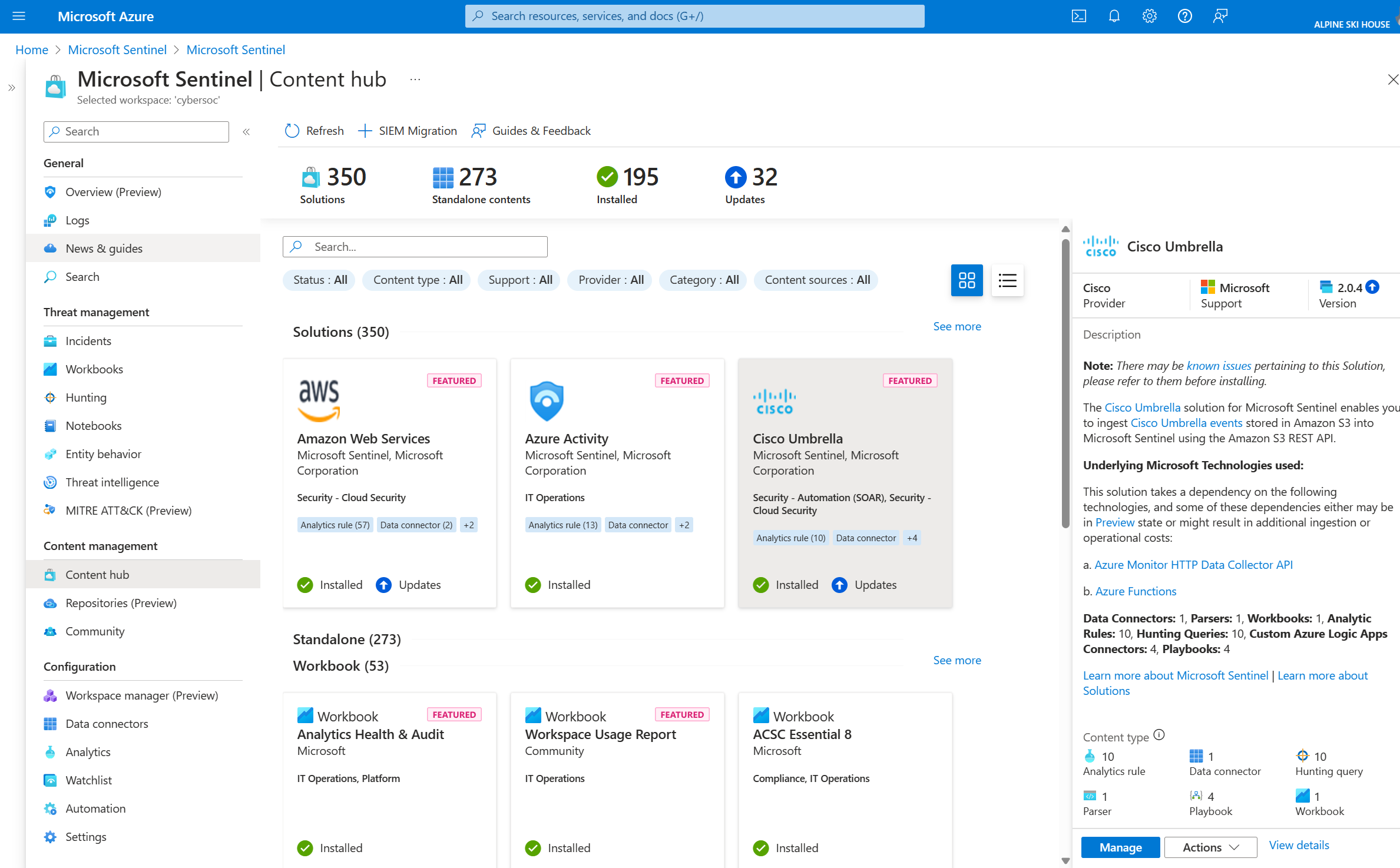
Microsoft Sentinel is a cloud-native SIEM and SOAR platform built on Microsoft Azure. It collects and analyzes security data from cloud services, on-premises infrastructure, and third-party systems. The platform uses analytics, automation, and threat intelligence to help organizations detect threats, investigate incidents, and respond to attacks across distributed environments.
Key features include:
- Cloud-native SIEM architecture: Operates as a fully managed cloud service that scales automatically without requiring on-premises infrastructure.
- Centralized security data lake: Stores and analyzes large volumes of security telemetry to support analytics and threat detection.
- Wide data source integration: Connects to more than 350 data sources, including Microsoft services, third-party platforms, and on-premises systems.
- AI-assisted threat detection: Uses analytics, machine learning, and generative AI capabilities to detect suspicious activity and support investigations.
- Integrated threat intelligence: Combines Microsoft’s threat intelligence signals with external feeds to enrich detection and response.
- Native XDR integration: Works with Microsoft Defender to provide extended detection and response capabilities across endpoints, identities, and cloud workloads.
Splunk use cases you can replace with Microsoft Sentinel:
- Centralized log ingestion and correlation across Microsoft 365, Azure, AWS, and on-prem systems
- Threat detection using anomaly-based and rule-based analytics
- MITRE ATT&CK-based investigation and visualization of incidents
- Automated incident response with playbooks using Logic Apps
- Compliance monitoring and reporting aligned with standards like ISO 27001 and NIST

Source: Microsoft
5. Datadog

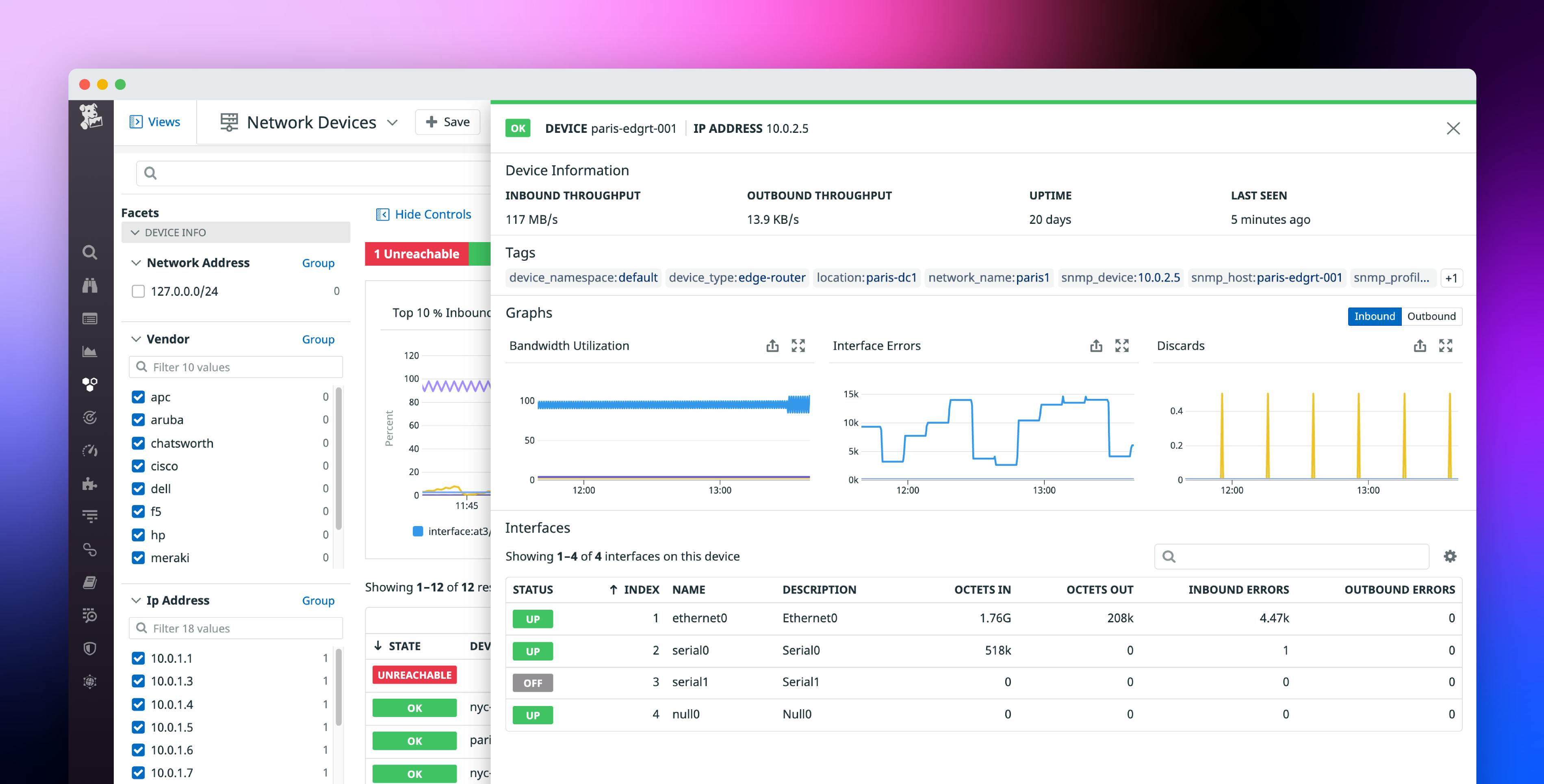
Datadog Cloud SIEM is a security monitoring platform built on Datadog’s log management and observability infrastructure. It enables organizations to collect, analyze, and correlate security logs alongside operational telemetry. This unified approach helps security, operations, and development teams investigate incidents using shared context from logs, metrics, and infrastructure data.
Key features include:
- Centralized log ingestion and normalization: Collects security logs and alerts from applications, infrastructure, and third-party tools and converts them into a standardized format.
- Extensive integration ecosystem: Supports more than 1,000 integrations across cloud platforms, identity providers, SaaS applications, and security tools.
- Detection rules aligned with MITRE ATT&CK: Uses built-in detection rules maintained by security research teams to identify suspicious behavior.
- Log exploration and visualization: Provides tools such as Log Explorer and Workspaces to query logs and display results through charts, tables, and visualizations.
- AI-assisted investigations: Uses autonomous analysis capabilities to evaluate threat indicators and provide contextual conclusions during investigations.
- Workflow automation and case management: Automates response processes and supports collaborative investigations through integrated case management tools.
Splunk use cases you can replace with Datadog:
- Correlation of security logs with observability metrics for root cause analysis
- MITRE ATT&CK-based detection rule implementation
- Real-time visualization of logs in dashboards and charts
- Centralized alerting and incident workflows across DevSecOps teams
- Log ingestion and parsing from cloud-native sources and containers

Source: Datadog
6. Sumo Logic

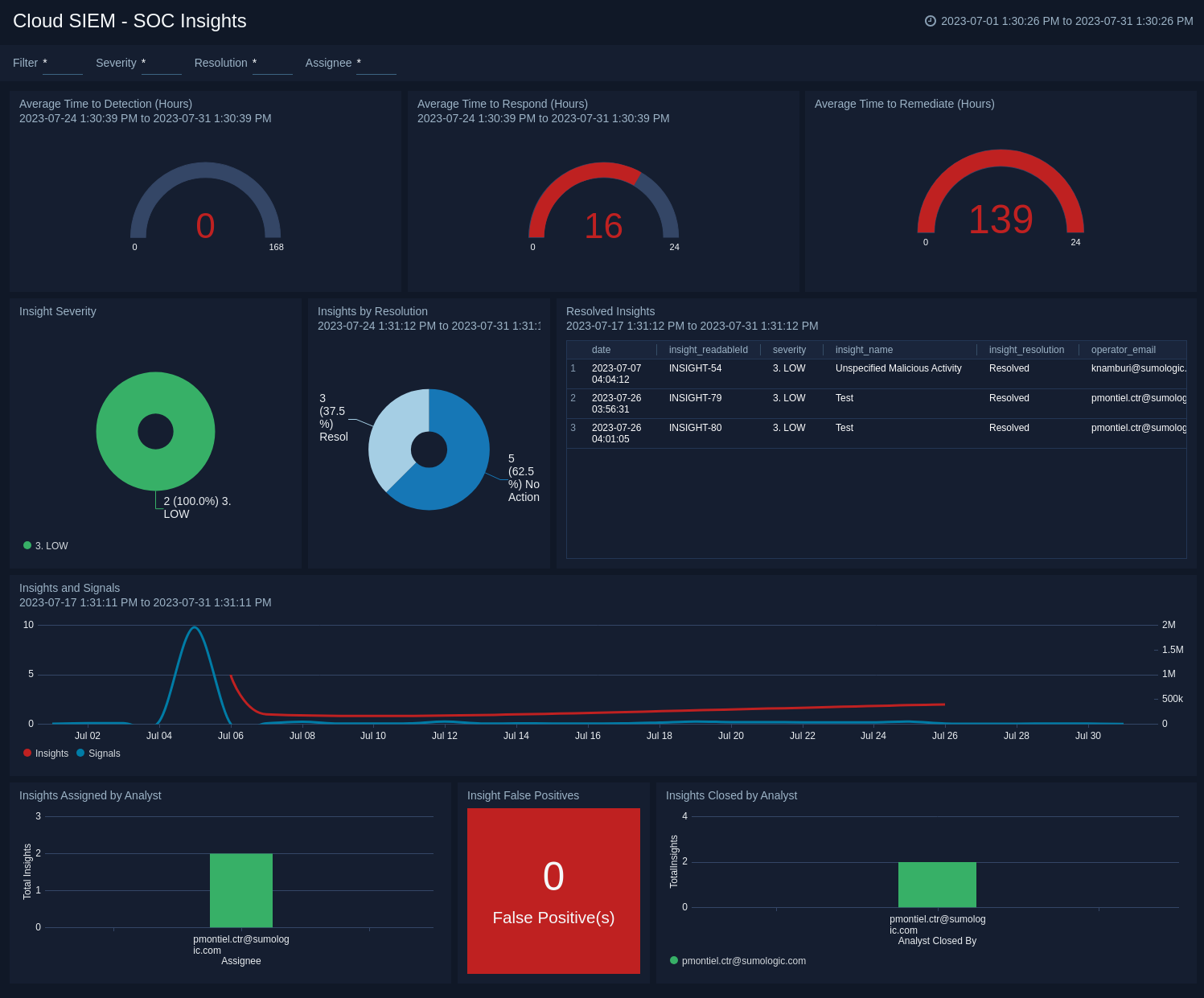
Sumo Logic Cloud SIEM is a cloud-based security analytics platform to support threat detection, investigation, and response in modern environments. It analyzes log and event data to identify suspicious activity and provides automation tools to help security teams respond more quickly. The platform emphasizes automated analysis and scalable log processing for cloud and hybrid environments.
Key features include:
- Cloud-native security analytics: Processes large volumes of log data to support detection, investigation, and response across distributed systems.
- Automated alert triage: Uses analytics to prioritize alerts and correlate related threats to accelerate investigations.
- Threat detection through log analytics: Analyzes log data to identify suspicious behavior and potential security incidents.
- AI-assisted investigation capabilities: Uses agent-based AI capabilities to automate parts of the security investigation workflow.
- Extensive integration ecosystem: Supports more than 450 integrations that allow organizations to ingest data from multiple security and infrastructure systems.
- Compliance and security certifications: Supports regulatory and security standards including SOC 2, ISO 27001, GDPR, HIPAA, and PCI DSS.
Splunk use cases you can replace with Sumo Logic:
- Centralized SIEM for cloud-native and hybrid environments
- Detection and correlation of threats across structured and unstructured logs
- MITRE ATT&CK mapping for visibility into detection coverage
- Alert deduplication and signal clustering to reduce analyst fatigue
- Threat investigation with entity graphs and contextual analysis

Source: Sumo Logic
4. Elastic Security

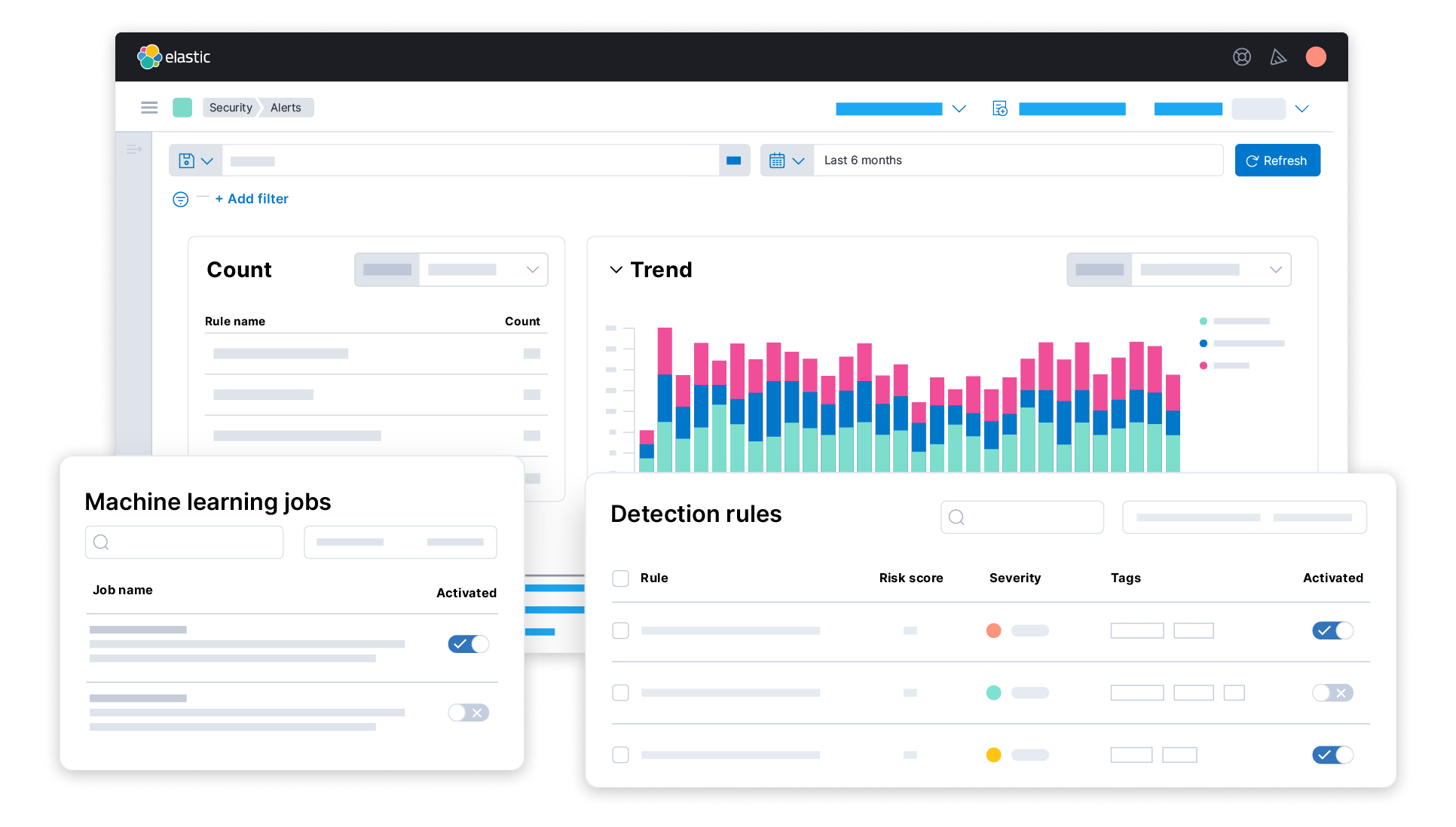
Elastic Security is a threat detection and response platform built on the Elasticsearch search and analytics engine. It combines SIEM, endpoint protection, and cloud security capabilities into a single platform for large-scale data analysis. The platform supports both cloud and on-premises deployments and focuses on detecting, investigating, and responding to threats using analytics, automation, and machine learning.
Key features include:
- Unified security platform: Combines SIEM, XDR, and cloud security capabilities into a single platform for security monitoring and response.
- AI-driven security analytics: Uses machine learning and analytics to identify suspicious activity, detect anomalies, and support threat investigation.
- Open and extensible architecture: Built on open-source Elasticsearch, allowing organizations to ingest and analyze data from a wide range of systems.
- Large-scale data analysis: Supports querying and analyzing large volumes of structured and unstructured security data across environments.
- Integrated investigation tools: Provides workflows that allow analysts to trace events, correlate activity, and investigate security incidents.
- Automation for detection and response: Uses analytics and automation capabilities to assist in triage, investigation, and response workflows.
Splunk use cases you can replace with Elastic Security:
- Scalable log ingestion and full-text search over large datasets
- Threat detection using prebuilt detection rules and machine learning jobs
- Visual threat investigation through Kibana dashboards
- Endpoint monitoring and data collection with Elastic Agent
- Threat hunting and investigation with pivotable queries across timelines

Source: Elastic
8. SolarWinds SIEM

SolarWinds Security Event Manager (SEM) is a SIEM solution to help organizations collect, analyze, and respond to security events across their infrastructure. It centralizes log data from servers, network devices, and applications to provide visibility into potential security threats. The platform focuses on real-time monitoring, event correlation, and compliance reporting.
Key features include:
- Centralized log collection: Aggregates and stores log data from multiple sources including servers, routers, firewalls, and endpoints.
- Real-time event correlation: Analyzes security events as they occur to identify suspicious behavior or policy violations.
- Threat detection capabilities: Detects various security threats such as ransomware activity, suspicious login behavior, SQL injection attempts, and insider threats.
- Automated response actions: Triggers predefined responses such as blocking IP addresses or terminating processes when threats are detected.
- Compliance reporting tools: Provides more than 300 built-in report templates to support regulatory standards such as HIPAA, SOX, and PCI DSS.
- Historical security analysis: Stores historical event data that can be used to identify trends and investigate past security incidents.
Splunk use cases you can replace with SolarWinds:
- Log collection from firewalls, servers, and network devices
- Real-time event correlation for security and compliance
- Basic threat detection and alerting on suspicious patterns
- Compliance audit reporting for standards like PCI and HIPAA
- Automation of alerts and responses using predefined actions

Source: SolarWinds
9. Graylog

Graylog Security is a SIEM and threat detection, investigation, and response (TDIR) platform built on the Graylog data platform. It enables organizations to collect, manage, and analyze security data while supporting automated response workflows. The platform provides integrated tools for log management, security monitoring, and incident investigation.
Key features include:
- Threat detection, investigation, and response: Centralizes detection, investigation, and response processes in a single platform.
- Curated detection content: Includes prebuilt alerts, dashboards, and event definitions through Graylog Illuminate content packs.
- MITRE ATT&CK mapping: Maps detection rules and alerts to MITRE ATT&CK tactics and techniques to visualize threat coverage.
- Data management capabilities: Provides built-in data tiering, routing, and archiving to manage large volumes of log data.
- Security automation support: Includes SOAR capabilities that automate response actions and investigation workflows.
- Flexible deployment options: Supports cloud, on-premises, and hybrid deployments depending on organizational needs.
Splunk use cases you can replace with Graylog:
- Log aggregation and normalization from diverse IT sources
- Threat detection using curated detection packs and correlation rules
- MITRE ATT&CK mapping for detection coverage analysis
- Automation of response actions using built-in SOAR capabilities
- Security monitoring with out-of-the-box dashboards and alerts

Source: Graylog
10. Logpoint

Logpoint SIEM is a security analytics platform to help organizations detect threats, analyze security events, and support compliance requirements. It centralizes log ingestion and analysis while providing automation and integration capabilities to simplify security operations. The platform supports multiple deployment models, including on-premises, cloud, and hybrid environments.
Key features include:
- Centralized data ingestion: Collects logs and security events from devices, applications, and endpoints across the infrastructure.
- Integrated security operations platform: Combines SIEM capabilities with additional security operations tools such as automation and network detection capabilities.
- Large library of built-in detections: Includes more than 1,000 prebuilt detection rules to identify security threats.
- Flexible deployment options: Supports on-premises, cloud, and hybrid environments while helping organizations meet data residency requirements.
- Predictable pricing model: Uses pricing models designed to provide predictable operational costs for SIEM deployments.
- Integration ecosystem: Supports integrations with more than 100 security tools and platforms.
Splunk use cases you can replace with Logpoint:
- Alerting and visualization via prebuilt dashboards and reports
- Log ingestion and normalization across multi-vendor environments
- Detection of security events mapped to MITRE ATT&CK techniques
- Threat context enrichment using geolocation and external threat feeds
- Compliance reporting for GDPR, NIS2, and other regulations

Source: Logpoint
Conclusion
Splunk remains a popular option for analyzing machine data, but it’s important to weigh its limitations alongside newer or more specialized alternatives. As the SIEM and observability landscape continues to evolve, organizations have a growing range of tools to choose from—many of which emphasize cloud-native architectures, integrated automation, and improved usability. Selecting the right platform depends on operational needs, including scalability, budget, integration capabilities, and response speed.
Learn More About Exabeam
Learn about the Exabeam platform and expand your knowledge of information security with our collection of white papers, podcasts, webinars, and more.