Die besten Dienste Bedrohungsintelligenz: Die 6 besten Lösungen im Jahr 2026
- 7 minutes to read
Inhaltsverzeichnis
Was sind Bedrohungsintelligenz Services?
Threat Intelligence Services sammeln und analysieren Daten zu potenziellen Cyberbedrohungen. Diese Dienste liefern Unternehmen Einblicke und Indikatoren für Kompromittierungen (IOCs) zum Schutz vor Angriffen. Durch die Nutzung von Informationen aus verschiedenen Quellen erstellen sie ein detailliertes Bild der Bedrohungslandschaft.
Mithilfe dieser Informationen können Unternehmen Sicherheitsressourcen priorisieren und effektiver auf neue Bedrohungen reagieren. Das Hauptziel besteht darin, Cyber-Gegnern immer einen Schritt voraus zu sein, indem man ihre Taktiken, Techniken und Vorgehensweisen versteht.
Die zunehmende Komplexität von Cyberbedrohungen erfordert Lösungen. Threat Intelligence Services helfen Unternehmen, mit den sich entwickelnden Bedrohungen Schritt zu halten, indem sie zeitnahe, relevante und umsetzbare Informationen bereitstellen. Diese Dienste sind unerlässlich für die Überwachung externer Bedrohungen, die Analyse von Trends und die Vorhersage potenzieller Sicherheitsvorfälle.
Dies ist Teil einer Artikelserie über Cyber-Bedrohungsinformationen
Editor’s note: Updated the article to cover recent market trends, updated product information to reflect features and capabilities in 2026.
Markttrends im Bereich Bedrohungsintelligenz
Marktgröße und Wachstum
The global threat intelligence market is expanding rapidly, driven by the increasing need for proactive cybersecurity measures. It is valued at USD 6.87 billion and is projected to reach USD 31.58 billion by 2034, growing at a CAGR of 18.30%. This growth shows that organizations are investing more in tools that help them understand and respond to cyber threats before they cause damage.
North America leads the market with a 44.70% share, supported by strong infrastructure, high adoption of digital technologies, and significant investment in cybersecurity. Other regions are also seeing steady growth as cyber threats become more frequent and more complex. The expansion of cloud computing and connected systems is further increasing demand for scalable threat intelligence solutions.
AI Integration in Threat Intelligence
Artificial intelligence is playing an increasingly important role in threat intelligence. Technologies such as machine learning and deep learning allow systems to process large volumes of security data quickly and accurately. This is critical as the number of cyber threats continues to grow.
AI helps identify patterns that may not be visible to human analysts, including unknown threats and unusual behavior. It also improves detection of advanced attacks, such as zero-day vulnerabilities. In addition, AI-driven systems can automate routine tasks, reduce human error, and accelerate incident response, making security operations more efficient.
Market Challenges: Skills Shortage
Despite strong growth, the market faces challenges related to the shortage of skilled cybersecurity professionals. Many organizations lack trained analysts who can effectively use threat intelligence platforms and interpret the data they provide. This limits the full value that these solutions can deliver.
The shortage of talent is a global issue affecting both public and private sectors. Without enough skilled professionals, organizations may struggle to manage complex security environments and respond to threats in a timely manner. As a result, there is an increasing need for training, education, and tools that simplify threat intelligence operations.
Vorteile und Herausforderungen cloudbasierter Bedrohungsintelligenz
Cloudbasierte Bedrohungsinformationen bieten Skalierbarkeit, schnellere Bereitstellung und einfachere Integration im Vergleich zu lokalen Lösungen. Unternehmen profitieren von Echtzeit-Updates über Cloud-Plattformen und haben so ohne manuelle Eingriffe Zugriff auf die neuesten Bedrohungsdaten. Diese Dienste unterstützen zudem die Zusammenarbeit, sodass Bedrohungsdaten über verschiedene Umgebungen und Regionen hinweg geteilt und korreliert werden können.
Ein weiterer wichtiger Vorteil ist der geringere Infrastrukturaufwand. Cloud-Dienste machen dedizierte Hardware und Wartung überflüssig, wodurch Bedrohungsinformationen auch für kleinere Unternehmen leichter zugänglich sind. Darüber hinaus bieten viele Anbieter maschinelles Lernen an, das die Datenanalyse und Bedrohungsvorhersage verbessert.
Cloud-basierte Lösungen bringen jedoch neue Herausforderungen mit sich. Datenschutz und -kontrolle sind wichtige Anliegen, insbesondere wenn sensible Bedrohungsdaten extern gespeichert oder verarbeitet werden. Die Abhängigkeit von Drittanbietern kann zudem die Anpassung und Transparenz der Erkennungsmechanismen einschränken.
Latenz und Verfügbarkeit können die Leistung beeinträchtigen, insbesondere in Zeiten hoher Nachfrage oder bei Ausfällen. Unternehmen müssen bei der Nutzung cloudbasierter Threat Intelligence-Dienste auch die Einhaltung gesetzlicher Standards prüfen.
Related content: Read our guide to threat intelligence providers
Bemerkenswerte Lösungen Bedrohungserkennung und -reaktion mit Bedrohungsintelligenz-Funktionen
1. Exabeam

Exabeam ist eine Cloud-basierte SIEM- und Sicherheitsplattform, die Protokollverwaltung, erweiterte Analysen und automatisierte Reaktionen vereint. Durch die Kombination von Verhaltensanalysen mit flexiblen Integrationen unterstützt sie Unternehmen dabei, Rohdaten aus Bedrohungen in umsetzbare Erkenntnisse umzuwandeln. Exabeam unterstützt sowohl kommerzielle als auch Open-Source-Lösungen. Bedrohungsaufklärungsdienste, wodurch sichergestellt wird, dass Sicherheitsteams Informationen aus mehreren Quellen innerhalb ihres SOC operationalisieren können.
Allgemeine Merkmale:
- Verhaltensbasierte Analysen: Verwendet User and Entity Behavior Analytics (UEBA), um die Aktivität von Benutzern, Geräten und Anwendungen zu ermitteln und Anomalien aufzudecken, die auf Insider-Bedrohungen oder den Missbrauch von Anmeldeinformationen hinweisen können.
- Automatisierte Untersuchungen: Erstellt Smart Timelines ™, die unterschiedliche Sicherheitsereignisse in einer einzigen Vorfallansicht korrelieren, wodurch die Arbeitsbelastung der Analysten reduziert und die Reaktion beschleunigt wird.
- Flexible Bereitstellung: Verfügbar als SaaS mit elastischer Skalierung, wodurch die Handhabung großer Ereignisvolumina ohne lokale Infrastruktur erleichtert wird.
- Agenten-KI-Unterstützung: Exabeam Nova, ein System KI-gestützter Agenten, automatisiert die Erkennungstechnik, die Bedrohungssuche in natürlicher Sprache und die Berichterstattung auf Führungsebene.
Funktionen zur Bedrohungsaufklärung:
- Feed-Aufnahme: Unterstützt die Aufnahme von Bedrohungsinformationen von kommerziellen Anbietern, Open-Source-Communitys und Regierungsquellen über APIs oder Standards wie STIX/TAXII.
- IOC-Korrelation: Vergleicht automatisch importierte Indikatoren (IPs, Domänen, Hashes, URLs) mit internen Protokollen, Endpunktdaten und Benutzeraktivitäten, um zu überprüfen, ob in der Umgebung Bedrohungen aktiv sind.
- Risikobasierte Priorisierung: Führt externe IOCs mit der Verhaltensrisikobewertung von Exabeam zusammen und stellt so sicher, dass sich Analysten auf die Bedrohungen konzentrieren, die am wahrscheinlichsten Auswirkungen haben.
- Automatisierte Reaktion: Durch die Integration in SOAR Workflows kann Exabeam Playbooks auslösen, die schädliche IPs blockieren, kompromittierte Konten isolieren oder Warnmeldungen mit Bedrohungskontext anreichern.
- Partnerschaftliches Ökosystem: Arbeitet mit führenden Anbietern von Threat Intelligence-Diensten wie Recorded Future, Cisco Talos und Mandiant zusammen und unterstützt gleichzeitig Open-Source-Plattformen wie MISP.
Durch die Verknüpfung externer Threat-Intelligence-Dienste mit interner Verhaltensanalyse stellt Exabeam sicher, dass Bedrohungsdaten nicht nur erfasst, sondern auch kontextualisiert werden. Dieser Ansatz reduziert Fehlalarme, beschleunigt Untersuchungen und ermöglicht SOC-Teams, schneller und präziser auf Cyberbedrohungen zu reagieren.
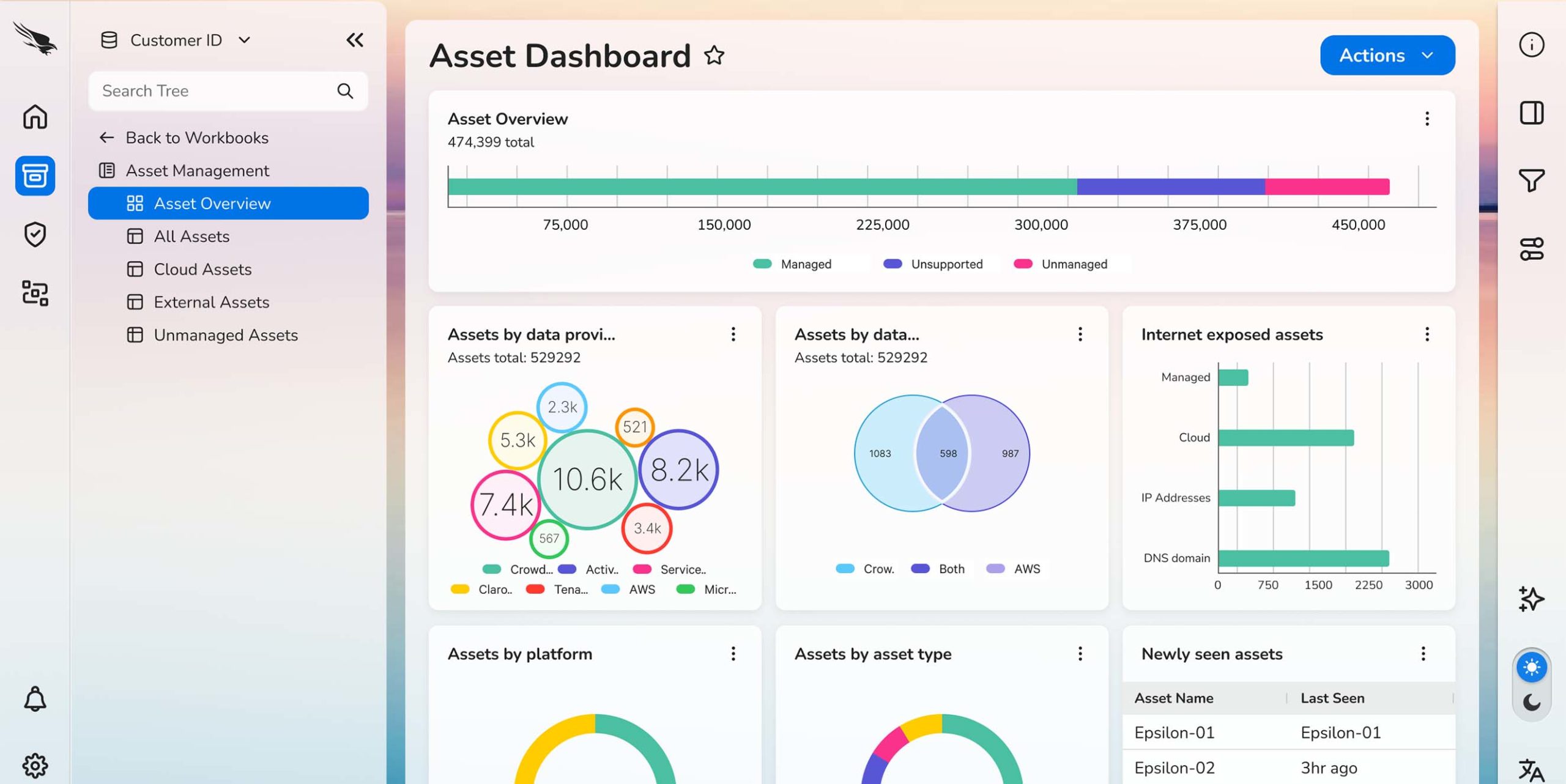
2. CrowdStrike Falcon X

CrowdStrike Falcon X is a threat intelligence solution integrated into endpoint protection, designed to automate investigation and provide deeper context about attacks. It analyzes threats detected on endpoints, enriches them with intelligence data, and produces actionable outputs such as indicators of compromise and detailed reports. This allows security teams to understand the origin and intent of attacks.
Allgemeine Merkmale:
- Endpoint-integrated analysis: Connects directly with endpoint detection data to analyze threats within the same workflow.
- Automated malware analysis: Combines malware analysis and search capabilities to investigate threats without manual effort.
- Cloud-native architecture: Operates on a cloud platform that processes large volumes of threat data at scale.
- Attack context enrichment: Provides details about attacker behavior, motives, and techniques to support decision-making.
- Expert intelligence support: Incorporates analysis and reporting from dedicated threat intelligence teams.
Funktionen zur Bedrohungsaufklärung:
- Custom IOC generation: Produces tailored indicators of compromise based on threats observed in the environment.
- Global IOC access: Provides access to a broader set of indicators derived from global threat intelligence data.
- Threat monitoring: Tracks adversary activity across external sources to identify risks targeting the organization.
- Intelligence reporting: Delivers technical and strategic reports describing threats, campaigns, and attack patterns.
- Detection rule support: Supplies validated detection rules (e.g., YARA, SNORT) to strengthen defenses.

Source: CrowdStrike
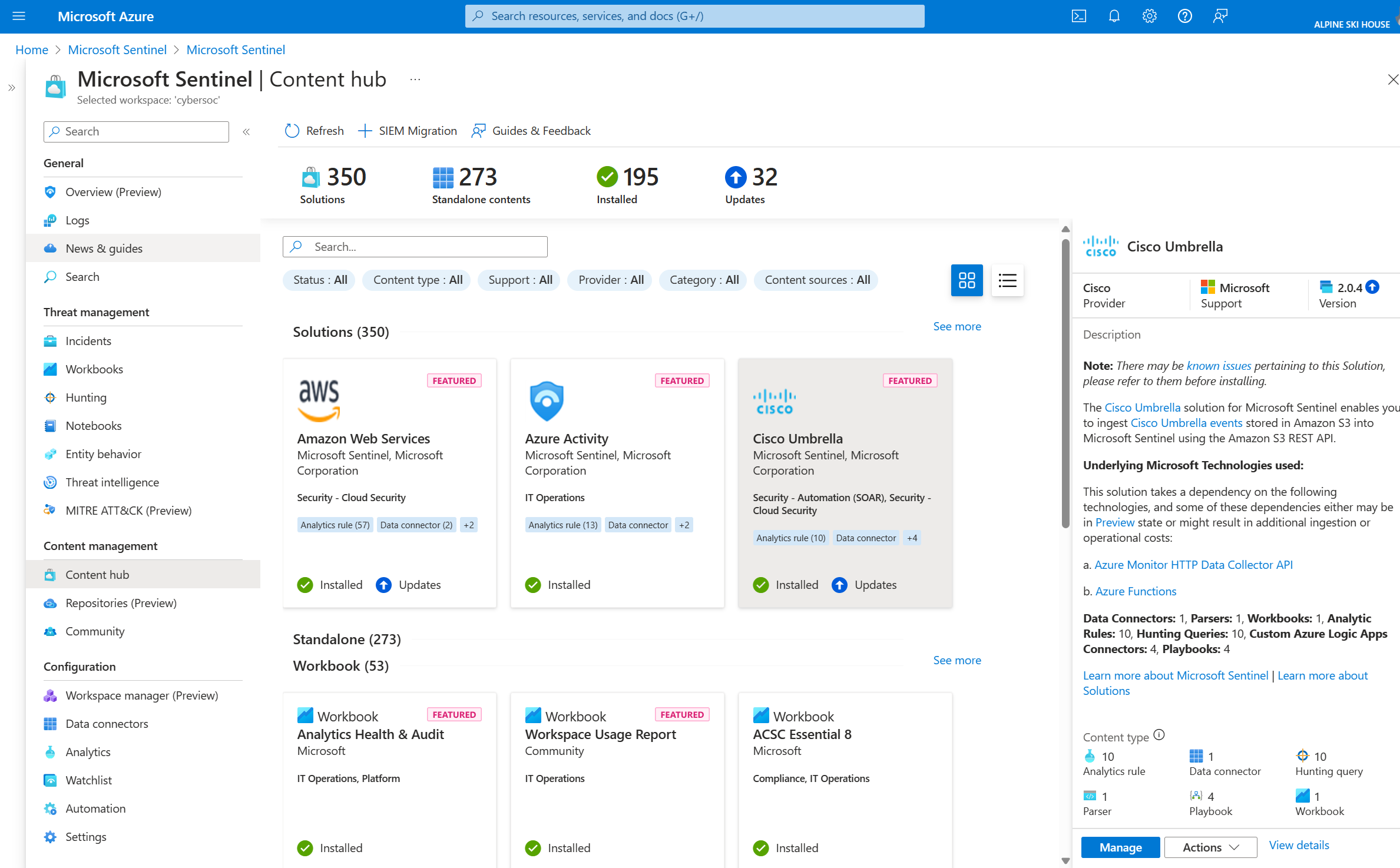
3. Microsoft Sentinel

Microsoft Sentinel is a cloud-native SIEM and SOAR platform that integrates threat intelligence into a unified security operations environment. It centralizes data from multiple sources and applies AI-driven analytics to detect, investigate, and respond to threats. Its architecture combines a data lake, security graph, and automation capabilities to support large-scale security monitoring and intelligence operations.
Allgemeine Merkmale:
- Cloud-native SIEM platform: Centralizes security data and analytics in a scalable cloud environment.
- Unified data lake: Stores and processes large volumes of telemetry for advanced analysis.
- AI-driven detection and response: Uses machine learning and automation to improve detection accuracy and response speed.
- Integrated SOAR capabilities: Automates workflows and incident response using playbooks.
- Broad data integration: Connects to hundreds of data sources across cloud, on-prem, and third-party systems.
Funktionen zur Bedrohungsaufklärung:
- Threat intelligence integration: Combines internal and external intelligence feeds into a single system.
- STIX/TAXII support: Enables standardized ingestion and sharing of threat intelligence data.
- Threat context enrichment: Enhances alerts with additional context using AI and external data sources.
- Indicator correlation: Matches threat indicators against ingested telemetry to generate alerts.
- AI-assisted investigation: Uses generative AI to summarize incidents and recommend response actions.

Source: Microsoft
Cloudbasierte Bedrohungsintelligenz Dienste
4. Aufgezeichnete Zukunft

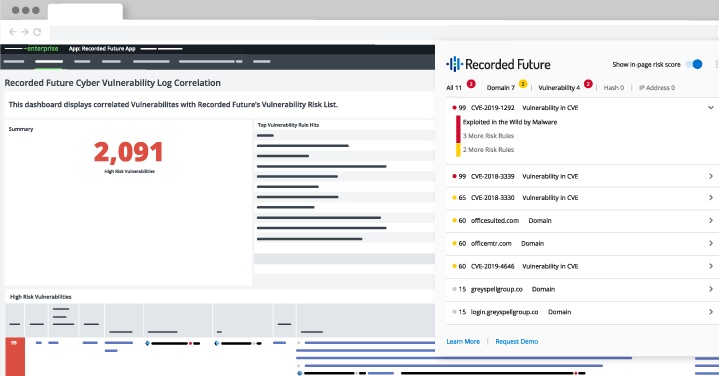
Recorded Future is a threat intelligence platform that uses large-scale data collection and analytics to identify and prioritize cyber risks. It aggregates intelligence from a wide range of sources, including open web, dark web, and technical data, and applies algorithms to identify patterns and emerging threats. The platform is designed to help organizations focus on the most relevant risks and act before attacks occur.
Zu den wichtigsten Funktionen gehören:
- Large-scale data aggregation: Collects threat data from over a million sources, including open and dark web content.
- Pattern-matching analytics: Uses algorithms to identify relationships and trends across threat data.
- Centralized intelligence platform: Provides a unified view of threats across different domains and industries.
- Customizable intelligence views: Allows users to prioritize intelligence based on their specific risk profile.
- Expert research integration: Incorporates analysis from dedicated research teams to add context to data.

Quelle: Recorded Future
5. JEDER.LAUF

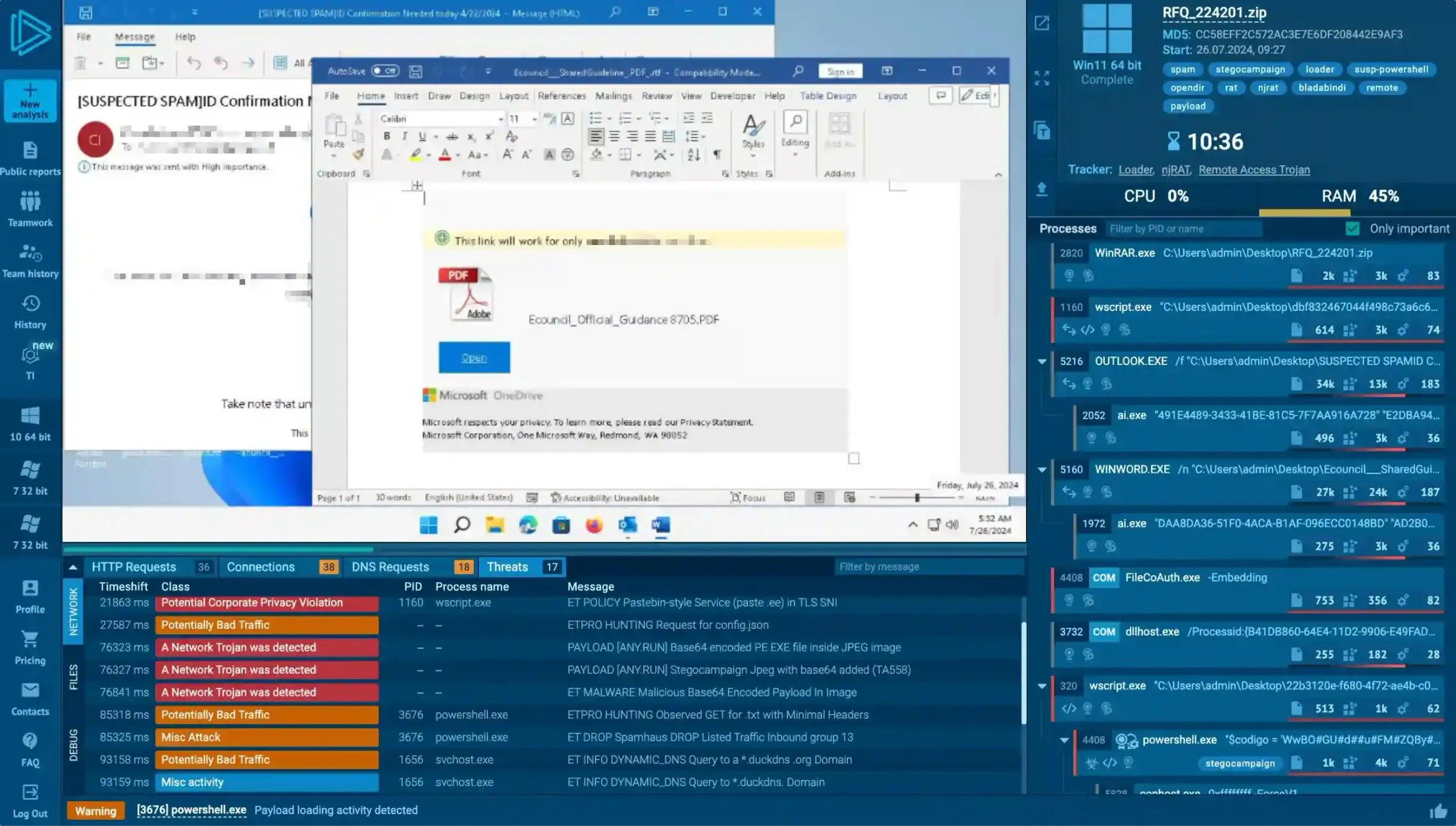
ANY.RUN is an interactive malware analysis platform that also delivers threat intelligence through sandboxing and shared data. It enables analysts to observe malware behavior and access intelligence generated from a large community of users. The platform supports investigation and collaboration by combining live analysis with continuously updated threat data.
Zu den wichtigsten Funktionen gehören:
- Interactive sandbox environment: Allows analysts to execute and observe malware in real time across multiple operating systems.
- Fast threat analysis: Reduces investigation time by enabling quick execution and analysis of suspicious files.
- Collaboration tools: Supports sharing of analysis results and coordination across security teams.
- Operational efficiency tools: Helps improve SOC workflows by speeding up triage and investigation processes.
- Integration capabilities: Connects with SIEM, TIP, and XDR systems via APIs and standard formats.

Source: ANY.RUN
6. Anomali ThreatStream

Anomali ThreatStream is a threat intelligence platform focused on operationalizing threat data within security workflows. It aggregates and scores intelligence from multiple sources, then applies that intelligence directly to alerts, logs, and investigations. The platform emphasizes context-driven prioritization and automation to improve detection and response efficiency.
Zu den wichtigsten Funktionen gehören:
- Centralized threat intelligence platform: Aggregates and manages intelligence from global sources.
- Operational intelligence workflows: Integrates intelligence directly into detection and response processes.
- Real-time enrichment: Enhances security telemetry and alerts with contextual threat data.
- Customizable dashboards: Provides visibility into threats, campaigns, and vulnerabilities.
- Automation-ready architecture: Supports integration with AI and automated SOC workflows.

Quelle: Recorded Future
Abschluss
Threat Intelligence Services sind unerlässlich, um Cyberbedrohungen stets einen Schritt voraus zu sein. Durch die kontinuierliche Erfassung, Analyse und Kontextualisierung von Bedrohungsdaten ermöglichen diese Dienste Unternehmen, schnellere und fundiertere Sicherheitsentscheidungen zu treffen. Die Bereitstellung umsetzbarer Erkenntnisse in Echtzeit verbessert die Erkennung und Reaktion auf Bedrohungen und reduziert gleichzeitig das Risiko von Sicherheitsverletzungen. Angesichts immer raffinierterer Cyberangriffe wird die Nutzung von Threat Intelligence Services zu einem entscheidenden Bestandteil einer proaktiven und widerstandsfähigen Cybersicherheitsstrategie.
Mehr über Exabeam erfahren
Vertiefen Sie Ihr Wissen mit Webinaren, Leitfäden und Analystenberichten.
-
 Der Blog
Access Isn’t Trust: A Behavioral Risk Framework for People, Service Accounts, and AI Agents
-
 Der Blog
Warum das Risiko durch Maschinengeschwindigkeit ein KI-gestütztes SOC erfordert
- Mehr anzeigen