


Die besten Plattformen Bedrohungsintelligenz: Die 11 besten Lösungen im Jahr 2026
- 12 minutes to read
Inhaltsverzeichnis
Was ist eine Bedrohungsintelligenz Plattform?
Eine Bedrohungsintelligenz Platform (TIP) ist eine Technologielösung, die Rohdaten zu neu auftretenden oder bestehenden Bedrohungen aus verschiedenen Quellen aggregiert. Sie verarbeitet und analysiert diese Daten, um verwertbare Erkenntnisse zu gewinnen und so die Sicherheitslage eines Unternehmens zu verbessern.
Threat Intelligence Platforms (TIPs) liefern Sicherheitsteams den Kontext, den sie für schnellere Entscheidungen benötigen. Diese Plattformen vereinfachen die Informationsbeschaffung, filtern irrelevante Informationen heraus und priorisieren Bedrohungen, um Unternehmen bei der effektiven Reaktion auf potenzielle Risiken zu unterstützen. Durch die integrierte Bedrohungsübersicht ermöglichen TIPs ein proaktives Bedrohungsmanagement und die Risikominderung. (Verwandter Inhalt: Lesen Sie unseren Leitfaden zu Threat-Intelligence-Tools.)
Sicherheitsteams nutzen diese Plattformen, um die Erkennungs- und Reaktionszeit durch automatisierte Workflows und verwertbare Informationen zu verkürzen. Angesichts der Weiterentwicklung von Cyberbedrohungen sind TIPs für die Anpassung von Sicherheitsmaßnahmen unerlässlich. Ihre Hauptfunktion besteht darin, Daten in aussagekräftige Bedrohungsinformationen umzuwandeln, die in der gesamten Sicherheitsinfrastruktur eines Unternehmens genutzt werden können.
Dies ist Teil einer Artikelserie zum Thema Informationssicherheit.
In diesem Artikel:
- Schlüsselkomponenten von Bedrohungsintelligenz-Plattformen
- Vorteile von Bedrohungsintelligenz Plattformen
- Lösungen Bedrohungserkennung und -abwehr mit Funktionen Bedrohungsintelligenz (Verwandter Inhalt: Lesen Sie unseren Leitfaden zum Thema Bedrohungsjagd vs. Bedrohungsanalyse)
- Dedizierte Bedrohungsintelligenz Plattformen
Recent Trends in the Threat Intelligence Platform Market
The threat intelligence platform market is experiencing rapid growth, driven by the rising volume and sophistication of cyber threats. Valued at USD 6.87 billion in 2025, the market is projected to reach USD 31.58 billion by 2034, with a compound annual growth rate (CAGR) of 18.3%. North America leads the global market, accounting for nearly 45% of the share in 2025.
This growth reflects a broader shift in cybersecurity, where organizations increasingly rely on centralized platforms to manage and interpret large volumes of threat data. TIPs play a critical role in collecting data from diverse sources, making it actionable for security teams. The increasing use of these platforms is closely tied to the need for faster, more accurate detection and response to threats.
Several factors are contributing to this expansion. The widespread adoption of remote work has introduced new vulnerabilities, prompting organizations to strengthen their cyber defenses. The integration of artificial intelligence is also reshaping the threat intelligence landscape. AI enables real-time analysis of threat data, automates responses, and reduces the burden on human analysts. Enterprises are investing in AI-enhanced TIPs to keep pace with rapidly evolving attack vectors.
Increased awareness of data breaches and regulatory pressures are also pushing organizations to adopt threat intelligence solutions. With an average ransomware attack occurring every 10 seconds globally, the demand for proactive threat visibility and response capabilities continues to rise. TIPs have become an essential part of modern cybersecurity infrastructure, helping organizations navigate a complex and constantly changing threat environment.
Schlüsselkomponenten von Bedrohungsintelligenz-Plattformen
Datenerfassung und -aggregation
Datenerfassung und -aggregation bilden die Grundlage von Threat-Intelligence-Plattformen. Diese Plattformen sammeln Informationen aus verschiedenen Quellen, darunter Open-Source-Informationen, kommerzielle Datenfeeds und interne Netzwerksensoren. Das Hauptziel besteht darin, einen umfassenden Überblick über potenzielle Bedrohungen zu schaffen.
Durch die Zusammenstellung von Daten unterschiedlicher Herkunft können TIPs Muster und Anomalien erkennen, die auf Sicherheitsrisiken hinweisen. Dieser Erfassungsprozess muss effizient sein, um die Relevanz und Aktualität der Daten zu gewährleisten. Die Aggregationskomponente umfasst die Konsolidierung der Daten in einem einheitlichen Format, um die anschließende Analyse zu erleichtern.
Datenanalyse und -verarbeitung
Echtzeitüberwachung und -warnung ermöglichen die sofortige Erkennung potenzieller Bedrohungen. Diese Funktion verfolgt kontinuierlich Aktivitäten in Netzwerken und Systemen und stellt sicher, dass verdächtiges Verhalten umgehend erkannt wird. Durch die sofortige Benachrichtigung können Unternehmen umgehend auf Vorfälle reagieren und so verhindern, dass Datenlecks oder unbefugter Zugriff erhebliche Schäden verursachen.
Diese Funktion verkürzt die Reaktionszeit erheblich, was bei Sicherheitsverletzungen von entscheidender Bedeutung ist. Echtzeitsysteme ermöglichen es Unternehmen zudem, Compliance-Anforderungen zu erfüllen, da sie umfassende Protokolle und Aufzeichnungen von Vorfällen für Auditzwecke bereitstellen.
Reaktion auf Vorfälle und forensische Fähigkeiten
Sobald die Daten erfasst sind, werden sie in der Analyse- und Verarbeitungsphase in umsetzbare Erkenntnisse umgewandelt. TIPs nutzen maschinelle Lernalgorithmen und erweiterte Analyseverfahren, um Trends zu erkennen und wertvolle Informationen aus Rohdatensätzen zu extrahieren. Diese Analysetools helfen dabei, zwischen echten Bedrohungen und Fehlalarmen zu unterscheiden und reduzieren so die Arbeitsbelastung des Sicherheitspersonals.
Die Datenverarbeitung unterstützt die Echtzeit-Bedrohungserkennung durch die Korrelation von Datenpunkten und die Identifizierung von Kompromittierungsindikatoren. Die Analysephase liefert Kontextinformationen, wie z. B. Motive und Angriffsmuster der Bedrohungsakteure, was für eine umfassende Sicherheitsstrategie von entscheidender Bedeutung ist.
Verbreitung Bedrohungsintelligenz
Die Verbreitung von Bedrohungsinformationen ist entscheidend, um sicherzustellen, dass die verarbeiteten Erkenntnisse die richtigen Stakeholder innerhalb eines Unternehmens erreichen. TIPs ermöglichen dies durch automatisierte Berichts- und Warnsysteme, die auf unterschiedliche Zielgruppen zugeschnitten sind – von IT-Sicherheitsteams bis hin zur Geschäftsleitung. Eine effektive Verbreitung stellt sicher, dass Entscheidungsträger rechtzeitig auf wichtige Informationen zugreifen können.
Die Verbreitung umfasst sowohl das Senden von Warnmeldungen als auch die Integration von Bedrohungsinformationen in bestehende Sicherheitssysteme wie SIEMs und Firewalls, um Schutzmaßnahmen automatisch zu implementieren. Diese Integration trägt dazu bei, Arbeitsabläufe zu vereinfachen, manuelle Eingriffe zu reduzieren und Abwehrmaßnahmen zu beschleunigen.
Automatisierung und Orchestrierung
Automatisierung und Orchestrierung verbessern die Effizienz von TIPs erheblich. Durch die Automatisierung werden TIPs so konfiguriert, dass sie Routineaufgaben wie Datenerfassung, Korrelation und Warnmeldungen ohne menschliches Eingreifen durchführen. Dies reduziert den Zeitaufwand für die Bedrohungsbewältigung und ermöglicht es Sicherheitsteams, sich auf komplexe Probleme zu konzentrieren, die menschliches Urteilsvermögen erfordern.
Orchestrierung geht einen Schritt weiter und verbindet verschiedene Sicherheitstools und -prozesse. TIPs lassen sich nahtlos in andere Sicherheitssysteme integrieren und schaffen so einen koordinierten, einheitlichen Abwehrmechanismus. So wird sichergestellt, dass die Automatisierung nicht auf verschiedene Tools verteilt ist, sondern harmonisch zusammenarbeitet.
Vorteile von Bedrohungsintelligenz Plattformen
Bedrohungsintelligenz-Plattformen bieten verschiedene operative und strategische Vorteile, die die Sicherheitseffizienz eines Unternehmens verbessern. Zu den wichtigsten Vorteilen gehören:
- Verbesserte Bedrohungstransparenz: TIPs konsolidieren Bedrohungsdaten aus internen und externen Quellen in einer zentralen Ansicht und helfen Sicherheitsteams, neu auftretende Bedrohungen umfassender und früher im Angriffslebenszyklus zu erkennen.
- Schnellere Reaktionszeiten: Automatisierte Warnmeldungen, Korrelationen und Playbook-Ausführung verkürzen die Zeit zwischen Erkennung und Reaktion und ermöglichen so eine schnellere Eindämmung und Minderung von Bedrohungen.
- Reduzierung von Fehlalarmen: Erweiterte Analysen und kontextbezogene Verarbeitung helfen, Störungen zu beseitigen, sodass sich die Teams auf echte Bedrohungen konzentrieren und Alarmmüdigkeit vermeiden können.
- Verbesserte Zusammenarbeit: TIPs unterstützen den Informationsaustausch zwischen Teams und mit externen Partnern, verbessern die Koordination und ermöglichen gemeinsame Bemühungen zur Bedrohungsaufklärung.
- Bessere Ressourcennutzung: Durch die Automatisierung werden sich wiederholende Aufgaben reduziert, sodass sich Sicherheitsanalysten auf wichtige Untersuchungen und strategische Planung konzentrieren können.
- Integration in die Sicherheitsinfrastruktur: TIPs lassen sich in bestehende Tools wie SIEMs, SOAR Plattformen und Firewalls integrieren und ermöglichen so eine nachrichtendienstlich gesteuerte Verteidigung, ohne dass die aktuellen Systeme grundlegend überarbeitet werden müssen.
Lösungen Bedrohungserkennung und -reaktion mit Bedrohungsintelligenz-Funktionen
1. Exabeam

Exabeam ist ein führender Anbieter von SIEM-Lösungen (Security Information and Event Management), der UEBA, SIEM, SOAR und TDIR kombiniert, um Sicherheitsoperationen zu beschleunigen. Seine Security-Operations-Plattformen ermöglichen es Sicherheitsteams, Bedrohungen schnell zu erkennen, zu untersuchen und darauf zu reagieren und gleichzeitig die betriebliche Effizienz zu steigern.
Hauptmerkmale:
- Skalierbare Protokollerfassung und -verwaltung: Die offene Plattform beschleunigt das Onboarding von Protokollen um 70 %, sodass keine fortgeschrittenen technischen Kenntnisse mehr erforderlich sind, und gewährleistet gleichzeitig eine nahtlose Protokollaggregation in hybriden Umgebungen.
- Verhaltensanalyse: Verwendet erweiterte Analysen, um normales und abnormales Verhalten zu vergleichen und Insider-Bedrohungen, laterale Bewegungen und komplexe Angriffe zu erkennen, die von signaturbasierten Systemen übersehen werden. Kunden berichten, dass Exabeam 90 % der Angriffe erkennt und darauf reagiert, bevor andere Anbieter sie abfangen können.
- Automatisierte Reaktion auf Bedrohungen: Vereinfacht Sicherheitsvorgänge durch Automatisierung der Vorfallzeitpläne, Reduzierung des manuellen Aufwands um 30 % und Beschleunigung der Untersuchungszeiten um 80 %.
- Kontextbezogene Vorfalluntersuchung: Da Exabeam die Zeitleistenerstellung automatisiert und den Zeitaufwand für Routineaufgaben reduziert, verkürzt sich die Zeit für die Erkennung und Reaktion auf Bedrohungen um über 50 %. Vorgefertigte Korrelationsregeln, Modelle zur Anomalieerkennung und Anbieterintegrationen reduzieren die Anzahl der Warnmeldungen um 60 % und minimieren Fehlalarme.
- SaaS- und Cloud-native Optionen: Flexible Bereitstellungsoptionen bieten Skalierbarkeit für Cloud-First- und Hybridumgebungen und gewährleisten eine schnelle Wertschöpfung für Kunden. Für Unternehmen, die ihr SIEM nicht in die Cloud migrieren können oder wollen, bietet Exabeam ein marktführendes, voll funktionsfähiges und selbst gehostetes SIEM.
- Netzwerktransparenz mit NetMon: Bietet tiefe Einblicke über Firewalls und IDS/IPS hinaus, erkennt Bedrohungen wie Datendiebstahl und Botnet-Aktivitäten und erleichtert die Untersuchung durch flexible Suchfunktionen. Deep Packet Analytics (DPA) basiert außerdem auf der NetMon Deep Packet Inspection (DPI)-Engine, um wichtige Indikatoren für Kompromittierungen (IOCs) zu interpretieren.
Die Kunden Exabeam betonen immer wieder, wie die KI-gestützten Tools für Echtzeittransparenz, Automatisierung und Produktivität die Sicherheitskompetenz des Unternehmens verbessern, überforderte Analysten in proaktive Verteidiger verwandeln und gleichzeitig die Kosten senken und branchenführenden Support bieten.
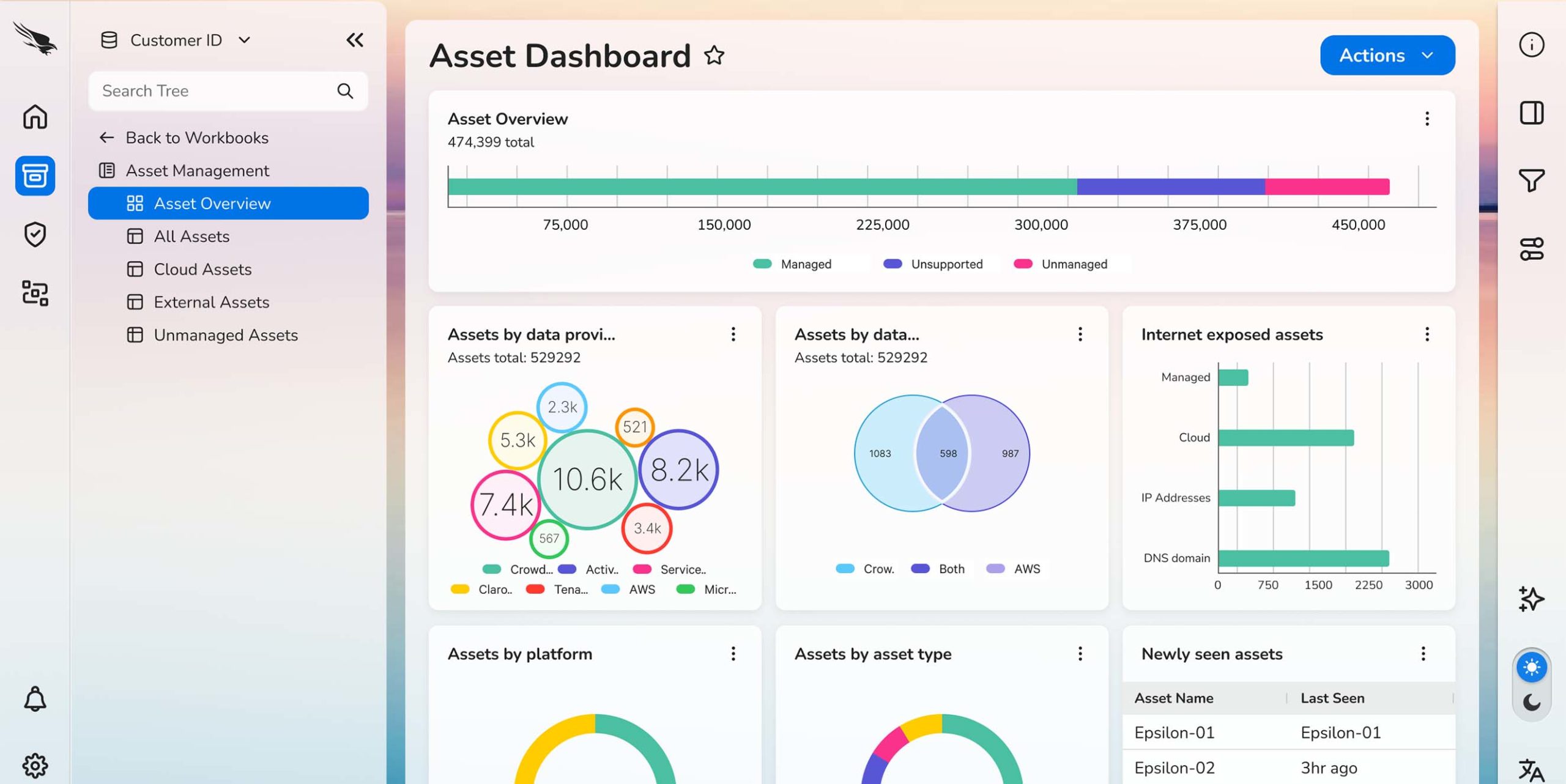
2. CrowdStrike Falcon X

CrowdStrike Falcon X integrates threat intelligence with endpoint protection to automate investigations and accelerate incident response. Built on the cloud-native Falcon platform, it enables security teams to analyze threats directly from endpoints, enrich findings with contextual intelligence, and take action against emerging attacks.
Allgemeine Merkmale:
- Endpoint integration: Tightly coupled with the Falcon platform, Falcon X analyzes malware directly from endpoint detections and presents results alongside existing alerts for faster decision-making.
- Investigation automation: Automates the malware investigation process, combining static and dynamic analysis with threat intelligence to reduce investigation time from days to minutes.
- Custom IOC generation: Generates custom indicators of compromise (IOCs) based on real threats seen in the environment, helping security teams detect and block related attacks.
- Integrated workflow support: Integrates with other security tools using APIs and pre-built connectors, streamlining orchestration across the security stack.
Funktionen zur Bedrohungsaufklärung:
- Actor attribution and threat context: Identifies the tools, tactics, and objectives of adversaries, helping teams understand who is behind an attack and how to respond.
- Intelligence reports: Provides technical and strategic threat intelligence from CrowdStrike’s global research team, including real-time alerts and industry-specific reports (Premium only).
- Threat monitoring: Monitors the web and threat actor infrastructure for indicators relevant to the organization (Premium only).
- Expert malware analysis: Enables submission of suspicious samples for deep analysis and expert review (Premium only).
- YARA and SNORT rules: Delivers detection rules crafted by analysts to help organizations identify and respond to specific threats quickly (Premium only).

Source: CrowdStrike
3. IBM Security X-Force

IBM Security X-Force offers a global team of hackers, responders, analysts, and researchers who provide offensive and defensive cybersecurity services. The team helps organizations detect, prevent, and respond to threats by combining real-world attack simulation with threat intelligence and incident response.
Allgemeine Merkmale:
- Offensive security services: Conducts penetration testing, red teaming, and adversary simulation to identify and exploit security weaknesses before attackers can.
- Incident response: Provides 24×7 support for breach detection, containment, and recovery, along with preparedness planning and crisis management.
- Vulnerability management: Helps organizations find, prioritize, and remediate exploitable vulnerabilities in critical systems.
- Cyber range training: Offers simulated attack environments to train business and technical teams in coordinated incident response.
Funktionen zur Bedrohungsaufklärung:
- Research-driven threat analysis: Delivers ongoing analysis from global threat researchers to help understand attacker behavior and tactics.
- Custom intelligence briefings: Offers personalized sessions with analysts to provide insights aligned to the organization’s specific risks.
- Threat intelligence services: Translates raw data into actionable intelligence to guide risk reduction strategies.
- Global coverage and visibility: Leverages data and threat insights from incidents and operations across 170 countries.

Source: IBM

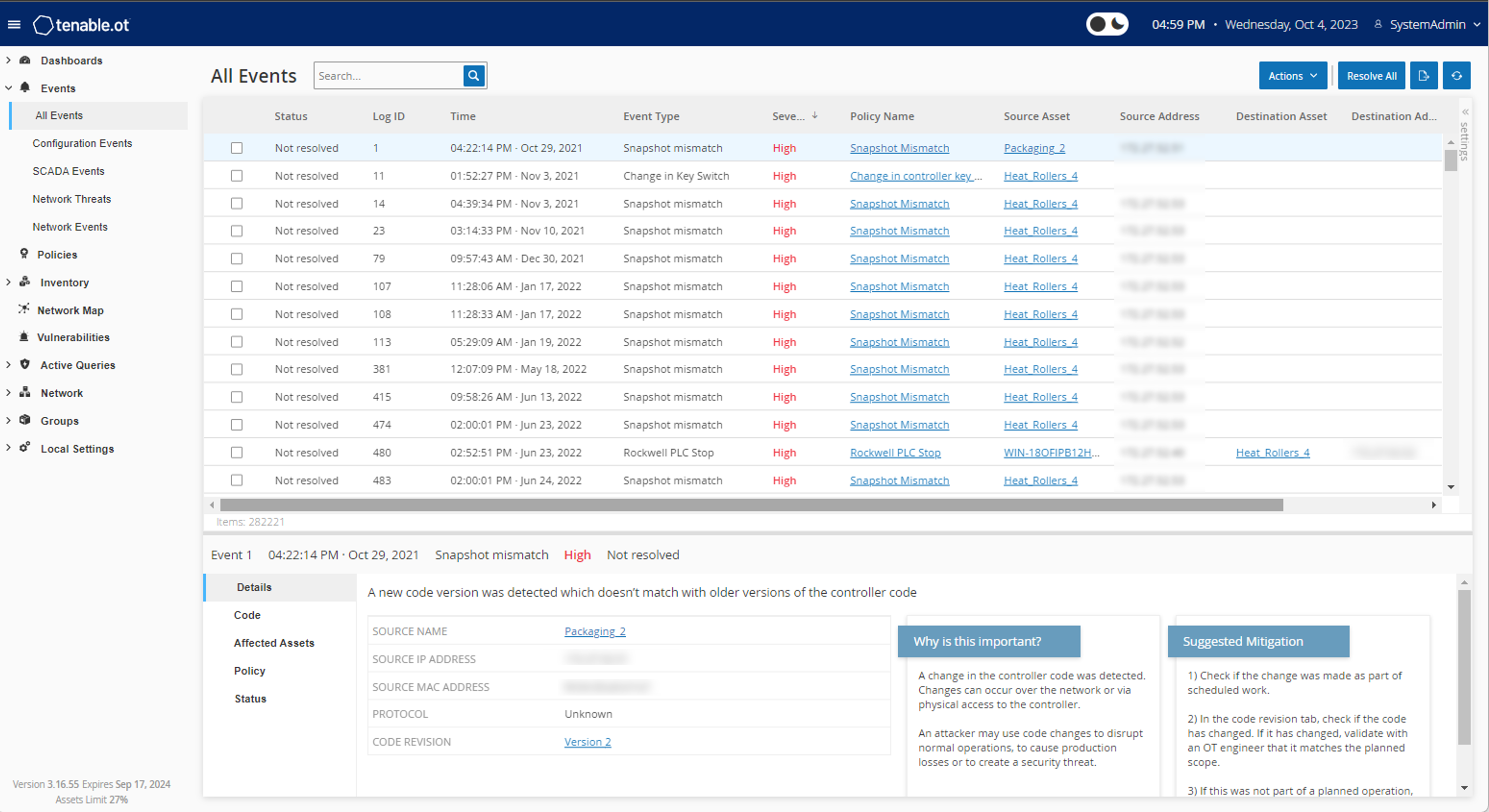
4. Tenable Security Center

Tenable Security Center is an on-premises vulnerability management solution that provides organizations with real-time visibility into their network assets and exposures. It combines asset discovery, risk scoring, and threat intelligence to help security teams prioritize and remediate vulnerabilities efficiently.
Allgemeine Merkmale:
- On-premises risk-based vulnerability management: Offers centralized visibility into assets and vulnerabilities, using unlimited Nessus scanners and customizable dashboards.
- Asset discovery: Identifies known and unknown assets through active scanning, agents, passive network monitoring, and external attack surface analysis.
- Flexible deployment and integration: Supports hybrid environments and includes free API access for data enrichment and third-party tool integration.
- Customizable workflows and reporting: Provides configurable alerts, ticketing, and compliance reporting with real-time metrics.
- Asset criticality rating (Plus version): Helps contextualize risk by factoring in business importance of assets for better prioritization.
Funktionen zur Bedrohungsaufklärung:
- Predictive Prioritization: Combines vulnerability data with threat intelligence and data science to identify which exposures are most likely to be exploited.
- Contextualized threat insights: Delivers built-in risk scores and threat context to help security teams make faster remediation decisions.
- Real-time detection of malicious activity: Identifies behaviors such as botnet communications and command-and-control traffic to support proactive response.
- Vulnerability intelligence: Enriches vulnerability findings with CVE data and threat likelihood, improving the accuracy of prioritization and remediation planning.

Source: Tenable
5. Fahrradvision

Cyble Vision is an AI-native threat intelligence platform that delivers visibility into cyber risks across the surface, deep, and dark web. Powered by Agentic AI and integrated with Cyble Blaze, it supports proactive threat detection, investigation, and response for enterprises and governments. The platform combines cyber, brand, third-party, and physical threat monitoring into a single intelligence framework.
General features:
- Unified threat monitoring: Provides visibility across digital, physical, and third-party risks, offering a view of the threat landscape.
- Agentic AI integration: Uses autonomous AI components for real-time detection, context-aware analysis, and continuous learning to adapt to evolving threats.
- Executive and brand monitoring: Tracks executive exposure, logo misuse, and impersonation attempts to safeguard reputation and leadership profiles.
- Dark web coverage: Monitors forums, marketplaces, and underground activity to detect early-stage threats and compromised data.
- Integration with enterprise systems: Supports SIEM, SOAR, messaging, and ticketing tools like Splunk, QRadar, ServiceNow, and Slack for operational efficiency.
Funktionen zur Bedrohungsaufklärung:
- AI-driven threat attribution: Links malicious activity to known threat actors using behavioral analysis and campaign mapping.
- Threat actor profiling: Builds detailed profiles of adversaries, including their tactics, targets, and tools, for enhanced situational awareness.
- Automated threat summarization: Uses natural language processing to generate condensed, actionable insights and remediation guidance.
- Alert filtering: Applies AI tagging to prioritize alerts based on sentiment, language, and content sensitivity, reducing noise.
- Real-time intelligence reporting: Delivers ongoing threat landscape updates, dark web investigations, and tailored risk advisories.

Quelle: Cyble Vision

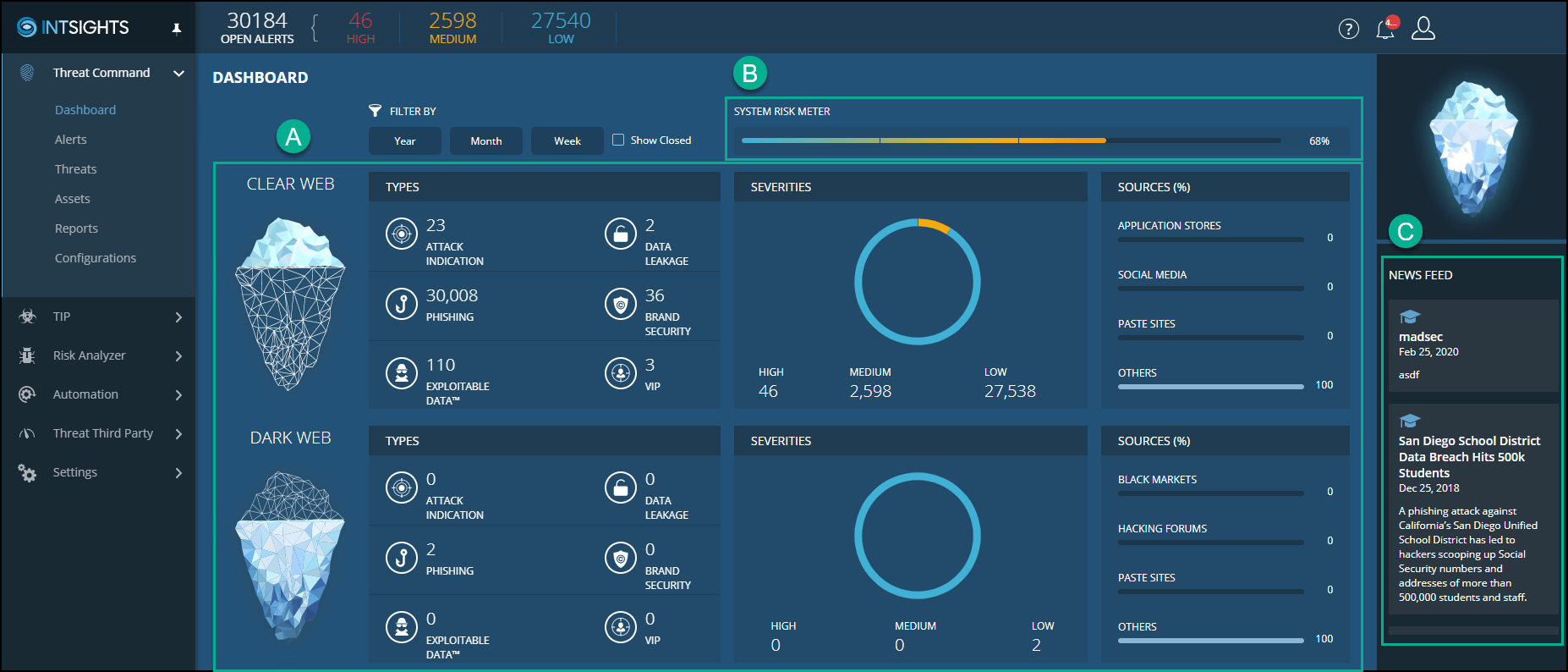
6. Rapid7-Bedrohungskommando

Rapid7 Threat Command provides external threat intelligence and digital risk protection by combining curated threat data, real-world attacker insights, and proactive monitoring. It helps security teams prioritize threats, reduce false positives, and accelerate response by delivering intelligence from both open and dark web sources.
Allgemeine Merkmale:
- Unified threat intelligence platform: Integrates threat data across Rapid7’s Command Platform, ensuring consistent visibility and prioritization across detection, response, and remediation tools.
- Digital risk protection: Monitors for external threats including phishing, brand impersonation, and exposed credentials across the clear, deep, and dark web.
- Collaborative intelligence sources: Leverages insights from open-source communities, vulnerability databases, incident response cases, and proprietary research projects like Sonar and Lorelei.
- Integrated response capabilities: Enables security teams or managed service providers to take action on threats in real time using automated playbooks and expert-driven workflows.
Funktionen zur Bedrohungsaufklärung:
- Curated, high-fidelity threat data: Prioritizes active threats based on real-world exploitation, attacker behavior, and industry relevance, helping teams focus on what matters most.
- IOC confidence scoring and decay modeling: Provides validated indicators of compromise with automated decay to reduce alert fatigue and false positives.
- Campaign and TTP visibility: Offers real-time intelligence on attacker tools, techniques, and procedures (TTPs), as well as visibility into targeted campaigns by region or sector.
- Strategic threat reporting: Supports executive decision-making with industry-specific threat trends and board-level risk reporting informed by Rapid7 Labs research.

Source: Rapid7
Dedizierte Bedrohungsintelligenz Plattformen
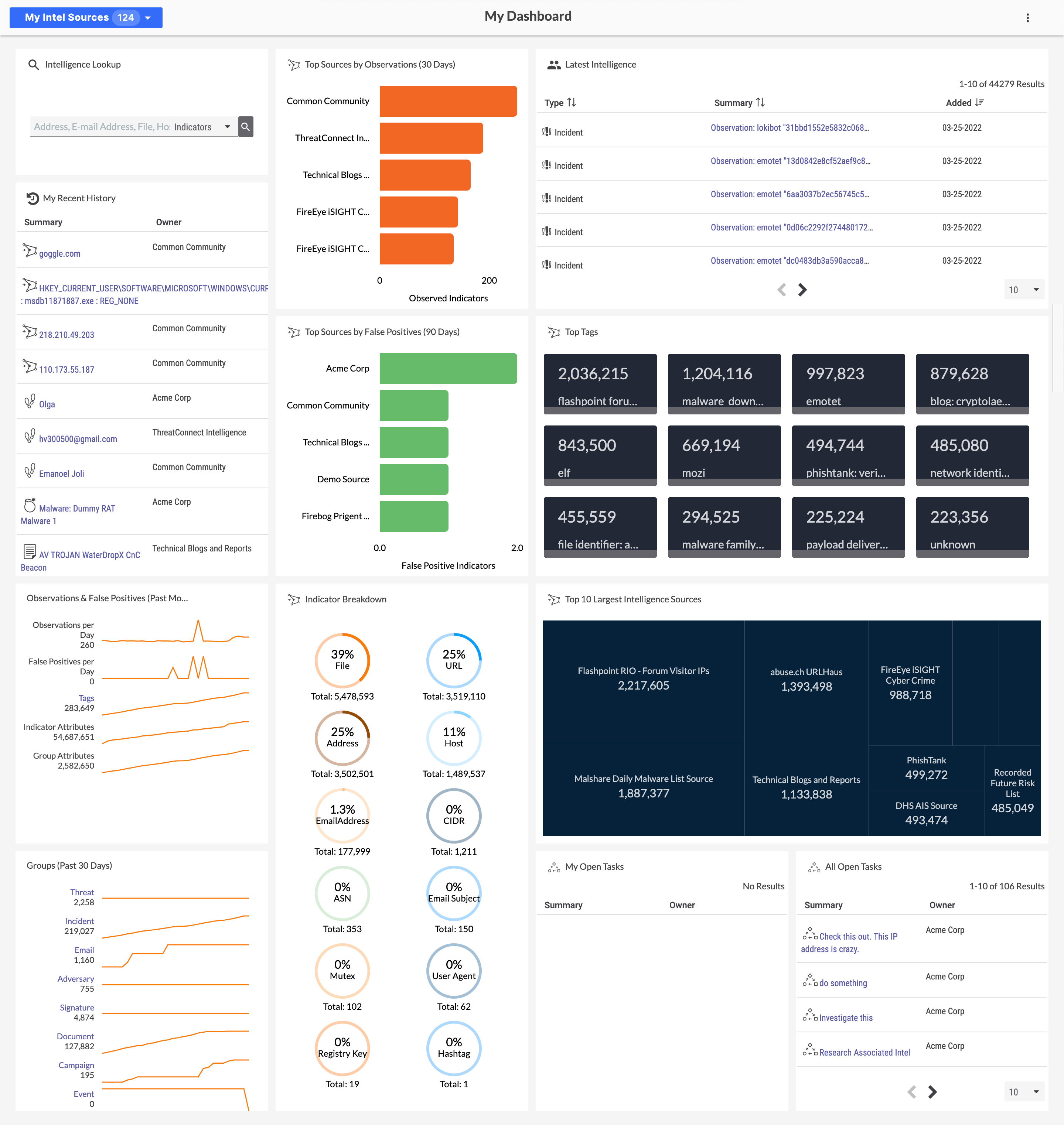
7. Bedrohungsverbindung

ThreatConnect is an operational threat intelligence platform that transforms raw threat data into actionable defense across the security stack. It enables organizations to enrich, prioritize, and operationalize threat intelligence with real-time context, automation, and tight integration into existing tools. The platform supports use cases across detection engineering, alert triage, threat modeling, and incident response.
Zu den wichtigsten Funktionen gehören:
- Threat intelligence enrichment: Aggregates and curates threat data using AI and community-driven insights, delivering business-relevant context for better prioritization.
- MITRE ATT&CK-based threat modeling: Maps threats to specific techniques and business risks, enabling tailored detection rules and strategic decision-making.
- Alert triage and false positive reduction: Uses enrichment and scoring to deprioritize low-risk events, reducing noise and analyst workload.
- Vulnerability prioritization: Aligns vulnerabilities with active threat campaigns and financial impact to focus remediation efforts.
- Integrated incident response: Automates playbooks and overlays contextual intelligence into workflows for faster, more informed response.
- Cross-platform orchestration: Integrates with SIEMs, SOAR, EDR/XDR, vulnerability management, and ticketing tools to push IOCs and TTPs into detection and response pipelines.

Source: ThreatConnect
8. Aufgezeichnete Zukunft

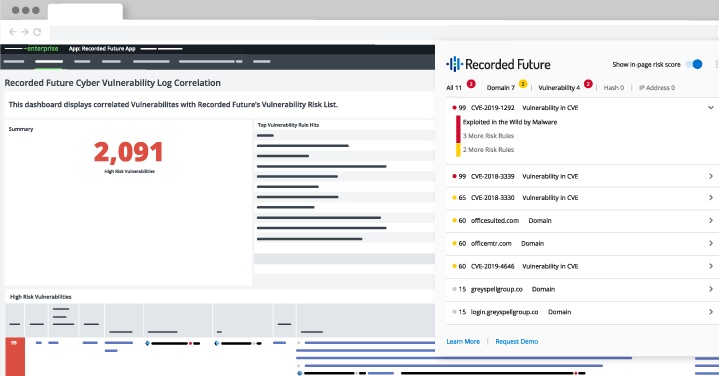
Recorded Future delivers threat intelligence through a platform that enables organizations to detect, prioritize, and respond to threats with speed and context. Using Intelligence Graph® and Insikt Group® research, the platform automates intelligence collection and analysis across sources including ransomware sites, malware repositories, and underground forums.
Zu den wichtigsten Funktionen gehören:
- Threat map and actor tracking: Visualizes threat actors and malware targeting the organization, using intent and capability to prioritize risks.
- AI-powered malware intelligence: Enables proactive hunting with automated malware analysis, alerting, and rule generation using AutoYARA and other tools.
- Advanced query and alerting: Provides a custom query builder for targeted threat searches and real-time alerting via multiple channels.
- Ransomware lifecycle analysis: Offers visibility into ransomware threats through risk profiling, victim tracking, and secure browsing of extortion sites.
- Customizable reporting: Uses AI to generate scheduled, audience-specific intelligence reports tailored to your organization’s threat landscape.
- Threat hunting packages: Supplies pre-built YARA, Snort, and Sigma rules developed by Insikt Group® to accelerate hunting and detection workflows.
- Sandbox detonation: Supports manual and automated file analysis in a customizable environment for in-depth behavioral insights.

Quelle: Recorded Future
9. Anomali ThreatStream

Anomali ThreatStream is a next-generation threat intelligence platform built to operationalize intelligence across security operations. Instead of isolating threat data in separate tools, ThreatStream delivers curated intelligence directly into detection, investigation, and response workflows.
Zu den wichtigsten Funktionen gehören:
- Curated threat intelligence: Continuously maintained and confidence-scored indicators sourced from global feeds to ensure relevance and accuracy.
- Real-time enrichment: Applies threat intelligence directly to security alerts, logs, and telemetry as events occur.
- Context-aware alerts: Automatically attaches threat context to alerts and investigations, eliminating the need for manual lookups.
- Operationalized intelligence: Integrates intelligence into every stage of the SOC workflow, from detection to response, saving analyst time and reducing alert fatigue.
- Automation-ready outputs: Designed to power AI and automated workflows with intelligence formatted for orchestration and agentic SOC actions.
- Threat-informed prioritization: Helps analysts focus on threats most relevant to their environment, improving triage and response decisions.

Source: Anomali

10. Bedrohungsquotient ThreatQ

ThreatQ is a threat intelligence platform to simplify threat detection, investigation, and response by centralizing threat data and integrating it across tools and teams. The platform relies on the DataLinq Engine, which consolidates intelligence from multiple sources and formats, enabling faster decision-making.
Zu den wichtigsten Funktionen gehören:
- Threat Library: Acts as a centralized repository for storing, contextualizing, and reusing threat intelligence gathered from past detections and incidents.
- Dynamic scoring: Automatically scores and ranks internal and external intelligence based on user-defined criteria to support effective triage.
- Smart collections: Enables the grouping of threat data based on customizable variables for efficient categorization or action.
- Investigations module: Provides a collaborative interface for managing investigations and incident response in a visual, structured format.
- TDR Orchestrator: Supports data-driven automation for threat detection and response, integrating seamlessly with TIP and TDIR workflows.
- DataLinq Engine: Fuses disparate data sources and formats to deliver relevant, prioritized intelligence to the right tools and teams.

Source: ThreatQuotient

11. Stella Cyber

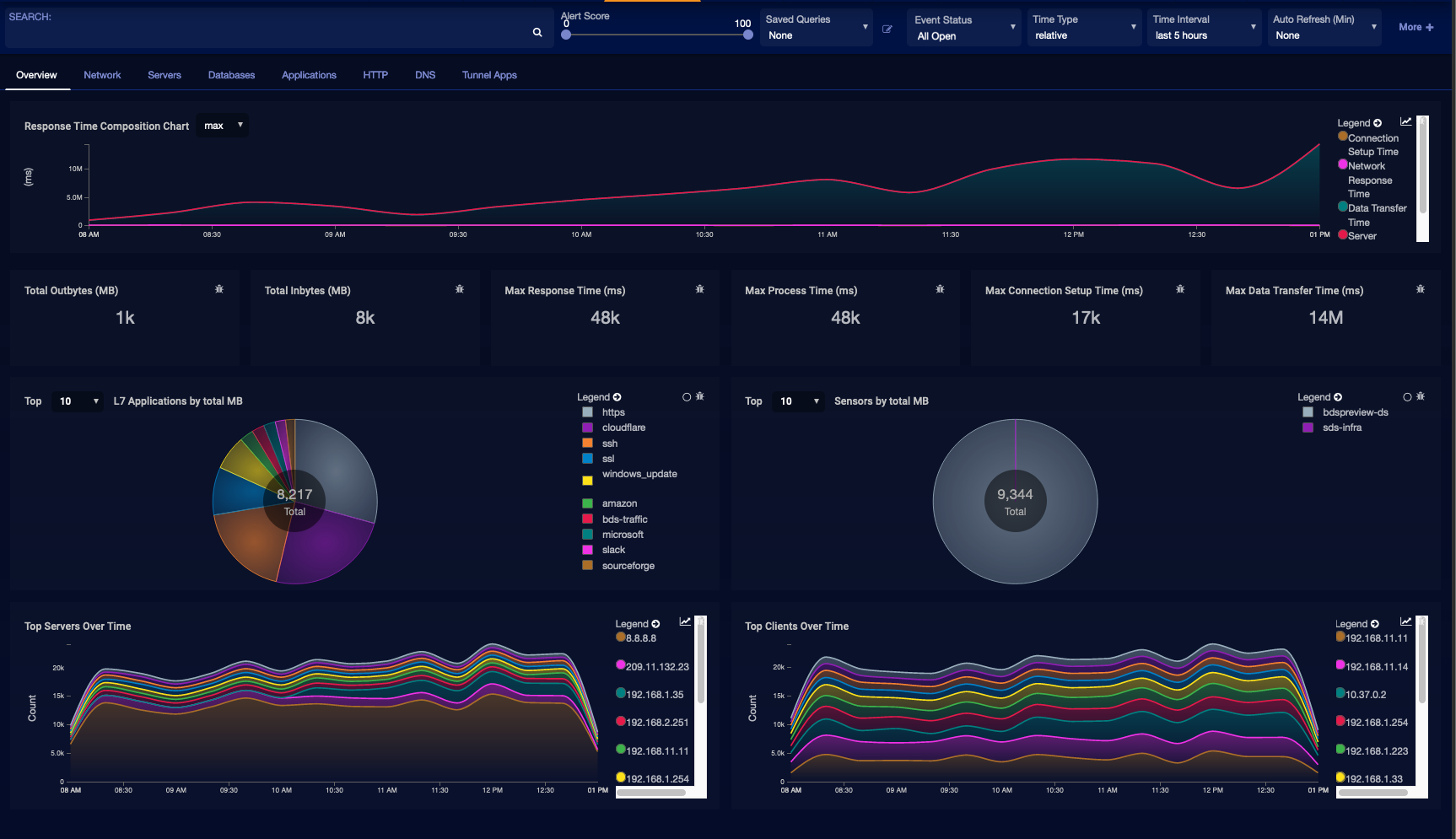
Stellar Cyber includes a native threat intelligence platform that aggregates and enriches threat data across deployments. Intended for both enterprises and MSSPs, the platform supports automated detection and response by integrating multiple threat intelligence feeds out of the box, while also allowing organizations to bring their own custom feeds.
Hauptmerkmale:
- Built-in threat intelligence: Aggregates multiple intelligence feeds by default and distributes them across deployments for real-time enrichment.
- Custom feed support: Allows organizations to bring and integrate their own threat intelligence sources for tailored detection.
- Real-time distribution: Pushes threat intelligence updates instantly to all parts of the platform for consistent data enrichment and detection.
- Automated enrichment: Applies threat intelligence to collected data automatically, supporting detection and response without manual intervention.
- Integration with Open XDR: Works as a core part of Stellar Cyber’s Open XDR platform, enabling use cases like automated threat hunting and AI-driven response.
- Support for MSSP environments: Built for multi-tenant, multi-tier, and multi-site operations, allowing service providers to manage threat intelligence at scale.

Source: Stella Cyber
Abschluss
Threat-Intelligence-Plattformen stärken die Cybersicherheit eines Unternehmens, indem sie große Mengen an Rohdaten zu Bedrohungen in verwertbare Erkenntnisse umwandeln. Sie vereinfachen die Erkennung, Analyse und Reaktion auf Bedrohungen durch Automatisierung, Kontextanalyse und Integration in bestehende Systeme. Durch die Zentralisierung von Intelligence-Operationen und die Verbesserung der Transparenz bei neu auftretenden Risiken unterstützen TIPs Sicherheitsteams dabei, entschlossen und effizient zu handeln.
Weitere Leitfäden zu wichtigen Themen der Informationssicherheit finden Sie hier.
Gemeinsam mit unseren Content-Partnern haben wir ausführliche Leitfäden zu verschiedenen anderen Themen verfasst, die Ihnen bei der Erkundung der Welt der Informationssicherheit ebenfalls nützlich sein können.
FortiSIEM
Autor: Exabeam
- [Leitfaden] FortiSIEM: Hauptmerkmale, Preise, Einschränkungen und Alternativen
- [Leitfaden] 10 Fortinet-Konkurrenten, die man 2025 kennen sollte
- [Blog] Wie SIEM bei der Cyber-Versicherung hilft
- [Produkt] LogRhythm SIEM | Selbstgehostete SIEM-Lösung für fortgeschrittene TDIR-Anwendungen
Securonix
Autor: Exabeam
- [Leitfaden] Securonix: Lösungsübersicht, Einschränkungen & Top 5 Alternativen
- [Whitepaper] Gartner ® Magic Quadrant™ für SIEM
- [Produkt] New-Scale SIEM | Sicherheitsbetriebsplattform
Sicherheit der Software-Lieferkette
Autor: Oligo
- [Produkt] Oligo ADR | Sofortige Angriffserkennung & Lieferkettensicherheit
- [Leitfaden] Der ultimative Leitfaden zur Sicherheit der Software-Lieferkette im Jahr 2025
- [Leitfaden] Lieferkettenangriffe: Funktionsweise und 5 aktuelle Beispiele
- Blog] ShellTorch: Mehrere kritische Sicherheitslücken in PyTorch TorchServe bedrohen unzählige KI-Nutzer
Mehr über Exabeam erfahren
Vertiefen Sie Ihr Wissen mit Webinaren, Leitfäden und Analystenberichten.
- Der Blog
Warum das Risiko durch Maschinengeschwindigkeit ein KI-gestütztes SOC erfordert
- Mehr anzeigen