目次
脅威インテリジェンスソフトウェアとは?
脅威インテリジェンス・ソフトウェアは、組織のITインフラに対する潜在的脅威に関する実用的な情報を収集、分析、実装します。サイバー攻撃、マルウェア、脆弱性など、さまざまなソースからのデータを照合し、パターンを検出して将来の脅威を予測します。
これらの洞察は、リスクを軽減し、セキュリティ対策を改善するための情報に基づいた意思決定に役立つ。このソフトウェアにより、組織は過去のデータとリアルタイムのデータを活用することで、脅威に対応し、脅威を予測・準備することができます。
脅威インテリジェンス・ソフトウェアは、既存のセキュリティ対策やツールと統合して、組織の防御メカニズムを強化します。脅威の検出と対応の多くの側面を自動化できるため、潜在的なサイバーセキュリティ・インシデントに対する迅速な対応が可能になります。最も重要なことは、組織に特有の関連性と重大性の観点から脅威を文脈化するのに役立つことです。
これは、サイバー脅威インテリジェンスに関する一連の記事の一部である。
脅威インテリジェンス市場の動向
市場規模と成長見通し
世界の脅威インテリジェンス市場の規模は68億7000万米ドルと評価されている。2034年までに315億8000万米ドルまで拡大すると予測されている。これは年平均成長率(CAGR)18.30%に相当する。
北米が市場をリードしており、世界シェアの44.70%を占めています。この成長は、充実したインフラ、サイバーセキュリティソリューションの普及率の高さ、そして研究開発への継続的な投資によって牽引されています。
主な成長要因
サイバー攻撃の増加が、需要を牽引する主な要因となっています。特にリモートワークや分散型システムの拡大に伴い、ランサムウェアやデータ漏洩などのインシデントは増加の一途をたどっています。各組織は、世界的な脅威の動向を監視し、データ損失を防止するために、脅威インテリジェンスソリューションを導入しています。
これらのプラットフォームは、攻撃をリアルタイムで検知し、迅速な対応を可能にする洞察を提供します。また、クラウドコンピューティングへの移行により、攻撃対象領域も拡大しています。その結果、企業は分散環境全体にわたる脅威を可視化するために、脅威インテリジェンスへの投資を進めています。
AIの役割は脅威インテリジェンス
人工知能は、現代の脅威インテリジェンス・プラットフォームの中核をなす要素になりつつあります。これにより、システムは大量のセキュリティイベントを処理し、潜在的な脅威を示すパターンを特定することが可能になります。
機械学習やディープラーニングといったAI技術は、検知精度を向上させ、手作業の負担を軽減します。また、対応措置の自動化や人為的ミスの削減にも役立ちます。企業はAIを活用したセキュリティへの投資を拡大しています。多くの企業が、現代のサイバー脅威の規模と複雑さに対処するために、AIが不可欠であると考えています。
オンプレミス・サイバー脅威インテリジェンスソフトウェアの種類
オンプレミスのサイバー脅威インテリジェンス・ソフトウェアにはいくつかの形態があり、それぞれ組織のインフラにおける脅威の検知と対応の異なる側面に対応するように設計されている。以下に主な種類を紹介する。
セキュリティ情報・イベント管理(SIEM)システムと脅威インテリジェンスの統合
シーイーエムシステムは、ネットワーク上の様々なソースからログデータを収集・分析します。脅威インテリジェンス・フィードで強化すると、ネットワーク・イベントと、悪意のあるIPアドレス、ファイル・ハッシュ、ドメイン名などの既知の脅威インジケータを関連付けることができます。この統合は、標的型攻撃の検出や、ネットワーク・セキュリティの強化に役立ちます。内部脅威コンテクスチュアルな脅威データに基づくリアルタイムのアラートを提供する。
脅威インテリジェンスプラットフォーム(TIPs)
TIPは、外部および内部の複数のソースから脅威インテリジェンスを収集、集約、管理するために設計された専用ツールです。TIPは、セキュリティチームが脅威の優先順位付けを行い、アラートにコンテキスト情報を付加し、セキュリティツール間でインテリジェンスを共有するのに役立ちます。オンプレミスのTIPは、組織がデータを完全に管理できるため、データ主権に関する要件が厳しい業界に適しています。
インテリジェンス・モジュールを備えたエンドポイント検出・応答(EDR)ツール
EDR ソリューションは、エンドポイントの不審な行動を監視し、エンドポイントの行動を詳細に可視化します。一部のオンプレミス型 EDR ツールには脅威インテリジェンス・モジュールが統合されており、エンドポイントの活動を既知の脅威インジケータと関連付けることで、高度な持続的脅威(APT)やマルウェア亜種の特定に役立ちます。
ネットワークトラフィック解析(NTA)ソリューション
NTAツールは、ネットワーク・トラフィックの異常や既知の攻撃パターンを監視します。脅威インテリジェンス・フィードと組み合わせることで、これらのツールは、コマンド・アンド・コントロール通信、横移動、データ流出の試みなどの脅威を検出することができます。オンプレミスの導入により、機密性の高いネットワーク・データを組織内に残すことができます。
脅威インテリジェンスデータベースとリポジトリ
これらのデータベースは、IOC(indicator of compromise:侵害の指標)、TTP(tactics, techniques, and procedures:戦術、技術、手順)、攻撃者のプロファイルなどの脅威インテリジェンス・データを蓄積するスタンドアロン・システムです。セキュリティ・チームは、これらのデータベースを使用して、インシデントを手動で調査したり、他のセキュリティ・ツールからのアラートを充実させたりします。
関連コンテンツ脅威インテリジェンスツールのガイドを読む(近日公開予定)
SIEM およびログ管理プラットフォーム脅威インテリジェンスモジュール
1.エクサビーム

Exabeamは、SIEM、UEBA、SOAR、脅威検知・調査・対応(TDIR)機能を統合し、オンプレミス環境とハイブリッド環境における脅威インテリジェンスの運用を実現するセキュリティ・オペレーション・プラットフォームです。このプラットフォームは、組織のインフラ全体からログとテレメトリを取り込み、このデータを外部の脅威インテリジェンスと相関させ、行動分析を使って、内部脅威、クレデンシャルの漏洩、横の動きを示す可能性のある異常なアクティビティを特定します。
一般的な特徴
- オンプレミス環境とクラウド環境のログ管理と分析を一元化
- イベントを明確な攻撃シナリオに統合する自動化された脅威のタイムライン
- ファイアウォール、EDR、SOARソリューションなど、既存のセキュリティ・ツールとの統合
- オンプレミス、クラウド、ハイブリッド環境に対応する柔軟な導入オプション
脅威インテリジェンス機能:
- 行動分析と異常検知により、シグネチャやルールベースの検知を回避する脅威を表面化。
- IOCと攻撃者のTTPに関する豊富なコンテキストのための内部および外部情報フィードとの相関関係
- 調査およびトリアージの自動化により、手作業を減らし、対応時間を短縮。
- サイロを作ることなく、SOCエコシステム全体で脅威インテリジェンスを共有するオープンな統合モデル
Exabeam脅威インテリジェンスと検知・対応ワークフローを統合し、オンプレミスやハイブリッドのSOCにおいて迅速な調査を可能にし、アラートによる疲労を軽減することを求める企業によって選択されることが多い。
2.グレイログ

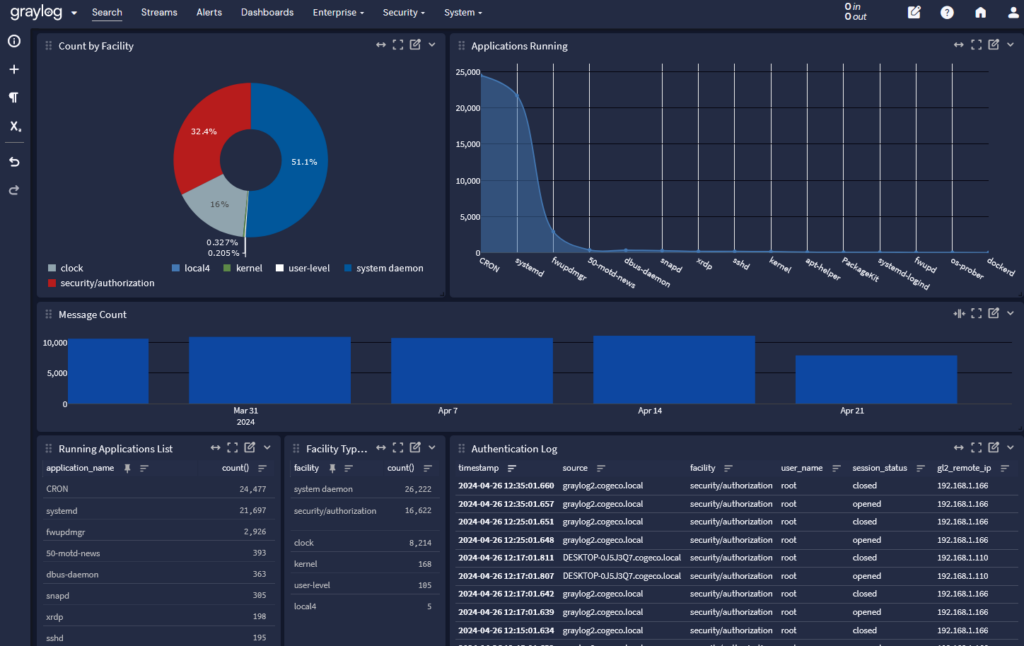
Graylogは、組織がオンプレミス、クラウド、ハイブリッド環境にわたるログデータを収集、保存、検索、分析できるようにする、セルフマネージド型のログ管理プラットフォームです。システムおよびアプリケーションのアクティビティを一元的に可視化することで、チームはスケーラブルな検索・分析機能を活用し、運用状況の監視、問題の調査、潜在的なセキュリティ脅威の検知を行うことができます。
一般的な特徴
- 一元化されたログ管理:さまざまなソースからのログデータを単一のプラットフォームに収集、保存、処理します。
- 柔軟な導入オプション:オンプレミス、クラウド、ハイブリッド環境のいずれでも、一貫した機能を提供します。
- 高速検索・分析:トラブルシューティングや調査のために、大量のログデータに対して高速なクエリを実行できます。
- カスタムダッシュボードと可視化:トレンドやシステムの挙動を監視するためのリアルタイムダッシュボードを提供します。
- 拡張性と統合性:API、プラグイン、マーケットプレイスとの連携機能を提供し、既存のツールとの連携を可能にします。
脅威インテリジェンス機能:
- イベントの監視とアラート:ログイベントに基づいてアラートを作成し、不審な活動や悪意のある活動を検知することができます。
- データの充実化と相関分析:外部データソースとの連携をサポートし、ログイベントにコンテキストを追加します。
- 異常検知:セキュリティインシデントを示唆する可能性のある、ログデータ内の異常なパターンを特定します。
- 調査支援:ログの一元的な分析を可能にし、インシデントの調査と対応を迅速化します。

Source: Graylog
3.ManageEngine Log360 の脅威インテリジェンスプラットフォーム

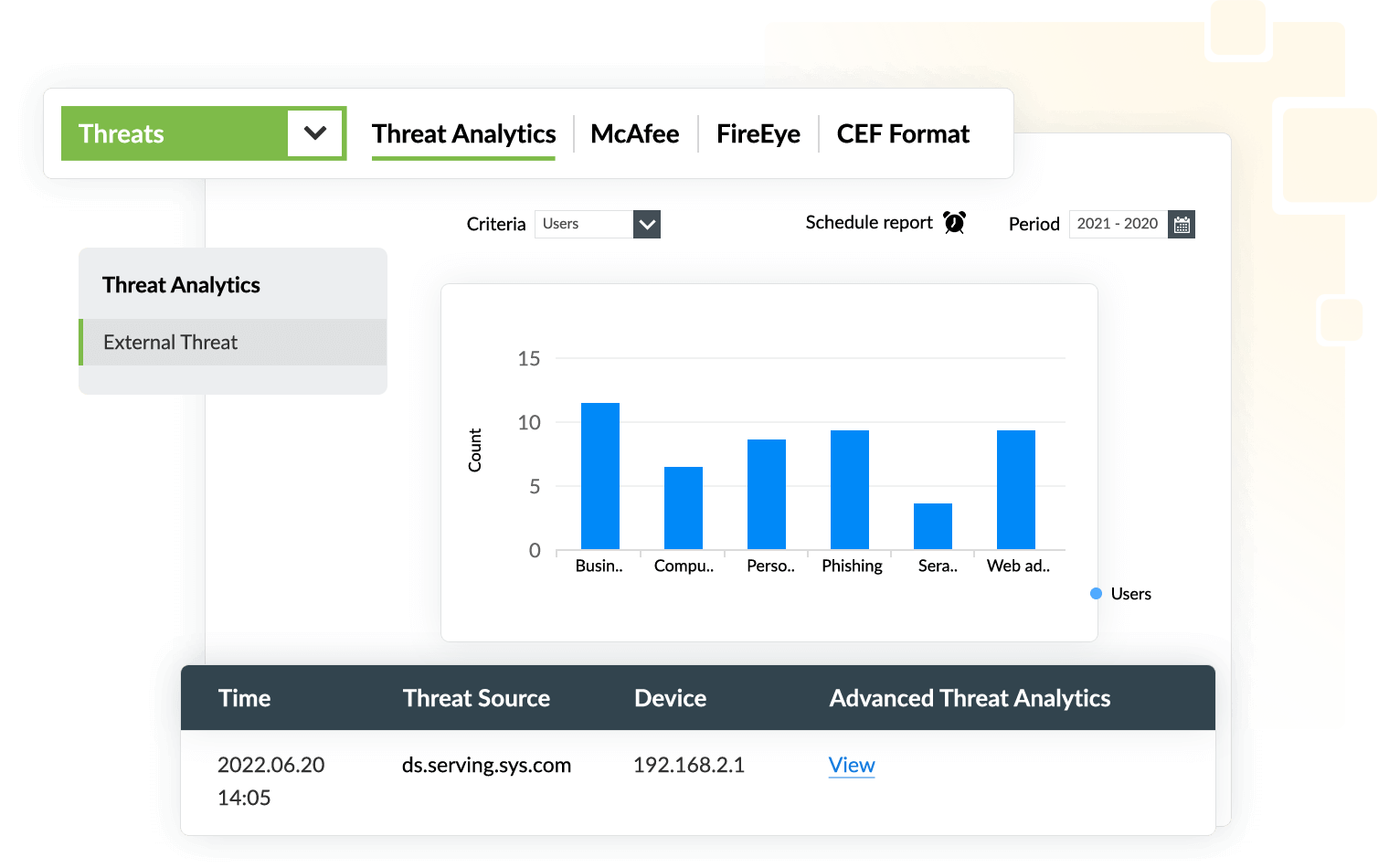
ManageEngine Log360は、脅威インテリジェンスをログ分析および検知ワークフローに統合するSIEMベースのプラットフォームです。複数の外部ソースからの脅威データを取り込み、正規化を行い、コンテキスト情報に基づいてセキュリティイベントを充実させ、それらを内部ログと関連付けることで、ノイズを低減しつつ、実際の脅威を特定し、優先順位付けを行います。
一般的な特徴
- ログの収集と分析:ネットワーク機器、サーバー、アプリケーションからのログを集約し、一元的な監視を実現します。
- リアルタイムの脅威検知:ログを分析し、環境全体にわたるイベントを相互に関連付けることで、不審な活動を特定します。
- 自動応答ワークフロー:悪意のあるIPアドレスのブロックや、影響を受けたシステムの隔離といった自動処理に対応しています。
- コンプライアンス報告:規制要件に対応した、あらかじめ定義されたレポートおよび監査機能を提供します。
脅威インテリジェンス機能:
- 脅威フィードの取り込みと正規化:複数の外部情報源を統合し、STIX/TAXII、JSON、API などの形式に対応しています。
- コンテキストに基づくアラートの充実化:セキュリティアラートに、IPレピュテーション、地理位置情報、既知のインジケーターなどのデータを追加します。
- イベントとグローバルインテリジェンスとの相関分析:内部イベントと外部の脅威インジケーターを照合し、攻撃パターンを検知します。
- リスクに基づく優先順位付け:インテリジェンスの文脈に基づいてアラートに深刻度レベルを割り当て、重大な脅威に焦点を当てる。
- 継続的なインテリジェンスの更新:定期的に更新される脅威データを活用し、検知能力と予防的な防御を強化します。

Source: ManageEngine
脅威インテリジェンスプラットフォーム
4.スレットコネクト

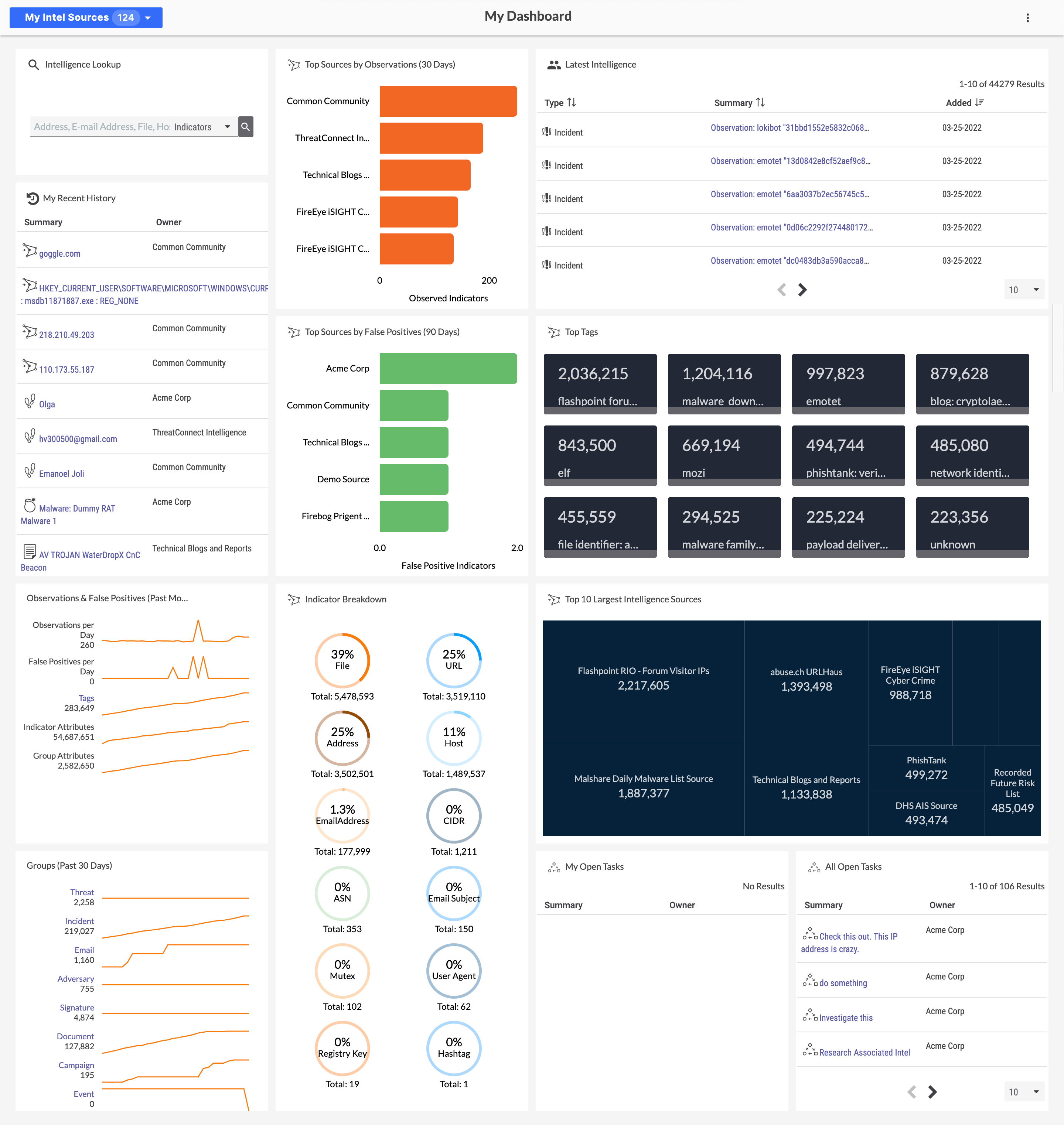
ThreatConnectは、脅威データを一元管理し、セキュリティ運用やリスク管理のワークフローと連携させる脅威インテリジェンス運用プラットフォームです。これにより、チームは複数の情報源からインテリジェンスを集約し、データを分析・相関付けを行い、その成果を検知、対応、意思決定のプロセスに直接活用することができます。
主な特徴は以下の通り:
- インテリジェンスの一元的な集約:オープンソース、商用、および社内のインテリジェンスを単一のプラットフォームに統合します。
- 統合検索と相関分析:複数のデータセットにわたる分析を可能にし、意思決定の場面で文脈情報を提供します。
- 実用化されたインテリジェンス・ワークフロー:セキュリティ運用やインシデント対応にインテリジェンスを直接活用することを支援します。
- 脅威の優先順位付けとリスクとの整合:インテリジェンスとビジネスリスクを結びつけ、影響の大きい脅威に焦点を当てる。
- 連携と情報共有:インテリジェンスチーム、SOC、リスクチーム間のコミュニケーションを可能にします。

Source: ThreatConnect
5.アノマリ・スレットストリーム

Anomali ThreatStreamは、脅威インテリジェンスを検知・対応のワークフローに統合することで、その活用を可能にする脅威インテリジェンス・プラットフォームです。本プラットフォームは、インテリジェンスデータを継続的に収集・評価し、セキュリティテレメトリに適用するとともに、コンテキストに基づいた優先順位付けを行うことで、アナリストが関連性の高い脅威に注力できるよう支援します。
主な特徴は以下の通り:
- 厳選された脅威インテリジェンス:世界中の情報源から得たインテリジェンスを継続的に更新・評価し、管理しています。
- リアルタイムのエンリッチメント:ログ、アラート、イベントに直接インテリジェンスを適用し、検知精度を向上させます。
- コンテキストに基づく優先順位付け:インテリジェンスのコンテキストを活用して誤検知を減らし、重要な脅威に焦点を当てる。
- 統合的な検知・対応支援:調査および対応プロセスに、精査済みの情報を提供します。
- 自動化に対応したインテリジェンス出力:自動化されたワークフローやAIを活用した分析で利用可能なインテリジェンスを構築します。

Source: Anomali
6.記録された未来

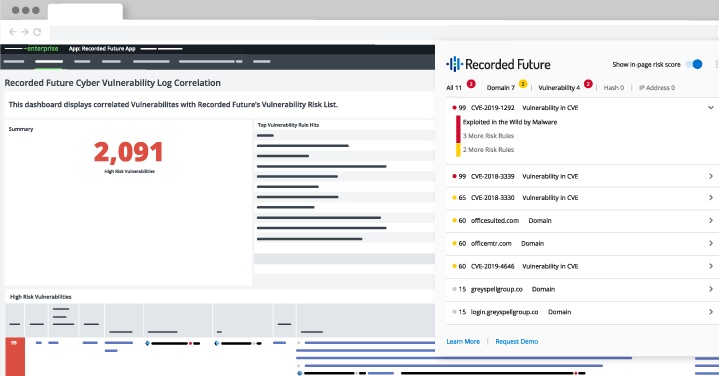
Recorded Futureは、さまざまな情報源からデータを収集・分析し、新たな脅威に関する優先順位付けされた洞察を提供する脅威インテリジェンス・プラットフォームです。分析とパターン認識を活用し、組織が関連するリスクを特定し、コンテキストに基づくインテリジェンスに基づいて対策を講じられるよう支援します。
主な特徴は以下の通り:
- 大規模なデータ収集:インターネット上の幅広い情報源から情報を集約します。
- パターンに基づく脅威分析:アルゴリズムを用いて関係性を特定し、変化し続ける脅威を追跡する。
- 優先順位付けされた情報の提供:組織にとって最も関連性の高いリスクを明らかにします。
- 実用的な知見:迅速な検知と対応の意思決定を支援する情報を提供します。

オープンソース脅威インテリジェンスプラットフォーム
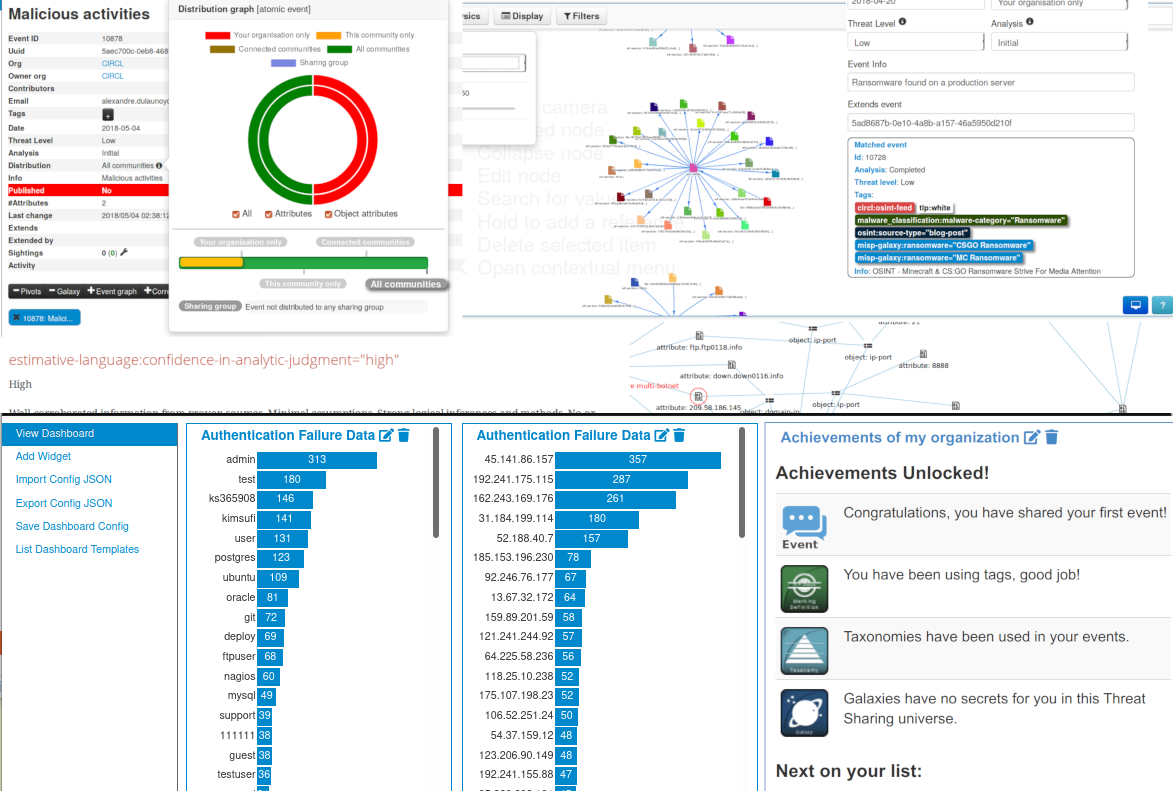
7.MISP

MISPは、脅威インテリジェンスの管理と共有を行うオープンソースのプラットフォームであり、コラボレーションと自動化を支援するように設計されています。これにより、組織は構造化されたインテリジェンスを保存し、インジケーターを相関分析し、セキュリティシステム間でデータを配信することで、検知と対応の精度を向上させることができます。
ライセンス:AGPL-3.0
リポジトリ:https://github.com/MISP/MISP
GitHubのスター数:6,000以上
貢献者数:200名以上
主な特徴は以下の通り:
- 構造化インテリジェンスの保存:指標、脅威データ、およびコンテキスト情報を一元化されたシステムで管理します。
- 自動相関エンジン:指標、キャンペーン、および脅威アクター間の関連性を特定します。
- 共同利用の仕組み:パートナーやコミュニティとの間で、安全な情報交換を可能にします。
- 柔軟なデータモデリング:文脈に応じたメタデータを用いた、複雑な脅威オブジェクトやその関係性をサポートします。
- 幅広い相互運用性:APIを介して他のツールと連携し、STIXなどの標準フォーマットに対応しています。

Source: MISP
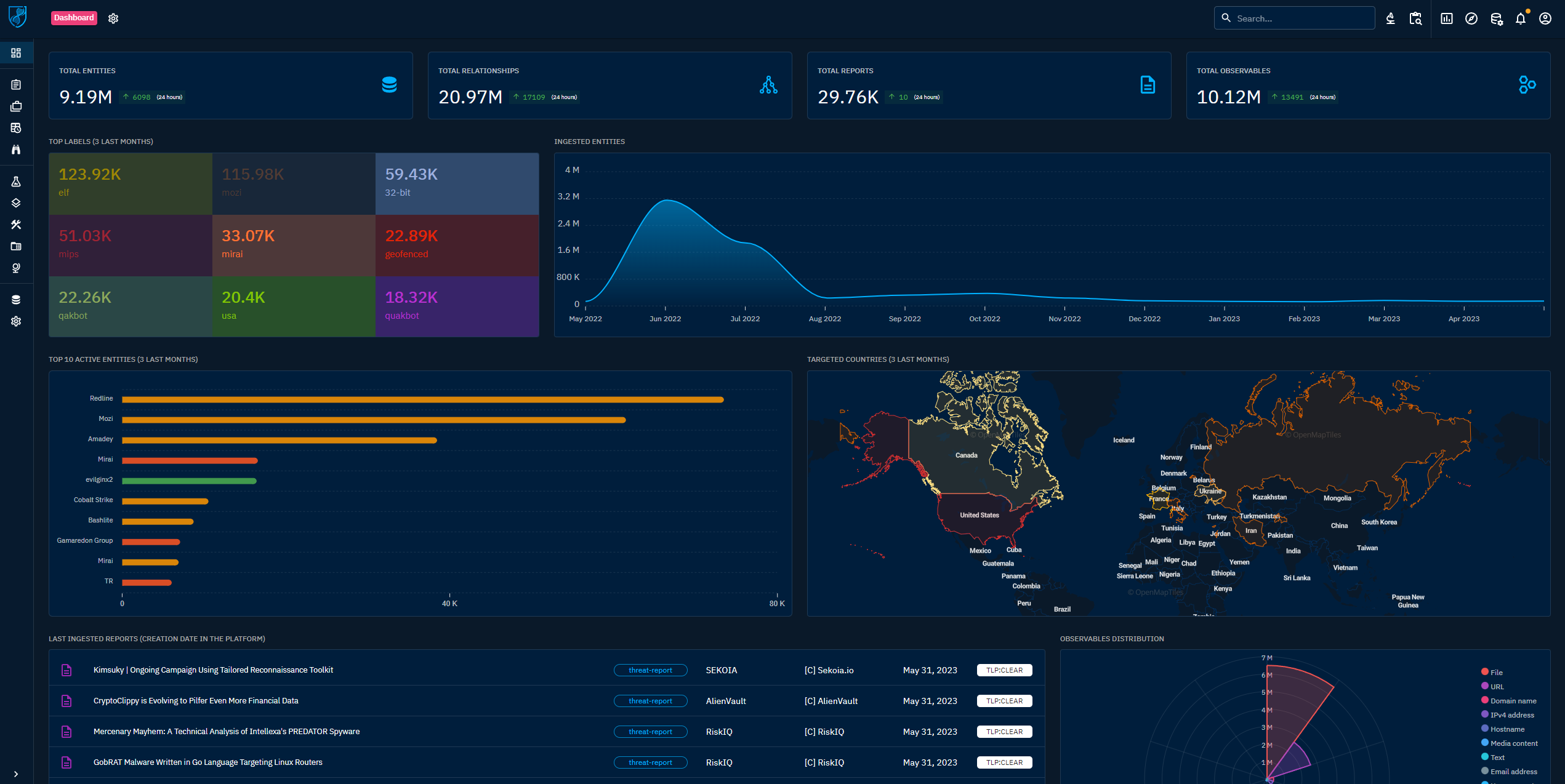
8.オープンCTI

OpenCTIは、標準化されたデータモデルを用いてサイバー脅威インテリジェンスを体系化、分析、共有するためのオープンソースプラットフォームです。複数の情報源からの脅威データを一元管理し、調査や意思決定を支援するための可視化および自動化機能を提供します。
ライセンス:Apache-2.0
リポジトリ:https://github.com/OpenCTI-Platform/opencti
GitHubのスター数:9,000以上
貢献者数:150名以上
主な特徴は以下の通り:
- 一元化されたインテリジェンス・プラットフォーム:一貫性のあるスキーマを用いて、脅威データを一元的なシステムに集約します。
- 可視化および分析ツール:エンティティ間の関係を調査するためのグラフ、タイムライン、ダッシュボードを提供します。
- 統合エコシステム:外部ツールやフィードとデータを同期させるための多数のコネクタに対応しています。
- 自動化とワークフロー:情報の自動処理、充実化、および配信を可能にします。
- ロールベースのアクセス制御:チームや組織をまたいだデータへのアクセスと共有を管理します。

Source: OpenCTI
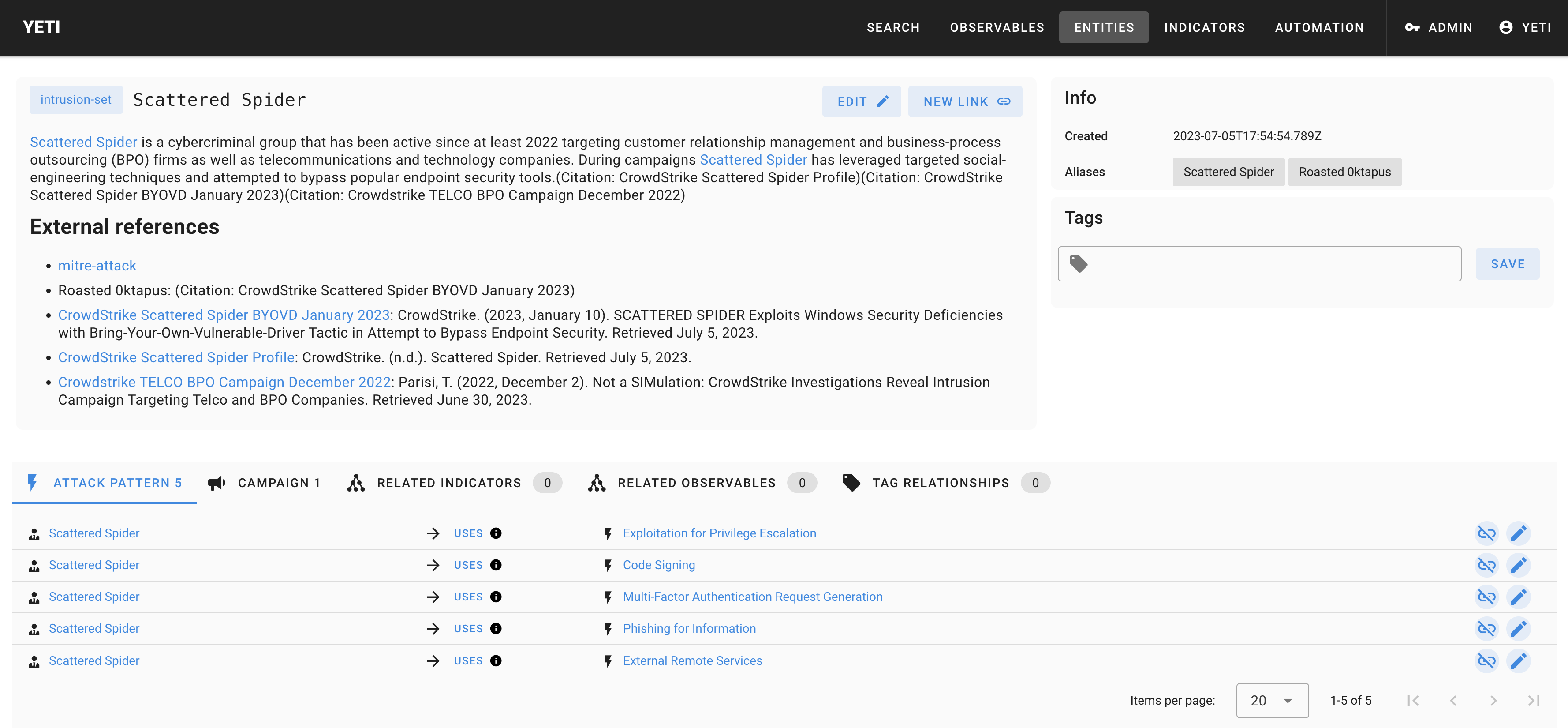
9.YETI

YETIは、CTIおよびDFIRの両方のワークフローに対応したオープンソースの脅威インテリジェンスおよびフォレンジック分析プラットフォームです。このプラットフォームは、観測対象の管理、脅威データの相関分析、および調査プロセスへのインテリジェンスの統合を行うための一元化されたシステムを提供します。
ライセンス:Apache-2.0
リポジトリ:https://github.com/yeti-platform/yeti
GitHubのスター数:2,000以上
貢献者数:50名以上
主な特徴は以下の通り:
- フォレンジック情報管理:観測対象、ルール、およびフォレンジック証拠を保存・整理します。
- 大量データの分析:パターンや関連する指標を特定するための大規模な検索を可能にします。
- 脅威中心のデータ相関分析:脅威を、それに関連する戦術、手法、および痕跡と結びつける。
- カスタムデータ統合:社内のデータソースや分析ロジックを取り込むことができます。
- APIを活用した自動化:インシデント対応および分析ツールとの連携のためのAPIを提供します。

Source: Yeti
脅威インテリジェンスソフトウェアを使用するための5つのベストプラクティス
組織は、脅威インテリジェンス・ソフトウェアと連携する際に、以下のプラクティスを考慮する必要がある。
1.脅威データソースの定期的な更新
絶え間なく進化するサイバー脅威には、タイムリーな特定と対応が必要であり、それは最新のデータによってのみ達成できる。組織は、脅威インテリジェンス・プラットフォームが、独自ソース、サードパーティ・ソース、オープンソース・ソースなど、さまざまなデータフィードと統合されていることを確認し、最も広範な脅威情報を取得する必要があります。
頻繁にアップデートを行うことで、脅威の状況を包括的に把握できるようになり、セキュリティチームはリスク管理について十分な情報に基づいた意思決定を行うことができます。また、この手法により、ソフトウェアのアルゴリズムが新たな脅威パターンに適応して認識できるようになり、検出率が向上します。
2.脅威検知とレスポンスの自動化
脅威の検知と対応を自動化することで、脅威管理業務のスピードと精度が向上します。自動化されたシステムにより、企業は人手を介さずに脅威を迅速に特定し、緩和することができます。自動化により対応時間が短縮され、潜在的な侵害が重大な損害を引き起こす前に食い止めることができます。また、セキュリティ担当者は反復的な作業から解放され、戦略的な取り組みに専念できるようになります。
脅威インテリジェンス・ソフトウェアの自動化には、自動化されたアラート、ワークフロー、修復プロセスなどの機能が含まれます。これらの機能により、システムは脅威に対してリアルタイムで対応できるようになり、脅威の機会を体系的に減らすことができます。自動化を活用することで、企業は継続的な保護を確保し、セキュリティ効率を向上させることができます。
3.脅威インテリジェンスコミュニティとの協力
脅威インテリジェンス・コミュニティとの連携は、セキュリティ対策を向上させるための重要なベストプラクティスである。このようなコミュニティに参加することで、組織は見識を共有し、より広範な脅威インテリジェンス・データにアクセスできるようになり、潜在的なリスクに対する理解を深めることができます。このようなコラボレーションは、多くの場合、脅威の迅速な検知とサイバーセキュリティに対するより包括的なアプローチにつながります。
同業者や業界の専門家と協力することで、企業は新たな脅威や効果的な対策について学ぶことができます。この集合的なインテリジェンスは、様々な情報源からの洞察が潜在的な攻撃を先制的に回避するのに役立つ、プロアクティブな防衛戦略を育む。こうしたコミュニティ内での情報交換により、信頼と協力のネットワークが構築される。
4.継続的なモニタリングと改善
継続的な監視と改善は、効果的な脅威インテリジェンス管理に不可欠である。組織は、進化する脅威の状況を追跡し、それに応じてセキュリティ対策を調整するために、リアルタイムの監視ツールを採用する必要があります。このような継続的な警戒によって、通常とは異なる活動や新たな脅威を早期に発見し、セキュリティ・チームがリスクを軽減するための先手を打つことができます。
改善には、現行のセキュリティ・プロトコルの有効性を定期的に評価し、新たな課題に対処するための更新と改善を実施することが含まれる。モニタリング活動からのフィードバック・ループがこれらの改善に反映され、セキュリティ対策が状況の変化に対応できるようになる。
5.セキュリティ・パフォーマンスとROIの測定
脅威インテリジェンス・ソフトウェアの価値を実証するためには、セキュリティ・パフォーマンスと投資収益率(ROI)の測定が不可欠です。組織は、レスポンスタイム、脅威検出率、インシデントの防止件数などの主要業績評価指標(KPI)を追跡して、セキュリティ対策の有効性を評価する必要があります。このようなデータ主導のアプローチは、リソースの効率的な配分に役立ち、脅威インテリジェンス・ソリューションへの投資を正当化します。
ROI 分析では、脅威インテリジェンスを導入することによる財務上のメリットを、侵害の防止やダウンタイムの削減による潜在的な節約額とコストを比較することで理解することができます。セキュリティ対策の効果を定量化することで、企業は将来の投資や改善について十分な情報に基づいた意思決定を行うことができます。
結論
オンプレミスの脅威インテリジェンス・ソフトウェアを導入することで、組織は機密データを完全に管理しながら、サイバー脅威の検出、分析、対応能力を強化することができます。内部インフラを活用し、脅威インテリジェンスを既存のセキュリティ運用に統合することで、企業は脅威の可視化と意思決定を改善することができます。