


目次
脅威インテリジェンスプラットフォームとは何か?
脅威インテリジェンスPlatform (TIP)は、複数のソースからの新たな脅威や既存の脅威に関する生データを集約する技術ソリューションです。このデータを処理・分析して実用的な洞察を生み出し、組織のセキュリティ態勢を改善します。
TIPは、迅速な意思決定に必要なコンテキストをセキュリティチームに提供します。これらのプラットフォームは、情報収集の簡素化、ノイズの排除、脅威の優先順位付けを行い、組織が潜在的リスクに効果的に対応できるよう支援します。脅威の統合的なビューを提供することで、TIPはプロアクティブな脅威管理とミティゲーションを可能にします。(関連コンテンツ:脅威インテリジェンスツールのガイドを読む)
セキュリティチームは、自動化されたワークフローと実用的なインテリジェンスを活用することで、検知と対応の時間を短縮するためにこれらのプラットフォームを使用しています。サイバー脅威が進化する中、TIPはセキュリティ対策を適応させるために不可欠です。TIPの主な機能は、データを組織のセキュリティ・インフラ全体で活用できる有意義な脅威インテリジェンスに変換することです。
これは情報セキュリティに関する一連の記事の一部である。
この記事の中で
- 脅威インテリジェンスプラットフォームの主要コンポーネント
- 脅威インテリジェンスプラットフォームの利点
- 脅威インテリジェンス機能を備えた脅威検知および対応ソリューション(関連コンテンツ:脅威ハンティングと脅威インテリジェンスのガイドをお読みください)
- 専用脅威インテリジェンスプラットフォーム
Recent Trends in the Threat Intelligence Platform Market
The threat intelligence platform market is experiencing rapid growth, driven by the rising volume and sophistication of cyber threats. Valued at USD 6.87 billion in 2025, the market is projected to reach USD 31.58 billion by 2034, with a compound annual growth rate (CAGR) of 18.3%. North America leads the global market, accounting for nearly 45% of the share in 2025.
This growth reflects a broader shift in cybersecurity, where organizations increasingly rely on centralized platforms to manage and interpret large volumes of threat data. TIPs play a critical role in collecting data from diverse sources, making it actionable for security teams. The increasing use of these platforms is closely tied to the need for faster, more accurate detection and response to threats.
Several factors are contributing to this expansion. The widespread adoption of remote work has introduced new vulnerabilities, prompting organizations to strengthen their cyber defenses. The integration of artificial intelligence is also reshaping the threat intelligence landscape. AI enables real-time analysis of threat data, automates responses, and reduces the burden on human analysts. Enterprises are investing in AI-enhanced TIPs to keep pace with rapidly evolving attack vectors.
Increased awareness of data breaches and regulatory pressures are also pushing organizations to adopt threat intelligence solutions. With an average ransomware attack occurring every 10 seconds globally, the demand for proactive threat visibility and response capabilities continues to rise. TIPs have become an essential part of modern cybersecurity infrastructure, helping organizations navigate a complex and constantly changing threat environment.
脅威インテリジェンスプラットフォームの主要コンポーネント
データ収集と集計
データの収集と集約は、脅威インテリジェンス・プラットフォームの基盤である。これらのプラットフォームは、オープンソースインテリジェンス、商用データフィード、内部ネットワークセンサーなど、さまざまなソースから情報を収集する。主な目標は、潜在的な脅威の包括的なビューを作成することです。
多様な情報源からデータを収集することにより、TIPsは安全保障上のリスクを示すパターンや異常を特定することができる。この収集プロセスは、データの妥当性と適時性を確保するために効率的でなければならない。集計の要素には、データを統一された形式に統合し、その後の分析を容易にすることが含まれる。
データ分析処理
リアルタイムのモニタリングとアラート機能により、潜在的な脅威を即座に検知します。この機能は、ネットワークやシステム全体のアクティビティを継続的に追跡し、不審な挙動があれば即座に特定できるようにします。即座にアラートを提供することで、企業はインシデントに即座に対応し、データ漏洩や不正アクセスによる重大な損害を未然に防ぐことができます。
この機能は、セキュリティ侵害時に重要な応答時間を大幅に短縮する。リアルタイム・システムはまた、監査目的でインシデントの包括的なログと記録を提供するため、組織がコンプライアンス要件を満たすことを可能にする。
インシデントレスポンスとフォレンジック機能
データが収集されると、分析と処理のフェーズで、実用的な洞察に変換されます。TIPは、機械学習アルゴリズムと高度な分析を採用し、生のデータセットから傾向を特定し、価値ある情報を抽出します。これらの分析ツールは、本物の脅威と偽陽性の区別に役立ち、セキュリティ担当者の作業負荷を軽減します。
データ処理では、データポイントを関連付け、侵害の指標を特定することで、リアルタイムの脅威検知をサポートします。分析フェーズでは、包括的なセキュリティ戦略にとって重要な、脅威行為者の動機や攻撃パターンなどのコンテキストを提供します。
脅威インテリジェンス普及
脅威インテリジェンスの普及は、処理された洞察が組織内の適切な利害関係者に確実に届くようにするために極めて重要です。TIPは、ITセキュリティチームから経営幹部まで、さまざまな対象者に合わせた自動化されたレポートとアラートシステムを通じて、これを可能にします。効果的な普及により、意思決定者が重要な情報にタイムリーにアクセスできるようになります。
拡散には、アラートの送信と、脅威インテリジェンスをSIEMやファイアウォールなどの既存のセキュリティ・システムに統合して防御策を自動的に実行することの両方が含まれます。この統合により、ワークフローが簡素化され、手動による介入が減り、防御措置が迅速化されます。
オートメーションとオーケストレーション
自動化とオーケストレーションはTIPの効率を大幅に改善します。自動化には、データ収集、相関、アラート生成などのルーチンタスクを人手を介さずに実行するようにTIPを構成することが含まれます。これにより、脅威の管理に必要な時間が短縮され、セキュリティチームは人間の判断が必要な複雑な問題に集中できるようになります。
オーケストレーションは、さまざまなセキュリティツールやプロセスを接続することで、自動化をさらに一歩進めます。TIPは他のセキュリティ・システムとシームレスに統合され、協調的で統一された防御メカニズムを構築する。これにより、自動化がさまざまなツールに分断されることなく、調和して機能するようになります。
脅威インテリジェンスプラットフォームの利点
脅威インテリジェンスプラットフォームは、組織のセキュリティ効果を向上させる運用上および戦略上のメリットをいくつか提供する。主なメリットは以下のとおりである:
- 脅威の可視性の向上:TIPは、内部および外部のソースからの脅威データを一元的なビューに統合し、セキュリティチームが攻撃のライフサイクルのより早い段階で、新たな脅威をより包括的に検知できるようにします。
- レスポンスタイムの短縮:自動化されたアラート、相関関係、プレイブックの実行により、検知からレスポンスまでの時間を短縮し、脅威の封じ込めとミティゲーションを迅速に行うことができます。
- 誤検知の削減:高度なアナリティクスとコンテキストを考慮した処理によりノイズを排除し、チームは真の脅威に集中することができ、アラートによる疲労を避けることができます。
- コラボレーションの強化: TIPはチーム間や外部パートナーとの情報共有をサポートし、連携を向上させ、集団的な脅威インテリジェンス活動を可能にする。
- リソースの有効活用:自動化によって反復作業が減り、セキュリティ・アナリストは価値の高い調査や戦略的プランニングに集中できるようになります。
- セキュリティインフラストラクチャとの統合:TIPはSIEM、SOARプラットフォーム、ファイアウォールなどの既存のツールと統合することで、現在のシステムをオーバーホールすることなくインテリジェンス主導の防御を可能にします。
脅威検知およびレスポンス・ソリューション 機能脅威インテリジェンス
1.エクサビーム

エクザビームは、セキュリティ情報・イベント管理(SIEM)ソリューションのリーディング・プロバイダーであり、UEBA、SIEM、SOAR、TDIRを組み合わせ、セキュリティ・オペレーションを加速します。同社のセキュリティ・オペレーション・プラットフォームは、セキュリティ・チームが脅威を迅速に検知、調査、対応し、運用効率を高めることを可能にします。
主な特徴
- スケーラブルなログ収集と管理:オープンプラットフォームは、ログのオンボーディングを70%高速化し、高度なエンジニアリングスキルを不要にすると同時に、ハイブリッド環境全体でシームレスなログ集約を実現します。
- 行動分析:高度な分析により、正常な行動と異常な行動を比較し、内部脅威、横の動き、シグネチャベースのシステムで見落とされた高度な攻撃を検知します。Exabeamは、他のベンダーが攻撃を検知する前に90%の攻撃を検知し、対応することができると顧客から報告されています。
- 脅威対応の自動化:インシデントのタイムラインを自動化し、手作業を30%削減し、調査時間を80%短縮することで、セキュリティ運用を簡素化します。
- 状況に応じたインシデント調査:Exabeamはタイムラインの作成を自動化し、雑務に費やす時間を削減するため、脅威の検知と対応にかかる時間を50%以上短縮します。事前に構築された相関ルール、異常検知モデル、ベンダー統合により、アラートを60%削減し、誤検知を最小限に抑えます。
- SaaSおよびクラウドネイティブオプション:柔軟な導入オプションにより、クラウドファーストおよびハイブリッド環境に対応するスケーラビリティを提供し、お客様の価値実現までの時間を短縮します。SIEMをクラウドに移行できない、または移行したくない企業向けに、Exabeamは市場をリードするフル機能のセルフホスト型SIEMを提供します。
- NetMonによるネットワークの可視化:ファイアウォールやIDS/IPSを超える深い洞察力を提供し、データ盗難やボットネットの活動などの脅威を検出すると同時に、柔軟な検索により調査を容易にします。また、Deep Packet Analytics (DPA)は、NetMon Deep Packet Inspection (DPI)エンジンを基盤としており、重要な侵害指標(IOC)を解釈します。
エクサビームの顧客は、AIを活用したリアルタイムの可視化、自動化、生産性向上ツールによって、セキュリティ人材のレベルアップを図り、コスト削減と業界トップクラスのサポートを維持しながら、負担の大きいアナリストを積極的な防御者に変えていることを常に強調しています。
2.クラウドストライク ファルコンX

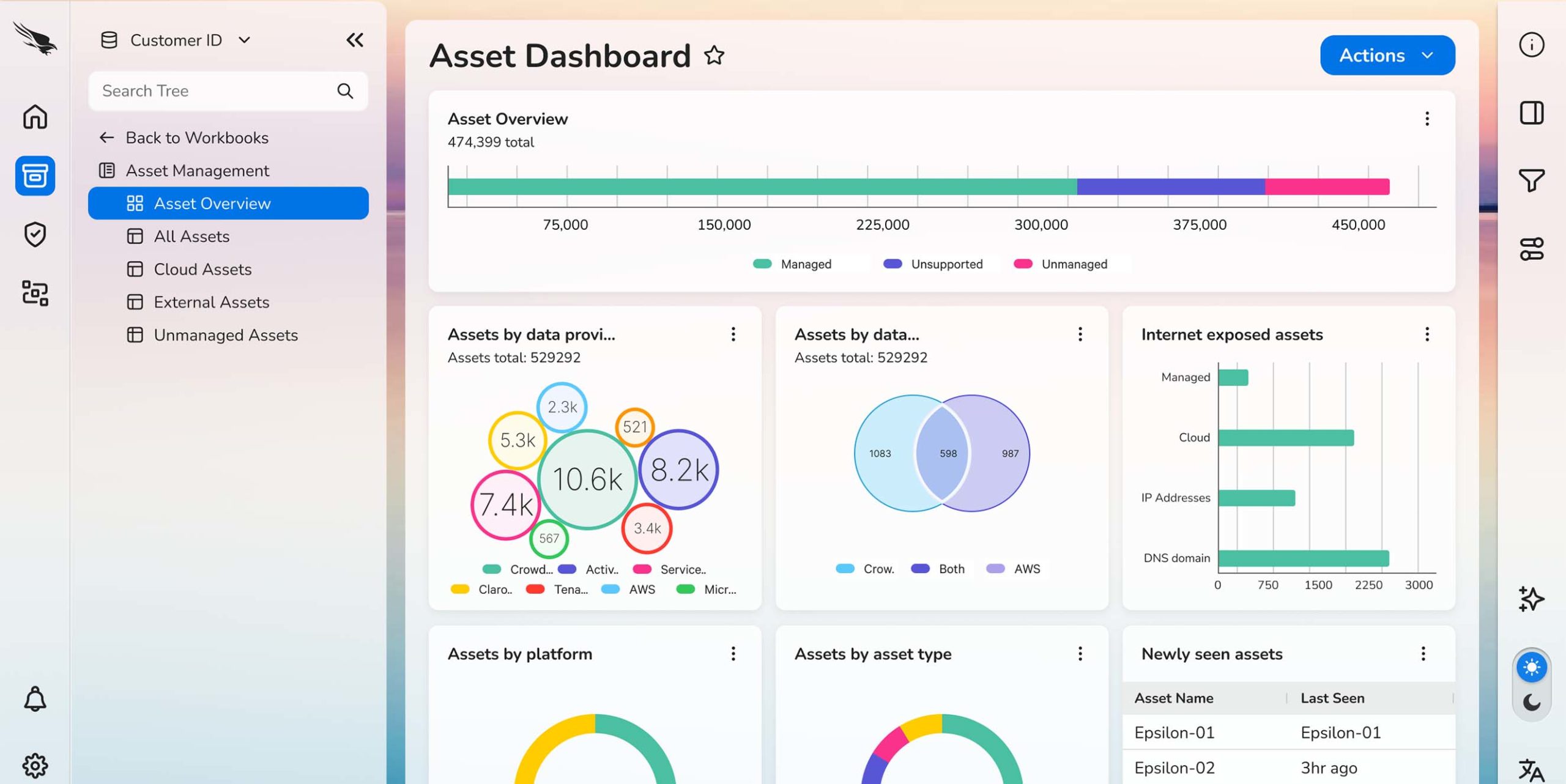
CrowdStrike Falcon X integrates threat intelligence with endpoint protection to automate investigations and accelerate incident response. Built on the cloud-native Falcon platform, it enables security teams to analyze threats directly from endpoints, enrich findings with contextual intelligence, and take action against emerging attacks.
一般的な特徴
- Endpoint integration: Tightly coupled with the Falcon platform, Falcon X analyzes malware directly from endpoint detections and presents results alongside existing alerts for faster decision-making.
- Investigation automation: Automates the malware investigation process, combining static and dynamic analysis with threat intelligence to reduce investigation time from days to minutes.
- Custom IOC generation: Generates custom indicators of compromise (IOCs) based on real threats seen in the environment, helping security teams detect and block related attacks.
- Integrated workflow support: Integrates with other security tools using APIs and pre-built connectors, streamlining orchestration across the security stack.
脅威インテリジェンス機能:
- Actor attribution and threat context: Identifies the tools, tactics, and objectives of adversaries, helping teams understand who is behind an attack and how to respond.
- Intelligence reports: Provides technical and strategic threat intelligence from CrowdStrike’s global research team, including real-time alerts and industry-specific reports (Premium only).
- Threat monitoring: Monitors the web and threat actor infrastructure for indicators relevant to the organization (Premium only).
- Expert malware analysis: Enables submission of suspicious samples for deep analysis and expert review (Premium only).
- YARA and SNORT rules: Delivers detection rules crafted by analysts to help organizations identify and respond to specific threats quickly (Premium only).

Source: CrowdStrike
3.IBM セキュリティ X フォース

IBM Security X-Force offers a global team of hackers, responders, analysts, and researchers who provide offensive and defensive cybersecurity services. The team helps organizations detect, prevent, and respond to threats by combining real-world attack simulation with threat intelligence and incident response.
一般的な特徴
- Offensive security services: Conducts penetration testing, red teaming, and adversary simulation to identify and exploit security weaknesses before attackers can.
- Incident response: Provides 24×7 support for breach detection, containment, and recovery, along with preparedness planning and crisis management.
- Vulnerability management: Helps organizations find, prioritize, and remediate exploitable vulnerabilities in critical systems.
- Cyber range training: Offers simulated attack environments to train business and technical teams in coordinated incident response.
脅威インテリジェンス機能:
- Research-driven threat analysis: Delivers ongoing analysis from global threat researchers to help understand attacker behavior and tactics.
- Custom intelligence briefings: Offers personalized sessions with analysts to provide insights aligned to the organization’s specific risks.
- Threat intelligence services: Translates raw data into actionable intelligence to guide risk reduction strategies.
- Global coverage and visibility: Leverages data and threat insights from incidents and operations across 170 countries.

Source: IBM

4.テナブルセキュリティセンター

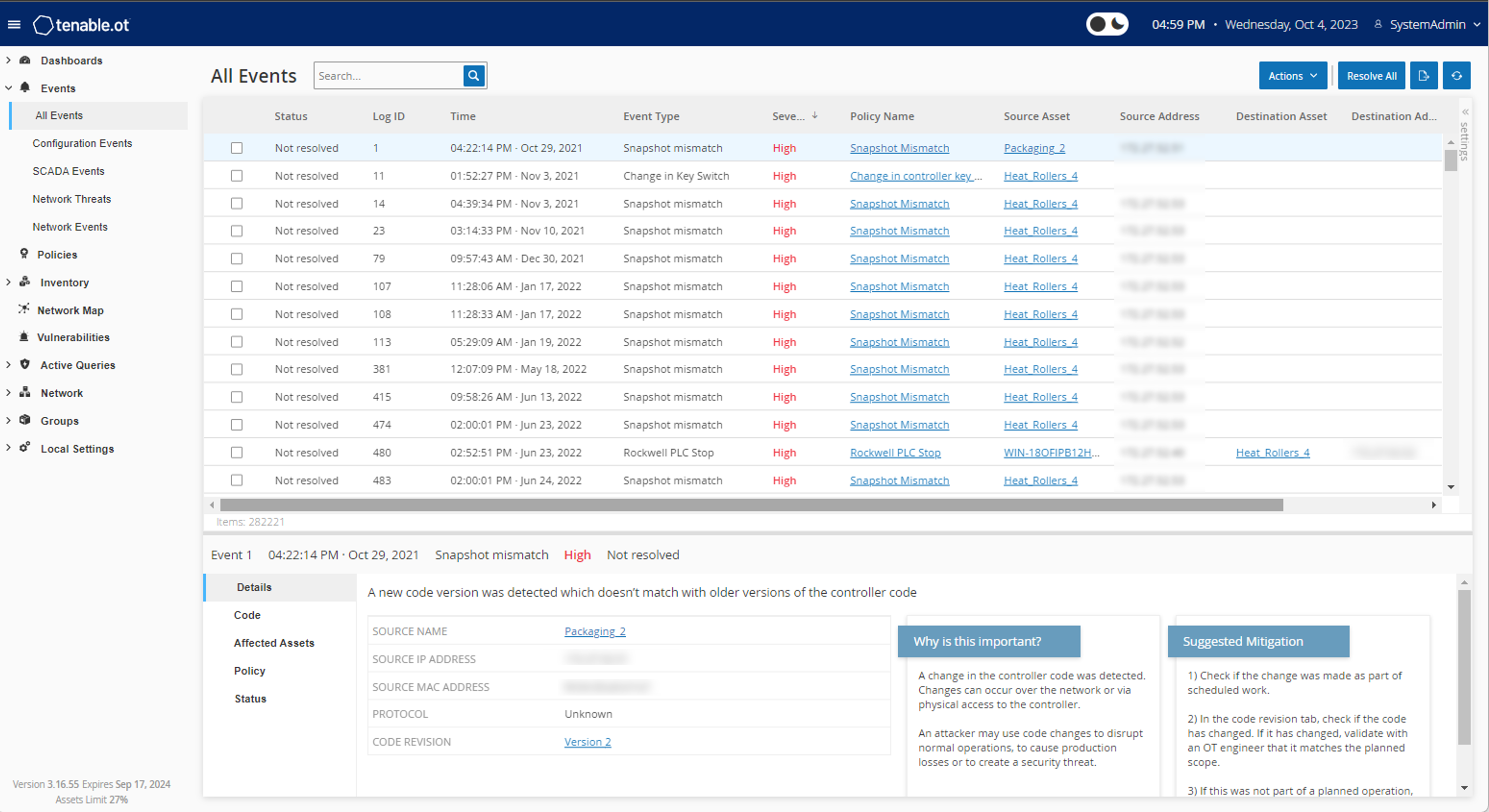
Tenable Security Center is an on-premises vulnerability management solution that provides organizations with real-time visibility into their network assets and exposures. It combines asset discovery, risk scoring, and threat intelligence to help security teams prioritize and remediate vulnerabilities efficiently.
一般的な特徴
- On-premises risk-based vulnerability management: Offers centralized visibility into assets and vulnerabilities, using unlimited Nessus scanners and customizable dashboards.
- Asset discovery: Identifies known and unknown assets through active scanning, agents, passive network monitoring, and external attack surface analysis.
- Flexible deployment and integration: Supports hybrid environments and includes free API access for data enrichment and third-party tool integration.
- Customizable workflows and reporting: Provides configurable alerts, ticketing, and compliance reporting with real-time metrics.
- Asset criticality rating (Plus version): Helps contextualize risk by factoring in business importance of assets for better prioritization.
脅威インテリジェンス機能:
- Predictive Prioritization: Combines vulnerability data with threat intelligence and data science to identify which exposures are most likely to be exploited.
- Contextualized threat insights: Delivers built-in risk scores and threat context to help security teams make faster remediation decisions.
- Real-time detection of malicious activity: Identifies behaviors such as botnet communications and command-and-control traffic to support proactive response.
- Vulnerability intelligence: Enriches vulnerability findings with CVE data and threat likelihood, improving the accuracy of prioritization and remediation planning.

Source: Tenable
5.サイブルビジョン

Cyble Vision is an AI-native threat intelligence platform that delivers visibility into cyber risks across the surface, deep, and dark web. Powered by Agentic AI and integrated with Cyble Blaze, it supports proactive threat detection, investigation, and response for enterprises and governments. The platform combines cyber, brand, third-party, and physical threat monitoring into a single intelligence framework.
General features:
- Unified threat monitoring: Provides visibility across digital, physical, and third-party risks, offering a view of the threat landscape.
- Agentic AI integration: Uses autonomous AI components for real-time detection, context-aware analysis, and continuous learning to adapt to evolving threats.
- Executive and brand monitoring: Tracks executive exposure, logo misuse, and impersonation attempts to safeguard reputation and leadership profiles.
- Dark web coverage: Monitors forums, marketplaces, and underground activity to detect early-stage threats and compromised data.
- Integration with enterprise systems: Supports SIEM, SOAR, messaging, and ticketing tools like Splunk, QRadar, ServiceNow, and Slack for operational efficiency.
脅威インテリジェンス機能:
- AI-driven threat attribution: Links malicious activity to known threat actors using behavioral analysis and campaign mapping.
- Threat actor profiling: Builds detailed profiles of adversaries, including their tactics, targets, and tools, for enhanced situational awareness.
- Automated threat summarization: Uses natural language processing to generate condensed, actionable insights and remediation guidance.
- Alert filtering: Applies AI tagging to prioritize alerts based on sentiment, language, and content sensitivity, reducing noise.
- Real-time intelligence reporting: Delivers ongoing threat landscape updates, dark web investigations, and tailored risk advisories.


6.Rapid7 脅威コマンド

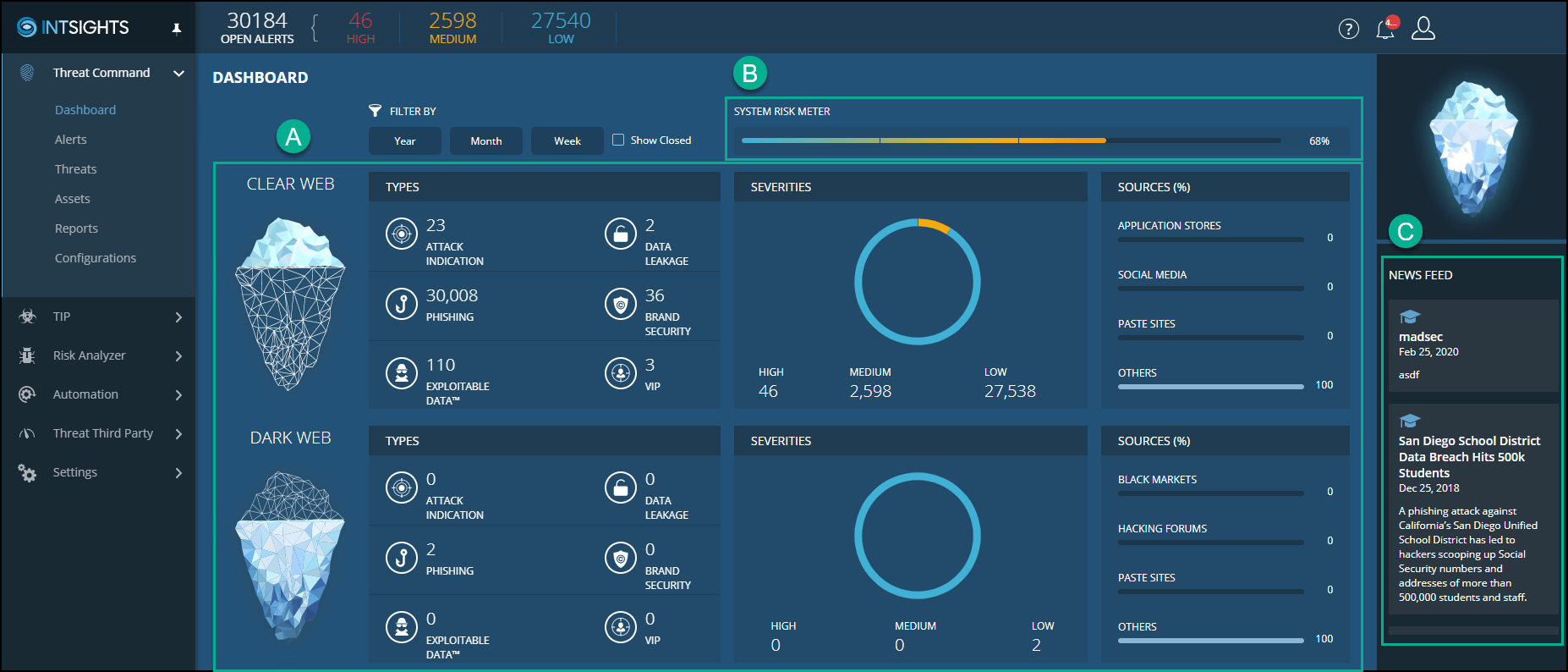
Rapid7 Threat Command provides external threat intelligence and digital risk protection by combining curated threat data, real-world attacker insights, and proactive monitoring. It helps security teams prioritize threats, reduce false positives, and accelerate response by delivering intelligence from both open and dark web sources.
一般的な特徴
- Unified threat intelligence platform: Integrates threat data across Rapid7’s Command Platform, ensuring consistent visibility and prioritization across detection, response, and remediation tools.
- Digital risk protection: Monitors for external threats including phishing, brand impersonation, and exposed credentials across the clear, deep, and dark web.
- Collaborative intelligence sources: Leverages insights from open-source communities, vulnerability databases, incident response cases, and proprietary research projects like Sonar and Lorelei.
- Integrated response capabilities: Enables security teams or managed service providers to take action on threats in real time using automated playbooks and expert-driven workflows.
脅威インテリジェンス機能:
- Curated, high-fidelity threat data: Prioritizes active threats based on real-world exploitation, attacker behavior, and industry relevance, helping teams focus on what matters most.
- IOC confidence scoring and decay modeling: Provides validated indicators of compromise with automated decay to reduce alert fatigue and false positives.
- Campaign and TTP visibility: Offers real-time intelligence on attacker tools, techniques, and procedures (TTPs), as well as visibility into targeted campaigns by region or sector.
- Strategic threat reporting: Supports executive decision-making with industry-specific threat trends and board-level risk reporting informed by Rapid7 Labs research.

Source: Rapid7
専用脅威インテリジェンスプラットフォーム
7.スレットコネクト

ThreatConnect is an operational threat intelligence platform that transforms raw threat data into actionable defense across the security stack. It enables organizations to enrich, prioritize, and operationalize threat intelligence with real-time context, automation, and tight integration into existing tools. The platform supports use cases across detection engineering, alert triage, threat modeling, and incident response.
主な特徴は以下の通り:
- Threat intelligence enrichment: Aggregates and curates threat data using AI and community-driven insights, delivering business-relevant context for better prioritization.
- MITRE ATT&CK-based threat modeling: Maps threats to specific techniques and business risks, enabling tailored detection rules and strategic decision-making.
- Alert triage and false positive reduction: Uses enrichment and scoring to deprioritize low-risk events, reducing noise and analyst workload.
- Vulnerability prioritization: Aligns vulnerabilities with active threat campaigns and financial impact to focus remediation efforts.
- Integrated incident response: Automates playbooks and overlays contextual intelligence into workflows for faster, more informed response.
- Cross-platform orchestration: Integrates with SIEMs, SOAR, EDR/XDR, vulnerability management, and ticketing tools to push IOCs and TTPs into detection and response pipelines.

Source: ThreatConnect
8.記録された未来

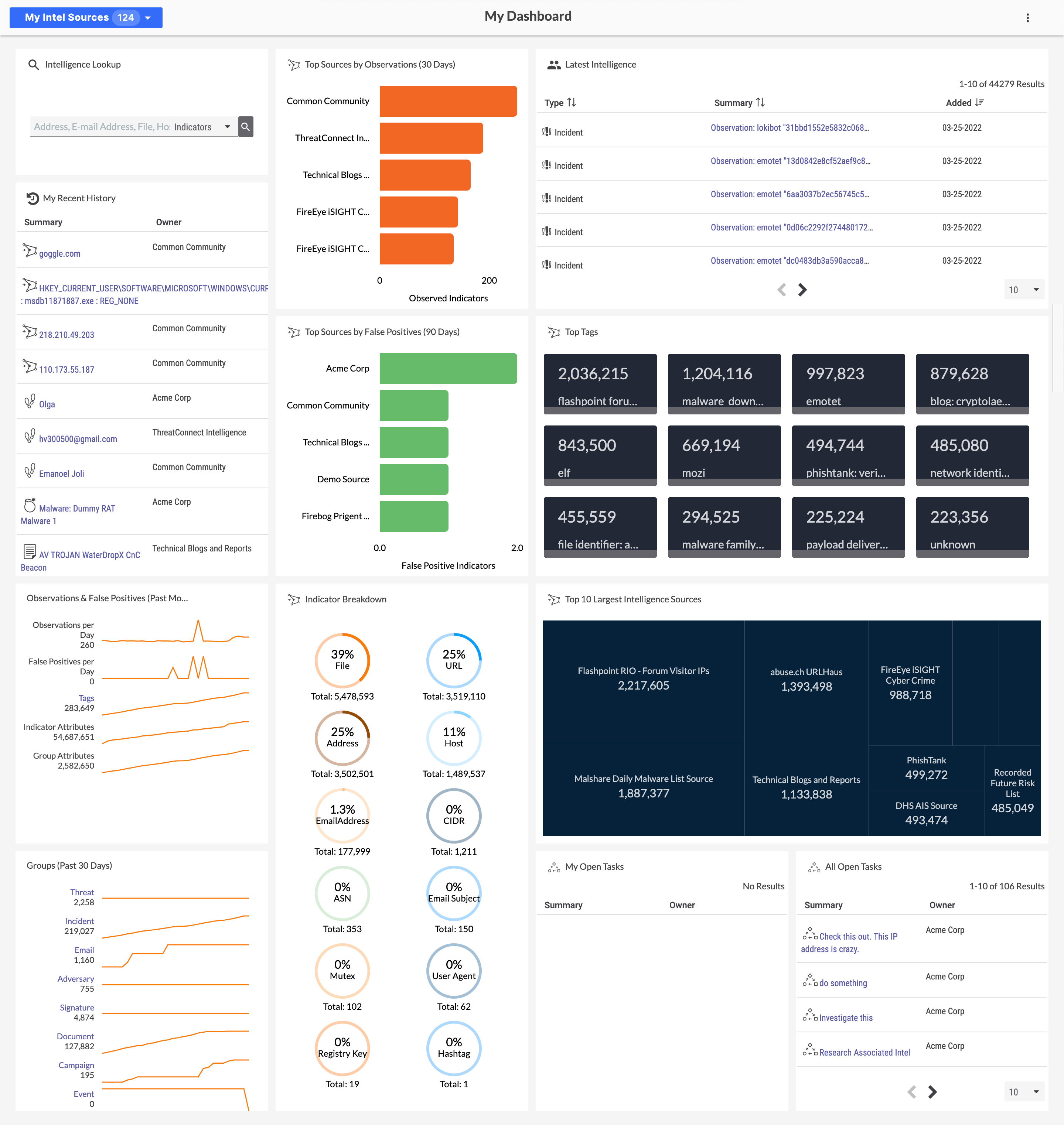
Recorded Future delivers threat intelligence through a platform that enables organizations to detect, prioritize, and respond to threats with speed and context. Using Intelligence Graph® and Insikt Group® research, the platform automates intelligence collection and analysis across sources including ransomware sites, malware repositories, and underground forums.
主な特徴は以下の通り:
- Threat map and actor tracking: Visualizes threat actors and malware targeting the organization, using intent and capability to prioritize risks.
- AI-powered malware intelligence: Enables proactive hunting with automated malware analysis, alerting, and rule generation using AutoYARA and other tools.
- Advanced query and alerting: Provides a custom query builder for targeted threat searches and real-time alerting via multiple channels.
- Ransomware lifecycle analysis: Offers visibility into ransomware threats through risk profiling, victim tracking, and secure browsing of extortion sites.
- Customizable reporting: Uses AI to generate scheduled, audience-specific intelligence reports tailored to your organization’s threat landscape.
- Threat hunting packages: Supplies pre-built YARA, Snort, and Sigma rules developed by Insikt Group® to accelerate hunting and detection workflows.
- Sandbox detonation: Supports manual and automated file analysis in a customizable environment for in-depth behavioral insights.

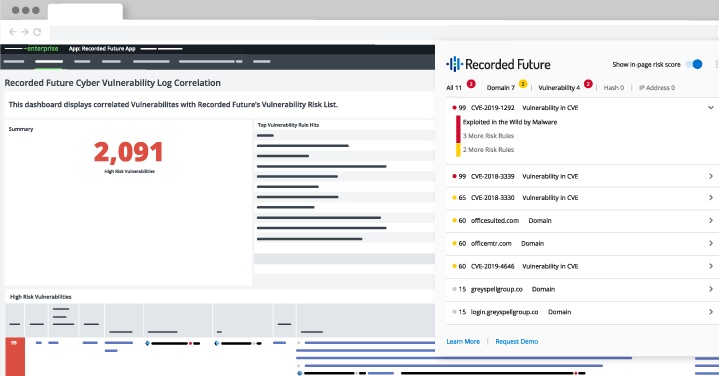
9.Anomali ThreatStream

Anomali ThreatStream is a next-generation threat intelligence platform built to operationalize intelligence across security operations. Instead of isolating threat data in separate tools, ThreatStream delivers curated intelligence directly into detection, investigation, and response workflows.
主な特徴は以下の通り:
- Curated threat intelligence: Continuously maintained and confidence-scored indicators sourced from global feeds to ensure relevance and accuracy.
- Real-time enrichment: Applies threat intelligence directly to security alerts, logs, and telemetry as events occur.
- Context-aware alerts: Automatically attaches threat context to alerts and investigations, eliminating the need for manual lookups.
- Operationalized intelligence: Integrates intelligence into every stage of the SOC workflow, from detection to response, saving analyst time and reducing alert fatigue.
- Automation-ready outputs: Designed to power AI and automated workflows with intelligence formatted for orchestration and agentic SOC actions.
- Threat-informed prioritization: Helps analysts focus on threats most relevant to their environment, improving triage and response decisions.

Source: Anomali

10.脅威指数 ThreatQuotient

ThreatQ is a threat intelligence platform to simplify threat detection, investigation, and response by centralizing threat data and integrating it across tools and teams. The platform relies on the DataLinq Engine, which consolidates intelligence from multiple sources and formats, enabling faster decision-making.
主な特徴は以下の通り:
- Threat Library: Acts as a centralized repository for storing, contextualizing, and reusing threat intelligence gathered from past detections and incidents.
- Dynamic scoring: Automatically scores and ranks internal and external intelligence based on user-defined criteria to support effective triage.
- Smart collections: Enables the grouping of threat data based on customizable variables for efficient categorization or action.
- Investigations module: Provides a collaborative interface for managing investigations and incident response in a visual, structured format.
- TDR Orchestrator: Supports data-driven automation for threat detection and response, integrating seamlessly with TIP and TDIR workflows.
- DataLinq Engine: Fuses disparate data sources and formats to deliver relevant, prioritized intelligence to the right tools and teams.

Source: ThreatQuotient

11. Stella Cyber

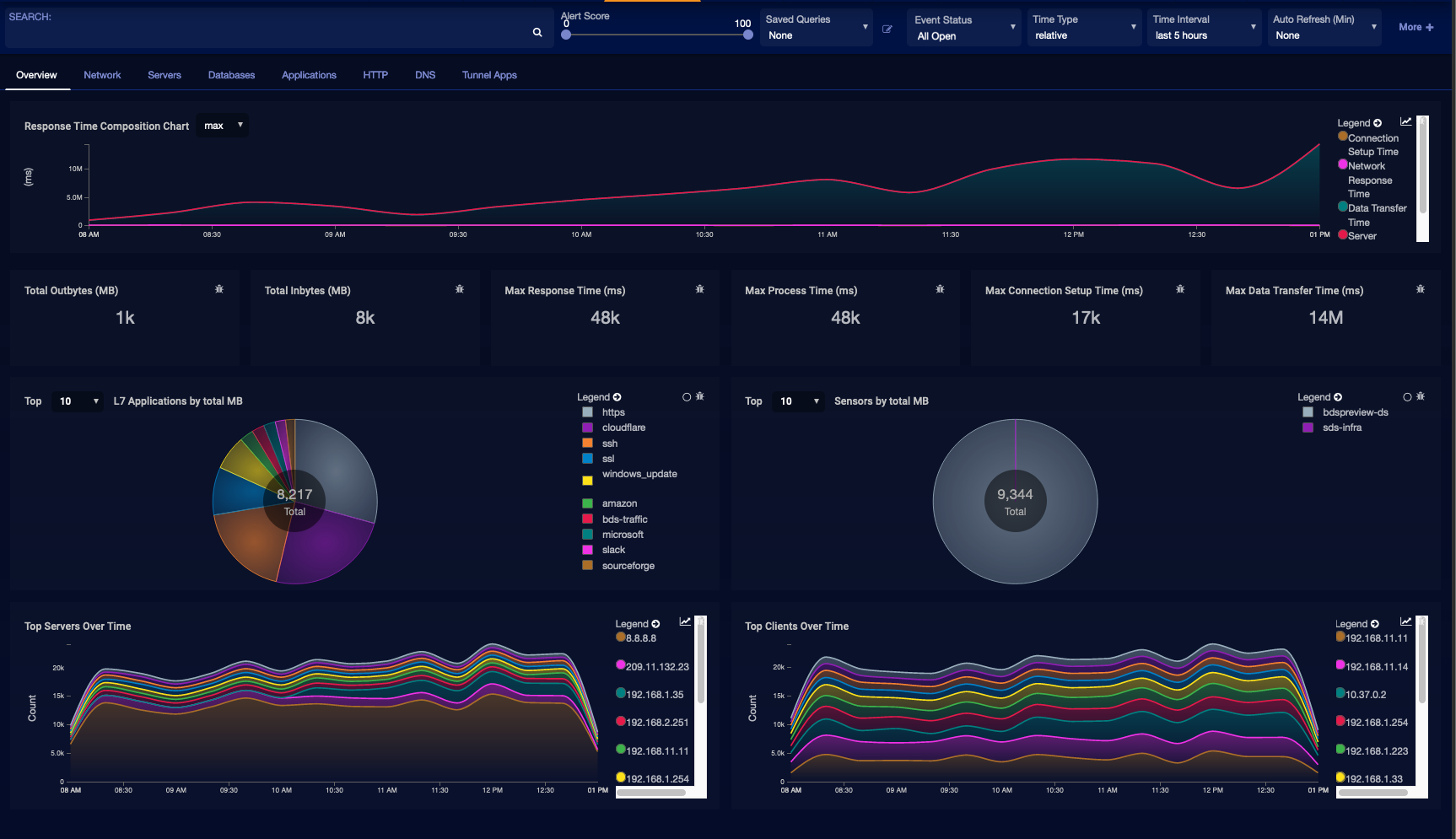
Stellar Cyber includes a native threat intelligence platform that aggregates and enriches threat data across deployments. Intended for both enterprises and MSSPs, the platform supports automated detection and response by integrating multiple threat intelligence feeds out of the box, while also allowing organizations to bring their own custom feeds.
主な特徴
- Built-in threat intelligence: Aggregates multiple intelligence feeds by default and distributes them across deployments for real-time enrichment.
- Custom feed support: Allows organizations to bring and integrate their own threat intelligence sources for tailored detection.
- Real-time distribution: Pushes threat intelligence updates instantly to all parts of the platform for consistent data enrichment and detection.
- Automated enrichment: Applies threat intelligence to collected data automatically, supporting detection and response without manual intervention.
- Integration with Open XDR: Works as a core part of Stellar Cyber’s Open XDR platform, enabling use cases like automated threat hunting and AI-driven response.
- Support for MSSP environments: Built for multi-tenant, multi-tier, and multi-site operations, allowing service providers to manage threat intelligence at scale.

Source: Stella Cyber
結論
脅威インテリジェンス・プラットフォームは、膨大な量の生の脅威データを実用的な洞察に変換することで、組織のサイバーセキュリティ防御の強化を支援します。自動化、文脈分析、既存システムとの統合により、脅威の検知、分析、対応を簡素化します。インテリジェンス・オペレーションを一元化し、新たなリスクに対する可視性を高めることで、TIPはセキュリティ・チームが決断的かつ効率的に行動できるよう支援します。
情報セキュリティの主要トピックに関するその他のガイドを参照
コンテンツ・パートナーとともに、情報セキュリティの世界を探求する際に役立つその他のトピックについても、詳細なガイドを執筆しています。
フォルティシエム
著者:Exabeam
- [ガイド] FortiSIEM:主な機能、価格、制限、代替製品
- [ガイド】2025年に知っておくべきフォーティネットの競合10社
- [ブログ] SIEMはサイバー保険にどう役立つか
- [製品】LogRhythm SIEM|高度なTDIRのためのセルフホスト型SIEM
セキュロニクス
著者:Exabeam
- [ガイド] Securonix:ソリューションの概要、制限事項、代替案トップ5
- [ホワイトペーパー] Gartner®Magic Quadrant™ for SIEM
- [製品】New-Scale SIEM|セキュリティ・オペレーション・プラットフォーム
ソフトウェア・サプライチェーンのセキュリティ
著者:オリゴ
- [製品] Oligo ADR|瞬時の攻撃検知とサプライチェーンセキュリティ
- [ガイド] 2025年ソフトウェア・サプライチェーン・セキュリティ究極ガイド
- [ガイド】サプライチェーンアタック:その仕組みと最近の5つの事例
- ブログ] ShellTorch:PyTorch TorchServeに複数の重大な脆弱性、無数のAIユーザを脅かす