- ホーム >
- 用語解説 >
- サイバー脅威インテリジェンス
Best Threat Intelligence Solutions: Top 8 Platforms in 2026
- 10 minutes to read
目次
脅威インテリジェンスソリューションとは?
脅威インテリジェンス・ソリューションは、サイバー脅威をプロアクティブに特定、評価、緩和するための知識とツールを組織に提供します。これらのソリューションには、潜在的なリスクと脆弱性を理解するために、さまざまなソースからデータを収集、分析、解釈することが含まれます。脅威インテリジェンスを活用することで、組織はセキュリティ態勢を改善し、攻撃の影響を軽減し、サイバーセキュリティの全体的な防御力を向上させることができます。
脅威インテリジェンス・ソリューションには、以下のような重要なコンポーネントがある:
- データ収集と集約:脅威インテリジェンス・ソリューションは、オープンソースインテリジェンス(OSINT)、ダークウェブ監視、脅威フィード、社内セキュリティシステムなど、多様なソースからデータを収集する。
- 分析と強化:収集したデータを分析し、強化することで、文脈を提供し、パターンを特定し、脅威の潜在的な影響を評価する。
- 脅威の検知と対応:脅威インテリジェンスは、潜在的な攻撃を検知し、悪意のある行為者を特定し、リスクを軽減するためのプロアクティブな対応を可能にします。
- 脆弱性管理:脅威インテリジェンスは脆弱性管理プロセスに情報を提供し、組織が潜在的な影響に基づいて脆弱性の優先順位付けと修復を行えるよう支援します。
- インシデントレスポンス:脅威インテリジェンスは、インシデントレスポンスに貴重な洞察を提供し、セキュリティ侵害の迅速かつ効果的な修復を可能にします。
- 攻撃対象領域の管理:脅威インテリジェンス・ソリューションは、攻撃対象領域の特定と管理を支援し、潜在的な脆弱性と暴露ポイントを最小限に抑えます。
脅威インテリジェンスの主な利点は以下の通りである:
- インシデントレスポンスの強化:迅速かつ効果的なインシデントレスポンスのための貴重な洞察を提供します。
- プロアクティブな脅威検知:脅威が重大な被害をもたらす前に、企業が脅威を特定し、対応できるようにする。
- 攻撃のリスクと影響の軽減:脅威を理解し軽減することで、組織はサイバー攻撃の潜在的な影響を最小限に抑えることができる。
- セキュリティ態勢の強化:脅威インテリジェンスは、脆弱性に対処し、防御を改善することで、組織全体のセキュリティ態勢を強化するのに役立ちます。
- より良い意思決定:セキュリティ投資やリソース配分に関して、十分な情報に基づいた意思決定が可能になる。
これは、サイバー脅威インテリジェンスに関する一連の記事の一部である。
Editor’s note: Updated the article to cover recent market trends, updated product information to reflect features and capabilities in 2026.
脅威インテリジェンス市場の動向
市場規模と成長見通し
The global threat intelligence market is expanding rapidly. It is valued at USD 6.87 billion and is expected to grow to USD 31.58 billion by 2034, with a CAGR of 18.30%. North America leads the market, holding 44.70% of the share. This growth reflects increasing demand for centralized platforms that collect and analyze threat data from multiple sources and present it in a usable format.
主な成長要因
The rise in cyberattacks is a primary factor driving adoption. Incidents such as ransomware and large-scale breaches have pushed organizations to invest in threat intelligence to prevent data loss and protect sensitive information. The shift to remote work and distributed environments has increased exposure to threats, making continuous monitoring and analysis essential. As a result, many organizations now use threat intelligence regularly to track global attack patterns and respond faster.
Market Challenges
A major constraint in the market is the shortage of skilled cybersecurity professionals. Organizations often lack trained analysts who can effectively manage and interpret threat intelligence data. This skills gap limits the full use of these solutions and creates operational challenges. Surveys indicate that many organizations struggle to control and operationalize threat intelligence due to this lack of expertise.
市場セグメンテーションに関する洞察
The market is divided into solutions and services, with solutions holding the largest share due to demand for real-time insights and automation. By type, operational threat intelligence leads, as organizations need detailed information about active threats and attackers. Deployment is dominated by cloud-based solutions, which help reduce attack surfaces and improve scalability. Large enterprises account for a significant share, but small and medium-sized businesses are adopting these tools due to increased exposure to cyber threats.
脅威インテリジェンスソリューションの主な構成要素
データ収集と集計
脅威インテリジェンス・ソリューションは、複数の外部および内部ソースからデータを収集し、脅威の状況を包括的に把握します。外部ソースには、オープンソースインテリジェンス(OSINT)、商用脅威フィード、ダークウェブフォーラム、ソーシャルメディアなどがあります。
内部ソースには、ファイアウォール、侵入検知システム(IDS)、エンドポイント検知応答(EDR)ツールからのログが含まれる。これらのソリューションは、自動クローラ、API、統合コネクタを使用して、大量のデータをリアルタイムで収集する。データの正規化と重複排除プロセスにより、収集された情報は関連性が高く、冗長性がなく、分析に適した状態になります。
分析と濃縮
データが収集されると、脅威インテリジェンス・ソリューションは分析を適用してノイズをフィルタリングし、関連する脅威指標をハイライトします。機械学習モデルと相関エンジンは、IPアドレス、マルウェアのシグネチャ、攻撃者の行動など、異なるデータポイント間のパターンと関係の特定を支援します。
エンリッチメントには、生の脅威インジケータにコンテキスト情報を追加することが含まれます。これには、地理的位置情報、攻撃起因の詳細、過去の活動、既知の脅威アクターへのリンクなどが含まれます。リッチ化されたデータは、セキュリティチームに潜在的な脅威とその重要性をより明確に理解させます。
脅威検知対応
脅威インテリジェンス・プラットフォームは、セキュリティ情報・イベント管理(SIEM)システムやエンドポイント・セキュリティ・ツールと統合し、リアルタイムの脅威検知を可能にする。脅威インテリジェンス・プラットフォームは、侵害の指標(IOC)や脅威シグネチャを提供し、悪意のある活動が発生した場合にその特定を支援します。
対応については、これらのソリューションは、プレイブック、自動化された対応アクション、およびセキュリティオーケストレーション、自動化、対応(SOAR)プラットフォームとの統合を提供する。これにより企業は、多くの場合、手動による介入を最小限に抑えながら、脅威を迅速に封じ込め、緩和することができます。
脆弱性管理
脅威インテリジェンスは、どの脆弱性が実際に悪用されているかについての洞察を提供することで、脆弱性管理を強化します。これにより、組織は、理論的な深刻度スコアだけでなく、現実の脅威データに基づいてパッチ適用作業の優先順位付けを行うことができます。
脅威インテリジェンスを脆弱性スキャナや管理ツールと統合することで、組織は脆弱性と現在の脅威要因の活動を対応付けることができます。このリスクベースのアプローチにより、リソースを最も重要なエクスポージャーへの対処に最初に集中させることができます。
インシデント対応
インシデント発生時、脅威インテリジェンスは、対応担当者が攻撃の範囲と性質を迅速に理解するためのコンテキストデータを提供します。これには、既知の攻撃者の手口、関連するマルウェア、一般的な指標に関する情報が含まれます。
インシデント発生後、脅威インテリジェンスは、観測された指標を既知の脅威キャンペーンに関連付けることで、フォレンジック分析をサポートします。これにより、防御を改善し、類似のインシデントを特定し、将来的に迅速に軽減することができます。
アタック・サーフェス・マネジメント
脅威インテリジェンス・プラットフォームは、シャドーIT、忘れ去られたドメイン、露出したサービスなど、インターネットに面したすべての資産を発見し、監視するのに役立ちます。この可視性は、敵が悪用する可能性のある攻撃ベクトルを減らすために不可欠です。
外部攻撃サーフェスを継続的に監視することで、これらのソリューションは、リスクを増大させる可能性のある新たな脆弱性、設定ミス、漏えいした認証情報をセキュリティチームに警告します。これにより、タイムリーな修正が可能になり、暴露の機会を減らすことができます。
関連コンテンツ脅威インテリジェンスツールのガイドを読む(近日公開予定)
脅威検知およびレスポンス・プラットフォーム 機能脅威インテリジェンス
1.エクサビーム

Exabeamは、ユーザーとエンティティの行動分析(UEBA)、SIEM、SOAR、脅威の検出、調査、対応(TDIR)を統合したセキュリティ・オペレーション・プラットフォームで、完全なプラットフォームとして、または既存のSIEMを補強して、脅威インテリジェンス・ワークフローを強化します。静的なルールだけに依存するのではなく、 、オンプレミス、クラウド、SaaS環境からのログ全体の異常を特定するために、行動分析と自動化されたイベントタイムラインを適用します。このアプローチは、潜在的な脅威に対するコンテキストを提供し、セキュリティチームが最も重要なインシデントに集中できるようにします。Exabeam
その脅威インテリジェンスの価値は、内部テレメトリと外部指標をどのように相関させ、従来のSIEMが見過ごす可能性のある漏洩した認証情報、横の動き、内部の脅威を表面化させるかにある。このプラットフォームは、自動トリアージによってアラートの疲労を軽減し、高度に専門化されたスタッフを必要とせずに迅速な調査機能を提供することで知られています。
主な差別化要因は以下の通り:
- ルールベースのシステムをバイパスする脅威を検出するための行動分析とスマートタイムライン。
- 手作業による調査時間を短縮し、複数の情報源からの情報を統合する統合TDIRワークフロー。
- 多様な脅威フィードを取り込み、既存のセキュリティツール全体でインテリジェンスを利用できるオープンな統合モデル。
Exabeamは、SOC内で脅威インテリジェンスを運用し、検知と対応の効率を向上させながら、単一焦点のXDRやルールベースのSIEMソリューションでよく見られるロックインやデータのサイロ化を回避しようとする組織向けに設計されています。
2.Rapid7 脅威コマンド

Rapid7 Threat Command is a digital risk protection platform focused on identifying and mitigating external threats across the clear, deep, and dark web. It provides visibility into an organization’s external exposure and supports investigation and remediation workflows to reduce risks such as phishing and credential leaks.
一般的な特徴
- Digital risk protection: Monitors external environments to identify risks targeting the organization.
- Investigation and threat mapping: Maps digital assets and identifies potential attack vectors.
- Rapid remediation and takedown: Supports removal of malicious infrastructure such as phishing sites.
- Automation capabilities: Simplifies workflows and integrates with other security tools.
脅威インテリジェンス機能:
- Clear, deep, and dark web monitoring: Collects intelligence from multiple online environments.
- Contextualized alerts: Provides enriched alerts for faster triage and response.
- IOC management and enrichment: Enhances indicators of compromise for detection and analysis.
- Threat library: Maintains a repository of threat data to support investigations.

Source: Rapid7
3.サイブルビジョン

Cyble Vision is a unified platform that combines threat intelligence with broader risk monitoring capabilities. It provides visibility across multiple threat surfaces and uses AI-driven analysis to support detection and response.
一般的な特徴
- Unified intelligence platform: Combines multiple security capabilities into one system.
- End-to-end visibility: Covers cyber, brand, third-party, and physical risks.
- Integration capabilities: Connects with existing tools to support workflows.
- Attack surface and risk monitoring: Tracks exposures across digital assets.
脅威インテリジェンス機能:
- Dark web monitoring: Identifies threats from hidden and underground sources.
- AI-driven threat detection: Uses AI to analyze and detect threats.
- Real-time alerts: Provides immediate notifications for emerging risks.
- Threat investigation and attribution: Supports analysis of threat actors and behavior.
カスタム脅威アラート:指定したキーワード、ブランド名、業界固有のリスクパラメータに基づく脅威アラートを可能にします。

専用脅威インテリジェンスソリューション
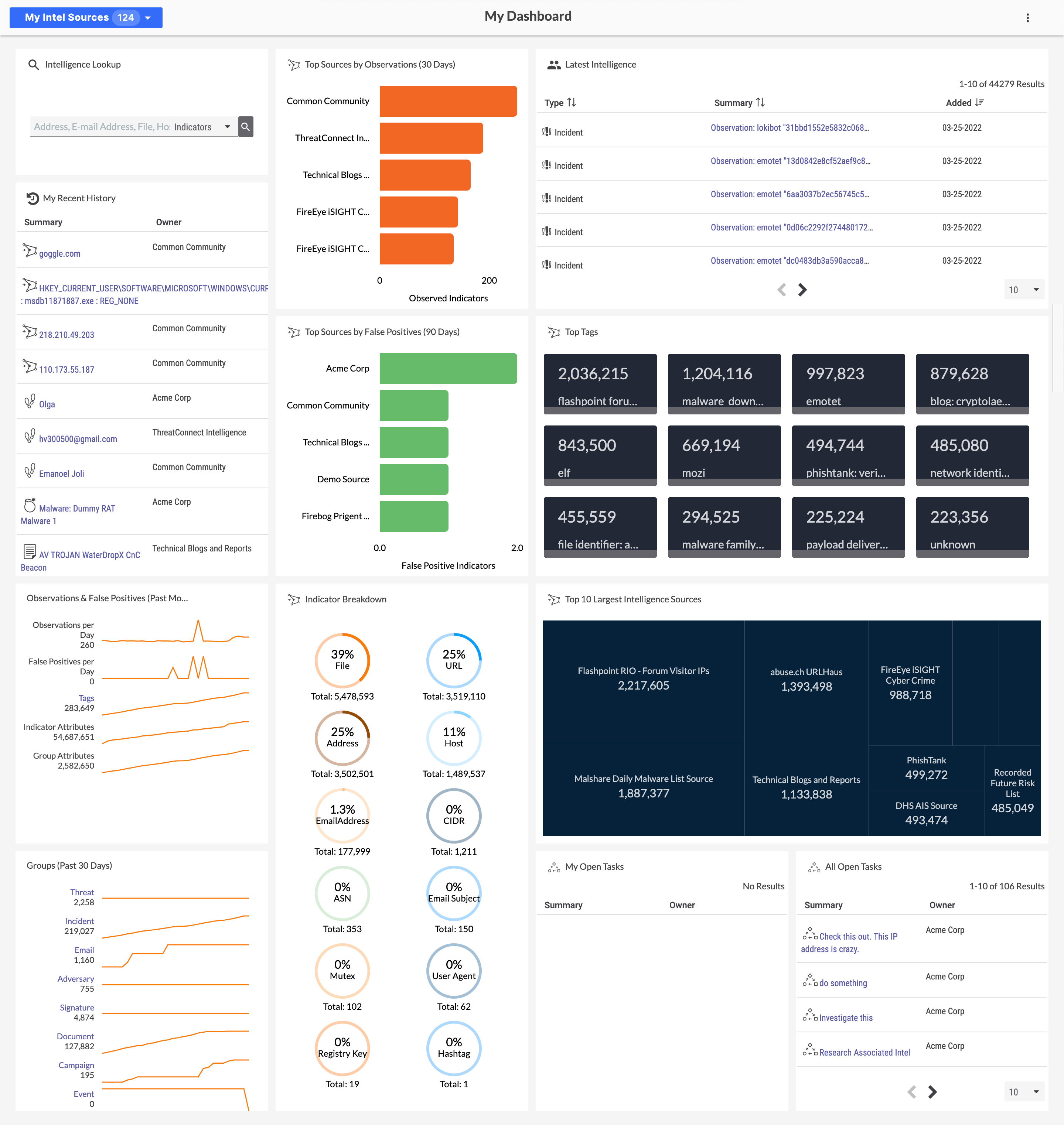
4.スレットコネクト

ThreatConnect is a threat intelligence platform focused on operationalizing intelligence across security operations and risk management. It centralizes data from multiple sources and provides tools for analysis, correlation, and decision-making. The platform also links threat intelligence to business risk, helping organizations prioritize actions based on impact.
主な特徴は以下の通り:
- Centralized intelligence management: Aggregates open-source, commercial, and internal intelligence into a single platform.
- Federated search and correlation: Enables analysts to search and correlate data across multiple sources in real time.
- Operationalized intelligence workflows: Transforms raw data into actionable intelligence for detection and response.
- Cyber risk quantification: Links threats to financial impact to support prioritization and executive reporting.
- Collaboration and information sharing: Improves communication between teams through shared intelligence and workflows.
- Automation and analysis support: Simplifies analysis and decision-making with integrated tools and workflows.

Source: ThreatConnect
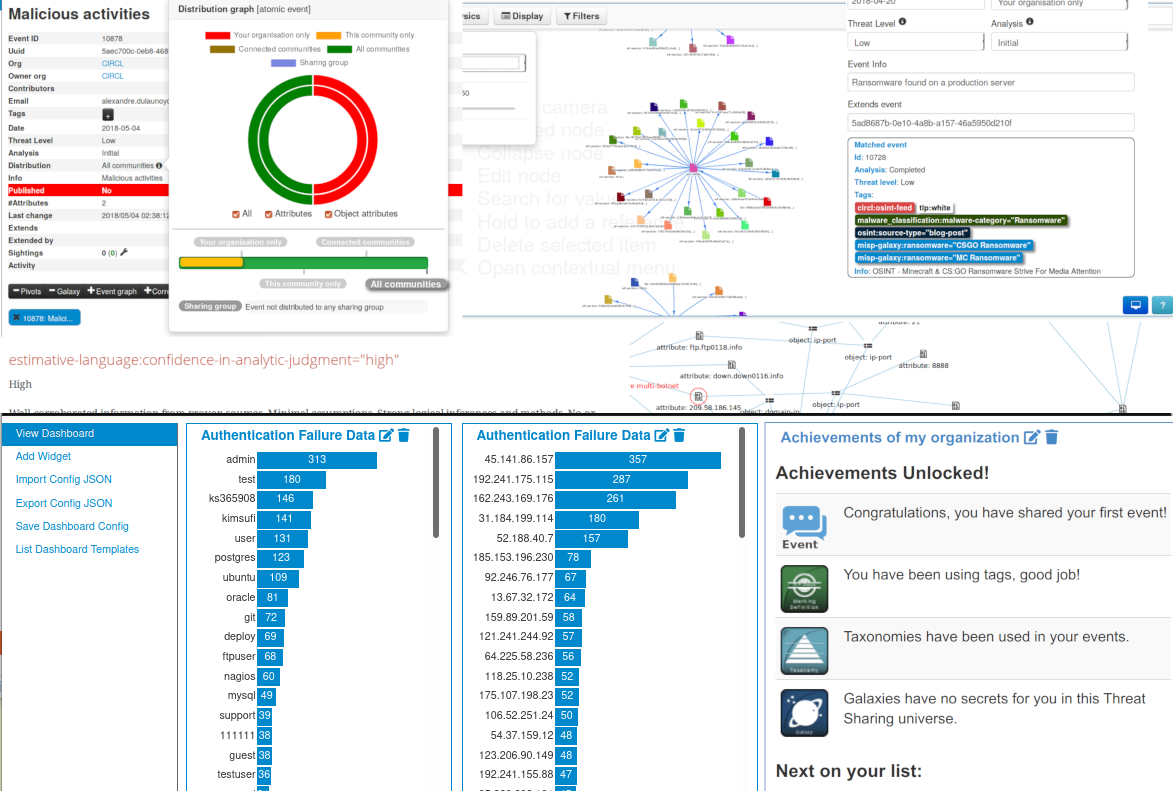
5.MISP

MISP (Malware Information Sharing Platform) is an open-source threat intelligence platform for sharing, storing, and correlating indicators of compromise and related intelligence. It supports collaborative analysis and enables organizations to exchange structured threat data in real time. The platform is widely used for both operational and strategic threat intelligence.
主な特徴は以下の通り:
- Threat intelligence sharing: Enables real-time exchange of indicators and intelligence across organizations and communities.
- Flexible data model: Supports structured representation of indicators, tactics, techniques, and related context.
- Correlation engine: Identifies relationships between indicators, campaigns, and threat actors using automated correlation.
- Structured data storage: Stores both technical and non-technical intelligence in a searchable format.
- Import and export support: Integrates with multiple formats such as STIX, CSV, and IDS rules for interoperability.
- Automation and workflows: Provides customizable pipelines for data processing, analysis, and distribution.
- API and integration support: Offers APIs and modules to integrate with external tools and systems.

Source: MISP
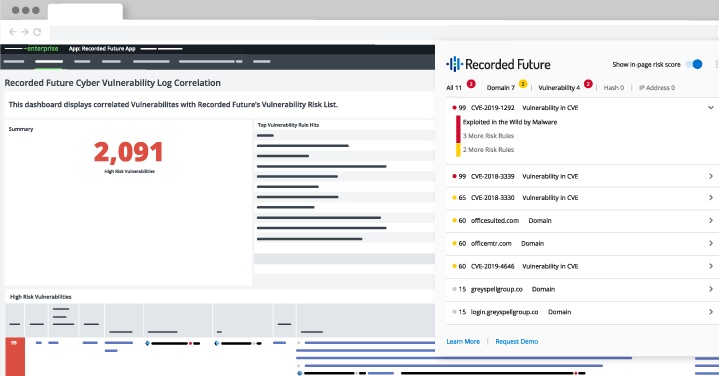
6.記録された未来

Recorded Future is a threat intelligence platform that focuses on collecting and analyzing large volumes of data to identify relevant threats. It applies automated analysis and pattern matching to prioritize risks and provide actionable intelligence. The platform supports continuous monitoring and helps organizations focus on the most significant threats.
主な特徴は以下の通り:
- Large-scale data collection: Aggregates intelligence from a wide range of sources to provide broad visibility into threats.
- Pattern matching and analytics: Uses algorithms to identify threat patterns and correlations across datasets.
- Prioritized intelligence: Filters and ranks threats to highlight those most relevant to the organization.
- Continuous threat monitoring: Tracks evolving threats and attacker activity in real time.
- Actionable insights: Provides intelligence that supports faster decision-making and response.
- Research and intelligence support: Combines automated data analysis with expert-driven insights.

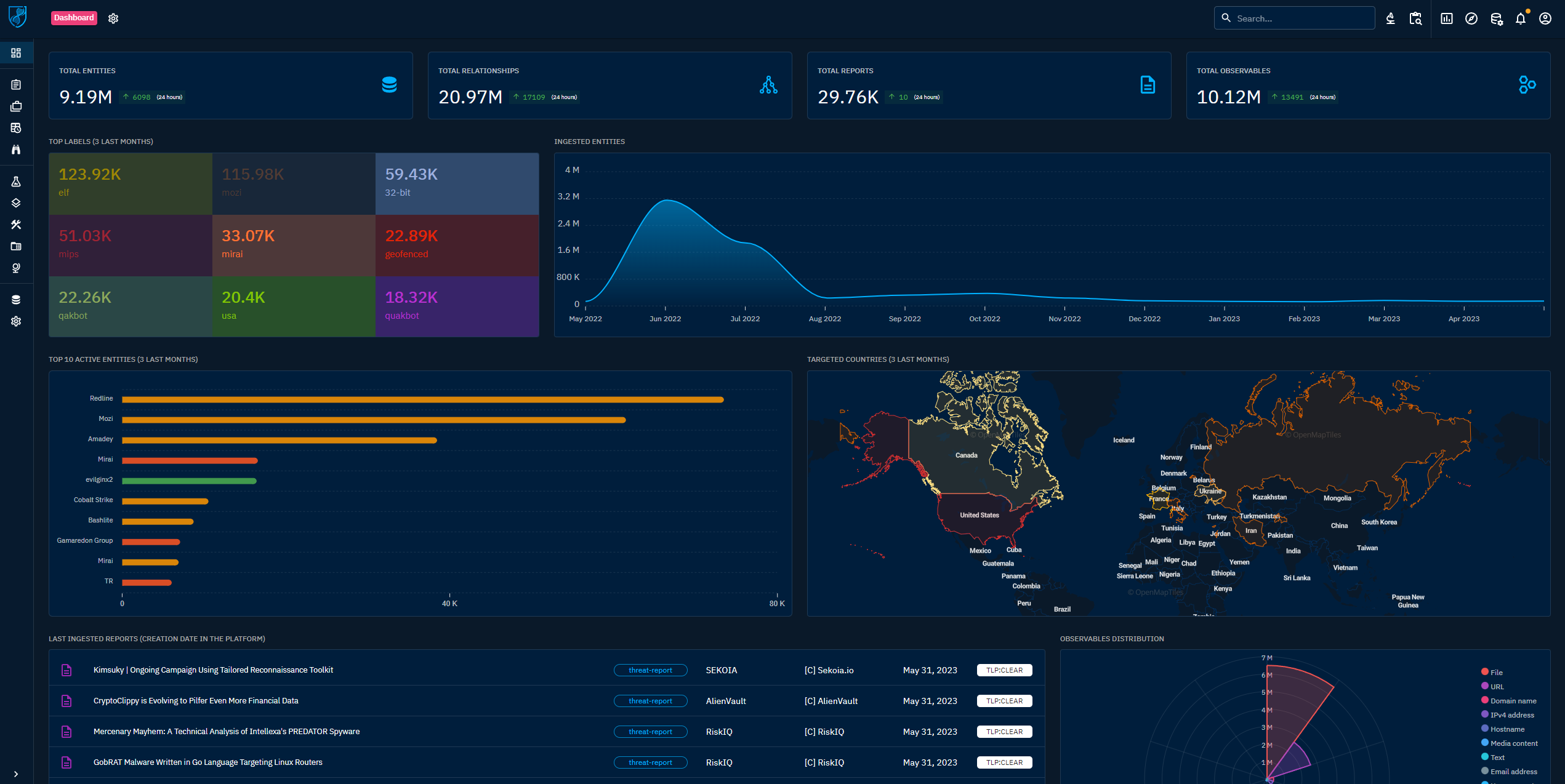
7.オープンCTI

OpenCTI is an open-source threat intelligence platform to centralize, structure, and operationalize threat data. It uses a standardized data model to unify intelligence from multiple sources and provides tools for analysis, visualization, and sharing. The platform supports collaboration and automation across the threat intelligence lifecycle.
主な特徴は以下の通り:
- Centralized intelligence platform: Consolidates multiple threat feeds into a unified system using a consistent data model.
- STIX-based data model: Uses structured formats to standardize and organize threat intelligence.
- Visualization and analysis tools: Provides dashboards, graphs, and timelines to explore relationships between threats.
- Automation and AI support: Automates data processing and supports analysis with AI capabilities.
- Case management: Centralizes incident-related data to improve investigation and response workflows.
- Role-based access control: Manages access to intelligence across teams and organizations.
- Integration ecosystem: Connects with external tools and supports large-scale integrations.

Source: OpenCTI
8.ANY.RUN

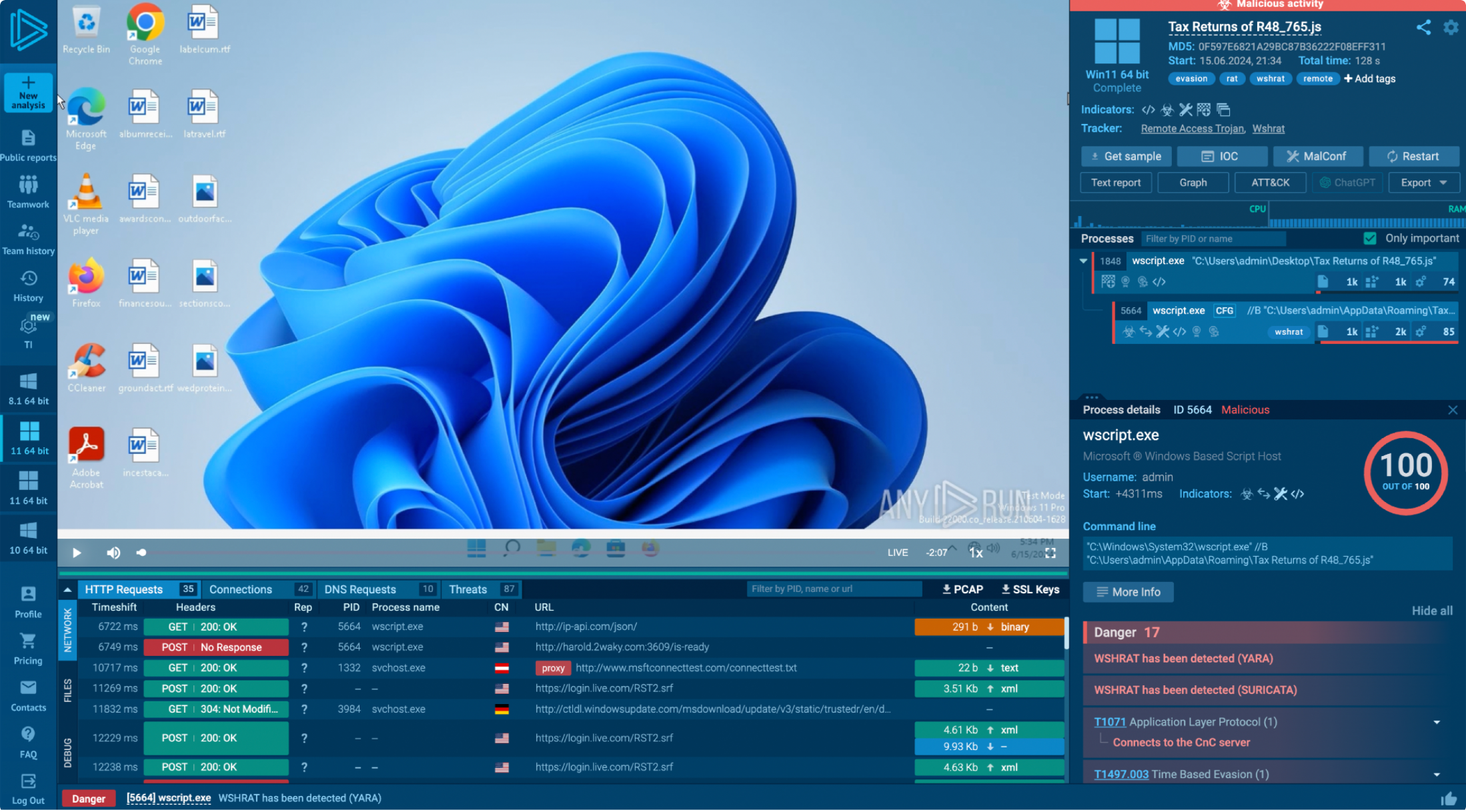
ANY.RUN is a threat analysis and intelligence platform centered on interactive malware analysis and real-time data collection. It provides a sandbox environment where security teams can observe and investigate threats, while also generating threat intelligence that can be used for detection and response.
主な特徴は以下の通り:
- Interactive malware sandbox: Allows analysts to safely execute and observe malware behavior in real time.
- Threat intelligence lookup: Provides access to data from large volumes of analyzed malware and phishing samples.
- Threat intelligence feeds: Supplies continuously updated indicators of compromise for integration with security tools.
- Real-time analysis: Enables fast investigation of threats, reducing time to detection and response.
- Collaboration features: Supports sharing of analysis results and coordination across teams.
- Integration support: Connects with SIEM, TIP, and XDR platforms using APIs and standard formats.
- Access to real-world threat data: Leverages data collected from thousands of organizations to improve detection accuracy.

Source: ANY.RUN
正しい脅威インテリジェンスソリューションの選択
脅威インテリジェンス・ソリューションを評価する際の主な検討事項を以下に示す。
1.目的を明確にする
脅威インテリジェンス・ソリューションを選択する前に、組織のセキュリティ目標を明確に定義することが極めて重要である。主なニーズが、外部脅威の検知なのか、内部インシデントデータの充実化なのか、脆弱性の優先順位付けの改善なのか、対応ワークフローの改善なのかを特定する。ユースケースは、必要とされるインテリジェンスの種類(戦術的、運用的、戦略的)に影響します。
組織の規模、業種、規制上の義務、セキュリティ運用の成熟度を考慮する。例えば、金融機関であれば詐欺の指標やダークウェブの監視を優先し、製造業であればサプライチェーンの脅威に注力する。このような目的を明確にすることで、プラットフォーム機能とセキュリティ成果の整合性を確保することができる。
2.データ品質、情報源を評価する。
脅威インテリジェンスの有用性は、収集するデータの質、範囲、適時性に結びついている。ソリューションが広範かつ多様なソースから情報を収集しているかどうかを評価する:OSINT、政府フィード、ダークウェブ・フォーラム、マルウェア・リポジトリ、業界固有の脅威交換などです。広範であれば、より広範な脅威を検知することができ、関連性があれば、データがリスクプロファイルに適合していることを確認することができます。
また、プラットフォームが生データをどのようにフィルタリングし、スコアリングし、エンリッチしているかも重要である。信頼度評価、文脈に応じたタグ付け、履歴相関などの機能を確認します。誤検知を最小限に抑え、充実した重複排除インテリジェンスを提供するプラットフォームによって、セキュリティ・チームはより迅速かつ確信を持って行動できるようになり、意思決定が改善され、アラートに対する疲労が軽減されます。
3.統合能力の評価
脅威インテリジェンス・ソリューションは、既存のセキュリティ・エコシステムと統合する必要がある。これには、SIEM、SOARプラットフォーム、ファイアウォール、エンドポイント保護システム、ケース管理ツールなどが含まれる。ツール間でデータを自動的にプッシュ/プルできる機能は、手作業を減らし、対応時間を短縮し、チームが効率的に行動を調整するのに役立ちます。
STIX/TAXIIのような業界標準のサポートや、API、SDK、組み込みコネクタの可用性を評価する。効果的な統合により、脅威指標が既存のワークフロー内で可視化され、実行可能になります。これができなければ、インテリジェンスはサイロ化されたまま活用されず、投資対効果は限定的なものになります。
4.レポートとアラート機能の分析
脅威の検知と対応には、タイムリーで実用的なアラートが不可欠です。強力な脅威インテリジェンス・プラットフォームは、指標属性、脅威行為者のプロファイル、攻撃のタイムラインなど、豊富なコンテキストを備えたリアルタイムのアラートをサポートする必要があります。アラートは、重大度、資産への影響、脅威の種類ごとにカスタマイズ可能であるべきで、ノイズを減らし、チームが重要な問題に集中できるようにします。
レポートツールも同様に重要である。トレンド分析、攻撃のタイムライン、エグゼクティブ・ダッシュボードなどの機能を探しましょう。レポートは、技術者と非技術者の両方をサポートし、アナリストには詳細を、リーダーには要約を提供する必要があります。エクスポート・オプションやコンプライアンスに沿ったテンプレートは、監査や文書化の要件を簡素化します。
5.拡張性とカスタマイズ性の確保
組織は時とともに変化するものであり、脅威インテリジェンス・ソリューションは組織とともに成長できなければなりません。拡張性とは、パフォーマンスを犠牲にすることなく、より大量のデータ、より多くのユーザー、新しいデータソース、進化する脅威の種類に対応できることを意味します。これは、多国籍企業やデジタルフットプリントを拡大する企業にとって特に重要です。
カスタマイズにより、プラットフォームが運用上のニーズに適応できるようになります。リスクスコアリングモデルの設定、ダッシュボードのカスタマイズ、ワークフロー自動化の定義など、柔軟なソリューションはインテリジェンスを脅威の状況に合わせるのに役立ちます。ユーザー・ロール、カスタム・タグ付け、モジュール式のデプロイメントをサポートするプラットフォームにより、セキュリティ・チームは俊敏性を保つことができます。