


Best Insider Threat Management Software: Top 9 Solutions in 2026
- 8 minutes to read
فهرس المحتويات
ما هو برنامج إدارة التهديدات الداخلية؟
إدارة تهديدات الداخل تحدد البرمجيات وتخفف من المخاطر التي تنشأ من المستخدمين الداخليين. يمكن أن تنشأ هذه التهديدات من الموظفين أو المتعاقدين أو أي شخص لديه وصول إلى بيانات وأنظمة الشركة.
غالبًا ما يتم تجاهل التهديدات الداخلية بسبب التركيز على التهديدات الخارجية مثل القراصنة. ومع ذلك، يمكن أن تكون الاختراقات الداخلية أكثر ضررًا، حيث أن الأفراد الداخليين عادةً ما يكون لديهم وصول شرعي إلى البيانات الحساسة، مما يجعل اكتشافها تحديًا.
هذا البرنامج يعمل كآلية دفاعية، حيث يستخدم خوارزميات وأدوات لتحديد السلوكيات المشبوهة ومنع الوصول غير المصرح به إلى البيانات أو سرقتها. من خلال المراقبة المستمرة لتصرفات المستخدمين، يوفر للمنظمات رؤى حول المخاطر المحتملة والحالية. وهذا يمنع خروقات البيانات ويضمن الامتثال للوائح.
في هذا المقال:
- الميزات الرئيسية لبرامج إدارة التهديدات الداخلية
- منصات الأمان مع ميزات التهديد الداخلي
- برمجيات مخصصة لإدارة التهديدات الداخلية
Editor’s note: Updated the article to cover recent market trends, updated product information to reflect features and capabilities in 2026.
Insider Threat Management Market Trends
حجم السوق والنمو
The insider threat management market is growing quickly. It is projected to expand from USD 3.03 billion to USD 6.32 billion by 2030, with a CAGR of 15.8%. This growth reflects a shift away from perimeter-based security toward monitoring trusted users. Organizations are increasing spending as insider risks become harder to detect and more damaging.
Market Restraints
Despite strong growth, there are challenges. A shortage of skilled cybersecurity professionals limits the ability to manage and investigate insider threats effectively. Privacy regulations also restrict how deeply organizations can monitor employees, forcing a balance between security and compliance.
Budget constraints can slow adoption, especially in smaller organizations that prioritize external threat defenses. There is also overlap with existing tools like SIEM and DLP systems, which can create confusion when selecting solutions.
Segmentation Trends
Solutions dominate the market, accounting for most of the revenue. These platforms combine behavior analytics, risk scoring, and data loss prevention in a single system. Services are growing as organizations outsource monitoring due to limited in-house expertise.
Cloud deployment leads the market due to scalability and support for AI-driven analysis. Large enterprises currently drive most spending, but small and medium-sized businesses are the fastest-growing segment due to simpler, subscription-based offerings.
By industry, financial services lead adoption because of strict compliance requirements. Healthcare is growing fastest due to sensitive patient data and increased remote access.
الميزات الرئيسية لبرامج إدارة التهديدات الداخلية
تحليل سلوك المستخدمين
تحليل سلوك المستخدم (UBA) يركز على تحديد الانحرافات عن الأنشطة الطبيعية للمستخدمين. من خلال إنشاء خط أساسي سلوكي، يمكن لهذه الأنظمة اكتشاف الشذوذات التي قد تشير إلى تهديد أمني أو خرق للبيانات. يستخدم UBA التعلم الآلي لتحسين قدراته في الكشف بشكل مستمر، متعلمًا من البيانات الجديدة والتهديدات الناشئة.
بالإضافة إلى الكشف عن التهديدات المحتملة، توفر UBA رؤى تفصيلية حول أنشطة المستخدمين، مما يولد تقارير تساعد في فهم أنماط التهديدات. تساعد هذه المقاربة الاستباقية في تحديد التهديدات الداخلية حيث قد تفشل تدابير الأمان التقليدية.
المراقبة والتنبيه في الوقت الحقيقي
تقدم المراقبة والتنبيه في الوقت الحقيقي اكتشافًا فوريًا للتهديدات المحتملة. تقوم هذه الوظيفة بتتبع الأنشطة عبر الشبكات والأنظمة بشكل مستمر، مما يضمن التعرف الفوري على أي سلوك مشبوه. من خلال تقديم تنبيهات فورية، يمكن للمنظمات الاستجابة على الفور للحوادث، مما يمنع تسرب البيانات أو الوصول غير المصرح به من التسبب في أضرار كبيرة.
تقلل هذه الميزة بشكل كبير من وقت الاستجابة، وهو أمر حاسم أثناء حدوث خرق أمني. كما أن الأنظمة في الوقت الحقيقي تتيح للمنظمات تلبية متطلبات الامتثال، حيث تقدم سجلات شاملة للحوادث لأغراض التدقيق.
قدرات الاستجابة للحوادث والقدرات الجنائية
تعتبر استجابة الحوادث والقدرات الجنائية عناصر حيوية في إدارة التهديدات الداخلية، حيث تتضمن إجراءات معدة مسبقًا للتعامل مع الحوادث الأمنية وتحليلها. عند اكتشاف تهديد، يتم تفعيل استراتيجيات استجابة محددة مسبقًا لتقليل الأضرار بسرعة. كما تسمح القدرات الجنائية بفحص الحوادث بشكل مفصل لتحديد أصولها وتأثيراتها.
من خلال الحفاظ على سلامة البيانات وإجراء تحقيقات شاملة، يمكن للمنظمات فهم السبب الجذري وطريقة الهجوم والمناطق المتأثرة. هذه الرؤى ضرورية لتحسين بروتوكولات الأمان ومنع الحوادث المستقبلية. كما أن التوثيق الدقيق والتقارير تساعد أيضًا في الحالات القانونية والمتعلقة بالامتثال.
آليات منع فقدان البيانات
آليات منع فقدان البيانات (DLP) تعتبر جزءًا أساسيًا لحماية المعلومات الحساسة داخل المؤسسة. تقوم هذه الأدوات بمراقبة والتحكم في نقل البيانات، مما يمنع الوصول غير المصرح به أو تسرب البيانات. من خلال فرض السياسات المتعلقة بكيفية مشاركة البيانات أو الوصول إليها، تضمن DLP الامتثال للوائح حماية البيانات.
تعمل أدوات حماية البيانات (DLP) غالبًا بالتعاون مع تقنيات التشفير، مما يعزز أمان البيانات أثناء نقلها وتخزينها. توفر هذه الآليات تنبيهات فورية لفرق الأمان، مما يمكنهم من اتخاذ إجراءات فورية عند اكتشاف أنشطة مشبوهة.
ضوابط الوصول وإدارة الهوية
تعتبر ضوابط الوصول وإدارة الهوية ضرورية لتأمين بيانات المؤسسات. تساعد هذه الميزات في ضمان وصول الأفراد المصرح لهم فقط إلى الموارد، مما يقلل من خطر إساءة استخدام البيانات الداخلية. تشمل إدارة الهوية عمليات المصادقة مثل أسماء المستخدمين وكلمات المرور والمصادقة متعددة العوامل، مما يضمن وجود حاجز ضد الدخول غير المصرح به.
توفر ضوابط الوصول أمانًا متعدد الطبقات، حيث تحدد الإجراءات التي يمكن للمستخدمين القيام بها داخل النظام. وتشمل إدارة الوصول بناءً على الأدوار، مما يضمن أن يكون لدى المستخدمين الحد الأدنى من مستوى الوصول المطلوب لأدوارهم. من خلال إدارة ومراقبة وصول المستخدمين، يمكن للمنظمات اكتشاف أي محاولات غير مصرح بها أو تصعيد للامتيازات على الفور.
منصات الأمان مع ميزات التهديد الداخلي
1. إكزابييم

Exabeam هي مزود رائد لحلول إدارة معلومات وأحداث الأمان (SIEM)، تجمع بين UEBA وSIEM وSOAR وTDIR لتسريع عمليات الأمان. تمكن منصات العمليات الأمنية الفرق الأمنية من الكشف السريع عن التهديدات والتحقيق فيها والاستجابة لها مع تعزيز الكفاءة التشغيلية.
الميزات الرئيسية:
- جمع السجلات وإدارتها القابلة للتوسع: تسرع المنصة المفتوحة عملية إدخال السجلات بنسبة 70%، مما يلغي الحاجة لمهارات هندسية متقدمة مع ضمان تجميع سلس للسجلات عبر البيئات الهجينة.
- تحليلات سلوكية: تستخدم تحليلات متقدمة لتحديد السلوك الطبيعي مقابل السلوك غير الطبيعي، وكشف التهديدات الداخلية، والحركة الجانبية، والهجمات المتقدمة التي تفوتها الأنظمة المعتمدة على التوقيع. يذكر العملاء أن Exabeam يساعد في الكشف والاستجابة لـ 90% من الهجمات قبل أن تتمكن الشركات الأخرى من اكتشافها.
- استجابة التهديدات الآلية: تبسط عمليات الأمان من خلال أتمتة جداول الحوادث، وتقليل الجهد اليدوي بنسبة 30%، وتسريع أوقات التحقيق بنسبة 80%.
- تحقيق الحوادث السياقية: نظرًا لأن Exabeam يقوم بأتمتة إنشاء الجداول الزمنية ويقلل من الوقت المستغرق في المهام البسيطة، فإنه يقلل من الوقت اللازم لاكتشاف التهديدات والاستجابة لها بأكثر من 50%. تقلل قواعد الكورليشن المسبقة البناء، ونماذج اكتشاف الشذوذ، ودمج البائعين من التنبيهات بنسبة 60%، مما يقلل من الإيجابيات الكاذبة.
- خيارات SaaS والسحابة الأصلية: توفر خيارات النشر المرنة قابلية التوسع للبيئات السحابية والهجينة، مما يضمن سرعة تحقيق القيمة للعملاء. بالنسبة للمنظمات التي لا تستطيع، أو لا ترغب في نقل SIEM الخاص بها إلى السحابة، تقدم Exabeam SIEM رائد في السوق، كامل الميزات، ومُستضاف ذاتيًا.
- رؤية الشبكة مع NetMon: يوفر رؤى عميقة تتجاوز الجدران النارية وأنظمة كشف التسلل/أنظمة منع التسلل، ويكتشف التهديدات مثل سرقة البيانات ونشاط الشبكات الآلية، مما يسهل التحقيق من خلال البحث المرن. كما أن تحليل الحزم العميق (DPA) يبني أيضًا على محرك فحص الحزم العميق (DPI) الخاص بـ NetMon لتفسير مؤشرات الاختراق الرئيسية (IOCs).
يبرز عملاء Exabeam باستمرار كيف أن رؤيتها في الوقت الحقيقي، وأدوات الأتمتة والإنتاجية المدعومة بالذكاء الاصطناعي، تعزز من مهارات الأمن، مما يحول المحللين المرهقين إلى مدافعين نشطين، مع تقليل التكاليف والحفاظ على دعم رائد في الصناعة.

Source: Exabeam
2. أمان بيانات فاروينس

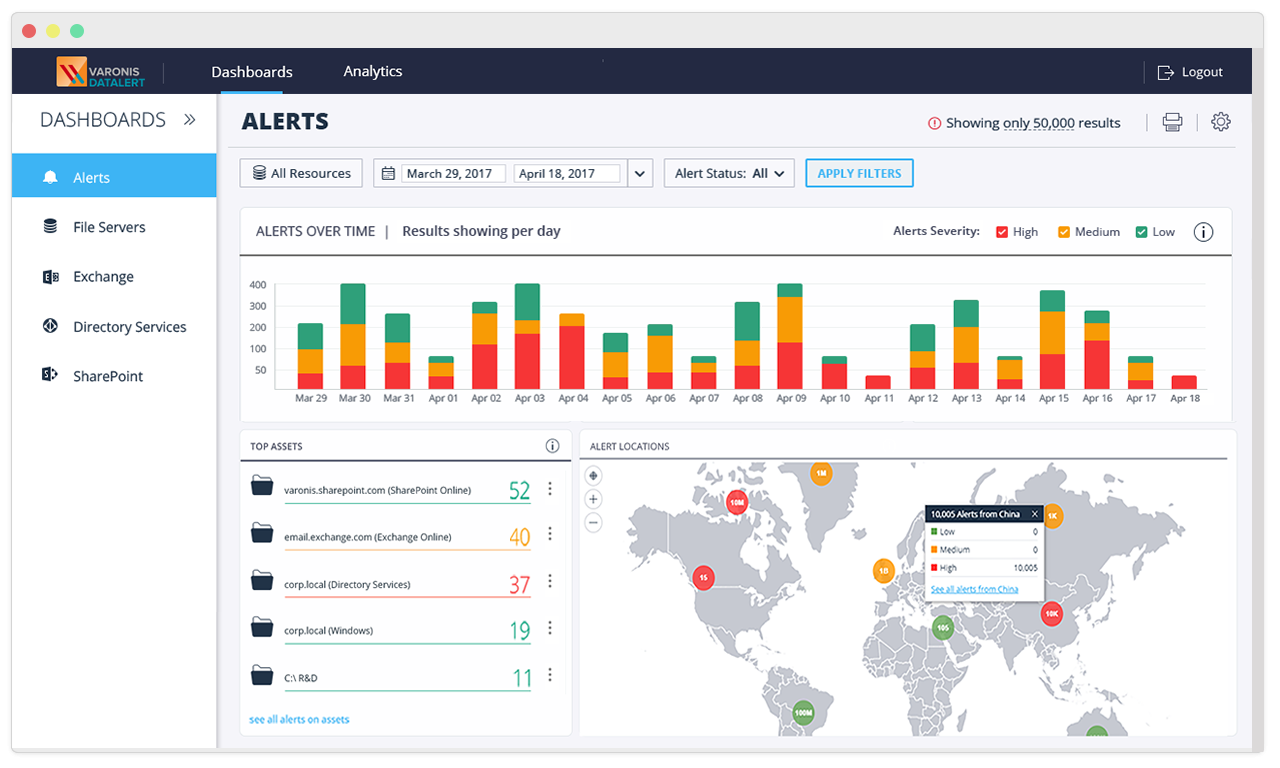
Varonis Data Security is a data-centric security platform that focuses on protecting sensitive data across cloud, SaaS, and on-premises environments. It combines data discovery, access governance, and behavioral analytics to identify risks and reduce exposure. The platform emphasizes automation to detect and respond to threats involving data misuse.
الميزات العامة:
- Data discovery and classification: Identifies and classifies sensitive data across environments in real time.
- Data security posture management: Provides visibility into data risks and helps enforce security policies.
- Data access governance: Controls and manages access to sensitive data to reduce exposure.
- Data loss prevention: Prevents unauthorized data transfers and enforces protection policies.
- Multi-environment coverage: Supports cloud, SaaS, hybrid, and on-premises systems.
- Automated remediation: Applies fixes and policy enforcement to reduce risk automatically.
ميزات التهديد الداخلي:
- Data-centric user behavior analytics: Detects abnormal access and usage patterns around sensitive data.
- Real-time threat detection: Monitors data access continuously to identify suspicious activity.
- Proactive alerting: Generates alerts based on risky behavior and potential data misuse.
- Identity and access monitoring: Tracks how users interact with data to detect insider risks.
- Incident response support: Integrates detection with response workflows to stop active threats.

Source: Varonis
3. مايكروسوفت بروفيو

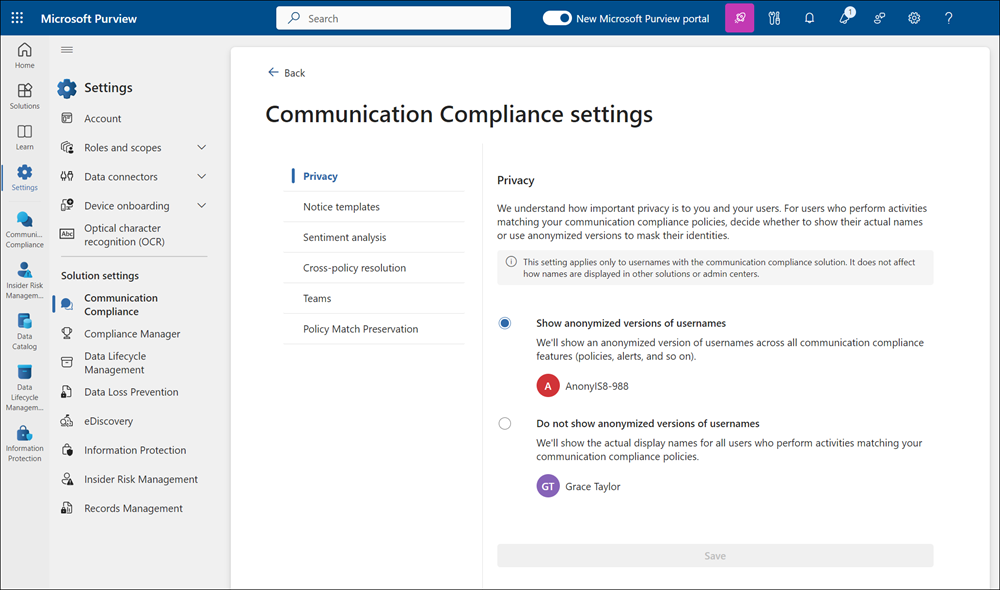
Microsoft Purview is a unified data security, governance, and compliance platform to manage and protect data across its lifecycle. It integrates multiple capabilities such as data classification, data loss prevention, and insider risk management into a single system. The platform provides visibility into data usage and helps organizations enforce policies and meet regulatory requirements.
الميزات العامة:
- Unified data security and governance: Combines security, compliance, and governance capabilities in one platform.
- Data discovery and classification: Identifies and labels sensitive data across systems and applications.
- Data security posture management: Provides insights into data risks and policy effectiveness.
- Data loss prevention: Prevents sensitive data leakage across endpoints, apps, and services.
- Compliance and privacy management: Supports regulatory requirements with auditing and reporting tools.
- Lifecycle data protection: Secures data across its entire lifecycle, from creation to storage and sharing.
ميزات التهديد الداخلي:
- Insider risk management: Detects and investigates risky user behavior such as data leaks or misuse.
- Behavioral monitoring: Tracks user actions to identify anomalies and potential insider threats.
- Investigation capabilities: Supports analysis and mitigation of insider-related incidents.
- AI-powered risk detection: Uses analytics to uncover hidden risks and prioritize investigations.
- Integrated response workflows: Enables mitigation actions within the same platform.

Source: Microsoft
برمجيات مخصصة لإدارة التهديدات الداخلية
4. تيرامند

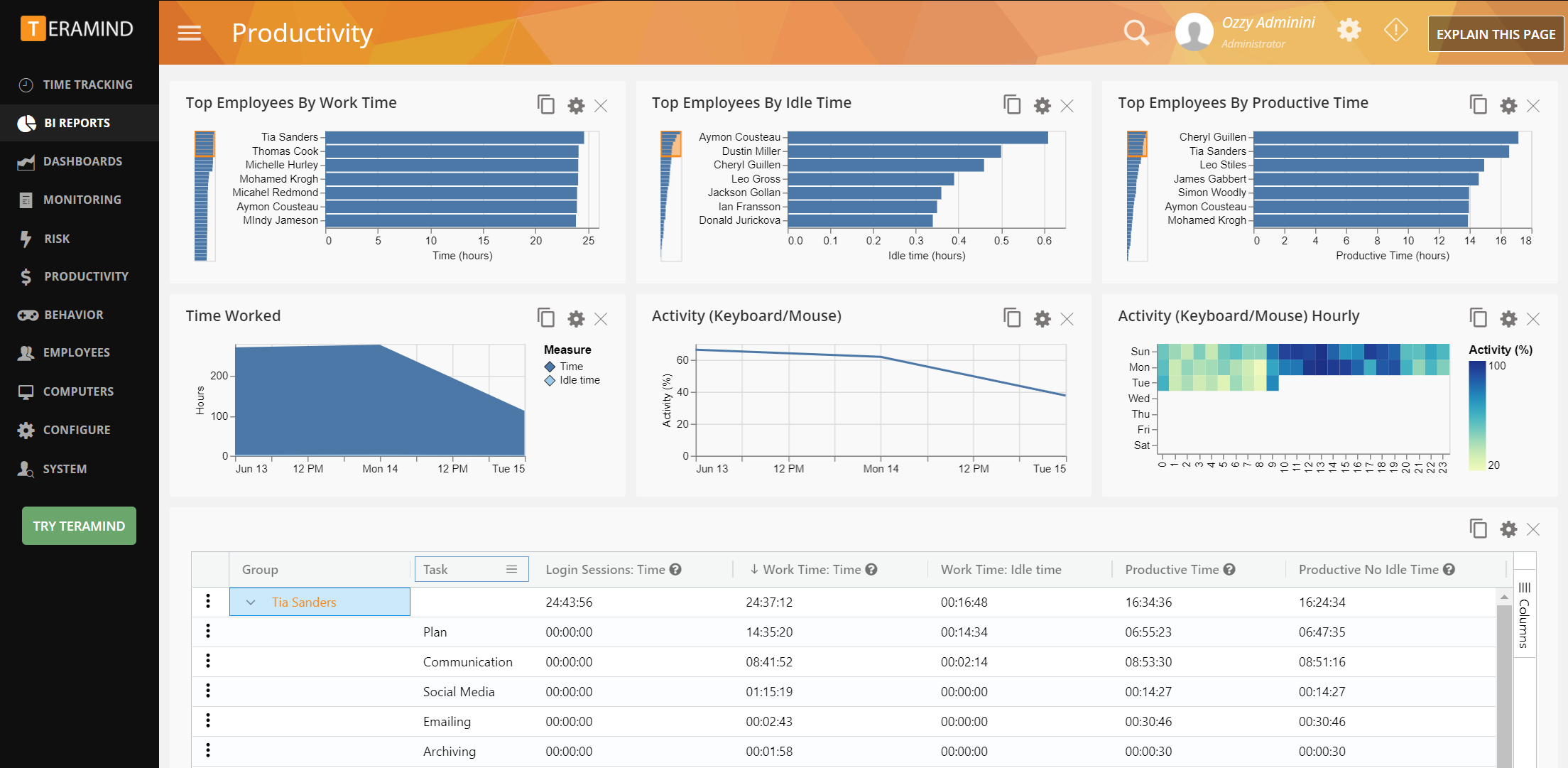
Teramind is an insider risk management platform that focuses on monitoring user activity and converting behavioral data into actionable insights. It combines user activity monitoring, analytics, and alerting to help organizations detect and prevent insider threats while supporting compliance and operational visibility.
تشمل الميزات الرئيسية:
- User activity monitoring: Tracks system activity and user behavior across endpoints for full visibility.
- Behavior analytics and telemetry: Collects and analyzes user activity data to identify patterns and anomalies.
- Real-time alerts: Generates alerts on suspicious behavior to enable immediate response.
- Session recording: Captures user sessions to support investigation and compliance use cases.
- Predictive analytics: Uses analytics to identify potential risks before they result in incidents.
- Reporting and dashboards: Provides visual reports to analyze activity and compare behavior trends.
- Granular configuration: Supports customizable monitoring policies and privacy-aware deployment options.

Source: Teramind
5. مدقق نتريكس

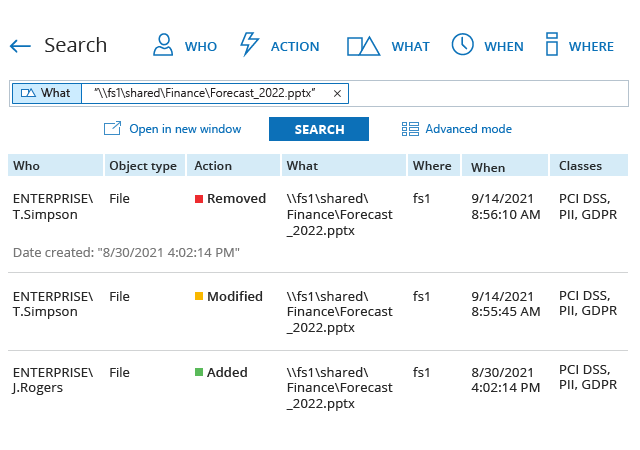
Netwrix Auditor is an IT auditing platform that provides visibility into user activity across systems and applications. It helps organizations track access, detect anomalies, and support compliance by transforming raw logs into structured insights for investigation and reporting.
تشمل الميزات الرئيسية:
- Activity tracking and auditing: Monitors changes, access events, and user actions across IT systems.
- Real-time alerts: Provides near real-time notifications for suspicious activities and policy violations.
- Centralized visibility: Consolidates audit data from multiple systems into a single platform.
- Risk assessment capabilities: Identifies excessive permissions and security gaps.
- Incident investigation tools: Enables fast search and analysis of activity for forensic investigations.
- Compliance reporting: Offers prebuilt reports for standards such as HIPAA, PCI, and SOX.
- Access control support: Helps enforce least-privilege access and manage permissions.

Source: Netwrix
6. إدارة مخاطر المعلومات الداخلية من Syteca

Syteca is a cybersecurity platform that combines user activity monitoring and privileged access management to control insider risks. It provides visibility into user actions and supports detection and response through monitoring, alerts, and reporting.
تشمل الميزات الرئيسية:
- User activity monitoring: Provides continuous tracking of employee and third-party activity.
- Privileged access management: Controls and restricts access for high-risk or privileged users.
- Session recording: Captures user sessions with indexed metadata for analysis.
- Real-time alerts and response: Generates alerts and supports rule-based actions to block suspicious activity.
- User activity reporting: Produces detailed reports for assessing risk and supporting investigations.
- Compliance support: Helps meet regulatory requirements through monitoring and access control.
- Integration capabilities: Connects with SIEM, ticketing, and other security systems.

Source: Syteca
7. تهديدات الداخل من فورس بوينت

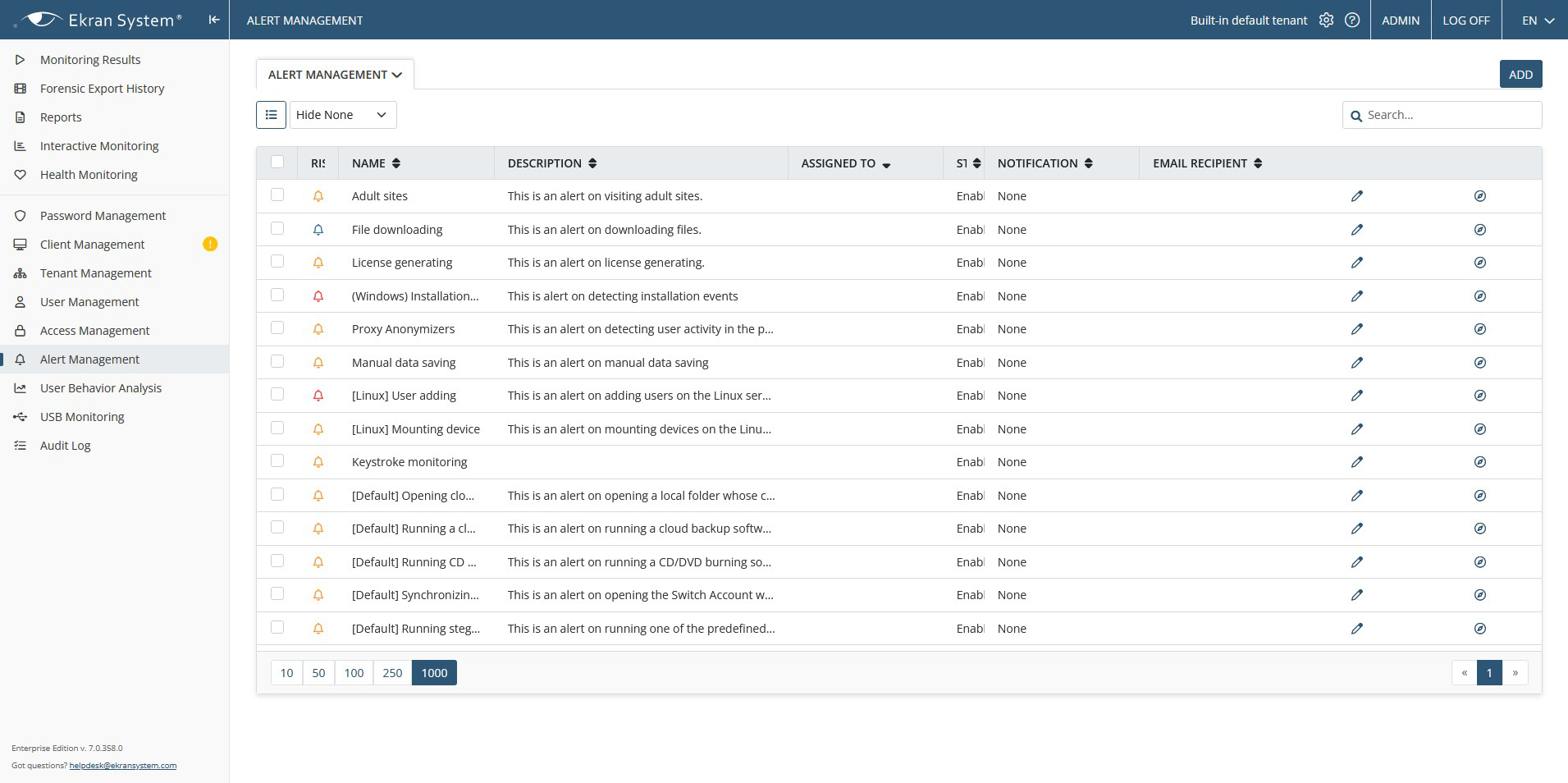
Forcepoint Insider Threat focuses on understanding user behavior and preventing data loss by combining monitoring, analytics, and policy enforcement. It provides visibility into how users interact with data and applies risk-based controls to reduce insider threats.
تشمل الميزات الرئيسية:
- User activity monitoring: Tracks activity across multiple data sources for visibility into behavior changes.
- Behavioral analytics: Identifies high-risk user behavior and supports proactive detection.
- Risk scoring: Assigns risk levels to users to prioritize investigations.
- Policy-based controls: Enforces security policies based on user behavior and risk level.
- Incident investigation tools: Uses timelines and contextual data to analyze user actions.
- Data protection capabilities: Helps prevent data theft and unauthorized access.
- Zero trust support: Restricts access for anomalous or high-risk users.

Source: Forcepoint
8. إدارة مخاطر الداخل من Safetica

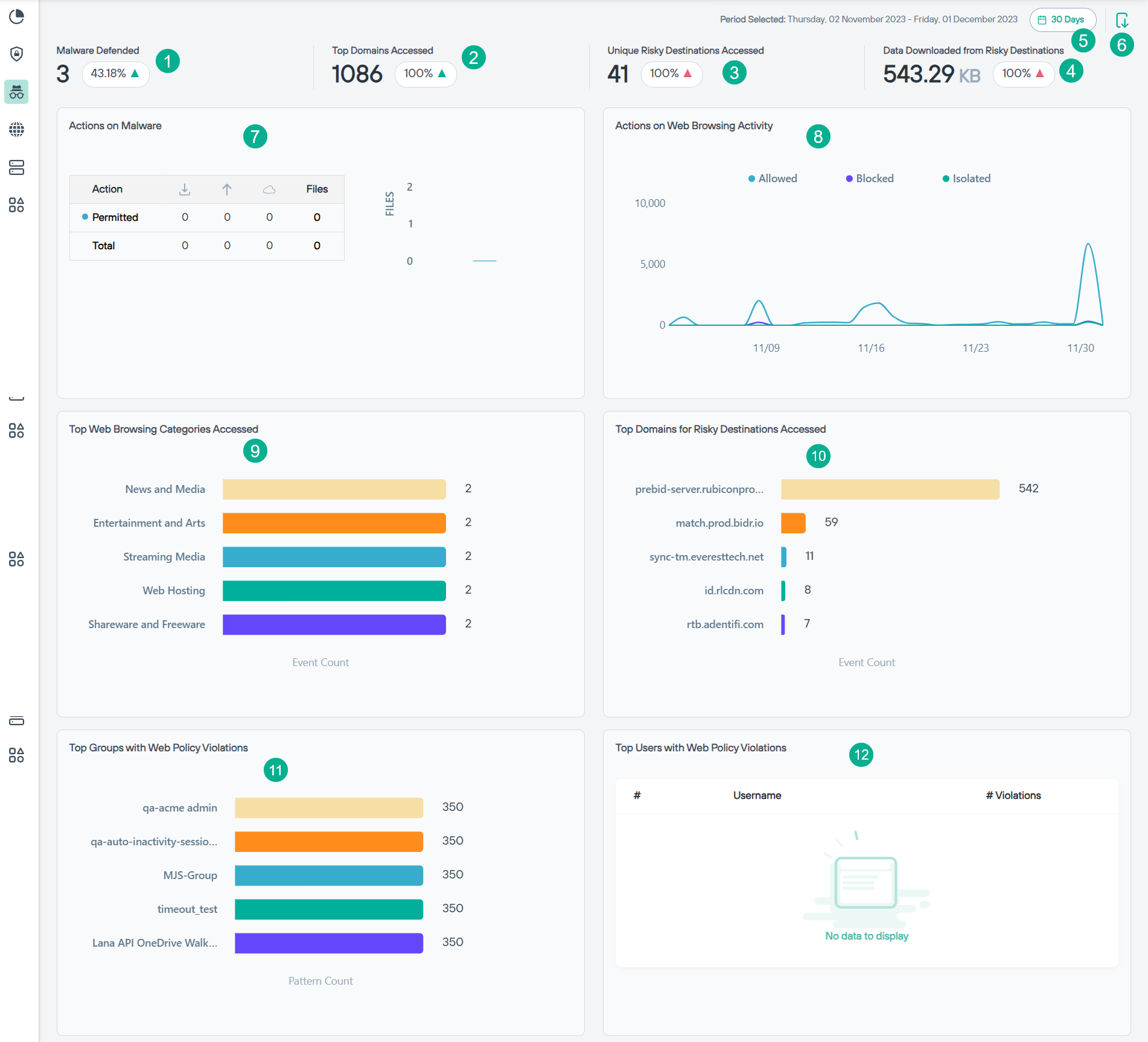
Safetica is an insider risk management solution that focuses on monitoring user activity, detecting anomalies, and preventing data leaks. It combines behavioral analytics with data protection controls to provide visibility and response capabilities.
تشمل الميزات الرئيسية:
- User activity monitoring: Tracks file transfers, messaging, and other user actions.
- Behavioral analytics: Identifies anomalies and suspicious patterns in user behavior.
- Real-time alerts and notifications: Provides immediate alerts for risky or blocked actions.
- Data loss prevention: Blocks data exfiltration across channels such as cloud, email, and removable media.
- Audit trails and reporting: Maintains logs and generates reports for compliance and analysis.
- Threat detection and response: Detects insider threats and supports rapid mitigation.
- Visibility into shadow IT: Identifies unauthorized tools and services used by employees.

Source: Safetica
9. إدارة التهديدات الداخلية من برووف بوينت

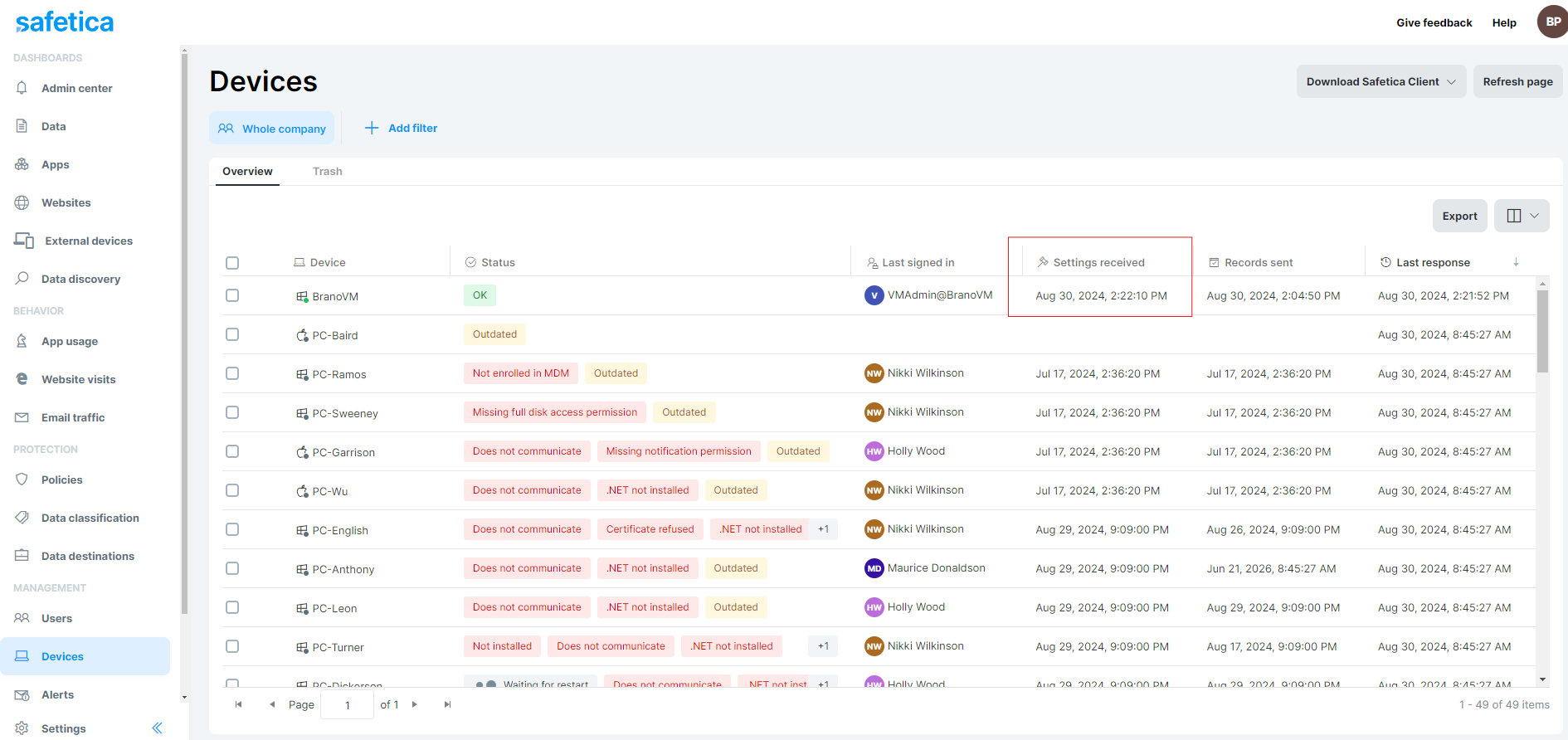
Proofpoint Insider Threat Management provides visibility into user behavior and data interactions to detect and prevent insider risks. It combines monitoring, analytics, and data protection controls to support investigation and response.
تشمل الميزات الرئيسية:
- User activity visibility: Tracks user actions across endpoints, cloud, and email environments.
- Activity timeline: Provides a chronological view of user behavior for investigation.
- Alerting and detection rules: Uses predefined and customizable rules to identify risky behavior.
- Data loss prevention integration: Prevents data exfiltration across multiple channels.
- Content scanning and classification: Identifies sensitive data in motion for protection.
- Centralized dashboard: Correlates alerts and telemetry for unified monitoring and analysis.
- Privacy controls: Supports data masking and access restrictions to meet compliance requirements.

Source: Proofpoint

استنتاج
برامج إدارة التهديدات الداخلية ضرورية لحماية المؤسسات من المخاطر الأمنية الداخلية. من خلال دمج التحليلات السلوكية، المراقبة في الوقت الحقيقي، أدوات التحكم في الوصول، والأدوات الجنائية، تساعد هذه الحلول في تحديد التهديدات المحتملة والتخفيف منها قبل أن تتفاقم. كما أنها توفر رؤية لنشاط المستخدم، وتفرض سياسات حماية البيانات، وتدعم جهود الامتثال.
تعلم المزيد عن إكزابييم
تعرف على منصة Exabeam ووسع معرفتك في أمن المعلومات من خلال مجموعتنا من الأوراق البيضاء، البودكاست، الندوات، والمزيد.