Agentische KI-Tools: Wichtigste Funktionen und 10 Tools, die man 2026 kennen sollte
- 10 minutes to read
Inhaltsverzeichnis
Was sind Agentic AI-Tools?
Agentische KI-Tools sind Systeme, die KI befähigen, komplexe Aufgaben autonom auszuführen, indem sie mehrere KI-Agenten koordinieren und dabei große Sprachmodelle (LLMs) sowie komplexe Schlussfolgerungen nutzen. Diese Tools gehen über einzelne KI-Agenten hinaus und schaffen integrierte Systeme, die komplexe Arbeitsabläufe bewältigen, Entscheidungen treffen und auf natürlichere und intuitivere Weise mit Nutzern interagieren können. Empfohlene Lektüre: KI-Cybersicherheit: KI-Systeme vor Cyberbedrohungen schützen.
Im Gegensatz zu herkömmlichen Automatisierungstools, die strengen, vordefinierten Anweisungen folgen, nutzen agentenbasierte KI-Systeme komplexe Algorithmen, maschinelles Lernen und logisches Denken, um in dynamischen Umgebungen zu navigieren, mehrdeutige Szenarien zu interpretieren und übergeordnete Ziele zu verfolgen. Durch ihren autonomen Betrieb können diese Tools Aufgaben bewältigen, die Urteilsvermögen, Anpassungsfähigkeit und Priorisierung erfordern.
Der Aufstieg der agentenbasierten KI spiegelt eine breitere Entwicklung hin zu KI-Komponenten wider, die als proaktive Agenten statt als passive Assistenten fungieren können. Diese Tools führen nicht einfach nur Befehle aus, sondern können Ziele setzen, Strategien entwickeln, den Fortschritt überwachen und ihre Aktionen an veränderte Bedingungen anpassen.
Dies ist Teil einer Artikelserie über SIEM-Tools
Markttrends für Agentic AI
Marktgröße und Wachstumsaussichten
Laut aktuellen Marktforschungen wird der globale Markt für agentenbasierte KI auf 6,96 Milliarden US-Dollar geschätzt und soll bis 2031 auf 57,42 Milliarden US-Dollar anwachsen. Dies entspricht einer durchschnittlichen jährlichen Wachstumsrate (CAGR) von 42,14 %.
Dieses Wachstum wird durch die Migration von Unternehmen hin zu autonomen Systemen, Verbesserungen im Bereich des logischen Denkens mit großen Sprachmodellen und die Weiterentwicklung von Multiagenten-Orchestrierungsframeworks vorangetrieben. Cloud-native Infrastrukturen ermöglichen es Unternehmen zudem, von Pilotprojekten zu produktionsreifen Implementierungen überzugehen.
Zu den wichtigsten Treibern dieses Wachstums zählen:
- Die Nachfrage nach intelligenter Automatisierung steigt rasant: Unternehmen ersetzen regelbasierte Bots durch autonome Agenten, die unstrukturierte und ausnahmeintensive Arbeitsabläufe bewältigen können. Laut Umfragen unter Führungskräften geben 61 % der CEOs an, Agenten in ihre Kernprozesse integriert zu haben. Unternehmen, die intelligente Automatisierung einsetzen, verzeichnen ein deutlich schnelleres Umsatzwachstum als solche, die auf herkömmliche Workflow-Tools setzen.
- Der Aufstieg von Multiagentensystemen: Orchestrierungsplattformen koordinieren heute viele spezialisierte Agenten, die gemeinsam auf gemeinsame Ziele hinarbeiten. Diese Verlagerung hin zu verteilten Agentenarchitekturen erhöht die Nachfrage nach Plattformen, die zuverlässige Kommunikation, Konfliktlösung und Nachverfolgbarkeit zwischen den Agenten gewährleisten.
- Fortschritte bei cloudnativer KI-Infrastruktur: Serverlose Inferenz, GPU-dichte Umgebungen und containerbasierte Orchestrierung ermöglichen es Unternehmen, von Dutzenden auf Tausende von Agenten zu skalieren. Dies ermöglicht „Agent-as-a-Service“-Modelle, reduziert den Bedarf an anfänglichen Hardwareinvestitionen und erweitert den Zugang für mittelständische Unternehmen.
Branchen- und Anwendungssegmente
- Nach Branchen betrachtet führte der Banken-, Finanzdienstleistungs- und Versicherungssektor (BFSI) mit einem Anteil von 19,12 %. Die Automobilindustrie ist das am schnellsten wachsende Segment mit einer durchschnittlichen jährlichen Wachstumsrate (CAGR) von 45,10 %, da Hersteller Agenten in den Bereichen Design, Beschaffung und Wartung einsetzen.
- Architektonisch betrachtet machten Multiagentensysteme 53,30 % des Marktes aus und werden voraussichtlich mit einer durchschnittlichen jährlichen Wachstumsrate (CAGR) von 43,50 % wachsen. Diese Systeme verteilen Aufgaben auf spezialisierte Agenten und erhöhen so Flexibilität und Ausfallsicherheit.
- Im Anwendungsbereich entfielen 23,21 % der Implementierungen auf die autonome Prozessautomatisierung. Intelligente virtuelle Assistenten verzeichnen mit einer durchschnittlichen jährlichen Wachstumsrate von 44,20 % ein deutlich schnelleres Wachstum, da Unternehmen zunehmend auf dialogbasierte Systeme setzen, die kontextreiche Interaktionen ermöglichen.
Schlüsselfunktionen von Agentic AI Tools
Autonome Entscheidungsfindung
Agentische KI-Tools können Entscheidungen selbstständig treffen und minimieren so den Bedarf an menschlicher Kontrolle bei Routine- und komplexen Vorgängen. Im Gegensatz zu Systemen, die für jede Aktion explizite Anweisungen benötigen, sind diese Tools so programmiert, dass sie wechselnde Eingaben auswerten, mehrere Ergebnisse bewerten und die am besten geeignete Reaktion auswählen. Diese Autonomie wird durch Technologien wie Deep Learning, Reinforcement Learning und probabilistisches Denken erreicht.
Solche Entscheidungsfähigkeiten sind besonders wertvoll in Situationen, in denen schnelles Reagieren unerlässlich ist, beispielsweise bei der Erkennung von Sicherheitsbedrohungen oder der Bewältigung von IT-Vorfällen. Durch die kontinuierliche Interpretation von Daten können agentenbasierte KI-Tools Probleme vorhersehen, Maßnahmen priorisieren und Ressourcen automatisch zuweisen.
Proaktive Zielsetzung und -umsetzung
Agentische KI kann Ziele setzen und proaktiv verfolgen, anstatt nur auf unmittelbare Anweisungen zu reagieren. Diese Tools können Unternehmensziele bewerten, Engpässe identifizieren und umsetzbare Pläne zur Erreichung der Ziele entwickeln. Durch die Bewertung verfügbarer Ressourcen und Einschränkungen priorisieren agentische KI-Systeme Aufgaben, planen Arbeitsabläufe und koordinieren sich mit verschiedenen Software- oder menschlichen Stakeholdern, um den Fortschritt autonom voranzutreiben.
Agentische KI-Tools können ihre Ziele bei neuen Informationen neu bewerten und ihre Strategien verfeinern, um sich an veränderte Prioritäten oder Umgebungen anzupassen. Im Kundensupport kann ein agentisches KI-System beispielsweise wiederkehrende Probleme erkennen, Präventivmaßnahmen vorschlagen und Lösungen unternehmensweit implementieren. Damit zeigt es Initiative, die weit über die passive Ticketlösung hinausgeht.
Dynamisches Denken und Planen
Dank dynamischer Argumentation können diese Tools Pläne in Umgebungen erstellen und aktualisieren, die von Unsicherheit oder häufigen Veränderungen geprägt sind. Anstatt statischen Abläufen zu folgen, evaluiert die agentische KI alternative Szenarien, simuliert Ergebnisse und passt ihren Ansatz an. Dadurch kann sie Aufgaben wie die Koordination mehrstufiger Prozesse, komplexes Workflow-Management oder die Behebung vielschichtiger Probleme mit einem höheren Grad an Komplexität bewältigen.
Effektive Planung erfordert nicht nur logisches Denken, sondern auch die Fähigkeit, Kompromisse einzugehen, Abhängigkeiten zu erkennen und auf unvorhergesehene Hindernisse zu reagieren. Agentische KI kann sich entwickelnde Eingaben analysieren, konkurrierende Prioritäten abwägen und ihre Strategien den Anforderungen entsprechend anpassen. Diese Fähigkeit ist besonders in Unternehmensumgebungen wie der IT-Automatisierung oder dem Supply-Chain-Management nützlich.
Kontinuierliches Lernen und Anpassen
Im Gegensatz zu statischen Automatisierungsskripten sind agentenbasierte KI-Tools auf kontinuierliches Lernen ausgelegt und nutzen Feedback aus der Praxis, um ihre Leistung im Laufe der Zeit zu verbessern. Mithilfe von Machine-Learning-Techniken wie überwachtem, unüberwachtem oder bestärkendem Lernen analysieren diese Tools die Ergebnisse ihrer Aktionen und aktualisieren ihre Entscheidungsmodelle entsprechend. Diese Anpassungsfähigkeit ermöglicht es agentenbasierter KI, sich als Reaktion auf neue Daten oder veränderte Nutzererwartungen weiterzuentwickeln.
Solche Lernprozesse ermöglichen es der agentenbasierten KI, mit zunehmender Einsatzdauer präzisere, effizientere und kontextbezogenere Lösungen zu liefern. In Szenarien wie der Betrugserkennung oder der Workflow-Optimierung trägt die Fähigkeit, aus neu entstehenden Mustern zu lernen, dazu bei, dass das System relevant und effektiv bleibt.
Transparenz und Erklärbarkeit
Da agentische KI immer kritischere Entscheidungen trifft, werden Transparenz und Erklärbarkeit für Vertrauen und Verantwortlichkeit unerlässlich. Führende Tools für agentische KI sind so konzipiert, dass sie ihre Aktionen klar begründen und die berücksichtigten Faktoren und die Gründe für die Entscheidungen darlegen. Durch die Offenlegung der internen Entscheidungslogik erleichtern diese Systeme den Nutzern das Verständnis, die Überprüfung und gegebenenfalls die Übersteuerung automatisierter Prozesse.
Erklärbarkeit unterstützt auch die Einhaltung von Vorschriften und das Risikomanagement, insbesondere in regulierten Branchen, in denen Entscheidungen dokumentiert und begründet werden müssen. Transparente agentische KI hilft Unternehmen, Sorgfaltspflichten nachzuweisen, Haftungsrisiken zu reduzieren und das Vertrauen der Nutzer zu erhalten. Anbieter integrieren häufig Tools wie Dashboards, Protokolle und interaktive Berichte, um Transparenz über automatisierte Vorgänge zu gewährleisten.
Tipps vom Experten

Steve Moore ist Vice President und Chief Security Strategist bei Exabeam. Er entwickelt Lösungen zur Bedrohungserkennung und berät Kunden zu Sicherheitsprogrammen und der Reaktion auf Sicherheitsverletzungen. Er ist Moderator des „The New CISO Podcast“, Mitglied des Forbes Tech Council und Mitbegründer von TEN18 bei Exabeam.
Meiner Erfahrung nach können Ihnen die folgenden Tipps dabei helfen, agentenbasierte KI-Tools für den Unternehmenserfolg besser zu entwerfen, einzusetzen und zu verwalten:
Erstellen Sie eine „Meta-Orchestrierungsebene“: Verwenden Sie beim Verwalten mehrerer agentenbasierter KI-Tools eine zentrale Orchestrierungsebene, die Ziele verfolgt, Aufgaben den fähigsten Agenten zuweist und redundante oder widersprüchliche Aktionen verhindert.
Definieren Sie Eskalationspfade für Anomalien vorab: Stellen Sie auch bei adaptiver Entscheidungsfindung sicher, dass seltene oder risikoreiche Szenarien sofort mit vollständigem Kontext und Protokollen an menschliche Bediener eskaliert werden.
Integrieren Sie gegnerische Tests in Bereitstellungszyklen: Simulieren Sie regelmäßig bösartige Eingaben, beschädigte Datenströme oder unerwartete UI-Änderungen, um sicherzustellen, dass Agenten diese erkennen und ohne unsichere Ergebnisse wiederherstellen können.
Implementieren Sie Status-Checkpoints für Workflows mit langer Laufzeit: Ermöglichen Sie Agenten das Speichern und Zurücksetzen auf vorherige „sichere Zustände“, wenn nachgelagerte Aufgaben fehlschlagen. So müssen ganze Prozesse nicht mehr von Grund auf neu gestartet werden.
Setzen Sie betriebliche Ruhezeiten durch: Unterbrechen Sie Agentenaktionen während Systemupgrades, Richtlinienänderungen oder größeren Datenmigrationen vorübergehend, um eine Fehlausrichtung aufgrund sich ändernder Betriebsregeln zu verhindern.
Bemerkenswerte Agentic AI Tools
Cybersicherheitslösungen Bereitgestellt von Agentic AI
1. Exabeam

Exabeam Nova ist eine Kombination aus sechs KI-Agenten, die speziell für Security Operations Center (SOCs) entwickelt wurden. Es vereint mehrere spezialisierte Agenten, die Protokolle analysieren, Anomalien erkennen, Risiken bewerten und Reaktionsmaßnahmen empfehlen oder einleiten können. Im Gegensatz zu herkömmlichen SIEM-Ansätzen, die auf statischen Regeln basieren, passt sich Exabeam Nova an verändertes Angreiferverhalten an und führt kontinuierlich Benchmarks zur Effektivität von Sicherheitsprogrammen durch.
Zu den wichtigsten Funktionen gehören:
- Agentic SOC-Automatisierung: Automatisiert Aufgaben wie Warnmeldungs-Triage, Untersuchungsanreicherung und Fallkorrelation, sodass sich Analysten auf Bedrohungen mit hoher Priorität konzentrieren können.
- Integration von Verhaltensanalysen: Legt Basiswerte des Benutzer- und Entitätsverhaltens fest, um Abweichungen zu erkennen, die auf Insider-Bedrohungen oder fortgeschrittene Angriffe hinweisen können.
- Kontextbezogene Empfehlungen: Fungiert als Berater, indem er Untersuchungsschritte vorschlägt und Vorfälle wahrscheinlichen Taktiken, Techniken und Verfahren des Angreifers zuordnet.
- Transparente Entscheidungsfindung: Bietet Begründungen und Rückverfolgbarkeit für KI-gesteuerte Aktionen, sodass Analysten Ergebnisse validieren und das Vertrauen in die Automatisierung aufrechterhalten können.
- Ergebnisorientiertes Benchmarking: Bietet Sicherheitsteams die Möglichkeit, die Programmleistung mithilfe MITRE ATT&CK-Abdeckung mit der von vergleichbaren Unternehmen in ähnlichen Branchen zu vergleichen. Dies hilft Unternehmen, ihre Stärken zu erkennen, Leistungslücken zu identifizieren und Investitionen anhand realer Ergebnisse zu priorisieren.
Exabeam positioniert Exabeam Nova als eine Möglichkeit, Sicherheitsteams dabei zu unterstützen, Bedrohungen schneller zu erkennen, zu untersuchen und darauf zu reagieren und gleichzeitig die Ermüdung der Analysten zu reduzieren. Durch die Einbettung agentenbasierter KI in den SOC-Workflow zielt Exabeam darauf ab, sowohl die Erkennungsgenauigkeit als auch die Betriebseffizienz messbar zu verbessern.
2. SentinelOne AI SIEM

SentinelOne AI SIEM ist eine Cloud-native Plattform für Sicherheitsinformations- und Ereignismanagement (SIEM), die auf dem Singularity Data Lake basiert. Sie unterstützt autonome SOC-Operationen durch die Kombination von KI-gestützter Erkennung, Automatisierung und umfangreicher Datenanalyse. Die Plattform erfasst strukturierte und unstrukturierte Daten aus der gesamten Sicherheitsinfrastruktur und analysiert diese, um Bedrohungen zu erkennen und Untersuchungs- sowie Reaktionsprozesse zu automatisieren.
Zu den wichtigsten Funktionen gehören:
- KI-gestützte Erkennung: Nutzt KI-Algorithmen, um große Mengen an Sicherheitsdaten zu analysieren und Muster oder Anomalien zu identifizieren, die auf potenzielle Bedrohungen hinweisen.
- Echtzeit-Transparenz: Bietet Dashboards und Analysen, die Sicherheitsteams einen Echtzeit-Überblick über Sicherheitsereignisse und Systemaktivitäten ermöglichen.
- Integration von Bedrohungsdaten: Die Erkennungen werden mit Bedrohungsdaten angereichert, um das Bewusstsein für Schwachstellen und neue Angriffstechniken zu schärfen.
- Automatisierte Arbeitsabläufe: Automatisiert wiederkehrende Sicherheitsoperationen und Reaktionsprozesse, um manuelle Eingriffe zu reduzieren.
- Skalierbare Datenarchitektur: Unterstützt die Aufnahme strukturierter und unstrukturierter Daten aus verschiedenen Quellen mit schemaloser Speicherung, die für Umgebungen mit hohem Umfang konzipiert ist.

Source: OpenAI
3. Microsoft Security Copilot

Microsoft Security Copilot ist ein KI-gestützter Sicherheitsassistent, der in Microsoft-Sicherheitsprodukte wie Microsoft Defender, Microsoft Sentinel, Microsoft Entra und Microsoft Purview integriert ist. Er nutzt KI-Agenten und natürliche Sprachinteraktionen, um Analysten bei der Erkennung von Bedrohungen, der Untersuchung von Warnmeldungen und der Automatisierung von Sicherheitsaufgaben zu unterstützen. Das System aggregiert Signale über Identitäten, Geräte, Anwendungen und Cloud-Umgebungen hinweg, um kontextbezogene Erkenntnisse zu liefern.
Zu den wichtigsten Funktionen gehören:
- KI-gestützte Bedrohungsanalyse: Fasst große Mengen an Sicherheitsdaten zu priorisierten Erkenntnissen zusammen, um Analysten bei der Identifizierung und Untersuchung von Bedrohungen zu unterstützen.
- Eingebettete Sicherheitsagenten: Bietet spezialisierte Agenten, die Aufgaben wie Phishing-Triage, Schwachstellenbehebung und Alarmanalyse automatisieren.
- Plattformübergreifende Sicherheitsintegration: Funktioniert mit allen Microsoft-Sicherheitstools, einschließlich Defender, Sentinel, Intune, Entra und Purview.
- Interaktion in natürlicher Sprache: Ermöglicht Analysten, Sicherheitsdaten abzufragen und Erkenntnisse mithilfe von Eingabeaufforderungen in natürlicher Sprache zu generieren.
- Automatisierung von Sicherheitsaufgaben: Nutzt KI-gesteuerte Arbeitsabläufe, um Ermittlungs-, Reaktions- und operative Sicherheitsaktivitäten zu beschleunigen.

Source: Aisera
4. CrowdStrike Charlotte KI

CrowdStrike Charlotte AI ist ein KI-gestützter Assistent, der Sicherheitsoperationen durch die Kombination von automatisierter Schlussfolgerung mit der Expertise menschlicher Analysten unterstützt. Er ist in die CrowdStrike Falcon-Plattform integriert und beschleunigt die Erkennung, Priorisierung und Untersuchung von Bedrohungen. Charlotte AI analysiert Warnmeldungen, stellt relevante Kontextinformationen bereit und arbeitet mit Analysten zusammen, um Untersuchungen und Gegenmaßnahmen zu steuern.
Zu den wichtigsten Funktionen gehören:
- Agentische Erkennungs-Triage: Analysiert automatisch Sicherheitswarnungen, filtert Fehlalarme heraus und hebt die relevantesten Bedrohungen hervor.
- Beschleunigte Ermittlungen: Kombiniert KI-Logik mit Analysteneinblicken, um Ermittlungen zu steuern und relevante Sicherheitskontexte aufzudecken.
- Agentic SOAR Funktionen: Nutzt intelligente Agenten und Automatisierung, um Reaktionsabläufe auszuführen und die Behebung zu beschleunigen.
- Orchestrierung von Sicherheitsagenten: Ermöglicht Teams das Erstellen, Testen und Bereitstellen benutzerdefinierter Sicherheitsagenten mithilfe der Charlotte AI AgentWorks-Plattform.
- Nachvollziehbare und kontrollierte KI-Aktionen: Bietet Kontrollmechanismen, bei denen Aktionen autorisiert und Entscheidungen auf validierten Daten basieren.

Source: Moveworks
5. Palo Alto Networks Cortex XSIAM

Palo Alto Networks Cortex XSIAM ist eine KI-gestützte Plattform für Sicherheitsoperationen, die Sicherheitsanalysen, Automatisierung und Bedrohungserkennung in einem einzigen System vereint. Sie integriert Funktionen, die üblicherweise von separaten Tools abgedeckt werden, darunter SIEM-, XDR-, SOAR und Threat-Intelligence-Plattformen. Durch die Zentralisierung von Telemetriedaten und den Einsatz von Machine-Learning-Analysen unterstützt die Plattform die Automatisierung von Untersuchungen.
Zu den wichtigsten Funktionen gehören:
- Zentrale Sicherheitsdatenplattform: Sammelt Telemetriedaten, Warnmeldungen und Protokolle aus verschiedenen Quellen in einer einheitlichen Datengrundlage zur Analyse.
- KI-gestützte Bedrohungserkennung: Nutzt maschinelles Lernen, um Angriffsmuster zu identifizieren und Bedrohungen in verschiedenen Umgebungen aufzuspüren.
- Automatisierte Reaktion auf Sicherheitsvorfälle: Gruppiert Warnmeldungen zu Vorfällen und löst Routinefälle automatisch mithilfe von Automatisierung und Playbooks.
- Integrierte Sicherheitsfunktionen: Kombiniert SIEM, XDR, SOAR, Bedrohungsanalyse und Angriffsflächenmanagement auf einer einzigen Plattform.
- Einheitliche SOC-Abläufe: Bietet Dashboards und Workflows, die Untersuchungs-, Überwachungs- und Reaktionsaktivitäten zentralisieren.
- Auslöserbasierte Aktivierung: Agenten können automatisch durch Ereignisse oder Bedingungen aktiviert werden, was eine freihändige Aufgabenausführung ermöglicht.

Source: Beam
Agentenbasierte KI- und Prozessautomatisierungsplattformen für Unternehmen
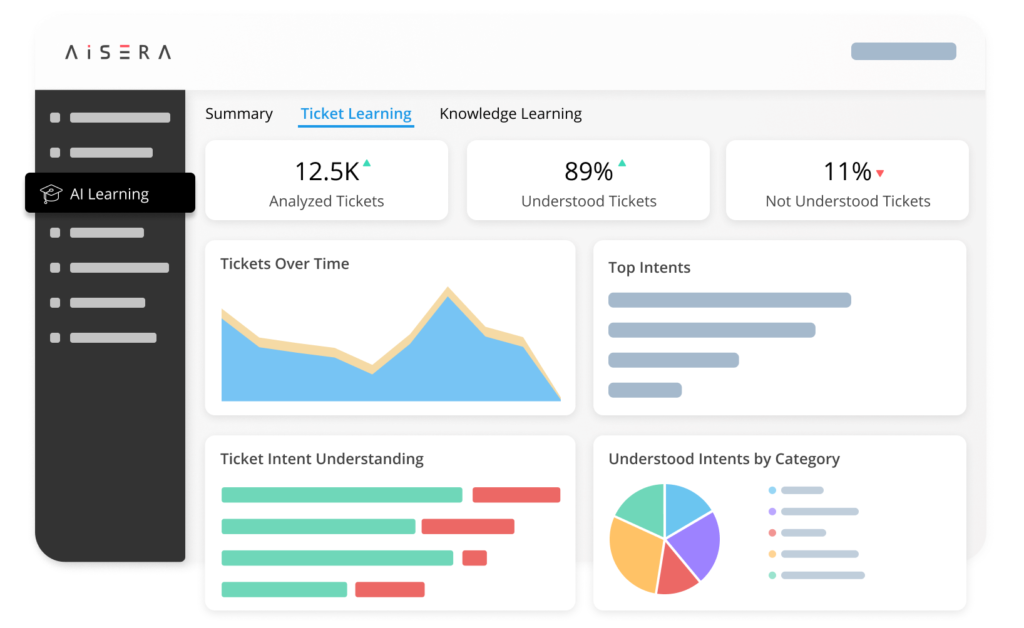
6. Aisera

Aisera bietet eine KI-Agentenplattform für Unternehmen, die Support-Workflows und operative Prozesse in Abteilungen wie IT, Personalwesen, Finanzen und Kundenservice automatisiert. Die Plattform ermöglicht es Organisationen, autonome KI-Agenten einzusetzen, die Anfragen bearbeiten, Informationen abrufen und Aktionen in den Unternehmenssystemen ausführen. Diese Agenten können Supportprobleme lösen, Serviceanfragen automatisieren und interne Prozesse vereinfachen.
Zu den wichtigsten Funktionen gehören:
- Einheitliche KI-Agentenplattform: Bietet eine zentrale Umgebung für die Entwicklung, den Einsatz und die Verwaltung von KI-Agenten über Unternehmensfunktionen hinweg.
- Vorgefertigte und anpassbare Agenten: Bietet eine Bibliothek sofort einsatzbereiter Agenten und ermöglicht es Organisationen gleichzeitig, über eine Agenten-Editor-Schnittstelle mithilfe natürlicher Sprache benutzerdefinierte Agenten zu erstellen.
- Autonome Aufgabenausführung: Ermöglicht es KI-Agenten, Supportanfragen zu bearbeiten, Service-Workflows zu automatisieren und operative Aufgaben ohne menschliches Eingreifen durchzuführen.
- Automatisierung von Unternehmensworkflows: Unterstützt die Automatisierung über verschiedene Geschäftsbereiche hinweg, darunter IT-Servicemanagement, HR-Prozesse, Beschaffung und Finanzen.
- Konversationelle KI-Funktionen: Nutzt dialogbasierte Schnittstellen, um Mitarbeitern oder Kunden die Interaktion mit Agenten über natürliche Sprache zu ermöglichen.

Source: Aisera
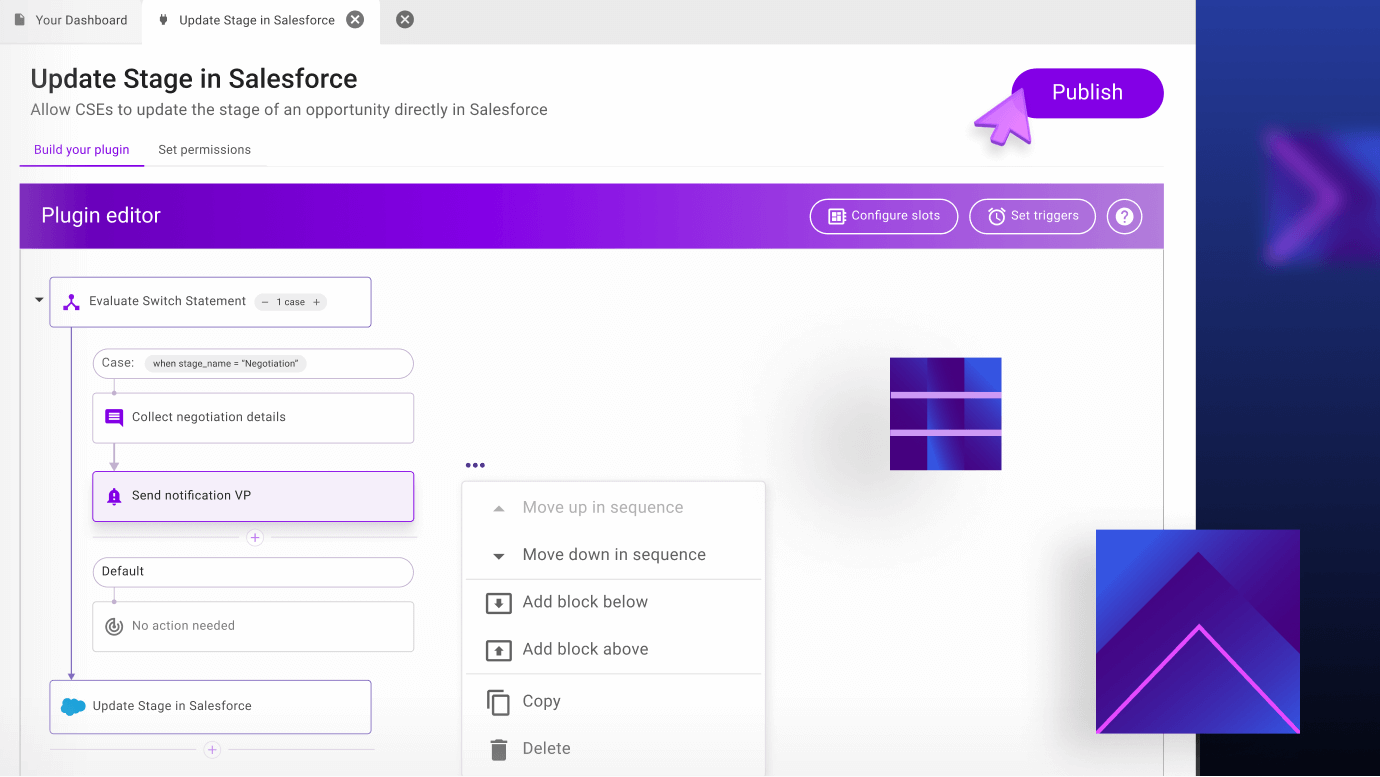
7. Moveworks

Moveworks ist eine KI-gestützte Assistenzplattform für Unternehmen, die Mitarbeitern den Zugriff auf Informationen und die Automatisierung von Aufgaben in verschiedenen Geschäftsanwendungen erleichtert. Sie ist mit Unternehmenssystemen wie HR, IT, Finanzen und Produktivitätstools verbunden und ermöglicht es Nutzern, Informationen zu suchen und Workflows per natürlicher Spracheingabe auszulösen. Die Plattform nutzt eine Logik-Engine, die Anfragen interpretiert, Aktionen plant und Aufgaben in den integrierten Anwendungen ausführt.
Zu den wichtigsten Funktionen gehören:
- Unternehmensweite Suche und Aktionen: Ermöglicht Mitarbeitern, Informationen abzurufen und Aufgaben über verbundene Unternehmenssysteme hinweg von einer einzigen Schnittstelle aus zu erledigen.
- Agentische Logik: Interpretiert Benutzeranfragen und plant und führt automatisch Arbeitsabläufe zur Erledigung von Aufgaben aus.
- Integration von Unternehmensanwendungen: Verbindet Geschäftssysteme abteilungsübergreifend, um Support- und Betriebsabläufe zu automatisieren.
- Entwicklung kundenspezifischer KI-Agenten: Ermöglicht es Unternehmen, KI-Agenten zu entwickeln und einzusetzen, die auf spezifische Arbeitsabläufe und Anwendungsfälle zugeschnitten sind.
- Omnichannel- und mehrsprachige Unterstützung: Unterstützt Interaktionen über Chat, Serviceportale, Browser und andere Arbeitsplatztools in mehreren Sprachen.

Source: Moveworks
8. Adept AI (Beam)

Adept entwickelt agentenbasierte KI-Technologie zur Automatisierung der Interaktion mit Software und digitalen Schnittstellen. Die Plattform ermöglicht es KI-Agenten, Nutzerabsichten zu interpretieren und in Aktionen auf Websites und Unternehmensanwendungen umzusetzen. Das System nutzt multimodale Modelle, Trainingsdaten aus der realen Softwarenutzung und eine Aktuierungsschicht, die es Agenten erlaubt, mit grafischen Oberflächen zu interagieren und komplexe Arbeitsabläufe über verschiedene digitale Tools hinweg auszuführen.
Zu den wichtigsten Merkmalen gehören:
- Kontinuierliche Modellverbesserung: Nutzt Feedback- und Datenerfassungsinstrumente, um Modelle zu verfeinern und die Genauigkeit der Automatisierung zu verbessern.
- Automatisierung der Softwareinteraktion: Ermöglicht es Agenten, Schnittstellenelemente wie Schaltflächen, Links und Formulare in verschiedenen Anwendungen zu finden und mit ihnen zu interagieren.
- Multimodale Denkmodelle: Verwendet Modelle, die in der Lage sind, Webseiten, Dokumente, Diagramme und andere digitale Schnittstellen zu verstehen.
- Ausführung von End-to-End-Workflows: Plant und führt komplexe Unternehmens-Workflows über mehrere Softwaresysteme hinweg aus.
- Benutzerdefinierte Aktivierungsschicht: Ermöglicht es Agenten, Aktionen über Websites und Unternehmens-Tools hinweg durch eine dedizierte Automatisierungsschicht auszuführen.

Source: Beam
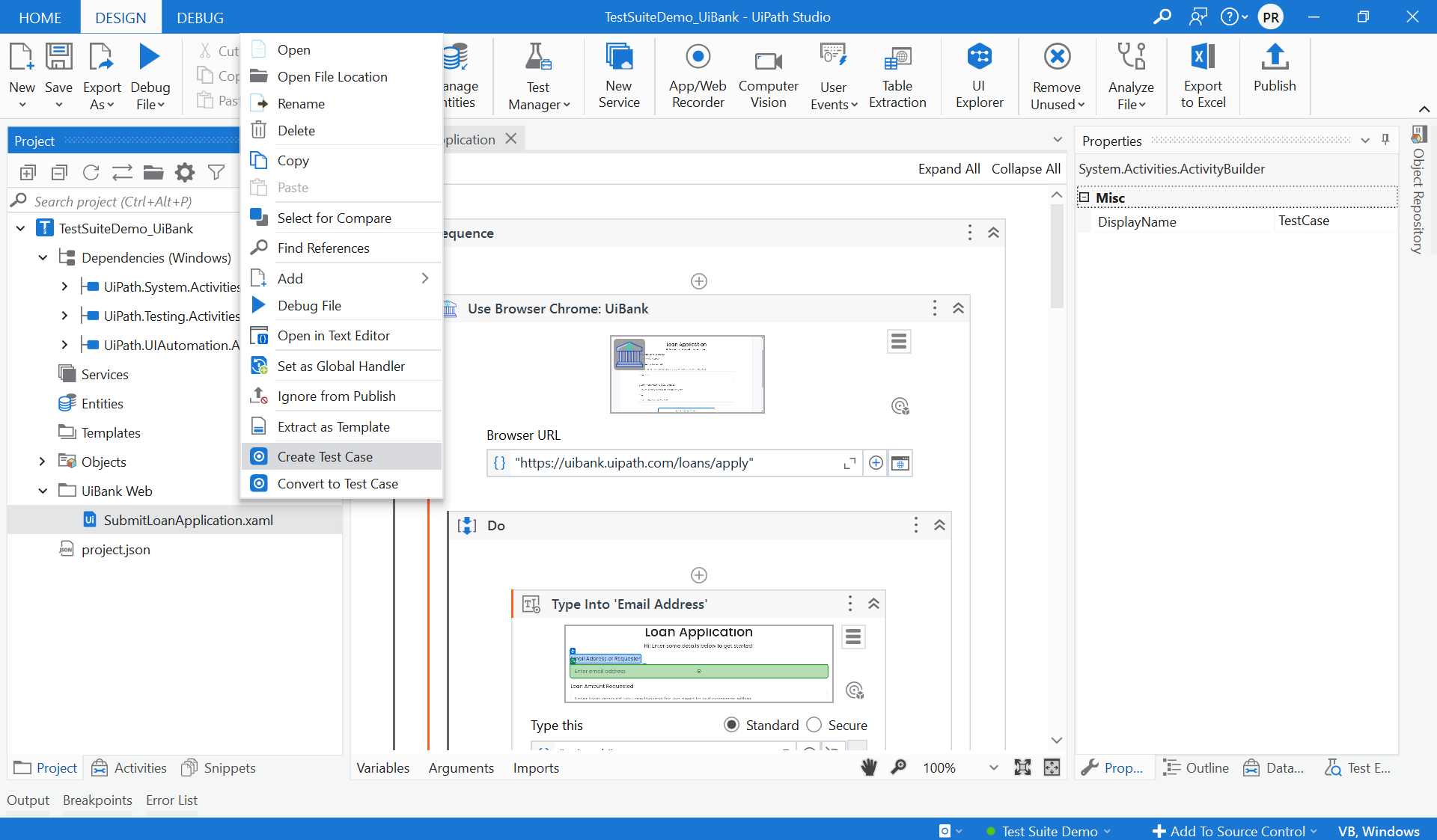
9. UiPath

UiPath ist eine Plattform für die Unternehmensautomatisierung, die KI-Agenten, Software-Roboter und menschliche Steuerung kombiniert, um komplexe Geschäftsprozesse zu orchestrieren. Die Plattform erweitert die traditionelle robotergestützte Prozessautomatisierung (RPA) durch die Integration von KI-Funktionen. Diese ermöglichen es Systemen, Aufgaben zu analysieren, sich an veränderte Bedingungen anzupassen und die Arbeit zwischen digitalen Mitarbeitern und Angestellten zu koordinieren. Dieser Ansatz unterstützt die großflächige Prozessautomatisierung branchenübergreifend.
Zu den wichtigsten Funktionen gehören:
- Agentische Automatisierungsplattform: Kombiniert KI-Agenten, robotergestützte Prozessautomatisierung und menschliche Arbeitsabläufe zu einem einheitlichen Automatisierungssystem.
- End-to-End-Prozessorchestrierung: Ermöglicht es Unternehmen, komplexe Arbeitsabläufe abteilungs- und anwendungsübergreifend zu automatisieren.
- Offene und interoperable Architektur: Unterstützt die Integration mit bestehenden Unternehmenssystemen und -tools.
- Governance- und Überwachungsmechanismen: Bietet rollenbasierte Zugriffs-, Überwachungs- und Compliance-Funktionen für die Unternehmensautomatisierung.
- Schnelles Prototyping und Deployment: Ermöglicht Teams die schnelle Erstellung, das Testen und die Bereitstellung von Automatisierungs-Workflows.

Source: UiPath
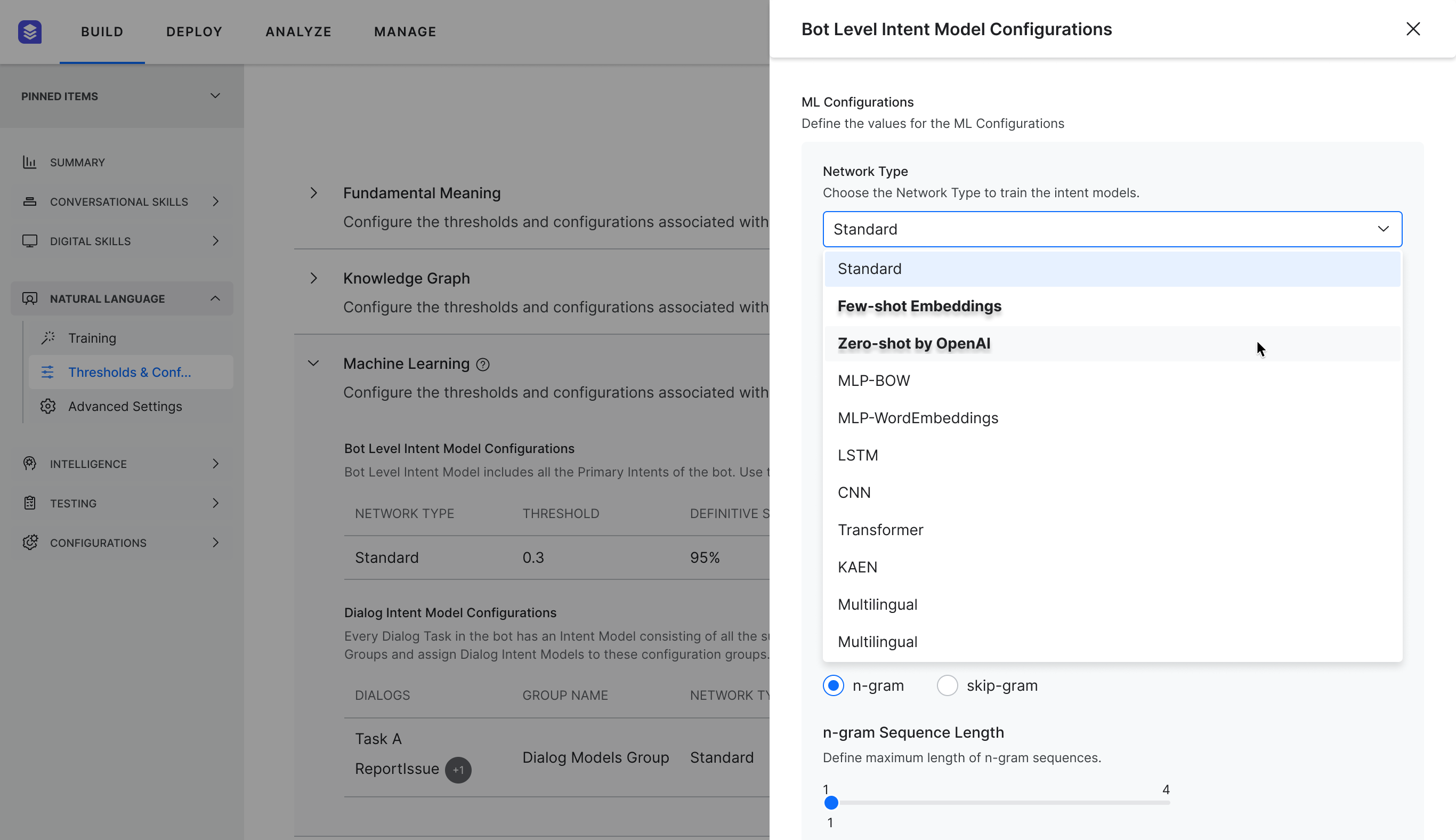
10. Kore.ai

Kore.ai bietet eine KI-Agentenplattform für Unternehmen, die die Dialogautomatisierung und intelligente Prozesssteuerung über verschiedene Geschäftsbereiche hinweg unterstützt. Die Plattform ermöglicht es Organisationen, KI-Agenten für Kundenservice, Mitarbeiterbetreuung und operative Arbeitsabläufe einzusetzen. Sie unterstützt sowohl vorgefertigte Anwendungen als auch individuell anpassbare Agenten, die sich in Unternehmenssysteme integrieren und prozessübergreifend zusammenarbeiten lassen.
Zu den wichtigsten Funktionen gehören:
- Multiagenten-Orchestrierung: Koordiniert mehrere KI-Agenten über Arbeitsabläufe und Unternehmensprozesse hinweg.
- Vorgefertigte KI-Anwendungen: Bietet sofort einsatzbereite Anwendungen für Branchen und Abteilungen wie Bankwesen, Gesundheitswesen, Personalwesen und IT.
- KI-Agenten-Builder: Ermöglicht es Unternehmen, mithilfe von No-Code- oder Pro-Code-Entwicklungstools benutzerdefinierte Agenten zu entwerfen und einzusetzen.
- Unternehmenssuche und Daten-KI: Unterstützt kontextbezogene Antworten durch die Verbindung von Agenten mit unternehmensweiten Wissens- und Datensystemen.
- Sicherheits- und Governance-Funktionen: Bietet Kontrollmöglichkeiten für die Verwaltung des Agenteneinsatzes, die Datensicherheit und die operative Governance.

Source: Kore.ai
Abschluss
Agentische KI-Tools repräsentieren einen Wandel von statischer Automatisierung hin zu adaptiven, zielorientierten Systemen, die mit einem hohen Maß an Unabhängigkeit agieren können. Durch die Kombination von Argumentation, Planung und kontinuierlichem Lernen sind sie in der Lage, komplexe, mehrstufige Arbeitsabläufe in dynamischen Umgebungen zu verwalten. Ihre Fähigkeit, Ziele zu setzen, Strategien anzupassen und sowohl mit Menschen als auch mit Software zusammenzuarbeiten, macht sie besonders wertvoll für Unternehmen, die eine skalierbare Automatisierung anstreben, die mit den sich ändernden Geschäftsanforderungen Schritt halten kann.
Mehr über Exabeam erfahren
Vertiefen Sie Ihr Wissen mit Webinaren, Leitfäden und Analystenberichten.