فهرس المحتويات
ما هم مقدمو خدمات SIEM؟
مقدمو خدمات SIEM هم شركات أو منصات تقدم حلول إدارة معلومات وأحداث الأمان (SIEM). تقوم هذه الحلول بتجميع وتحليل وإدارة بيانات الأمان من مصادر متباينة داخل المنظمة. تمكّن منصات SIEM فرق الأمان من الحصول على رؤية مركزية، مما يسمح لهم بالكشف عن التهديدات والتحقيق فيها والاستجابة لها.
من خلال دمج السجلات والتنبيهات والمعلومات السياقية، تعمل حلول SIEM كمركز عصبي لعمليات الأمان. هذا النهج المركزي ضروري للمنظمات التي تسعى للحفاظ على المراقبة المستمرة والامتثال لمعايير مثل PCI DSS وHIPAA أو GDPR.
يختلف مزودو خدمات SIEM من حيث مجموعة التكنولوجيا التي يستخدمونها، ونهجهم في النشر، والميزات التي يقدمونها. يركز البعض على الكشف والاستجابة القابلة للتخصيص، مع دمج التحليلات والتعلم الآلي. بينما يبرز آخرون التكامل مع أدوات الطرف الثالث أو يقدمون خدمات مُدارة لتقليل متطلبات الموارد الداخلية.
يتطلب اختيار مزود SIEM المناسب تقييم القابلية للتوسع، ونموذج النشر، وقدرات الامتثال، والتحديات الأمنية المحددة التي تواجهها المنظمة.
هذا جزء من سلسلة من المقالات حول أدوات SIEM
Editor’s note: Updated the article to cover recent market trends, updated product information to reflect features and capabilities in 2026, and added 2 new tools.
The SIEM Market and Trends
حجم السوق وتوقعات النمو
The SIEM market is expanding steadily. It is valued at USD 10.67 billion and is projected to reach USD 20.78 billion by 2031, growing at a CAGR of 11.5%. This growth reflects increasing demand for centralized security monitoring as organizations handle more data and face stricter regulations.
العوامل الرئيسية للنمو
Several forces are pushing adoption forward. Organizations are generating massive volumes of security telemetry, often exceeding terabytes of log data per day. At the same time, regulations such as NIS2 in Europe and SEC disclosure rules in the United States require faster detection and reporting of incidents.
Cloud adoption is another major factor. As workloads move across public and hybrid environments, SIEM platforms must ingest and correlate data from multiple sources. In parallel, AI and machine learning are improving detection accuracy by reducing false positives and helping analysts focus on real threats.
Rising Demand for Managed Services
A shortage of skilled cybersecurity professionals is driving demand for managed SIEM services. With an estimated global gap of millions of security workers, many organizations rely on external providers to monitor and respond to threats.
Managed services are growing at over 12% CAGR, as they help reduce operational burden and provide access to expertise that may not exist in-house. This trend is especially strong among mid-sized organizations with limited security teams.
أنواع مقدمي خدمات SIEM
نظام إدارة معلومات الأمان التقليدي في الموقع
تُعتبر حلول SIEM التقليدية التي تُنشر في الموقع جزءًا من بنية تحتية خاصة بالمنظمة، تُدار مباشرةً من قبل فرق تكنولوجيا المعلومات والأمن الداخلي. يوفر هذا النموذج للمنظمات السيطرة على بيانات SIEM الخاصة بها، وتخصيص الهيكل، والتكامل مع الأنظمة القديمة.
تُفضل مثل هذه الإعدادات غالبًا من قبل القطاعات التي لديها متطلبات تنظيمية صارمة أو احتياجات لسيادة البيانات. نظرًا لأن جميع البيانات تبقى على الخوادم الداخلية، يمكن للمنظمات فرض سياساتها الأمنية وخصوصيتها دون الاعتماد على بنية تحتية خارجية.
ومع ذلك، تتطلب أنظمة SIEM التي تُركب في الموقع استثمارًا كبيرًا في الأجهزة والبرمجيات والموظفين المهرة للصيانة والتعديل المستمر. يمكن أن تكون عملية التنفيذ معقدة، خاصة مع زيادة حجم البيانات ودمج مصادر جديدة. يتطلب التوسع بنية تحتية إضافية، وقد تكون التحديثات أو الترقيات مرهقة.
نظام إدارة معلومات الأمان السحابي (SaaS)
يقدم مزودو خدمات إدارة معلومات الأمن والأحداث (SIEM) السحابية خدماتهم عبر نموذج البرمجيات كخدمة (SaaS)، المُستضاف والمُدار في السحابة. تُلغي هذه البنية الحاجة إلى بنية تحتية محلية مُخصصة، مما يُمكّن المؤسسات من نشر قدرات مراقبة الأمن وتوسيع نطاقها بسرعة.
يمكن لأنظمة إدارة معلومات الأمان السحابية (Cloud SIEMs) تجميع البيانات من بيئات موزعة، بما في ذلك أحمال العمل السحابية، والمكاتب البعيدة، ونقاط النهاية المتنقلة. يتم التعامل مع التحديثات، والتصحيحات، وتعزيزات الميزات من قبل المزود، مما يقلل العبء على الفرق الداخلية.
بينما توفر أنظمة إدارة معلومات الأمان المعتمدة على السحابة سهولة في الإدارة وقابلية للتوسع، فإنها تثير أيضًا اعتبارات حول مكان إقامة البيانات والامتثال. يجب على المنظمات تقييم ما إذا كانت مناطق استضافة مزود SIEM وشهاداته تلبي المتطلبات التنظيمية. بالإضافة إلى ذلك، قد تكون بعض المنظمات قلقة بشأن إسناد بيانات السجلات الحساسة لمزودي خدمات خارجيين.
تعرف على المزيد في دليلنا التفصيلي حولSIEM كخدمة
خدمات SIEM المدارة
تقوم مقدمو خدمات SIEM المدارة بتوسيع منصات SIEM التقليدية والسحابية من خلال تقديم إدارة ومراقبة واستجابة احترافية كخدمة مستأجرة. هؤلاء المزودون يقدمون كل من تكنولوجيا SIEM وفريق من المحللين الأمنيين الذين يراقبون السجلات، ويقومون بفرز التنبيهات، وتصعيد التهديدات المؤكدة إلى العميل.
هذا النهج ذو قيمة للمنظمات التي تفتقر إلى موارد أو خبرة أمنية داخلية، حيث يقلل من التكاليف المرتبطة بتوظيف وتدريب موظفين متخصصين. تقدم خدمات SIEM المدارة مراقبة مستمرة، واستجابة سريعة للحوادث، وتعديل دوري لقواعد الكشف لتتناسب مع التهديدات المتطورة. كما أنها تساعد في توليد التقارير للتدقيق والامتثال.
ومع ذلك، يعتمد النجاح على التواصل الفعال وعقد محدد جيدًا يوضح المسؤوليات على كلا الجانبين. قد تكون لدى بعض المنظمات أيضًا مخاوف بشأن مشاركة البيانات الحساسة مع أطراف ثالثة، مما يستلزم وجود حوكمة قوية واتفاقيات لحماية البيانات.
نصائح من الخبير

ستيف مور هو نائب الرئيس ورئيس استراتيجيات الأمن في إكزبيم، يساعد في تقديم الحلول لاكتشاف التهديدات وتقديم المشورة للعملاء بشأن برامج الأمن والاستجابة للاختراقات. وهو مضيف بودكاست "The New CISO Podcast"، و عضو في Forbes Tech Council، ومؤسس مشارك لـ TEN18 at Exabeam.
من خلال تجربتي، إليك بعض النصائح التي يمكن أن تساعدك في تقييم والتفاعل بشكل أفضل مع مقدمي خدمات SIEM:
إجراء تقييمات فريق الهجوم الأحمر مقابل أنظمة إدارة معلومات الأمان: محاكاة هجمات مستهدفة (تمارين فريق الهجوم الأحمر) ضد بيئتك لتقييم كيفية اكتشاف كل مزود SIEM لها والإبلاغ عنها. هذا يوفر معيارًا أكثر واقعية من المقارنات القياسية للميزات.
طلب دعم نضج صيد التهديدات: تجاوز القدرات الأساسية للبحث؛ اسأل كيف يدعم كل SIEM صيد التهديدات المدفوعة بالفرضيات، بما في ذلك قدرات التحويل، والتصفية المتقدمة، وإثراء سياق التهديد.
اطلب الدعم الأصلي ربط/مطابقة مع إطار MITRE ATT&CK: تأكد من أن مزود SIEM يمكنه تعيين الاكتشافات والتنبيهات مباشرة إلى ATT&CK TTPs ويسمح لك بتصور فجوات التغطية عبر سلسلة القتل الخاصة بك.
تحقق من كيفية تعاملهم مع الاحتفاظ طويل الأمد وتصنيف البيانات الساخنة والباردة: العديد من أنظمة SIEM تدعي تخزينًا فعالًا من حيث التكلفة، لكن القليل منها يسمح بالاسترجاع السريع والتحليل من التخزين البارد. اطلب معايير زمن الاستجابة وخيارات إعادة ترطيب البيانات.
تقييم دقة سياق التنبيهات: ليست جميع التنبيهات المرتبطة متساوية. قم بتقييم مدى جودة تقديم نظام إدارة المعلومات الأمنية (SIEM) للتفاصيل السياقية (مثل الهوية، تاريخ السلوك، أهمية الأصول) لتقليل متوسط الوقت حتى الحل (MTTR).
أدوات SIEM البارزة
Cloud-Native SIEM Platforms
1. إكزابييم

Exabeam هي مزود خدمات SIEM تركز على الكشف المدفوع بالتحليلات وعمليات الأمان المدعومة بالذكاء الاصطناعي. منصتها New-Scale SIEM تجمع بين إدارة السجلات، والتحليلات السلوكية المتقدمة، والتحقيق الآلي لمساعدة فرق SOC على تحسين الكفاءة وتقليل متوسط وقت الاستجابة.
نماذج النشر:
يتم تقديم Exabeam بشكل أساسي كمنصة SaaS سحابية، مع خيارات للدعم الهجين لتلبية المتطلبات التنظيمية والتشغيلية.
تشمل الميزات الرئيسية ما يلي:
- نموذج استهلاك بيانات غير محدود: الترخيص غير مرتبط بحجم البيانات، مما يسمح للمنظمات بتوسيع جمع السجلات دون تكاليف غير متوقعة.
- تحليل سلوك المستخدمين والكيانات (UEBA): يطبق نماذج سلوكية لاكتشاف الشذوذ، وسوء استخدام الامتيازات، والتهديدات الداخلية مع تقييم المخاطر السياقية.
- الذكاء الاصطناعي الوكالي (Exabeam Nova): مجموعة من الوكلاء الذكيين المتخصصين الذين يقومون بأتمتة الربط، والتعزيز، والتحقيق، مما يساعد المحللين في تسريع تصنيف التهديدات.
- مركز تهديدات وأداة نتائج: سطح عمل موحد لتتبع التنبيهات والتحقيقات وفعالية البرامج، مع مقارنة مع المنظمات النظيرة.
- الكشف الآلي والاستجابة: الترابط، وتحديد الأولويات بناءً على المخاطر، وخطط العمل لتقليل التعب الناتج عن التنبيهات ودعم اتخاذ القرارات بشكل أسرع.
2. مايكروسوفت سنتينل

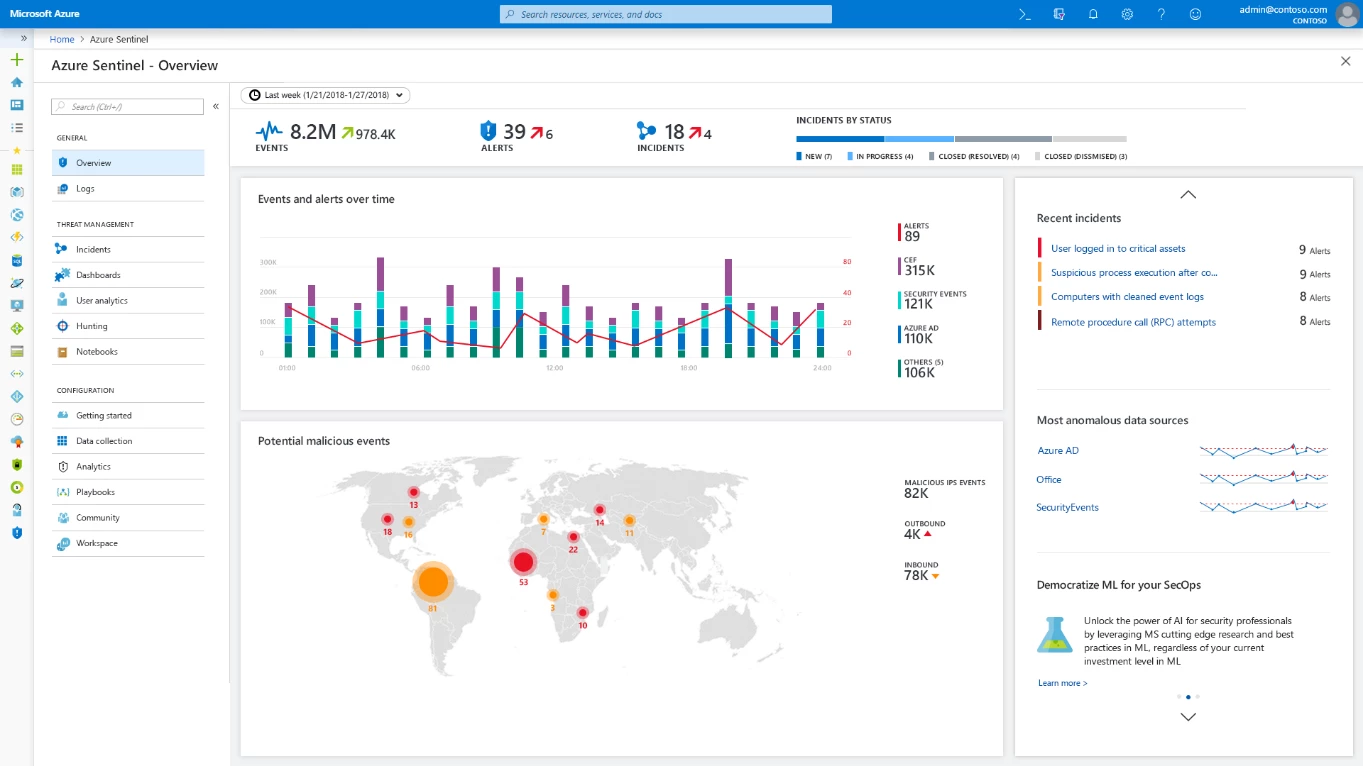
Microsoft Sentinel is a cloud-native SIEM platform that centralizes security data and combines analytics, automation, and AI to support detection and response. It can ingest telemetry from multiple environments and correlate signals using built-in analytics, threat intelligence, and machine learning. The platform also integrates SIEM with SOAR, enabling automated workflows and investigation support within a unified system.
نماذج النشر:
Delivered as a cloud-native SaaS solution running on Microsoft Azure. Supports multicloud and hybrid environments through native connectors and integrations.
تشمل الميزات الرئيسية:
- Centralized data lake: Aggregates and stores large volumes of security data for analytics and threat detection.
- Built-in SIEM and SOAR: Combines detection, investigation, and automated response in a single platform.
- Graph-powered context: Uses a security graph to enrich alerts with relationships and context across entities.
- Native XDR integration: Integrates with extended detection and response tools for unified visibility and control.
- Extensive data connectors: Supports ingestion from hundreds of sources across cloud, on-prem, and third-party tools.
- AI-assisted investigation: Uses generative AI to summarize incidents, generate queries, and recommend response actions.
- Integrated threat intelligence: Enriches detections with external threat data and standardized formats like STIX/TAXII.

Source: Microsoft
3. Elastic Security

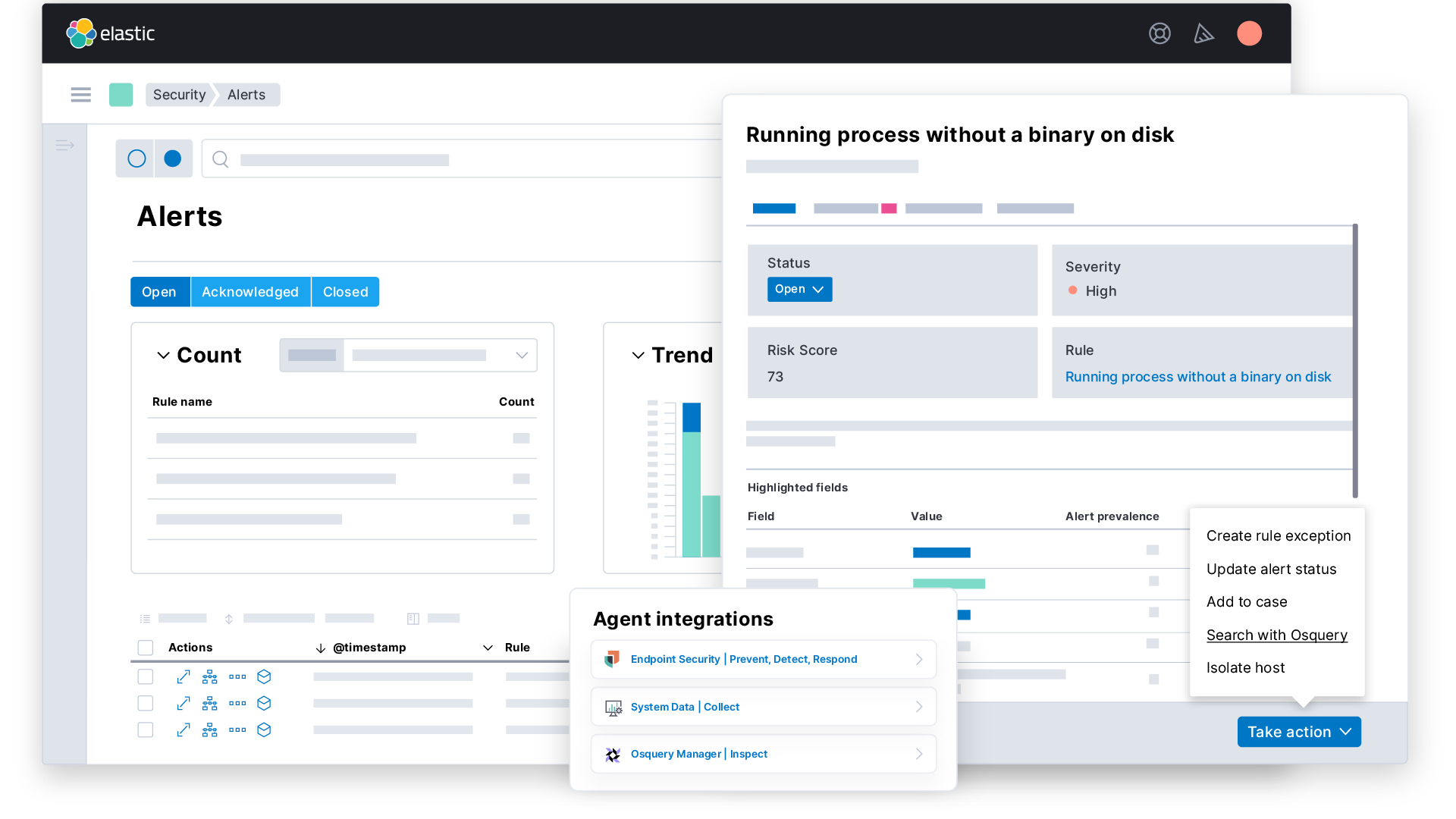
Elastic Security is an open and extensible SIEM platform that combines analytics, search, and AI to detect and respond to threats across distributed environments. It is built on Elasticsearch and can handle large-scale data ingestion and analysis without requiring data movement or duplication. The platform integrates SIEM, XDR, and automation into a single system.
نماذج النشر:
Can be deployed in cloud, on-premises, or hybrid environments. Supports major cloud providers and self-managed infrastructure.
تشمل الميزات الرئيسية:
- Unified SIEM and XDR: Combines endpoint, cloud, and SIEM capabilities in a single platform.
- Open architecture: Allows ingestion of any data source and integration with existing tools and pipelines.
- AI and machine learning: Supports detection, triage, and investigation with contextual and explainable AI.
- Open detection rules: Provides transparent, customizable rules maintained by an active community.
- Federated search: Enables querying across distributed data sources without centralizing all data.
- Built-in automation: Includes native workflows and playbooks without requiring separate SOAR tools.
- Scalable analytics: Processes large volumes of structured and unstructured data in real time.
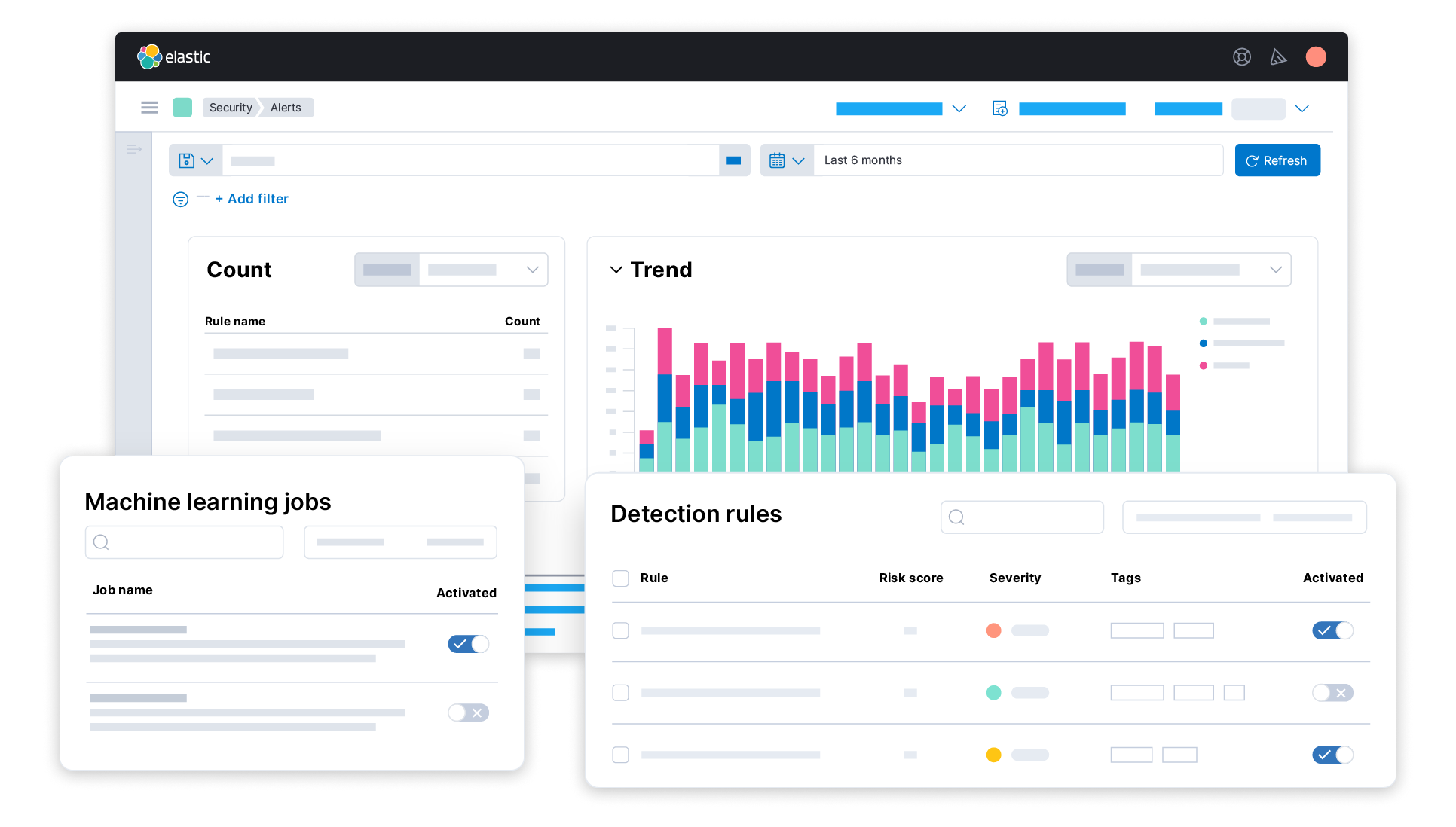
Source: Elastic
4. Google Chronicle

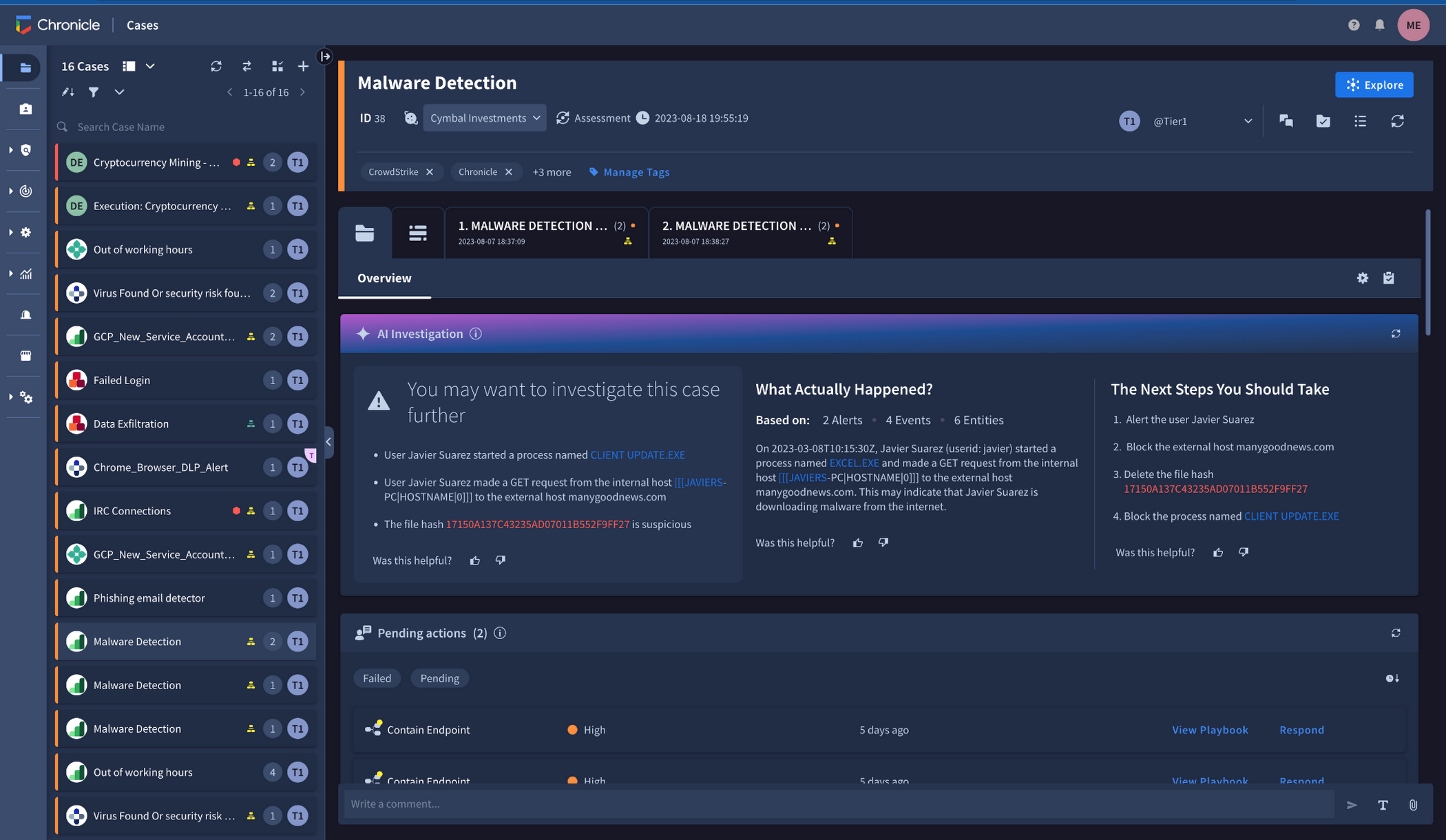
Google Chronicle (part of Google Security Operations) is a cloud-native SIEM platform focused on large-scale data analysis and intelligence-driven detection. It leverages Google infrastructure to ingest, store, and analyze security telemetry at high speed while integrating threat intelligence and AI into investigation and response workflows.
نماذج النشر:
Delivered as a cloud-native platform on Google Cloud. Supports ingestion from multicloud and on-premises environments.
تشمل الميزات الرئيسية:
- High-scale data ingestion: Processes large volumes of telemetry with fast search and analysis capabilities.
- Curated detections: Provides built-in detection rules maintained by security researchers.
- Custom detection language: Enables rule creation using YARA-L for flexible detection engineering.
- Integrated threat intelligence: Enriches detections with Google and third-party threat data.
- AI-assisted investigation: Uses generative AI for natural language queries, summaries, and response guidance.
- Unified SIEM and SOAR: Combines detection, investigation, and automated response in one platform.
- Case management and context graphing: Links entities and events to provide a structured investigation workflow.
Source: ManageEngine
Hybrid / On-Premise SIEM Platforms
5. مانج إنجين لوج 360

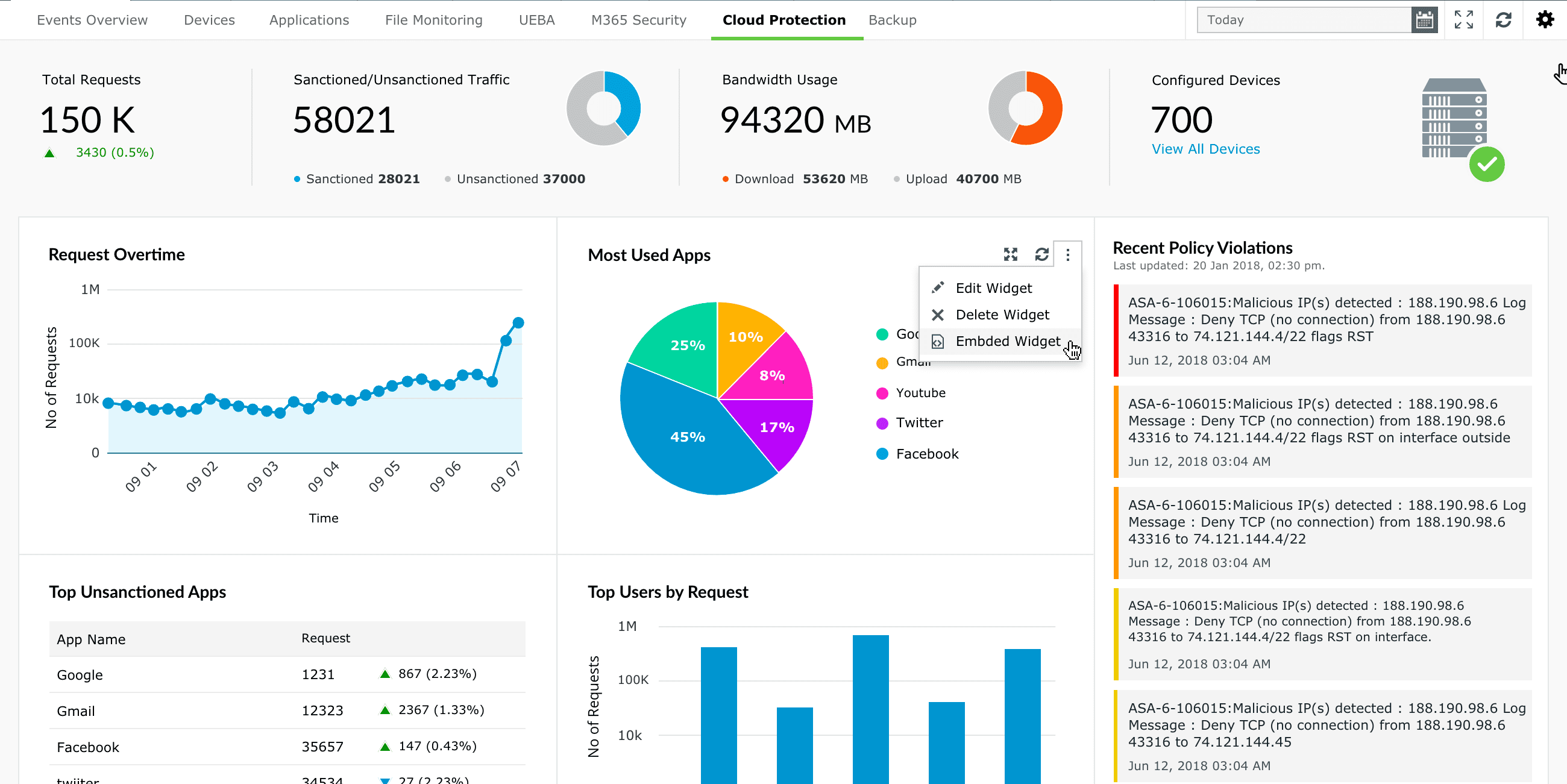
ManageEngine Log360 is a SIEM platform focused on threat detection, log management, and compliance, with strong emphasis on threat intelligence integration. It aggregates logs from multiple sources and enriches alerts with external intelligence to improve detection accuracy and prioritization.
نماذج النشر:
Primarily deployed on-premises with support for hybrid environments. Integrates with cloud services and external threat intelligence feeds.
تشمل الميزات الرئيسية:
- Threat intelligence integration: Ingests and normalizes multiple threat feeds for enriched detection.
- Alert enrichment: Adds context such as IP reputation, geolocation, and known indicators of compromise.
- Event correlation: Matches internal activity with external threat data to detect attack patterns.
- Risk-based prioritization: Scores and categorizes alerts to focus on high-risk incidents.
- MITRE ATT&CK mapping: Maps detections to known tactics and techniques for better analysis.
- Dark web monitoring: Identifies exposed credentials and data leaks with the organization.
- Automated response workflows: Triggers actions like blocking IPs or disabling accounts based on detections.

Source: ManageEngine
6. Splunk Enterprise Security

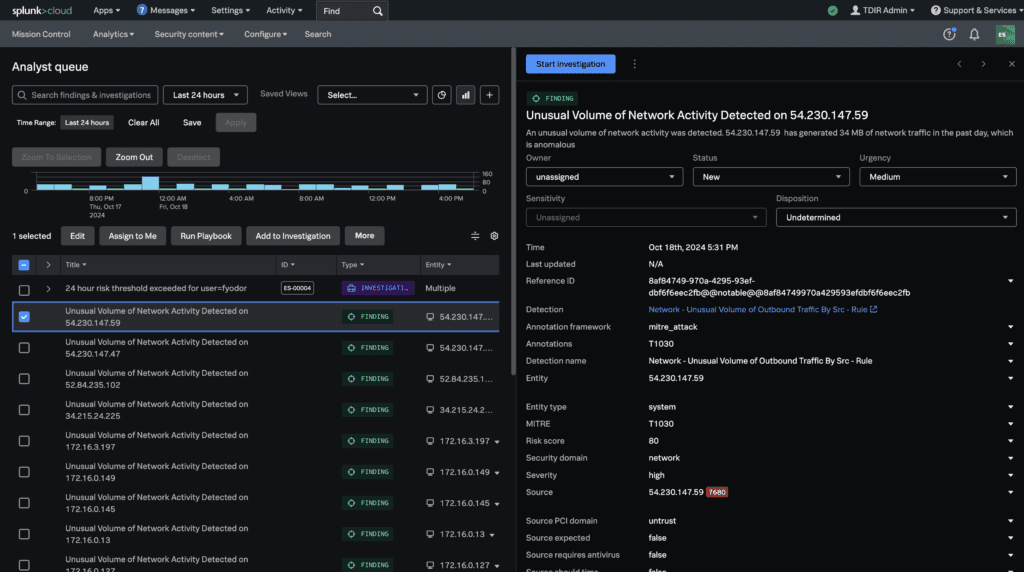
Splunk Enterprise Security is a SIEM platform that provides centralized visibility, analytics, and automation for security operations. It integrates detection, investigation, and response workflows while using machine learning and behavioral analytics to identify threats across diverse data sources.
نماذج النشر:
Available as on-premises, cloud-hosted, or hybrid deployment. Supports distributed data ingestion across cloud and on-prem environments.
تشمل الميزات الرئيسية:
- Unified TDIR platform: Combines threat detection, investigation, and response in one system.
- Full-spectrum visibility: Collects and analyzes data across endpoints, networks, and cloud environments.
- User and entity behavior analytics: Detects anomalies and insider threats using machine learning.
- Risk-based alerting: Prioritizes alerts based on risk to reduce noise and improve accuracy.
- Integrated SOAR: Automates workflows and standardizes incident response processes.
- AI-driven workflows: Supports natural language queries, summaries, and guided investigations.
- Detection lifecycle management: Provides tools to create, test, and monitor detection rules.
Source: Splunk
7. IBM QRadar

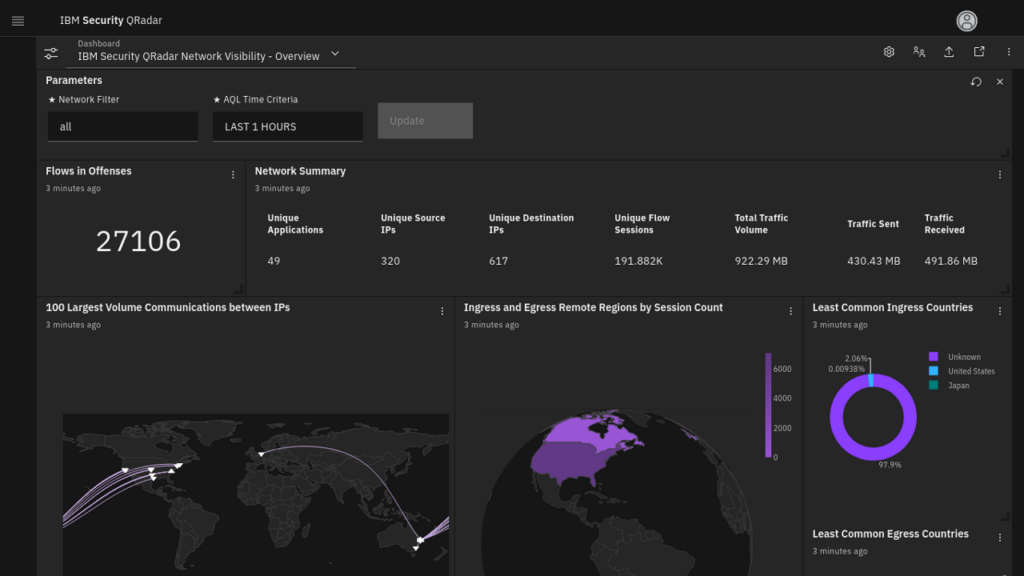
IBM QRadar is a SIEM platform that focuses on centralized visibility, real-time threat detection, and compliance management. It correlates data from across the IT environment to identify suspicious activity and supports analysts with tools for investigation and response.
Deployment models:
Available as on-premises software, cloud-hosted, or hybrid deployment. Integrates with a range of security tools and data sources.
تشمل الميزات الرئيسية:
- Centralized log and event management: Aggregates and correlates data from multiple sources.
- Real-time threat detection: Identifies threats using analytics across the full attack chain.
- User behavior analytics: Detects anomalous user activity and insider threats.
- Threat hunting capabilities: Enables near real-time analysis of large datasets.
- Built-in integrations: Connects with numerous security tools for unified visibility.
- Compliance support: Provides reporting and auditing capabilities for regulatory requirements.
- Operational efficiency: Reduces manual tasks in investigation and prioritization.
Source: IBM
استنتاج
اختيار مزود خدمة SIEM يتطلب موازنة القدرات التقنية ونماذج النشر واحتياجات المنظمة. يجب أن توفر منصة SIEM المناسبة اكتشاف التهديدات في الوقت الحقيقي، ودعم التحقيقات الفعالة، والتكامل مع البنية التحتية الأمنية الحالية. يجب على المنظمات تقييم مزودي SIEM بناءً على الأداء، وقابلية التوسع، والتكلفة، والقدرة على التكيف مع التهديدات المتطورة ومتطلبات الامتثال.
تعلم المزيد عن إكزابييم
تعرف على منصة Exabeam ووسع معرفتك في أمن المعلومات من خلال مجموعتنا من الأوراق البيضاء، البودكاست، الندوات، والمزيد.