- الرئيسية >
- مفسرون >
- أدوات SIEM
أفضل أنظمة SIEM لمراقبة الامتثال: أفضل 5 في عام 2026
- 8 minutes to read
فهرس المحتويات
ما هو SIEM؟
SIEM (إدارة معلومات الأمان والأحداث) لمراقبة الامتثال يركز بيانات السجلات، ويكتشف الشذوذات الأمنية، ويقوم بأتمتة التقارير لمساعدة المؤسسات على الالتزام باللوائح مثل HIPAA وPCI DSS وGDPR وSOX من خلال توفير مسارات تدقيق، واكتشاف التهديدات في الوقت الحقيقي، وإشراف مستمر على ضوابط الأمان، مما يثبت الالتزام من خلال سجلات وتنبيهات مفصلة.
كيف يدعم نظام إدارة معلومات الأمان (SIEM) الامتثال:
- إدارة السجلات المركزية: تجمع السجلات من الشبكات والخوادم والتطبيقات وخدمات السحابة في مكان واحد، مع تلبية متطلبات الاحتفاظ بالبيانات & المراقبة (على سبيل المثال، متطلبات PCI DSS رقم 10).
- تجميع البيانات وتوحيدها: يقوم بتوحيد السجلات من مصادر مختلفة، مما يسهل تحليل الأنماط والشذوذ.
- المراقبة والتنبيه في الوقت الحقيقي: يكتشف الأنشطة المشبوهة مثل الوصول غير المصرح به أو تسريب البيانات على الفور، مما يؤدي إلى إطلاق تنبيهات لاتخاذ إجراءات فورية.
- الارتباط الآلي: يربط بين أحداث تبدو غير مرتبطة (مثل، محاولات تسجيل الدخول الفاشلة + محاولات الوصول إلى البيانات) لكشف التهديدات المعقدة.
- تقارير الامتثال: تولد تقارير جاهزة للتدقيق لمعايير محددة (HIPAA، PCI، SOX، GDPR) لإثبات أن الضوابط موجودة وتعمل.
- مراقبة نشاط المستخدم: تتبع إجراءات المستخدم، وزيادة الامتيازات، والوصول إلى البيانات الحساسة.
هذا جزء من سلسلة مقالات حول أدوات SIEM
كيف يدعم نظام إدارة معلومات الأمان (SIEM) الامتثال
إدارة السجلات المركزية
تقوم منصات SIEM بتجميع السجلات من مصادر متباينة، بما في ذلك الخوادم وأجهزة الشبكة وقواعد البيانات والتطبيقات، في مستودع واحد. تضمن هذه المركزية الاتساق في الاحتفاظ بالبيانات وحمايتها، وهما متطلبان حاسمان وفقًا لمعايير مثل PCI DSS وHIPAA وGDPR.
من خلال تخزين جميع السجلات بشكل آمن وجعلها سهلة الوصول، يمكن للمنظمات معالجة طلبات التدقيق والتحقيقات الجنائية بكفاءة. بالإضافة إلى ذلك، فإن إدارة السجلات المركزية تبسط إمكانية البحث والتحليل. يمكن لفرق الامتثال استرجاع الأحداث ذات الصلة بسرعة دون الحاجة للوصول يدويًا إلى كل جهاز، مما يقلل من أوقات الاستجابة لكل من الفحوصات الروتينية للامتثال والتحقيقات.
تجميع البيانات والتطبيع
تقوم أنظمة إدارة معلومات الأمان (SIEMs) بتجميع وتوحيد البيانات من مصادر متنوعة لإنشاء تنسيق موحد ومتسق للأحداث. تنتج الأجهزة والتطبيقات سجلات بتراكيب وأنواع رسائل مختلفة، مما يجعل من الصعب تحليل الأحداث بشكل متماسك. تقوم أنظمة SIEM بمعالجة البيانات الواردة، وتحويل التنسيقات المتباينة إلى سجلات موحدة، مما يسمح لقواعد الترابط والتحليلات بالعمل بفعالية عبر البنية التحتية الكاملة للمؤسسة.
عندما يتم تطبيع البيانات، تصبح مراقبة الامتثال أقل عرضة للأخطاء وأكثر موثوقية. يمكن للمحللين والمدققين مراجعة الأنشطة بغض النظر عن المنصة الأصلية، مما يضمن عدم تفويت أي شيء بسبب تنسيقات السجلات غير المتسقة. نظرًا لأن العديد من اللوائح تتطلب تتبعًا مفصلاً للوصول والنشاط، فإن البيانات المطبوعة تدعم أيضًا تقارير الامتثال الكاملة والدقيقة.
المراقبة والتنبيه في الوقت الحقيقي
تقوم أدوات SIEM بمسح بيانات السجلات الواردة باستمرار بحثًا عن أنماط أو أنشطة تنتهك السياسات الأمنية أو الامتثال. عند اكتشاف مثل هذه الأحداث، يقوم النظام بإنشاء تنبيهات للفرق الأمنية للتحقيق فيها. تساعد هذه المراقبة الاستباقية المنظمات على تحديد والاستجابة للسلوكيات المشبوهة، والوصول غير المصرح به، أو تغييرات التكوين قبل أن تتصاعد إلى خروقات بيانات أو انتهاكات للامتثال.
يمكن ضبط آلية التنبيه في أنظمة إدارة معلومات الأمان (SIEM) بدقة لتتوافق مع متطلبات تنظيمية محددة، مثل اكتشاف محاولات تسجيل الدخول الفاشلة، تصعيد الامتيازات غير المصرح بها، أو تسريب البيانات الحساسة. وهذا يمكّن المؤسسات من إثبات للمراجعين أن لديها ضوابط للكشف والاستجابة بسرعة للحوادث المتعلقة بالامتثال.
ترابط مؤتمت
تستخدم منصات SIEM محركات ربط آلية لربط الأحداث الأمنية ذات الصلة عبر مصادر متعددة وأطر زمنية مختلفة. تحدد هذه الوظيفة أنماط الهجوم المعقدة أو الانتهاكات التي قد تكون غير قابلة للاكتشاف إذا تم تحليل السجلات بشكل منفصل. من خلال ربط الأحداث، يمكن لأنظمة SIEM كشف الحوادث مثل إساءة استخدام الامتيازات، والحركة الجانبية، أو تسريب البيانات، والتي غالبًا ما تخضع لتدقيق تنظيمي.
تضمن هذه الأتمتة الكشف عن الانتهاكات المحتملة، مثل الوصول غير المصرح به إلى البيانات أو التغييرات المشبوهة في الأنظمة الحيوية، بشكل سريع، مما يساعد المنظمات على تلبية متطلبات توقيت الاستجابة للحوادث التي تحددها اللوائح. كما أنها تمكن من إجراء تحقيقات أكثر شمولاً، مما يدعم تحليل الأسباب الجذرية وتوثيق الاستجابة.
تقارير الامتثال
تسهل أدوات SIEM إعداد تقارير الامتثال من خلال توفير قوالب جاهزة للاستخدام ولوحات معلومات قابلة للتخصيص لمختلف الأطر، مثل SOX وHIPAA وPCI DSS وGDPR. تستخرج ميزات التقرير هذه الأحداث والقياسات ذات الصلة مباشرة من بيانات السجلات، مما يقلل من الجهد اليدوي المطلوب لإعداد وثائق التدقيق.
تسمح تقارير الامتثال الجاهزة للمنظمات بالاستجابة بسرعة لطلبات المدققين مع تقديم أدلة على الضوابط وسجلات الأحداث. إن القدرة على إنشاء تقارير مفصلة وموحدة أمر حيوي لإثبات الامتثال وتتبع فعالية الضوابط الأمنية على مر الزمن. تقوم منصات SIEM بأتمتة إنتاج وجدولة هذه التقارير.
مراقبة نشاط المستخدم
مراقبة نشاط المستخدمين أمر ضروري للامتثال لمعايير أمان البيانات والخصوصية. تقوم منصات SIEM بتتبع إجراءات المستخدمين عبر التطبيقات والشبكات والأنظمة، وتسجيل الأحداث مثل تسجيل الدخول، والوصول إلى الملفات الحساسة، وتنفيذ الأوامر المميزة، وانتهاكات السياسات. هذه الرؤية تجعل من الممكن اكتشاف السلوك غير المناسب أو غير المصرح به الذي قد يؤدي إلى تسريبات البيانات أو انتهاكات تنظيمية.
بالإضافة إلى اكتشاف انتهاكات السياسات المباشرة، تدعم مراقبة نشاط المستخدمين تحليلات سلوك المستخدم، مما يساعد في تحديد الأنماط الشاذة التي قد تشير إلى حسابات مخترقة أو تهديدات داخلية. تلبي سجلات التدقيق التي يتم إنشاؤها بواسطة أنظمة إدارة معلومات الأمان متطلبات التسجيل والتدقيق لمعظم اللوائح من خلال توفير سجل مفصل ومؤرخ لنشاط المستخدم.
حلول نظم إدارة معلومات الأمان البارزة لمراقبة الامتثال
1. إكزابييم

تقدم Exabeam وLogRhythm مجموعة قوية من حلول نظام إدارة معلومات وأحداث الأمان (SIEM) المصممة لتلبية احتياجات المؤسسات المتنوعة في عمليات الأمان والامتثال. نظام إدارة معلومات وأحداث الأمان (SIEM) من Exabeam هو منصة سحابية حديثة توفر اكتشاف التهديدات القابلة للتوسع، والتحقيق، والاستجابة للبيئات الهجينة. يكمل LogRhythm SIEM هذا من خلال تقديم حل قوي على مستوى المؤسسات غالبًا ما يُفضل للاستخدام المحلي، خاصةً حيث تتطلب سيادة البيانات ومتطلبات الامتثال الصارمة التحكم في البنية التحتية المحلية. معًا، توفر هذه المنصات رؤية شاملة، وتحليلات متقدمة، وتقارير واسعة لضمان جاهزية التدقيق وإدارة التهديدات بشكل استباقي.
تشمل الميزات الرئيسية ما يلي:
- خيارات نشر مرنة: يوفر نظام إدارة معلومات وأحداث الأمان (SIEM) من Exabeam قابلية التوسع السحابية للبيئات المرنة، بينما يوفر LogRhythm SIEM خيارًا قويًا للنشر المحلي للمنظمات التي لديها تفضيلات محددة بشأن مكان البيانات أو البنية التحتية.
- التحليلات السلوكية (UEBA): كلا المنصتين تستخدمان التحليلات السلوكية للمستخدمين والكيانات للكشف عن الأنشطة الشاذة والتهديدات الداخلية، مما يقلل بشكل كبير من الإيجابيات الكاذبة ويحسن من أولوية التهديدات.
- جمع البيانات الشامل وتطبيعها: يجمع، ويحلل، ويطبع السجلات من مجموعة واسعة من المصادر، بما في ذلك الأجهزة الشبكية، ونقاط النهاية، والتطبيقات، وخدمات السحابة، مما يضمن رؤية موحدة للأحداث الأمنية.
- الجداول الزمنية التلقائية والترابط: تقوم تلقائيًا بإنشاء جداول زمنية للحوادث وترتبط بالأحداث عبر مصادر متباينة، مما يسرع من التحقيقات وأوقات الاستجابة.
- تقارير امتثال شاملة: تقدم قدرات قوية في التدقيق والتقارير المتعلقة بالامتثال مع قوالب جاهزة للأطر التنظيمية الرئيسية مثل GDPR وPCI DSS وSOX وHIPAA.
- ملاحق النتائج: يوفر ملاحق النتائج من Exabeam أدلة قابلة للقياس على تغطية التحكم والتحسين بمرور الوقت، مما يساعد في عمليات التقرير والتدقيق. تقدم أتمتة الامتثال من LogRhythm قدرات مشابهة مع وحدات مسبقة التعبئة.
- كشف التهديدات المتقدم: يستخدم محركات ترابط متطورة، بحث موجه، وقواعد قابلة للتخصيص لتحديد أنماط الهجوم المعقدة وانتهاكات السياسات.
2. أمان مؤسسة سبلك

"Splunk Enterprise Security" هو حل لإدارة معلومات الأمان والأحداث (SIEM) يساعد المؤسسات على تحسين اكتشاف التهديدات، وتبسيط سير العمل في التحقيقات، وتلبية الالتزامات المتعلقة بالامتثال من خلال الأتمتة والرؤية الشاملة. يقوم بتركيز البيانات من جميع البيئات في منصة واحدة، مما يمكّن مراكز عمليات الأمان (SOCs) من الكشف عن الحوادث والتحقيق فيها والاستجابة لها بكفاءة.
تشمل الميزات الرئيسية:
- رؤية كاملة ودقيقة: تستوعب وتحلل البيانات من جميع المصادر والمجالات من أجل المراقبة الموحدة
- الكشف التلقائي عن التهديدات: يستخدم الذكاء الاصطناعي، والتحليلات القائمة على القواعد، والسلوك للكشف عن التهديدات المعروفة وغير المعروفة
- تحليل سلوك المستخدمين والكيانات (UEBA): يحدد التهديدات الداخلية والنشاطات الشاذة من خلال تحليل مدفوع بالتعلم الآلي
- التنبيه القائم على المخاطر (RBA): يقلل من تعب التنبيهات من خلال إعطاء الأولوية للتهديدات عالية المخاطر وزيادة معدلات الإيجابيات الحقيقية
- التقارير المتعلقة بالامتثال: تدعم جاهزية التدقيق من خلال التقارير والأدلة على ضوابط الأمان

Source: سبلنك إنتربرايز سيكيوريتي
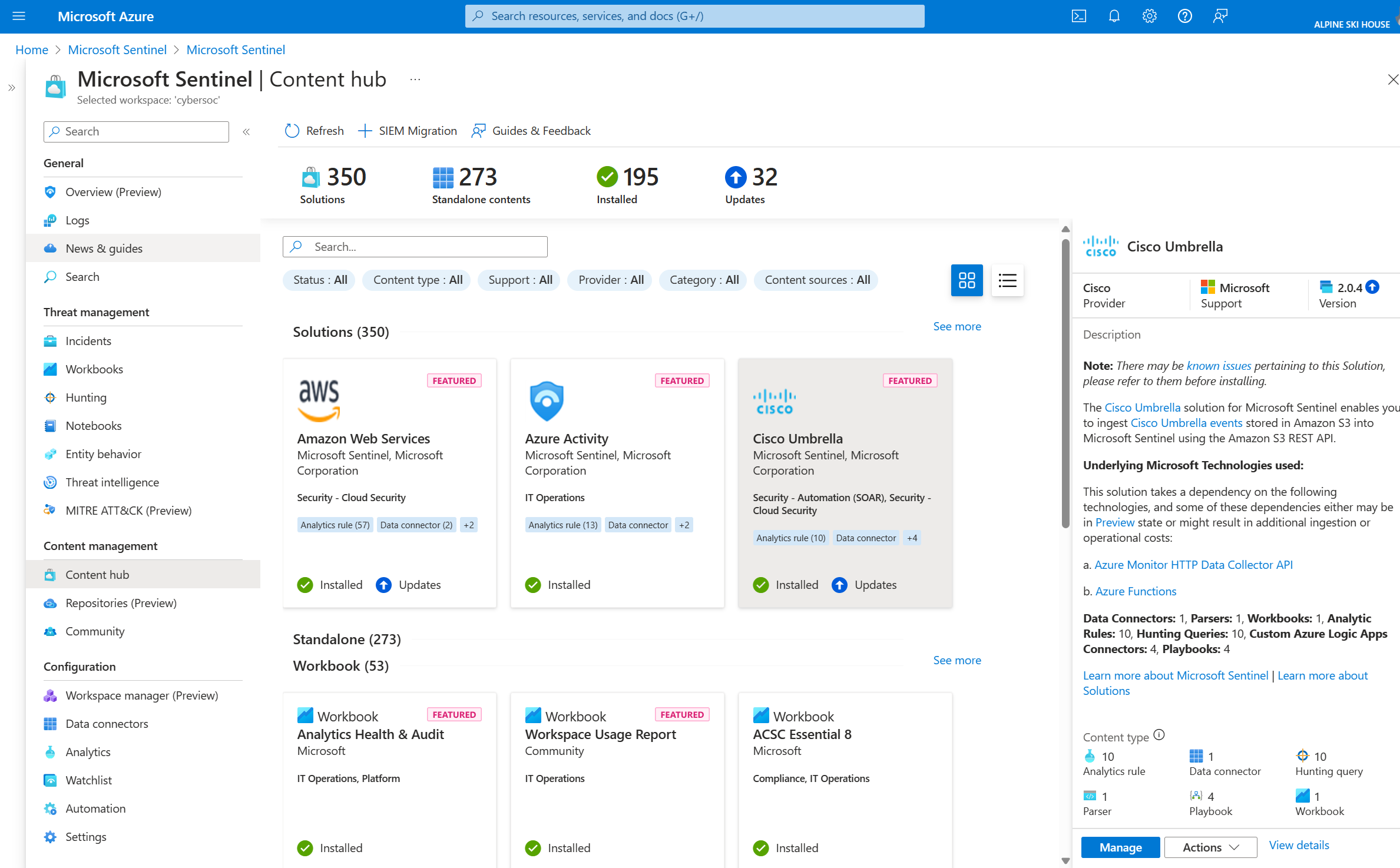
3. مايكروسوفت سينتينل SIEM

مايكروسوفت سينتينل هي منصة SIEM قائمة على السحابة توفر رؤية أمنية واستجابة عبر البيئات المتعددة السحاب والهجينة. تجمع البيانات وتقوم بتطبيعها من مصادر متنوعة، وتطبق التحليلات لاكتشاف التهديدات، وتقوم بأتمتة الاستجابات باستخدام خطط العمل والقواعد.
تشمل الميزات الرئيسية:
- قابلية التوسع السحابية الأصلية: تم نشرها على Azure، مما يتيح التوسع المرن وتقليل تكاليف البنية التحتية
- جمع البيانات عبر المنصات: يدعم الموصلات الأصلية لخدمات مايكروسوفت والمصادر الخارجية باستخدام CEF وSyslog وREST API
- تطبيع البيانات: يستخدم نموذج معلومات الأمان المتقدم (ASIM) لتحليل البيانات بشكل متسق عبر جميع المصادر
- تحليلات وكشف التهديدات: يستفيد من القواعد المسبقة والمخصصة للكشف عن التهديدات وتقليل الإيجابيات الكاذبة
- تكامل إطار MITRE للهجوم والتكتيكات والتقنيات المشتركة (ATT&CK): يربط عمليات الكشف بتكتيكات وتقنيات إطار عمل MITRE لتحسين رؤية التغطية

المصدر: مايكروسوفت سنتينل
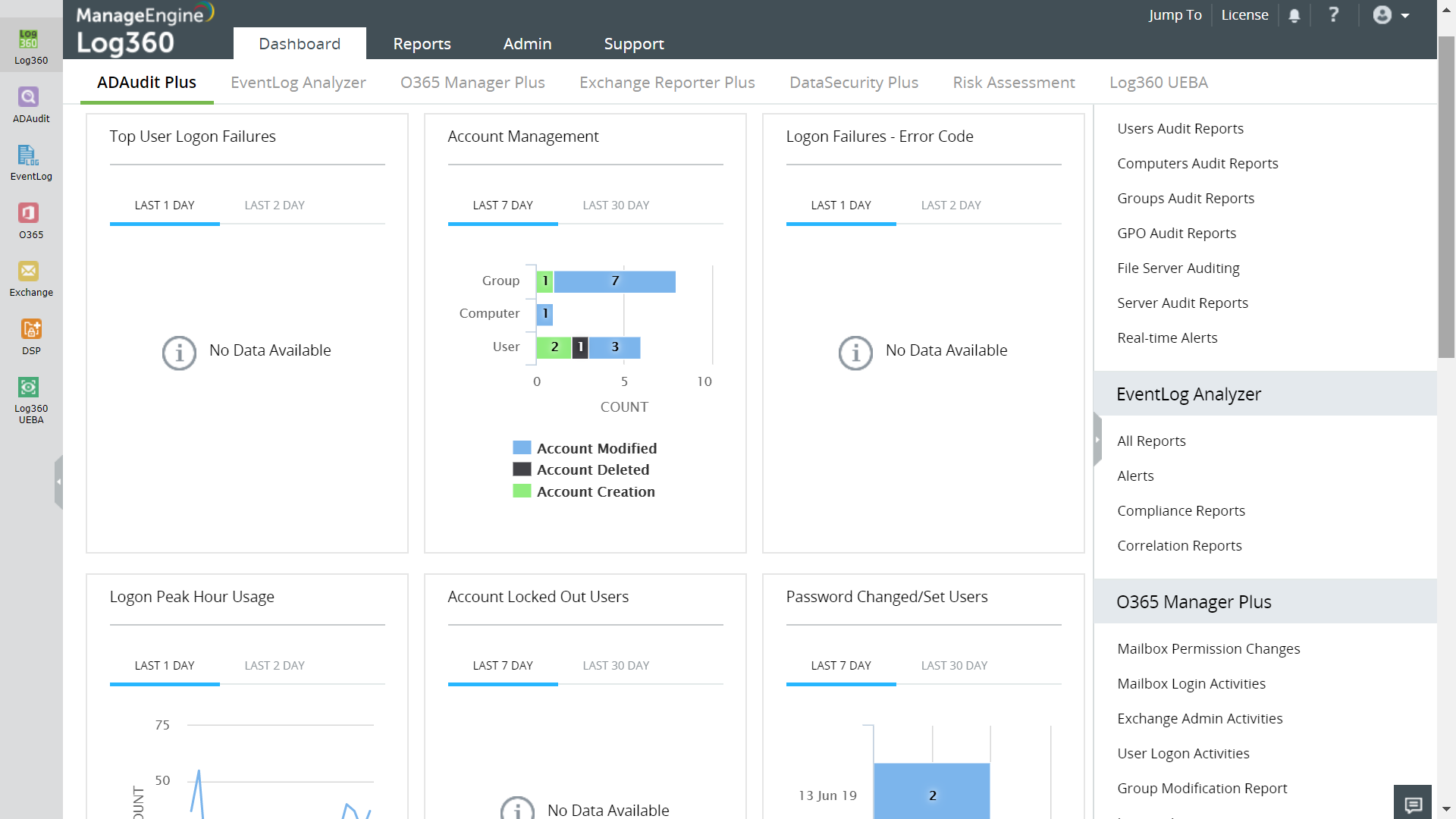
4. مانج إنجن لوج360

ManageEngine Log360 هي منصة SIEM موحدة تجمع بين إدارة السجلات، واكتشاف التهديدات، وتحليل سلوك المستخدم، والاستجابة التلقائية في حل واحد. مصممة لمراكز العمليات الأمنية (SOCs)، تدعم اكتشاف التهديدات التلقائي، والتحقيق، والاستجابة (TDIR) عبر البيئات الهجينة.
تشمل الميزات الرئيسية:
- آلي ة TDIR مع Vigil IQ: يمكن أن يتيح الكشف والتحقيق والاستجابة باستخدام أدوات التحليل السحابية وأدوات التحقيق السياقية
- تنبيه دقيق للت عديل: يقلل من الضوضاء والإيجابيات الكاذبة من خلال تعديلات القواعد بدون كود، واستبعاد على مستوى الكائن، وعتبات تعتمد على التعلم الآلي.
- تحليل سلوك المستخدم
(UEBA): يكشف التهديدات الداخلية من خلال المراقبة المستمرة، ورسم خرائط الهوية، وتجميع النظراء الديناميكي - مراقبة الويب المظلم: تحدد بيانات الاعتماد المسربة والبيانات الحساسة قبل أن يتمكن المهاجمون من استغلالها
- الذكاء الاصطناعي التوليدي في الرؤى (زيا): يوفر ملخصات قابلة للقراءة البشرية للحوادث، وجداول زمنية مرئية للهجمات، ونصائح للتعافي لتسريع التحقيقات

المصدر: ManageEngine Log360
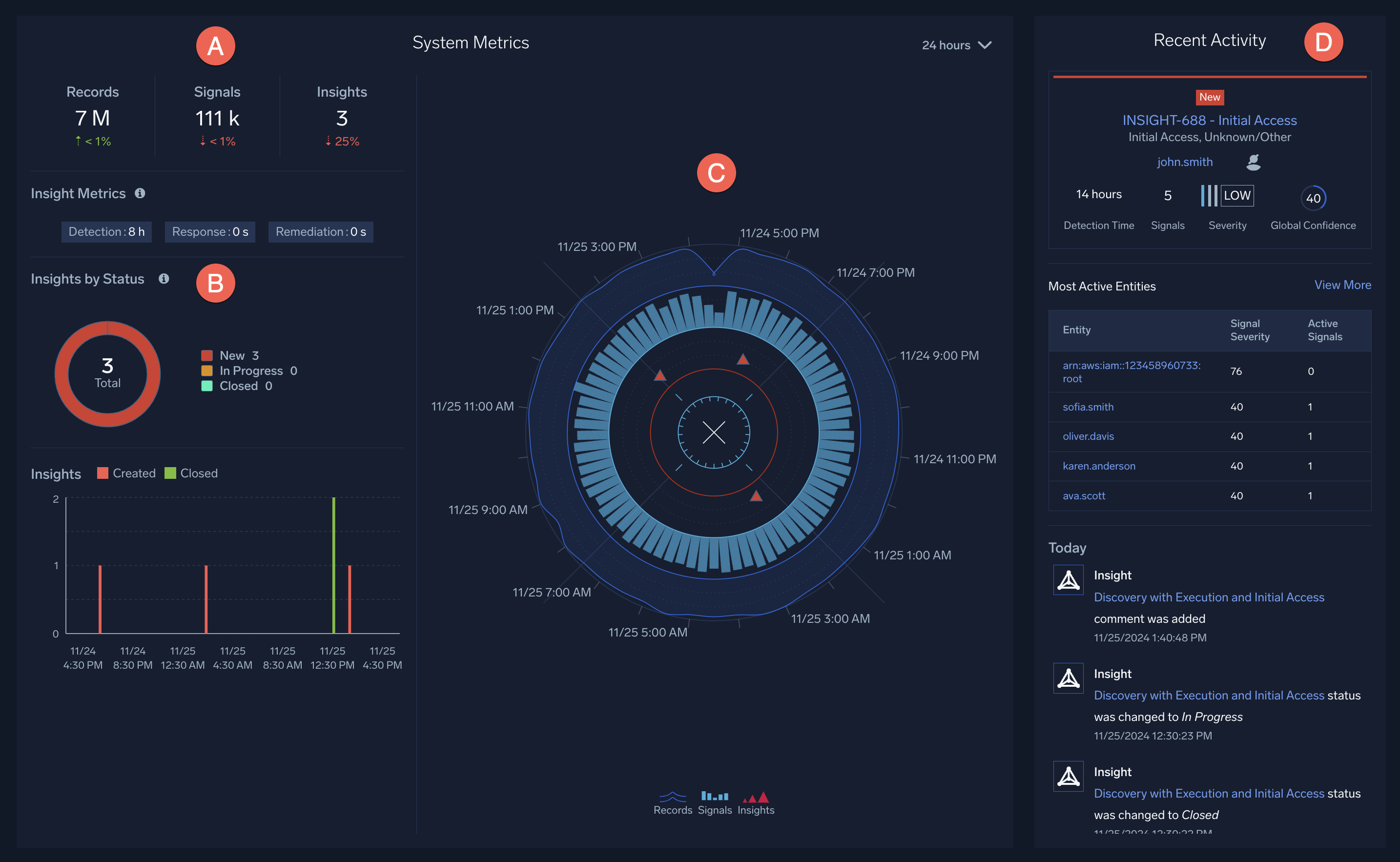
5. نظام إدارة معلومات الأمن السحابي من سمو لوجيك (Sumo Logic Cloud SIEM)

منصة سمو لوجيك للأمن السيبراني السحابية هي منصة تحليل أمان سحابية تهدف إلى تسريع اكتشاف التهديدات والتحقيقات والاستجابة (TDIR) من خلال معالجة البيانات، والأتمتة، وتحليلات السلوك. تقلل من تعب التنبيهات من خلال تجميع الإشارات، وتثري التنبيهات بمعلومات تهديد سياقية، وتمكن من تحقيقات سريعة مدعومة بالذكاء الاصطناعي.
تشمل الميزات الرئيسية:
- الكشف عن التهديدات: يستوعب ويحلل البيانات المهيكلة وغير المهيكلة لتحديد التهديدات بشكل فوري وارتباطها.
- محرك التحليل: يقوم تلقائيًا بتجميع الإشارات في تحليلات عالية الموثوقية باستخدام خوارزميات تكيفية متوافقة مع إطار عمل MITRE ATT&CK
- التحقيقات الموجهة بالذكاء الاصطناعي: تستخدم استفسارات باللغة الطبيعية ورسوم بيانية للعلاقات لتبسيط تحليل التهديدات وكشف نطاق الهجوم
- تحليل سلوك المستخدمين والكيانات (UEBA): يحدد سلوكيات الأساس بسرعة ويظهر الشذوذات عالية المخاطر لاكتشاف التهديدات الداخلية والحسابات المخترقة
- الأتمتة والكتب التشغيلية: يعزز ويستجيب للتنبيهات باستخدام كتب تشغيلية مدمجة ومخصصة يتم تفعيلها بواسطة رؤى أمنية محددة

المصدر: سومو لوجيك
تعرف على المزيد في دليلنا التفصيلي حولحلول SIEM
أفضل الممارسات لمراقبة الامتثال الفعالة باستخدام نظام إدارة معلومات الأمان والأحداث (SIEM)
إليك بعض الطرق التي يمكن للمنظمات من خلالها استخدام حلول SIEM بشكل أفضل لمراقبة الامتثال.
1. تحديد أهداف الامتثال بوضوح وتوافق قواعد نظام إدارة معلومات الأمان (SIEM)
يجب على المنظمات أن تبدأ بتحديد أهداف الامتثال بدقة، والتي قد تشمل متطلبات الاحتفاظ بالبيانات، وإدارة وصول المستخدمين، وأوقات استجابة الحوادث، أو معايير التقارير التي تحددها اللوائح مثل SOX وHIPAA وPCI DSS. تشكل هذه الأهداف الأساس لتكوين قواعد SIEM، ومنطق الكشف، ووحدات التقارير.
بدون أهداف محددة بوضوح، هناك خطر من وجود فجوات بين ما يتم مراقبته وما تتطلبه أطر الامتثال، مما يؤدي إلى فشل في التدقيق أو عقوبات تنظيمية. بمجرد أن تصبح الأهداف واضحة، يجب تعديل إعدادات SIEM وفقًا لذلك. يتضمن ذلك رسم مصادر السجلات، وتحديد الأحداث ذات الصلة، وتخصيص التنبيهات لاكتشاف انتهاكات السياسات التي تغطيها تفويضات محددة.
2. ضمان تغطية السجلات بشكل كامل عبر الأنظمة
يجب على المؤسسات تحديد جميع الأنظمة والتطبيقات ونقاط النهاية وأجهزة الشبكة التي تعالج أو تخزن أو تنقل البيانات الحساسة، ثم تكوين نظام إدارة معلومات الأمان لجمع السجلات من كل مصدر. يمكن أن تؤدي الثغرات في جمع السجلات إلى تحقيقات غير مكتملة وعدم الامتثال للتوقعات التنظيمية للمراقبة وقابلية التدقيق.
بالإضافة إلى تنوع الأجهزة والتطبيقات، يجب على المنظمات أن تأخذ في اعتبارها الموارد السحابية والمحلية والهجينة في استراتيجيتها لتسجيل السجلات. يتطلب الأمر مراجعات وتحديثات منتظمة لقوائم مصادر السجلات مع تطور البنى التحتية. يساهم ضمان تسجيل جميع الأنشطة ذات الصلة بالأمان واستيعابها من قبل نظام إدارة معلومات الأمان (SIEM) في تقليل التعرض للمخاطر وتعزيز قدرة المنظمة على تقديم أدلة شاملة خلال عمليات التدقيق أو التحقيقات.
3. تحسين التنبيهات وأتمتة جمع الأدلة
يمكن أن تغمر تنبيهات نظام إدارة معلومات الأمان العامة الفرق بالضوضاء أو تفوت الأحداث المهمة المتعلقة بالامتثال. يساعد ضبط عتبات التنبيهات، وتحسين قواعد الترابط، وتخصيص الإشعارات في ضمان توافق التنبيهات مع المخاطر التقنية وكذلك مع المتطلبات التنظيمية. وهذا يزيد من احتمالية الكشف المبكر عن انتهاكات الامتثال ويقلل من حجم الإيجابيات الكاذبة التي تستنزف الموارد التحقيقية.
تعزز الأتمتة كفاءة مراقبة الامتثال بشكل أكبر. يسمح جمع الأدلة بشكل آلي، مثل الاحتفاظ بسجلات الأحداث لفترات مطلوبة أو إنشاء وثائق الحوادث تلقائيًا، للمنظمات بالاستجابة بسرعة لطلبات المدققين. تدعم إدارة الحالات الآلية وتتبع التنبيهات إنشاء وتتبع وتقرير حوادث الامتثال.
4. تقييم فعالية نظام إدارة معلومات الأمان (SIEM) بشكل دوري
التقييم المستمر أمر حاسم للحفاظ على برنامج امتثال فعال مدفوع بنظام SIEM. يجب على المنظمات مراجعة جودة واكتمال إدخال السجلات، ودقة قواعد الكشف، وملاءمة لوحات المعلومات والتقارير الخاصة بالامتثال بشكل دوري. يضمن ضبط نظام SIEM بشكل روتيني أن التغييرات في اللوائح أو البنية التحتية لتكنولوجيا المعلومات أو العمليات التجارية تنعكس بسرعة في استراتيجيات المراقبة.
يمكن أن تشمل تقييمات الفعالية الدورية سيناريوهات محاكاة، مثل التدقيقات الوهمية، وتمارين الفريق الأحمر، أو تدريبات الطاولة للامتثال. تكشف هذه الاختبارات عن الفجوات أو السهو في التغطية، والكشف، وقدرات الاستجابة.
5. تدريب الفرق على تفسير تنبيهات الامتثال والتقارير
يجب أن يكون الطاقم الفني مدربًا بشكل كافٍ لفهم والتفاعل مع التنبيهات والتقارير المتعلقة بالامتثال. يجب أن تغطي برامج التدريب كيفية التحقيق في أنواع التنبيهات المرتبطة بالالتزامات التنظيمية، وتفسير لوحات المعلومات الخاصة بالامتثال، وتوليد الأدلة للمراجعين. يجب أن يكون الفرق على دراية بمتطلبات الوثائق للاستجابة للحوادث والتقارير التنظيمية لضمان تبرير الإجراءات وتسجيلها بشكل صحيح.
التدريب المستمر ضروري حيث تتطور منصات SIEM والمعايير التنظيمية والعمليات التنظيمية. تساعد التدريبات وورش العمل ومراجعات السيناريوهات الواقعية في تجهيز المحللين والمدققين وموظفي تكنولوجيا المعلومات للاستجابة للأحداث والطلبات. الفرق المدربة جيدًا تسد الفجوات بين الكشف والتحقيق والتقارير.
محتوى ذي صلة: اقرأ دليلنا حول منتجات SIEM
استنتاج
يلعب نظام إدارة معلومات الأمان (SIEM) دورًا حاسمًا في مساعدة المؤسسات على تلبية متطلبات الامتثال من خلال مركزية بيانات السجلات، وتوحيد التحليل، وأتمتة الكشف والتقارير. من خلال ميزات مثل المراقبة في الوقت الحقيقي، وترابط الأحداث، وتتبع نشاط المستخدم، لا تعمل حلول SIEM على تحسين وضع الأمان فحسب، بل توفر أيضًا الشفافية وقابلية التدقيق التي تتطلبها اللوائح مثل PCI DSS وHIPAA وGDPR وSOX. لتعظيم القيمة، يجب على المؤسسات مواءمة تكوينات SIEM مع أهداف الامتثال، وضمان تغطية البيانات بشكل كامل، وضبط أنظمتها وعملياتها بشكل مستمر.
تعلم المزيد عن إكزابييم
تعرف على منصة Exabeam ووسع معرفتك في أمن المعلومات من خلال مجموعتنا من الأوراق البيضاء، البودكاست، الندوات، والمزيد.