Best UEBA Software: Top 7 Options in 2026
- 9 minutes to read
فهرس المحتويات
ما هو برنامج UEBA؟
UEBA (تحليلات سلوك المستخدم والكيان) هو حل للأمن السيبراني يستخدم التعلم الآلي وتحليلات السلوك لاكتشاف التهديدات، بما في ذلك التهديدات الداخلية والاستيلاء على الحسابات، من خلال إنشاء خط أساس للسلوك الطبيعي للمستخدمين والكيانات ثم الإشارة إلى الانحرافات التي تشير إلى المخاطر.
تشمل الفوائد الرئيسية الكشف المتقدم عن التهديدات، وتقليل التعب الناتج عن التنبيهات من خلال تحديد الأولويات بناءً على المخاطر، وتقليل المخاطر التنظيمية من خلال تمكين الكشف المبكر عن التهديدات المعروفة وغير المعروفة.
كيف يعمل برنامج UEBA:
- السياق وسرد القصص: غالبًا ما توفر منصات UEBA السياق وتبني "خطوط زمنية" للأنشطة الخاصة بالمستخدمين لمساعدة فرق الأمن في فهم التهديدات والتعبير عنها، مما يحسن من كفاءة التحقيق.
- تأسيس خط الأساس: يتعلم البرنامج وينشئ ملف تعريف للسلوك الطبيعي للمستخدمين الفرديين والكيانات النظامية (مثل الأجهزة، والخوادم).
- جمع البيانات وتحليلها: أ نه يجمع ويحلل كميات هائلة من البيانات من مصادر أمنية متنوعة، بما في ذلك السجلات والأحداث.
- كشف الشذوذ: يستمر في مراقبة الأنشطة الحالية، ويقارنها بالمعايير المحددة لتحديد السلوكيات المشبوهة أو الشاذة.
- أولوية التهديدات: يتم تفعيل التنبيهات للأنشطة عالية المخاطر، مما يقلل من الإيجابيات الكاذبة ويساعد الفرق الأمنية على التركيز على التهديدات الحرجة.
Editor’s note: Updated the article to cover recent market trends, updated product information to reflect features and capabilities in 2026, and added 2 new tools.
UEBA Software Market Trends
The user and entity behavior analytics market is valued at approximately USD 0.41 billion and is expected to grow to USD 14.18 billion by 2035. This represents a compound annual growth rate of 38.0% over the forecast period.
This level of growth indicates that UEBA is moving from a niche capability to a core component of modern security architectures. Organizations are allocating more budget to tools that go beyond rule-based detection. Instead, they are investing in systems that can continuously learn and adapt to user behavior. The large increase in market size also suggests that adoption is spreading across industries, not just limited to highly regulated sectors.
العوامل الرئيسية للنمو
The rise in sophisticated cyber threats is one of the main drivers behind UEBA adoption. Attackers are increasingly using legitimate credentials and subtle techniques, making traditional detection methods less effective. UEBA helps address this by identifying unusual behavior patterns rather than relying only on known attack signatures.
Regulatory pressure is another key factor. Laws and frameworks such as data protection and privacy regulations require organizations to monitor user activity and detect potential misuse of sensitive data. UEBA tools support these requirements by providing visibility into how users interact with systems and data.
The shift to remote and hybrid work has also increased demand. Users now access systems from different locations and devices, which expands the attack surface. UEBA solutions help track this distributed activity and identify suspicious behavior regardless of where it originates. Additionally, insider threats—both malicious and accidental—are becoming a larger concern, further driving adoption.
اتجاهات التكنولوجيا
Artificial intelligence and machine learning are central to how UEBA solutions are evolving. These technologies allow systems to process large volumes of data from multiple sources and identify patterns that would be difficult to detect manually. As a result, organizations can detect threats earlier and respond faster.
Machine learning models continuously refine behavioral baselines as new data is collected. This improves accuracy over time and reduces false positives. AI-driven analytics also enable more context-aware detection, where user actions are evaluated based on historical behavior, peer groups, and environmental factors.
كيف يعمل برنامج تحليل سلوك المستخدم والكيانات (UEBA)
إنشاء خطوط أساسية
يجب على حل UEBA أولاً إنشاء خطوط أساسية سلوكية للمستخدمين والكيانات. يتم اشتقاق هذه الخطوط الأساسية من خلال مراقبة الأنشطة بشكل مستمر مثل أوقات تسجيل الدخول، والوصول إلى الملفات، واستهلاك الموارد، وأنماط الاتصال خلال فترة تعلم أولية. من خلال تحليل هذه الإجراءات، يقوم النظام بإنشاء ملف تعريف لما يعتبر سلوكًا نموذجيًا لكل مستخدم وجهاز في البيئة.
بمجرد وضع هذه المعايير الأساسية، تقوم البرمجيات بتحديثها بانتظام لتأخذ في الاعتبار التغيرات الطبيعية في السلوك، مثل تعديلات الأدوار الوظيفية أو تقلبات الأعمال الموسمية. من خلال الحفاظ على تحديث المعايير الأساسية، تزيد UEBA من دقة الكشف وتقلل من الإيجابيات الكاذبة، مما يضمن أن الأنشطة غير العادية والخطرة فقط هي التي تستدعي التحقيق أو التدخل من فريق الأمن.
استيعاب البيانات وتحليلها
تعتمد UEBA على جمع البيانات من مجموعة واسعة من المصادر عبر المنظمة، بما في ذلك سجلات النظام، حركة مرور الشبكة، سجلات المصادقة، ونشاط التطبيقات السحابية. تُغذي هذه البيانات محرك التحليلات الأساسي، مما يوفر الأساس لتحليل سلوك شامل. تتكامل حلول UEBA الحديثة مع منصات إدارة معلومات الأمان والأحداث (SIEM) أو مباشرة مع نقاط النهاية وأجهزة الشبكة لتعزيز الرؤية.
بمجرد جمع البيانات، يقوم مكون التحليل بتطبيق خوارزميات تقوم بترتيب البيانات وربطها وتحضير المعلومات لتحليلات سلوكية. يسمح التحليل المتقدم للبيانات للحل بمقارنة الأحداث عبر أوقات وأقسام وأنواع أجهزة مختلفة، مما يكشف عن أنماط أو تفاعلات دقيقة قد لا تكون واضحة من مجموعة بيانات واحدة.
كشف الشذوذ
من خلال الإشارة إلى المعايير الأساسية المعتمدة، يقوم النظام بتقييم البيانات الحية باستمرار بحثًا عن أنماط نشاط غير عادية مثل تسجيل الدخول في أوقات غير معتادة، أو تغييرات مفاجئة في الأذونات، أو حركة بيانات غير متوقعة. يتم تصنيف هذه الانحرافات على أنها شذوذ، مما يستدعي مزيدًا من التحقيق من قبل فرق الأمان.
ليست جميع الشذوذات خبيثة، لذا تستخدم أنظمة UEBA النمذجة الإحصائية وتعلم الآلة لتصنيف وتقييم الشذوذات المكتشفة. يتم أخذ العوامل السياقية، مثل التغييرات الأخيرة في الأدوار أو أنشطة الصيانة، بعين الاعتبار لتقليل الضوضاء وتحسين صلة الكشف. مع مرور الوقت، تقوم البرمجيات بتحسين نماذج الكشف عن الشذوذات لتفريق التهديدات الحقيقية عن الحالات الشاذة غير الضارة، مما يؤدي إلى تنبيهات أكثر قابلية للتنفيذ.
تحديد أولويات التهديدات
بعد اكتشاف الشذوذ، يقوم نظام تحليل سلوك المستخدم والكيانات (UEBA) بتعيين درجات المخاطر لكل حدث مشبوه، مع إعطاء الأولوية لتلك التي تشكل أكبر تهديد. يعتمد هذا التصنيف على عدة عوامل: نوع الشذوذ، وأهمية الأصول المتأثرة، والتأثير المحتمل على الأعمال. والنتيجة هي قائمة بالتهديدات ذات الأولوية، مما يسمح لمراكز العمليات الأمنية (SOCs) بتركيز الموارد على المخاطر الأكثر أهمية بدلاً من فرز عدد كبير من التنبيهات.
من خلال ربط الحوادث وتحليل السياق التاريخي، يمكن لأنظمة UEBA تتبع تقدم الهجمات المتقدمة. غالبًا ما تعتمد آليات الأولوية على الذكاء الاصطناعي للتعرف على أنماط التصعيد، مثل الحركة الجانبية وزيادة الامتيازات. تضمن هذه الطريقة معالجة الأحداث الحرجة على الفور.
السياق وسرد القصص
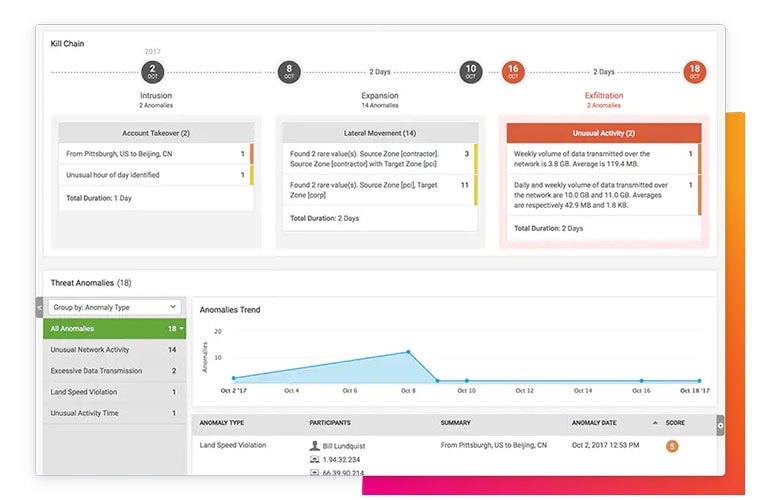
تحسن UEBA (تحليل سلوك المستخدم والكيان) التنبيهات التقليدية من خلال توفير السياق وبناء سرد للحوادث، وغالبًا ما يُشار إليها باسم "سرد القصص". بدلاً من إرسال تنبيهات معزولة، يقوم البرنامج بربط أحداث متعددة على مر الزمن، مثل سلسلة من تسجيلات الدخول غير العادية، تليها محاولات لاستخراج البيانات، لصياغة جدول زمني لسلوك الفاعل المهدد. يوفر هذا النهج السياقي لفرق الأمان معلومات قابلة للتنفيذ، مما يجعل التحقيقات أسرع وأكثر كفاءة.
تساعد سرديات الحوادث هذه في التمييز بين الشذوذات المعزولة والهجمات المنسقة الأكبر. مع وجود قصة واضحة تربط بين الأفعال، يحصل المستجيبون على رؤية أوسع لسلسلة الهجمات، مما يحسن من فهمهم واستجابتهم للتهديدات. يسمح السرد الفعال للمحللين بتقليل الوقت المستغرق في ربط البيانات يدوياً وتحديد أولويات الإجراءات بناءً على الصورة الكاملة للتهديد.
برمجيات UEBA الملحوظة
1. إكزابييم

Exabeam هي منصة SIEM مدفوعة بتحليلات سلوكية تقدم قدرات متقدمة في اكتشاف التهديدات الداخلية، وسوء استخدام بيانات الاعتماد، والحركة الجانبية عبر البيئات الهجينة والسحابية. تجمع بين جمع البيانات القابل للتوسع، والتحليلات المعتمدة على المخاطر، والأتمتة لتعزيز الرؤية والسرعة عبر عمليات الكشف والتحقيق.
الميزات العامة:
- جمع البيانات وتوحيدها: يجمع ويقوم بتوحيد السجلات من أنظمة الهوية، النقاط النهائية، التطبيقات السحابية، وأجهزة الشبكة من أجل رؤية موحدة وترابط.
- الجداول الزمنية للتحقيقات الآلية: تبني سرديات سياقية مرتبة زمنياً لنشاط المستخدم والكيانات لتسريع التحقيقات وتقليل التقييم اليدوي.
- الأتمتة المتكاملة: تستخدم كتب اللعب المدفوعة بـ SOAR لتنظيم إجراءات الاحتواء والتصحيح، مما يقلل من عبء العمل على المحللين ووقت الاستجابة.
ميزات UEBA:
- تحليل مجموعة الأقران: يقارن نشاط المستخدم مع مجموعات الأقران المستندة إلى القسم أو الدور للكشف عن الانحرافات الطفيفة التي تشير إلى وجود أشخاص داخليين مهددين أو خبيثين.
- محرك تحليل سلوكي: يؤسس معايير ديناميكية للمستخدمين والأجهزة وحسابات الخدمة لاكتشاف الشذوذ مثل تصعيد الامتيازات، تسريب البيانات، أو أنماط الوصول غير العادية.
- تقييم المخاطر وتحديد الأولويات: يخصص درجات مخاطر موزونة للانحرافات باستخدام إشارات سياقية، مما يمكّن المحللين من التركيز على التهديدات الأكثر صلة وتأثيرًا.
- ربط الكيانات وبناء السياق: يربط أنشطة المستخدم والنقطة النهائية والشبكة في قصة سلوكية واحدة للكشف بدقة أكبر عن التهديدات المعقدة.
2. مايكروسوفت سنتينل

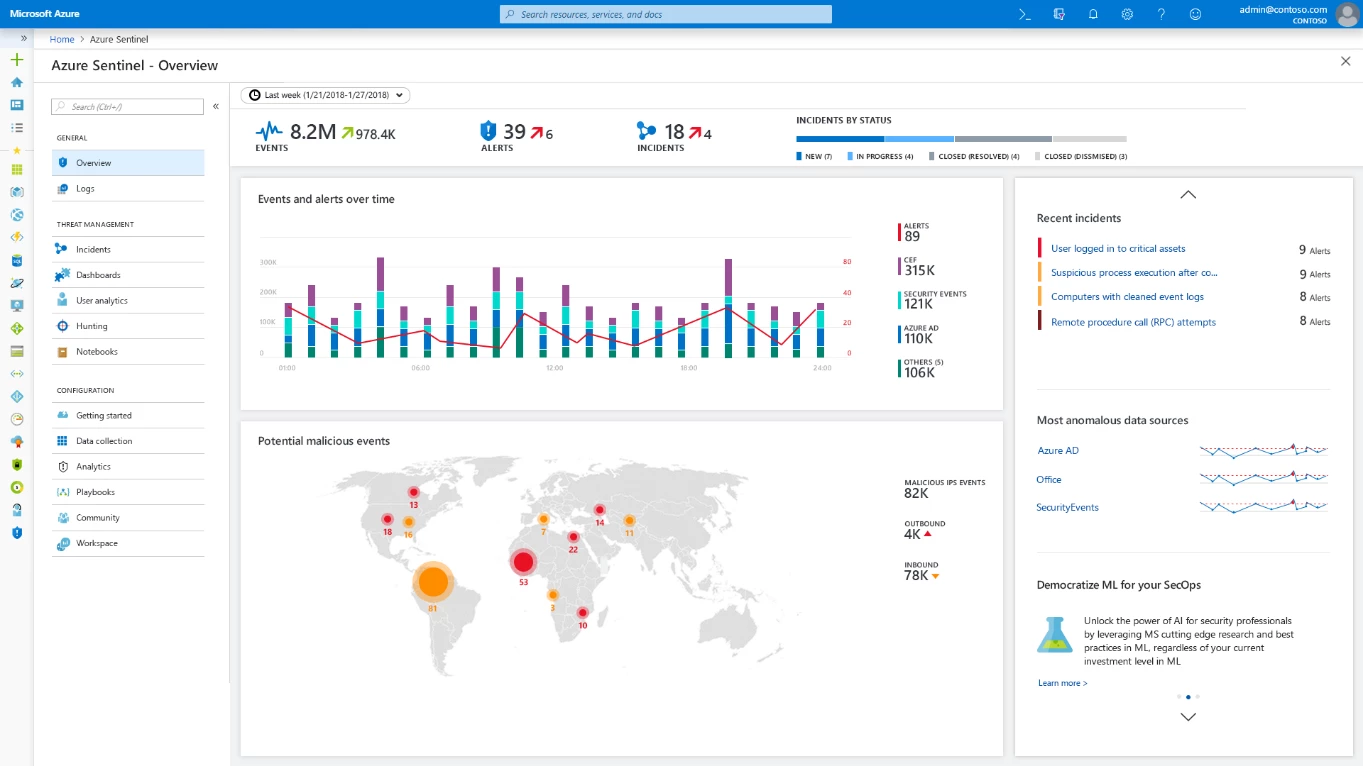
Microsoft Sentinel is a cloud-native SIEM platform that integrates UEBA capabilities with AI-driven analytics, automation, and large-scale data processing. It centralizes telemetry from multiple environments and applies behavioral analysis, correlation, and machine learning to detect anomalies and investigate threats across users, devices, and applications.
الميزات العامة:
- Cloud-native SIEM architecture: Centralizes security operations using a scalable platform with integrated analytics and automation.
- Unified data lake: Stores and processes large volumes of telemetry data for analysis and detection.
- AI-driven detection and response: Applies machine learning and automation to improve detection accuracy and response speed.
- Broad data integration: Connects to hundreds of data sources across cloud, on-prem, and third-party environments.
- Native XDR integration: Provides unified visibility and control across detection and response workflows.
ميزات UEBA:
- Behavioral analytics integration: Combines UEBA with SIEM to analyze user and entity behavior across environments.
- Anomaly detection with machine learning: Identifies deviations from normal activity using AI-driven analytics.
- Entity-based investigation: Uses graph-based context to explore relationships between users, devices, and activities.
- Threat correlation across signals: Links behavioral anomalies with other security data to improve detection accuracy.
- AI-assisted investigation: Uses generative AI to summarize incidents and guide response actions.

Source: Microsoft
3. سبلك

Splunk User Behavior Analytics is a machine learning-based solution that detects insider threats and advanced attacks by analyzing behavior across users, devices, and applications. It builds dynamic behavioral baselines and correlates activity across multiple entities to identify subtle anomalies and prioritize risks within security operations workflows.
الميزات العامة:
- Unified security operations integration: Works within a broader platform to combine detection, investigation, and response.
- Automated threat detection: Uses machine learning to continuously monitor and identify suspicious activity.
- Noise reduction mechanisms: Filters large volumes of events to highlight the most relevant threats.
- Contextual visibility: Aggregates data across systems to provide a complete view of security events.
- Integrated workflows: Connects detections to centralized investigation and response processes.
ميزات UEBA:
- Behavioral baselining: Learns normal activity patterns for users and entities to detect deviations.
- Entity risk scoring: Aggregates risk signals into a single score to prioritize threats.
- Multi-entity correlation: Identifies complex attack patterns by linking activity across users, devices, and applications.
- Contextual threat intelligence: Enriches alerts with historical behavior, peer comparisons, and metadata.
- Automated prioritization: Ranks threats based on risk level to reduce alert fatigue and improve response efficiency.

Source: Splunk
4. رابيد7

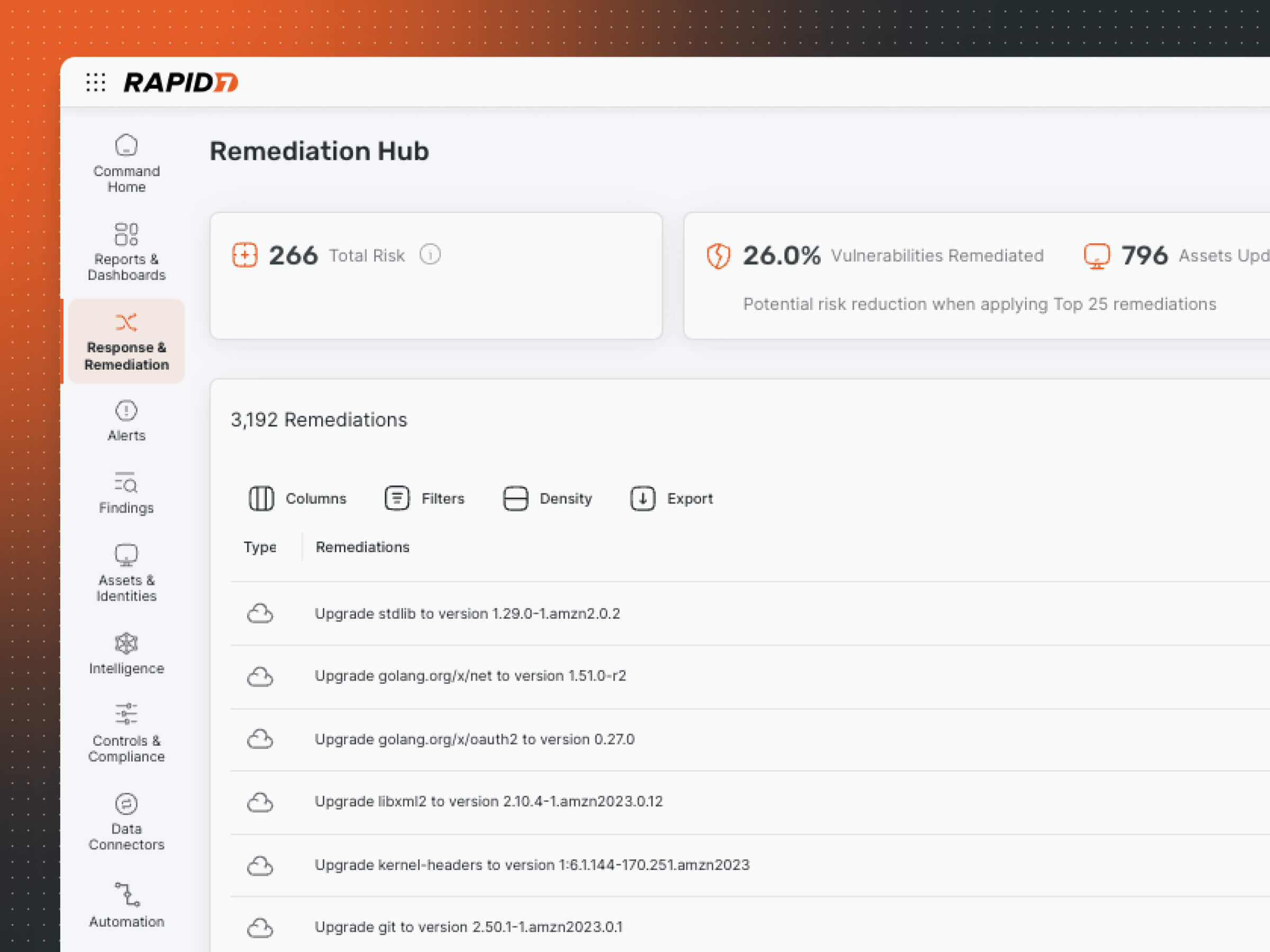
Rapid7 Incident Command is a cloud-based security platform that incorporates UEBA techniques to improve threat detection and response. It focuses on connecting activity to users and assets rather than isolated indicators, enabling more accurate validation and investigation of suspicious behavior across environments.
الميزات العامة:
- Unified security platform: Provides visibility across endpoints, cloud, and infrastructure within a single system.
- Cloud-native scalability: Processes large volumes of data without requiring on-premises infrastructure.
- Integrated threat intelligence: Uses research and external intelligence to enhance detection and response.
- End-to-end visibility: Tracks activity across the full attack surface to support investigation.
- Continuous monitoring: Enables ongoing detection and response to emerging threats.
ميزات UEBA:
- User and asset correlation: Links activities to specific users and systems for clearer investigation context.
- Behavior-based detection: Identifies suspicious actions associated with attacker techniques.
- Contextual alerting: Provides detailed insight into who performed an action and where it occurred.
- Attack pattern recognition: Detects behaviors such as credential misuse and lateral movement.
- Improved investigation accuracy: Uses behavioral context to reduce false positives and validate threats.

Source: Rapid7
5. مانج إنجين لوج 360

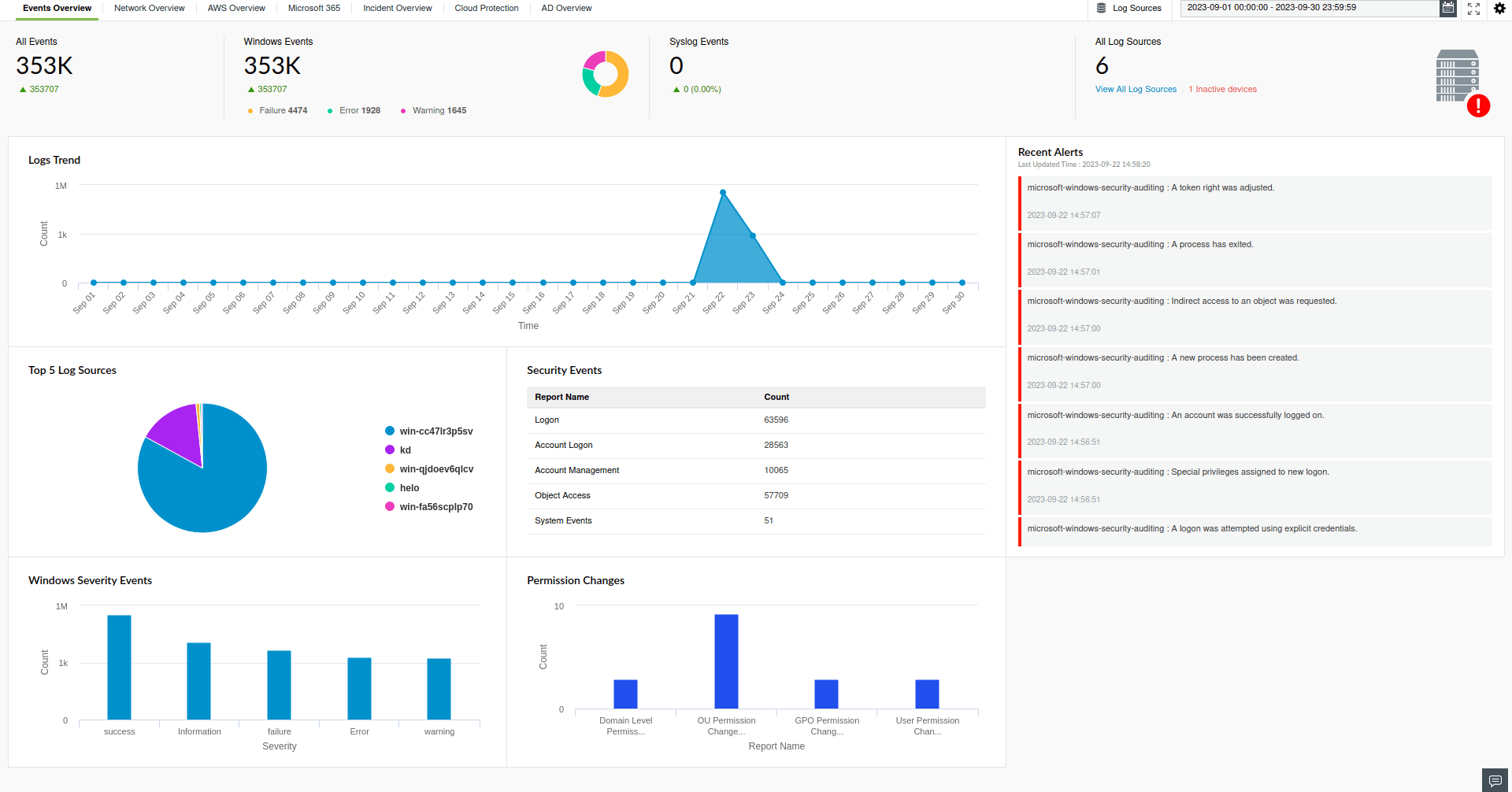
ManageEngine Log360 is a unified SIEM platform that incorporates UEBA to detect insider threats and anomalous behavior across hybrid environments. It combines centralized log management, AI-driven analytics, and automated workflows to improve visibility and simplify security operations.
الميزات العامة:
- Centralized log management: Collects and analyzes logs from diverse systems through a single interface.
- Integrated incident workbench: Provides contextual investigation tools with visual timelines and correlated data.
- Automated response workflows: Uses predefined playbooks to orchestrate incident response.
- Threat intelligence enrichment: Enhances detection with external threat data and contextual insights.
- Scalable data ingestion: Supports high-volume data processing across complex environments.
ميزات UEBA:
- AI-driven behavioral analytics: Continuously analyzes user activity to detect anomalies and insider threats.
- Dynamic peer grouping: Compares behavior against similar users to improve anomaly detection accuracy.
- User identity mapping: Links activities to identities for better context and investigation.
- Adaptive anomaly detection: Uses machine learning to adjust thresholds based on evolving behavior patterns.
- Risk-based prioritization: Focuses attention on high-risk activities to reduce alert fatigue.

Source: ManageEngine
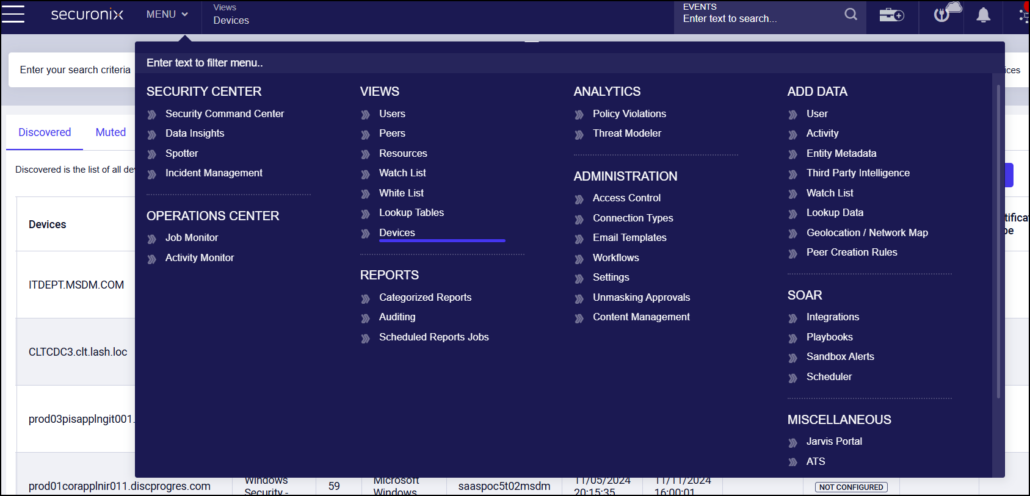
6. Securonix

Securonix is a cloud-native security analytics platform that integrates UEBA with AI-driven detection, investigation, and response. It uses a system of coordinated analytics and automation to process behavioral data, enrich alerts with context, and guide security teams through investigation and remediation workflows.
الميزات العامة:
- Cloud-native SIEM platform: Unifies analytics, threat intelligence, and response in a scalable architecture.
- Integrated AI-driven workflows: Uses AI to automate detection, investigation, and response processes.
- Unified data processing: Correlates data across multiple sources for comprehensive visibility.
- Automated alert triage: Reduces manual effort by prioritizing and organizing alerts.
- Contextual investigation support: Provides summaries and guidance to accelerate analysis.
ميزات UEBA:
- Behavioral anomaly detection: Identifies deviations in user and entity activity using AI-driven analytics.
- Contextual enrichment: Combines identity, behavior, and threat intelligence data for deeper insights.
- Automated risk prioritization: Highlights high-risk activities to improve response focus.
- Continuous learning models: Adapts detection based on evolving behavior patterns.
- Integrated investigation workflows: Connects behavioral insights directly to response actions.

Source: Securonix
7. Varonis Data Security Platform

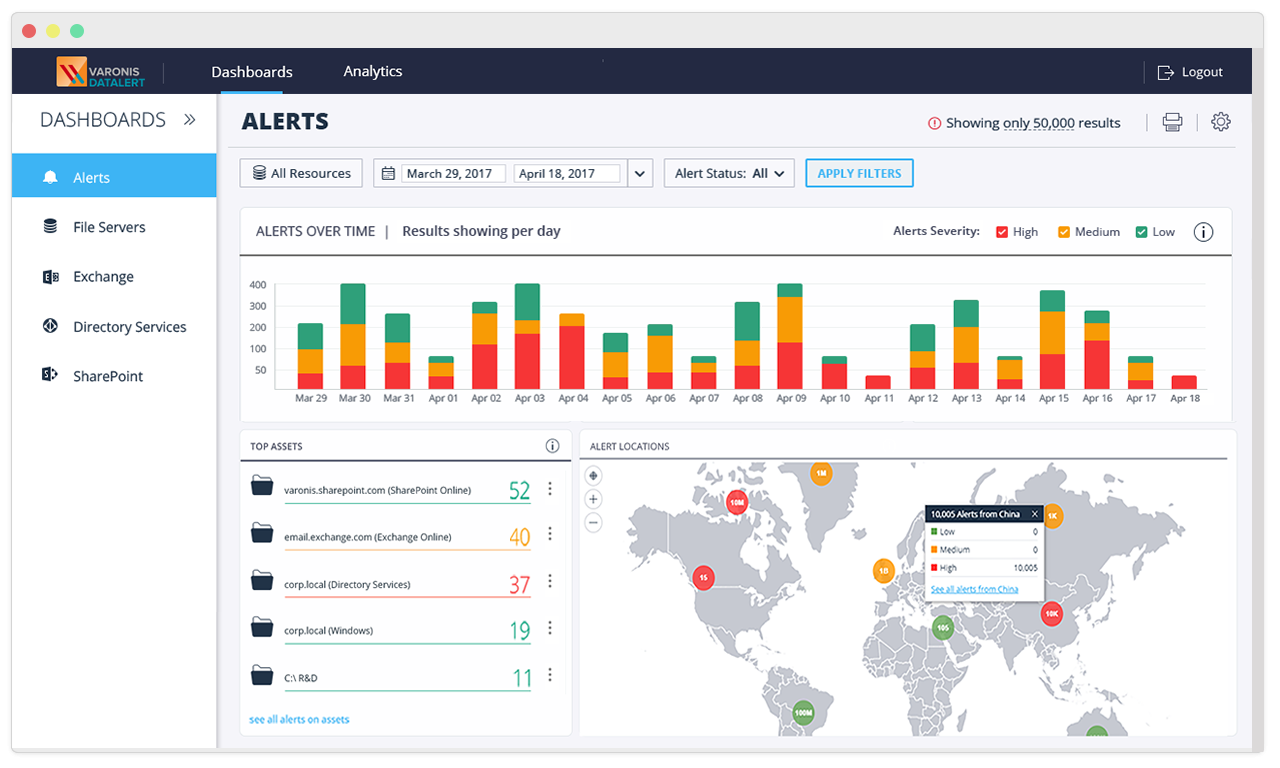
Varonis is a data-centric security platform that includes UEBA capabilities to monitor and protect sensitive data. It focuses on analyzing how users interact with data, detecting abnormal access patterns, and automatically reducing risk through enforcement and remediation actions.
الميزات العامة:
- Data discovery and classification: Identifies and labels sensitive data across environments.
- Centralized data security platform: Provides visibility and control over data access and usage.
- Automated remediation: Applies policies and controls to reduce data exposure and risk.
- Cross-environment coverage: Monitors data across cloud, SaaS, and on-prem systems.
- Continuous monitoring: Tracks data access and usage in real time.
ميزات UEBA:
- Data-centric behavioral analytics: Monitors how users interact with sensitive data to detect anomalies.
- Real-time threat detection: Identifies suspicious access patterns and potential data misuse.
- User activity monitoring: Tracks file access and permission changes to detect insider threats.
- Anomaly-based alerting: Flags unusual data access behavior for investigation.
- Integrated incident response support: Combines detection with automated actions to prevent data loss.

Source: Varonis
محتوى ذي صلة: اقرأ دليلنا حولأدوات UEBA
استنتاج
يعمل برنامج UEBA على تعزيز عمليات الأمان من خلال التركيز على السلوك بدلاً من القواعد الثابتة أو التوقيعات. من خلال التعلم المستمر لما هو طبيعي والإشارة إلى الانحرافات، يقوم UEBA بالكشف عن التهديدات الداخلية، واختراقات الحسابات، والهجمات المتقدمة التي تتجاوز الدفاعات التقليدية. إن قدرته على تحديد الأولويات وتقديم جداول زمنية سياقية تتيح لفرق الأمان الاستجابة بشكل أسرع وأكثر دقة، مما يقلل من تعرض المنظمة لكل من التهديدات المعروفة وغير المعروفة.
تعلم المزيد عن إكزابييم
تعرف على منصة Exabeam ووسع معرفتك في أمن المعلومات من خلال مجموعتنا من الأوراق البيضاء، البودكاست، الندوات، والمزيد.