Cloud Security Solutions: 8 Categories and 8 Tools to Know in 2026
- 13 minutes to read
فهرس المحتويات
What Are Cloud Security Tools?
Cloud security tools are software solutions designed to protect cloud-based data, applications, and infrastructure. These tools address various security concerns, including data privacy, unauthorized access, and vulnerabilities within cloud services. They help organizations maintain compliance, prevent threats, and ensure the integrity of their cloud environments.
Cloud security tools can fall into several categories:
- Cloud Security Posture Management (CSPM): CSPM tools continuously monitor and assess cloud security configurations, identify misconfigurations, and help organizations improve their overall security posture.
- Cloud Access Security Broker (CASB): CASB tools are physical or software-based gateways that allow organizations to apply consistent access policies across on-premises and cloud environments.
- Cloud Workload Protection Platforms (CWPP): CWPP tools help protect cloud workloads like virtual machines, containers, and serverless functions by discovering them and applying security policies.
- Cloud compliance: Cloud compliance tools help organizations understand how to align their cloud environments with compliance requirements.
- Security Incident and Event Management (SIEM): SIEM tools ingest alert and data and analyze security-related behavior to help detect, investigate, and mitigate attacks.
- eXtended Detection and Response (XDR): XDR tools help organizations implement threat detection and incident response across the layers of a cloud environment.
- Secure Access Service Edge (SASE): SASE tools provide remote access to cloud systems with live context, compliance, and security policies based on device identities.
- Security Service Edge (SSE): SSE tools help secure access to cloud services and applications by ensuring access control, threat protection, monitoring, and data security.
Key functions of cloud security tools include:
- Identity and access management (IAM): Ensures only authorized users can access cloud resources, often through features like single sign-on (SSO), multi-factor authentication (MFA), and role-based access control (RBAC).
- Data encryption: Protects sensitive data at rest (when stored) and in transit (when being transmitted) by converting it into an unreadable format.
- Threat Detection and Response: Monitors for suspicious activity and malicious attacks, alerting administrators and often providing automated or manual mitigation.
- Web application firewalls (WAFs): Protect web applications hosted in the cloud from common attacks like SQL injection and DDoS.
- Endpoint protection: Secures devices accessing cloud resources, detecting and responding to malware and other threats.
- Data loss prevention (DLP): Prevents the unauthorized sharing or transfer of sensitive data.
تستمر المخاوف المتعلقة بخصوصية البيانات وأمنها في النمو مع اعتماد المزيد من الشركات على البنية التحتية السحابية، واستخدام الموارد السحابية لتخزين البيانات الحساسة وتشغيل التطبيقات الحيوية.
مع وجود العديد من التهديدات الأمنية التي تواجه بيئات السحابة، تحتاج الشركات إلى اكتشاف الحوادث الأمنية تلقائيًا وتحديد التهديدات بشكل استباقي عبر بيئتها. أمان السحابة هو تحدٍ متطور لا يمكن معالجته إلا إذا عملت تقنيات السحابة وأدوات الأمان معًا.
هذا المحتوى هو جزء من سلسلة حول أمان السحابة.
ماذا تحتاج لتأمينه في السحابة؟
تعتبر بيئات السحابة معقدة وتتكون من عدد كبير من الأجزاء المتحركة. تستخدم العديد من المنظمات إدارة وضع الأمان لخدمات البرمجيات كخدمة (SSPM) لحوكمة الأمان لخدمات السحابة الخاصة بها، مما يمكّن فرق التطوير والتشغيل والأمان وتكنولوجيا المعلومات من الحصول على رؤية وإدارة الوضع الأمني لبيئاتهم السحابية - لا سيما لتقييم مبادرات الثقة الصفرية وأدواتها. فيما يلي الأنواع الرئيسية من الأصول التي يجب أن تتناولها حلول الأمان السحابية:
الشبكات السحابية
جدران الحماية مهمة في السحابة كما هي في المواقع المحلية، لكنها تتطلب بعض المتطلبات المختلفة. يجب نشر جدار الحماية السحابي بطريقة لا تعطل الاتصالات الأساسية داخل الشبكة الخاصة الافتراضية (VPC) أو داخل الشبكة السحابية الأوسع. يمكن استخدام جدران الحماية والتقنيات الأخرى لفحص وتصفية حركة المرور الشبكية إلى ومن موارد السحابة (حركة المرور الواردة/الصادرة) - سواء كان ذلك للوصول إلى الويب أمام تطبيق أو لتنظيم حركة المرور العامة.
مثيلات الحوسبة
تُعرف أيضًا بالآلات الافتراضية (VMs)، وهي موارد حوسبة تدير أحمال العمل السحابية. يجب حماية مثيل الحوسبة من الثغرات والبرمجيات الضارة والتغييرات غير المتحكم بها، مثل أي خادم. يمكن أن تكون الحماية أكثر تعقيدًا لأن المثيلات السحابية تُبدأ وتُوقف بشكل ديناميكي. يجب أن تظل مرئية لمسؤولي تكنولوجيا المعلومات ويجب أن تخضع كل مثيل لسياسة أمان.
حاويات
نمط نشر شائع في السحابة هو تشغيل التطبيقات في حاويات: عمليات خفيفة الوزن يمكن أن تحتوي على بيئة برمجية كاملة. تُستخدم الحاويات لتشغيل البرمجيات بشكل موثوق في أي بيئة.
تستند الحاويات إلى الصور، ويجب أن توفر حلول الأمان وسيلة لفحص صور الحاويات بحثًا عن الثغرات أو التغييرات غير المصرح بها قبل استخدامها وأثناء استخدامها. بالإضافة إلى ذلك، هناك حاجة لمراقبة وحماية الحاويات أثناء وقت التشغيل، وطبقات أمان إضافية لمنظمي الحاويات، مثل كوبرنيتس.
تطبيقات السحابة
تتطلب تطبيقات السحابة، سواء كانت مُنَشَأة على مثيلات سحابية أو حاويات أو منصات بدون خادم، تدابير أمان خاصة بها. يشمل ذلك تأمين تكوين التطبيق، وضمان مصادقة قوية، ومراقبة حركة مرور التطبيق بحثًا عن أنماط خبيثة أو غير طبيعية. يجب أن تكون سجلاتها وطرق المصادقة الخاصة بها آمنة. يجب أن يكون لدى مديري تكنولوجيا المعلومات وفرق الأمان رؤية مركزية وتحكم في تطبيقات السحابة، لتمكين اكتشاف التهديدات والاستجابة لها.
اقرأ شرحنا المفصل حول تهديدات أمان السحابة.
كيف تتأثر حلول أمان السحابة بالحوكمة والامتثال؟
يجب أن يدعم حل الأمان السحابي المعايير واللوائح التي تؤثر على مؤسستك، ويساعد في الامتثال.
تنظيمات مثل اللائحة العامة لحماية البيانات (GDPR) والمعايير مثل معيار أمان بيانات صناعة بطاقات الدفع (PCI DSS) لها آثار واسعة على بيئات السحابة. من الناحية المثالية، يجب أن تساعد حلول الأمان السحابية المنظمات في:
- تحديد العناصر في البيئة التي قد تنتهك متطلبات الامتثال.
- معالجة مشكلات الامتثال
- جمع البيانات ذات الصلة من البيئة مثل سجلات الوصول والتغييرات.
- إنشاء تقارير تُظهر الامتثال للمدققين.
Key Functions of Cloud Security Tools
إدارة الهوية والوصول (IAM)
IAM tools ensure secure user authentication and authorization by enforcing policies such as least privilege and role-based access. They help manage identities across hybrid and multi-cloud environments, providing visibility into who is accessing what and under which conditions.
تشفير البيانات
Encryption tools secure sensitive data by converting it into unreadable formats for unauthorized users. These tools often support both symmetric and asymmetric encryption and are essential for protecting data during storage, transmission, and processing.
كشف التهديدات والاستجابة
These tools monitor logs, network traffic, and system behavior to identify potential threats in real-time. They often leverage machine learning or rule-based analysis to detect anomalies and can trigger automated responses to contain or mitigate threats.
جدران الحماية لتطبيقات الويب (WAFs)
WAFs filter and monitor HTTP traffic between applications and the internet. They block malicious traffic such as SQL injection, cross-site scripting (XSS), and other OWASP Top 10 threats, helping to secure cloud-hosted web applications.
حماية نقاط النهاية
Endpoint protection tools defend user devices that access cloud environments. They provide antivirus, anti-malware, and behavioral analysis features to detect and stop threats at the device level before they can impact cloud resources.
منع فقدان البيانات (DLP)
DLP solutions monitor data transfers and apply controls to prevent sensitive data from leaving the organization. They classify data, detect policy violations, and enforce rules to block unauthorized sharing or exfiltration of critical information.
8 Cloud Security Solution Categories
فيما يلي الفئات الأكثر شيوعًا لحلول إدارة أمان النظام (SSPM) المستخدمة لمساعدة المؤسسات في تأمين بيئات الحوسبة السحابية:
إدارة وضع أمان السحابة (CSPM)
تقوم أدوات CSPM بفحص تكوينات السحابة لتحديد التكوينات غير الآمنة أو تلك التي تنحرف عن معايير الأمان أو متطلبات الامتثال. يُعتبر سوء تكوين الأمان أحد الأسباب الرئيسية للاختراقات الأمنية في السحابة. يمكن لأدوات CSPM تحديد سوء التكوينات وإصلاح الثغرات تلقائيًا في الأنظمة المتأثرة. كما يمكنها أيضًا تقديم تقارير عن تكوينات السحابة لأغراض الامتثال.
Related content: Read our explainer on Cloud Security Posture Management.
وسيط أمان الوصول إلى السحابة (CASB)
تعمل أدوات CASB كحلقة وصل بين المستخدمين وخدمات السحابة. يمكن نشرها كجهاز مادي أو تطبيق برمجي، سواء في السحابة أو في الموقع. يوسع CASB سياسات الأمان لتتجاوز البيئة المحلية، مما يسمح للمنظمات بتطبيق نفس سياسات الوصول سواء في الموقع أو في السحابة.
تعمل حلول CASB من خلال اكتشاف الخدمات السحابية المستخدمة من قبل المنظمة تلقائيًا، وتحديد المخاطر المرتبطة بكل خدمة، ووضع وتنفيذ السياسات لاستخدام البيانات والوصول من قبل المستخدمين. كما تقوم حلول CASB عادةً بتشفير البيانات وحماية من البرمجيات الضارة.
إدارة وضع أمان السحابة (CSPM)
تقوم أدوات CSPM بفحص تكوينات السحابة لتحديد التكوينات غير الآمنة أو تلك التي تنحرف عن معايير الأمان أو متطلبات الامتثال. يُعتبر سوء تكوين الأمان أحد الأسباب الرئيسية للاختراقات الأمنية في السحابة. يمكن لأدوات CSPM تحديد سوء التكوينات وإصلاح الثغرات تلقائيًا في الأنظمة المتأثرة. كما يمكنها أيضًا تقديم تقارير عن تكوينات السحابة لأغراض الامتثال.
المحتوى ذي الصلة: اقرأ شرحنا عن إدارة وضع أمان السحابة.
منصات حماية الأحمال السحابية (CWPP)
أدوات حماية أحمال العمل السحابية (CWPP) تحمي الأحمال السحابية، مثل الآلات الافتراضية، والحاويات، والوظائف بدون خادم. يمكنها اكتشاف الأحمال التي تعمل في بيئات سحابية متعددة وتطبيق سياسات أمان متسقة على جميع الأحمال. عادةً ما تجمع CWPP المعلومات مباشرة من أنظمة التشغيل بدلاً من التكامل مع واجهات برمجة التطبيقات لمزودي السحابة.
امتثال السحابة
تحسن حلول الامتثال السحابي الرؤية على أحمال العمل السحابية. تساعد هذه الحلول المنظمات على فهم الأجزاء من البيئة السحابية التي تنتهك متطلبات الامتثال. يمكن لأداة الامتثال السحابي أن تولد تقارير تدقيق تظهر ما إذا كانت الأنظمة السحابية تتوافق مع اللوائح والمعايير المحددة، وتقترح طرقًا لمعالجة مشكلات الامتثال.
إدارة الحوادث والأحداث الأمنية (SIEM)
تتمتع حلول SIEM الحديثة بقدرة فريدة على استيعاب وتحليل سلوك جميع بيانات تنبيهات الأمان من أي مصدر بيانات سحابي أو محلي لمساعدة المؤسسات على اكتشاف الهجمات الإلكترونية والتحقيق فيها والاستجابة لها بشكل أكثر كفاءة.
لكي تعمل بشكل فعال كشرطي إلكتروني سحابي، تحتاج SIEM الحديثة إلى موصلات متعددة قائمة على API لتمكين استيعاب بيانات التنبيه من أي مصدر تحتاجه لضمان أمان السحابة. كما يمكنها أيضًا استيعاب مصادر البيانات المحلية في بيئة متعددة السحب هجينة. بشكل عام، فإن العملية تشبه حماية البنية التحتية المحلية، وتبدو على النحو التالي:
- يتم استيعاب السجلات وتجميعها في نظام إدارة معلومات الأمان (SIEM).
- يتم إطلاق تنبيه إما من أداة أمان أو من قاعدة ترابط في نظام إدارة معلومات الأمان (SIEM)، أو يتم إنشاء حدث ملحوظ لمستخدم أو كيان من خلال التحليلات السلوكية.
- هذا يُ triggers تحقيقًا، حيث يقوم المحللون بمراجعة الأدلة التي تم جمعها في نظام إدارة معلومات الأمان (SIEM).
- يتم معالجة الأدلة إلى خط زمني للحوادث.
- استنادًا إلى الجدول الزمني، يمكن للمحلل الآن الرد على الهجوم.
المحلل الآن يعرف الأنظمة والمستخدمين المعنيين، ويمكنه رؤية أنشطتهم، والتشاور مع أو تطبيق خطط العمل للإصلاح.
الكشف والاستجابة الموسعة (XDR)
XDR هو نموذج أمني جديد يسمح للمؤسسات بتقديم الكشف عن التهديدات والاستجابة للحوادث (TDIR) بشكل أكثر فعالية. تحتوي البيئات السحابية على طبقات متعددة، بما في ذلك الشبكات العامة، والشبكات الخاصة الافتراضية (VPN)، وواجهات برمجة التطبيقات (APIs)، وأحمال العمل، والتطبيقات. بعد ذلك، هناك بُعد آخر يتمثل في الأجهزة غير المحمية للمستخدمين التي تتصل بخدمات السحابة.
يمكن أن تساعد XDR من خلال دمج ثلاثة أنواع من البيانات في نظام TDIR، وبناء خطوط زمنية للهجمات بشكل تلقائي يمكن أن يساعد في التحقيق السريع في الحوادث.
- إدارة الهوية– مراقبة المستخدمين البشريين والأدوار الخدمية لرصد الأنشطة الشاذة
- سجلات السحابة– جمع كميات كبيرة من بيانات السجلات من طبقات متعددة في بيئة السحابة واستخراج الأحداث الشاذة
- تحليل تدفقات الشبكة– تجاوز مراقبة NetFlow للآلات السحابية من خلال مراقبة حركة المرور عبر بيئات السحاب بالكامل، والاستجابة تلقائيًا عن طريق تكوين تقسيم الشبكة
تتألق XDR في قدرتها على دمج البيانات من بيئات السحابة مع البيانات من الأنظمة المحلية والأنظمة الموزعة الأخرى، مثل إنترنت الأشياء.
حافة خدمة الوصول الآمن (SASE)
يتيح SASE الوصول عن بُعد إلى أنظمة السحابة مع سياقات حقيقية، وأمان، وسياسات امتثال، بناءً على هوية جهاز أو كيان.
توفر SASE مجموعة متنوعة من ميزات الشبكة والأمان المدمجة، مثل SD-WAN و Zero Trust Network Access (ZTNA). كما تدعم أيضًا أمان الإنترنت العام لمكاتب الفروع، والعمال عن بُعد، والسكان المحليين.
يسهل SASE بشكل كبير تقديم وتشغيل خدمات الشبكة الحيوية من خلال نموذج تسليم سحابي، مما يحسن من المرونة والقدرة على التحمل والأمان. أكبر ميزة له هي أنه حل متكامل بالكامل، بينما كان الجيل السابق من حلول الوصول عن بُعد يتطلب دمج أربعة إلى ستة أدوات مختلفة من أجل توفير حل آمن بالكامل.
حافة خدمة الأمن (SSE)
تؤمن SSE الوصول إلى الويب والخدمات السحابية والتطبيقات الشخصية. تشمل الميزات التحكم في الوصول، وحماية التهديدات، وأمان البيانات، ومراقبة الأمان، والتحكم في الاستخدام المقبول، وكل ذلك يتم تنفيذه من خلال تكاملات تعتمد على الويب وواجهات برمجة التطبيقات.
تتيح تقنية SSE للمؤسسات تنفيذ سياسات الأمان ودعم موظفيها في أي وقت ومن أي مكان باستخدام نهج مركزي قائم على السحابة. من خلال دمج ميزات الأمان المتعددة في منتج واحد، توفر فرصة فورية لتقليل التعقيد وتحسين تجربة المستخدم.
Notable Cloud Security Tools and Solutions
1. إكزابييم

Exabeam New-Scale Fusion is a cloud-native security operations platform that combines SIEM, log management, and behavioral analytics. Built to unify threat detection, investigation, and response (TDIR), it monitors both human activity and machine activity to secure enterprise environments against credential misuse, insider threats, and compromised accounts.
تشمل الميزات الرئيسية ما يلي:
- Behavioral analytics and risk scoring: Establishes behavioral baselines for human and non-human entities, applying dynamic risk scoring to flag anomalies that bypass static correlation rules.
- Agent Behavior Analytics: Extends continuous behavioral monitoring and anomaly detection to AI agents and other non-human identities.
- Cloud-native SIEM and log management: Ingests, parses, and enriches security telemetry at scale, using a Common Information Model to ensure data is normalized and immediately searchable.
- Standards-based automation: Accelerates incident response workflows with low-code automation and prebuilt playbooks that integrate with external tools and security infrastructure.
- AI-driven investigation: Employs Exabeam Nova agents to analyze security alerts, simplify triage workflows, and automatically generate case summaries.
- Outcomes-focused coverage: Utilizes the Exabeam Nova Advisor Agent to map detection coverage directly to the MITRE ATT&CK framework and recommend posture improvements (see image below of Outcomes Navigator).

Source: Exabeam
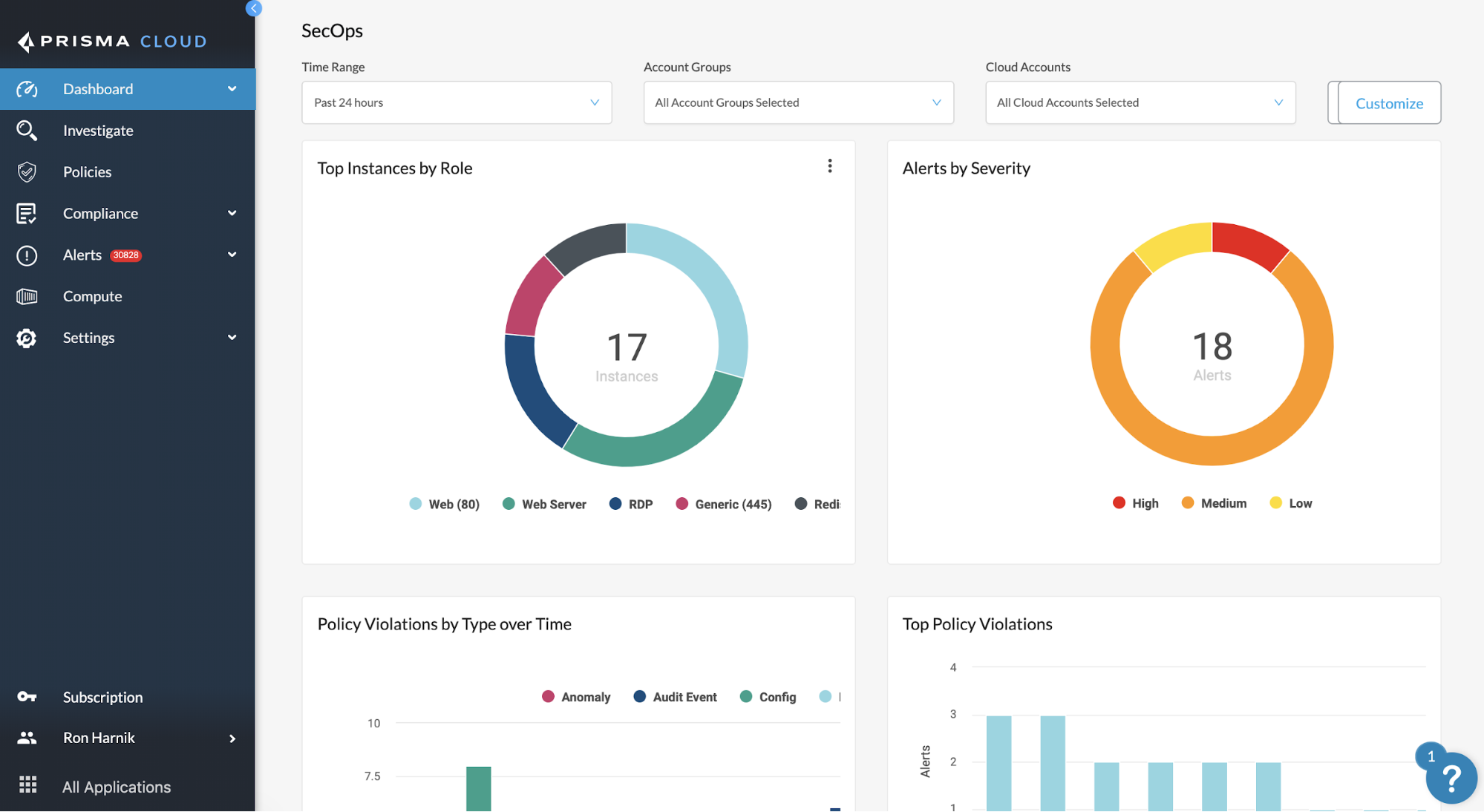
2. Palo Alto Networks Prisma Cloud

Prisma Cloud by Palo Alto Networks is a cloud-native security platform that protects applications from development through deployment and into runtime. Built as a unified “code to cloud” platform, it secures the application lifecycle by integrating with development pipelines, monitoring infrastructure, and providing threat protection.
تشمل الميزات الرئيسية:
- Code security: Identifies and remediates vulnerabilities early in development with tools like infrastructure-as-code (IaC) scanning, secrets detection, CI/CD pipeline security, and software composition analysis (SCA).
- Infrastructure protection: Monitors and hardens cloud infrastructure using cloud security posture management (CSPM), API visibility, cloud infrastructure entitlement management (CIEM), and agentless workload scanning.
- Runtime defense: Provides in-line protection for workloads, containers, serverless environments, and APIs.
- Threat detection: Uses AI to detect new attacks and analyze cloud events to uncover security risks.
- AI SPM (AI Security Posture Management): Secures AI-powered applications by monitoring model integrity, data usage, and access to deployed models.
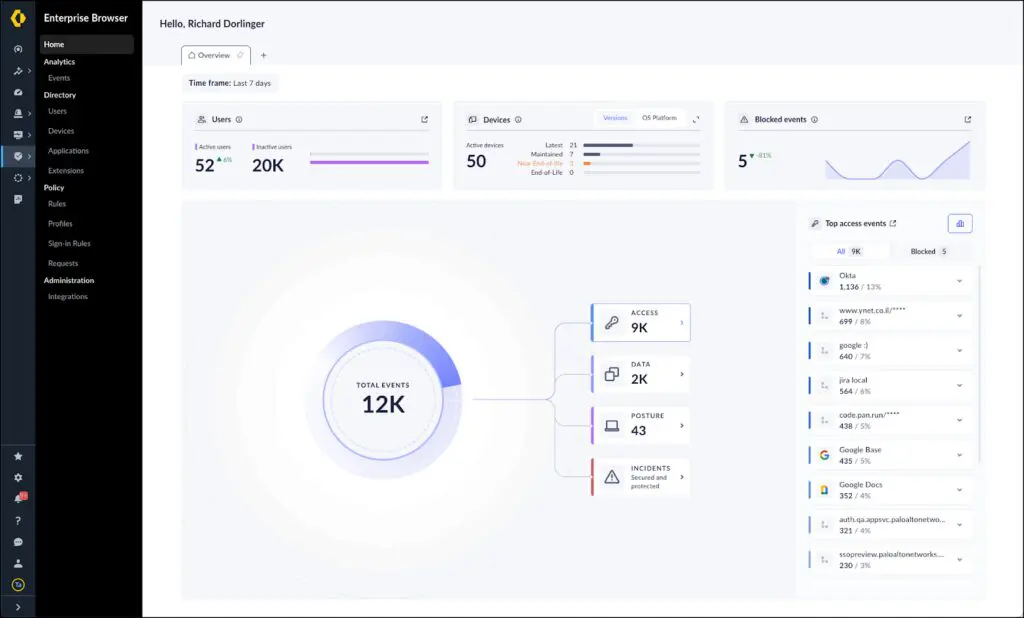
المصدر: بالو ألتو نتوركس
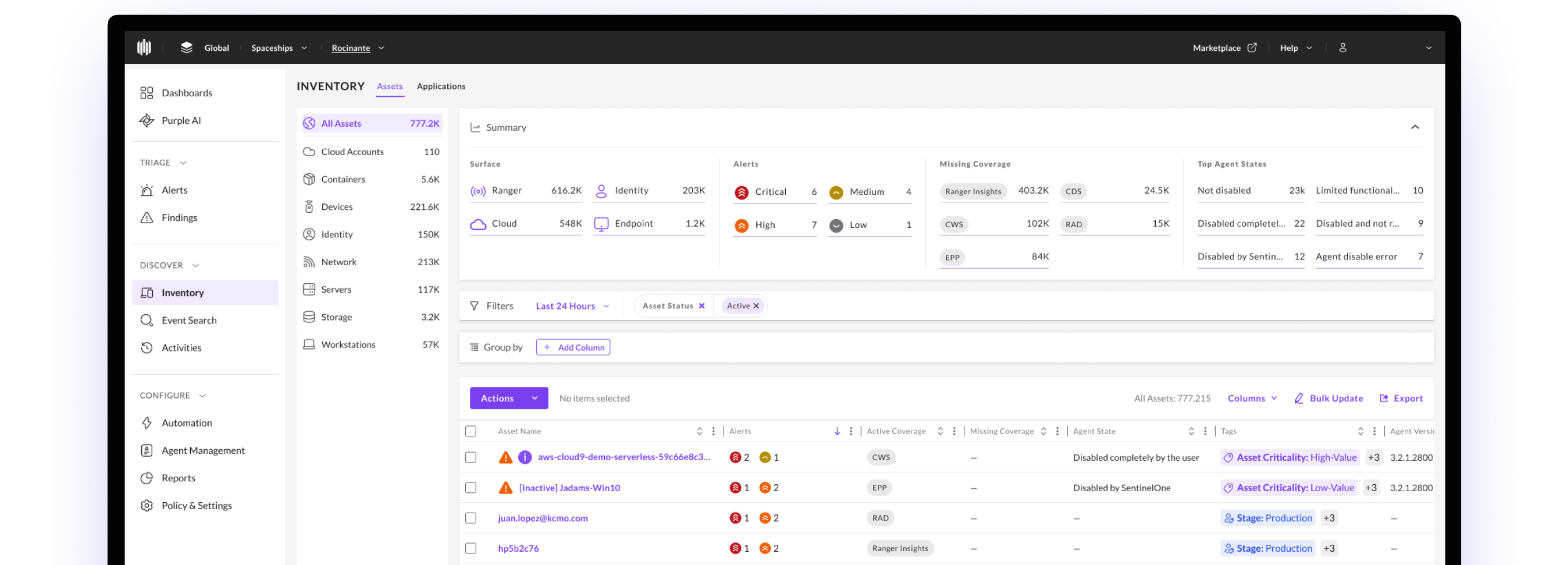
3. SentinelOne Singularity Cloud

SentinelOne Singularity Cloud is a cloud workload security solution to protect virtual machines, containers, and Kubernetes environments. As part of the Singularity Platform, it combines runtime protection, behavioral detection, and autonomous response to deliver visibility and control over cloud-native workloads.
تشمل الميزات الرئيسية:
- Runtime protection for cloud workloads: Continuously monitors runtime behavior of VMs, containers, and Kubernetes clusters to detect and block malicious actions using behavioral AI models.
- Autonomous detection and response: Automatically identifies indicators of compromise and remediates threats without manual intervention.
- Agent-based workload security: Uses lightweight agents to provide visibility into workload activity.
- Cloud-native threat intelligence: Integrates threat intelligence into detection workflows to stay ahead of evolving threats targeting cloud workloads.
- Kubernetes and container protection: Secures containerized workloads and orchestrators with runtime visibility, drift prevention, and behavioral analytics for Kubernetes environments.

Source: SentinelOne
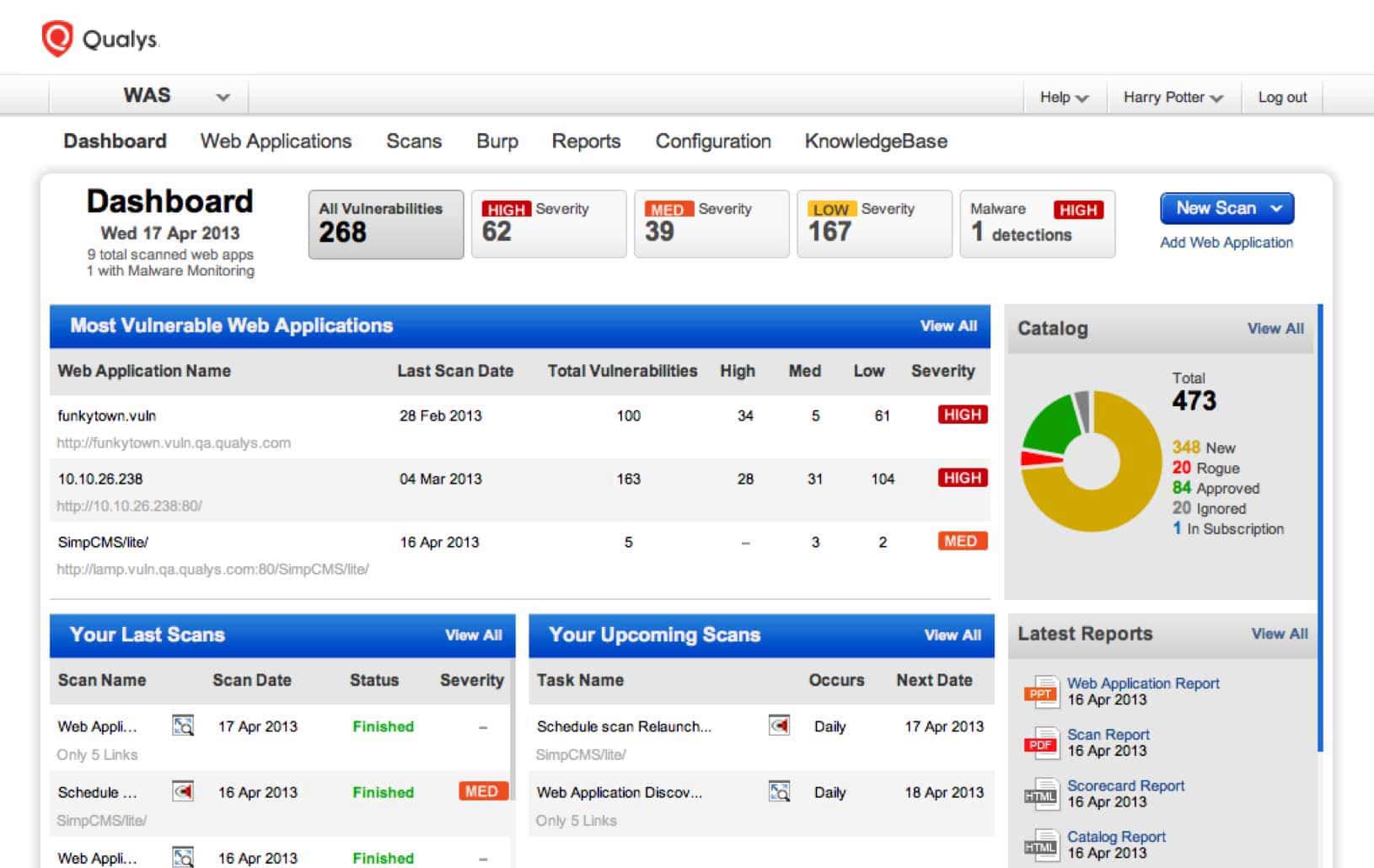
4. Qualys Cloud Platform

Qualys Cloud Platform is a cloud security and compliance solution that gives organizations visibility into their cloud assets and vulnerabilities. It continuously monitors workloads, configurations, and vulnerabilities across major cloud platforms like AWS, Azure, Google Cloud, and Oracle. It automates detection, prioritization, and remediation of security issues and compliance risks.
تشمل الميزات الرئيسية:
- Asset visibility: Continuously discovers and classifies cloud assets, including instances, workloads, and services.
- Cloud inventory and security assessment: Qualys Cloud Inventory creates a full inventory of cloud workloads and infrastructure, while Cloud Security Assessment identifies misconfigurations and non-standard deployments across accounts and services.
- Vulnerability Management and Threat Prioritization: tracks vulnerabilities across cloud assets and uses threat intelligence to prioritize remediation based on risk impact.
- Policy compliance automation: Assesses and monitors cloud assets for compliance with internal policies and external regulations.
- Web application security: Scans web applications for vulnerabilities and integrates with a web application firewall (WAF) to block attacks and virtually patch issues.
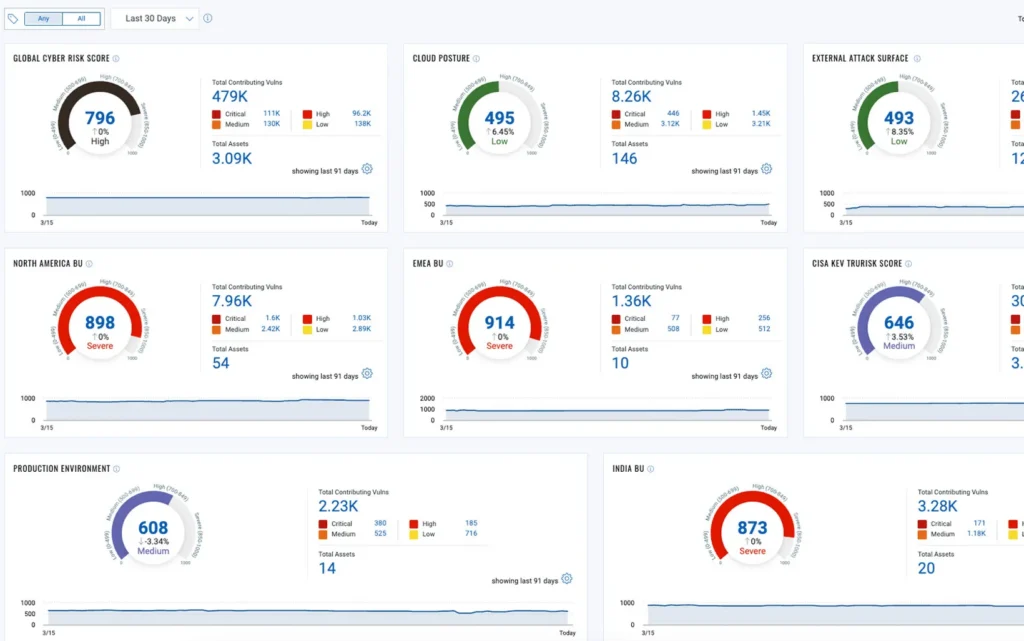
Source: Qualys
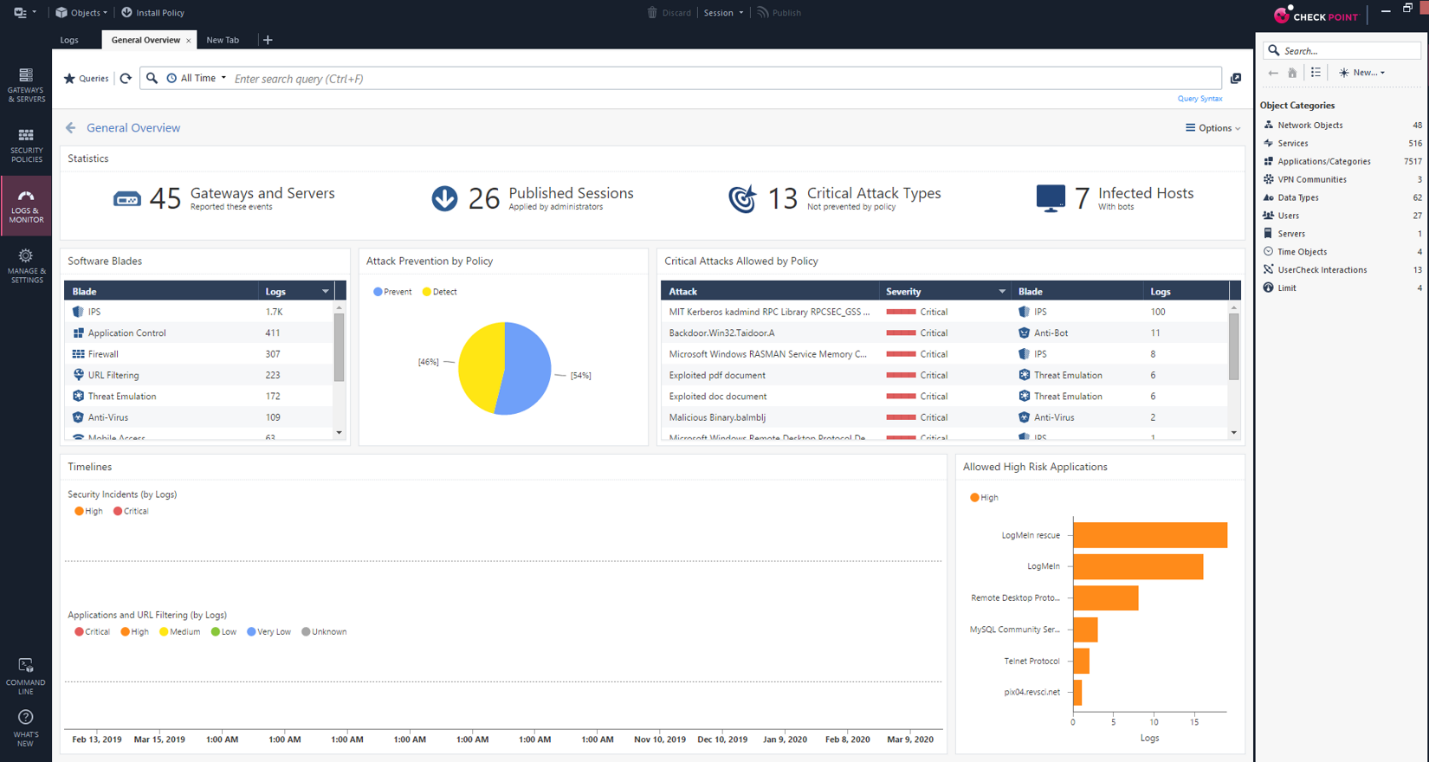
5. Checkpoint CloudGuard
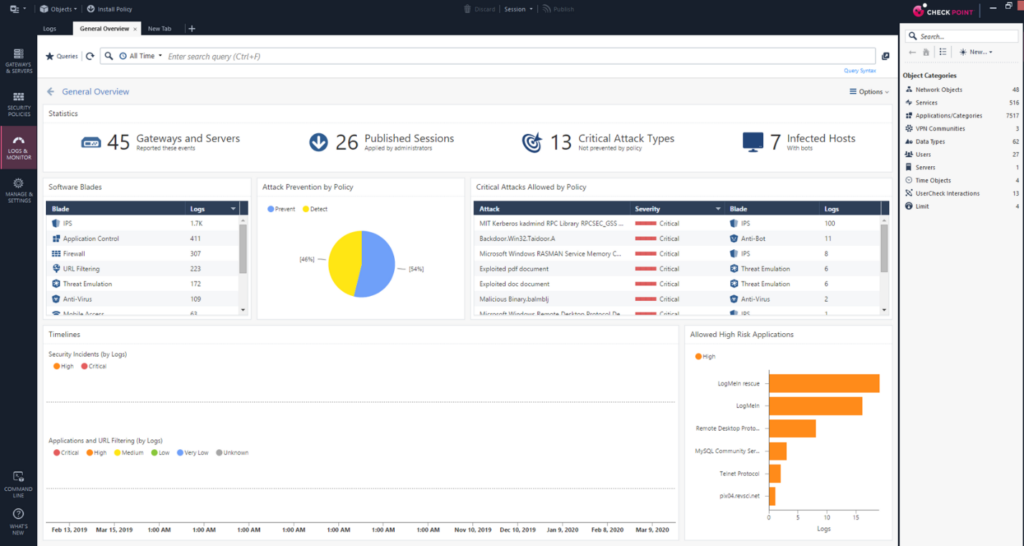
Check Point CloudGuard is a prevention-focused cloud security platform that delivers protection across applications, workloads, code, and network infrastructure. Intended to secure multicloud and hybrid environments, it integrates seamlessly with leading cloud providers and DevOps pipelines to block threats, detect misconfigurations, and prioritize risk across the application lifecycle.
تشمل الميزات الرئيسية:
- CNAPP: Secures applications from development to deployment by identifying misconfigurations, enforcing security best practices, and preventing threats across workloads, containers, and cloud services.
- AI-based web application and API protection: Uses contextual AI to provide signature-less protection against known and zero-day attacks on web applications and APIs.
- Cloud network security: Implements cloud-native security gateways that offer threat prevention, traffic inspection, and unified policy enforcement across public, private, and hybrid cloud networks.
- Cloud detection and response: Delivers cloud visibility with threat intelligence, intrusion detection, network traffic analysis, and automated response capabilities.
- Code security: Scans infrastructure-as-code and source repositories to detect exposed credentials, insecure configurations, and risks in development workflows.
المصدر: نقطة التفتيش
6. Orca Security

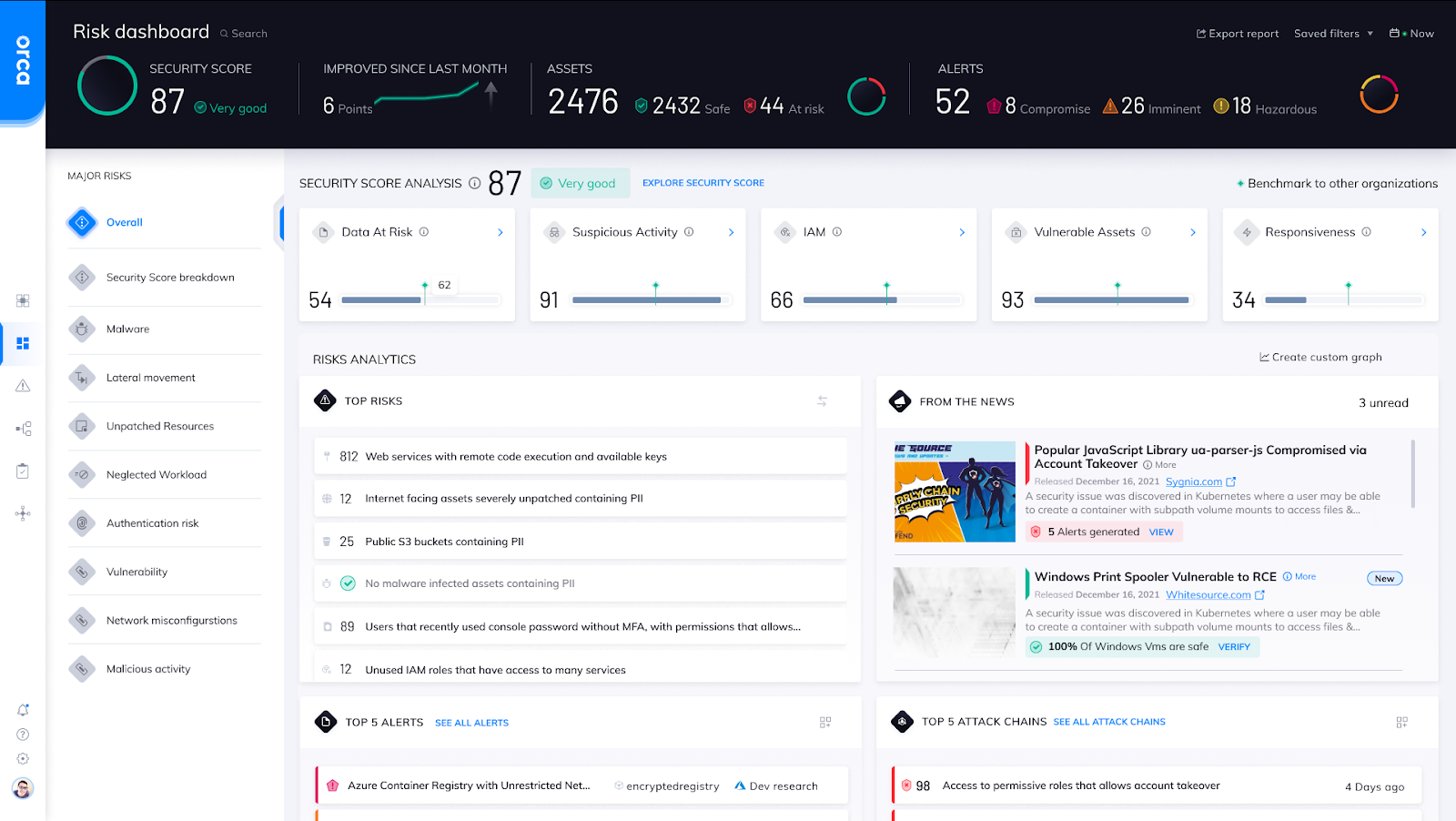
Orca Security is a cloud security platform that provides risk visibility and protection across multi-cloud environments without the operational burden of deploying agents. Designed to simplify cloud security, it delivers full-stack coverage from vulnerabilities and misconfigurations to identity risks, data exposure, and runtime threats.
تشمل الميزات الرئيسية:
- Agentless visibility: Connects to cloud environments via API to scan and analyze assets.
- Unified risk context: Correlates data across vulnerabilities, misconfigurations, identities, APIs, and data to deliver a prioritized view of the most critical risks.
- Prioritized risk graphs and attack paths: Uses contextual analysis to map potential attack paths and identify high-risk combinations that represent real threats.
- Vulnerability and workload protection: Detects software vulnerabilities, malware, and misconfigurations across VMs, containers, and serverless workloads.
- Cloud Compliance and governance: Continuously assesses compliance posture against frameworks like CIS, GDPR, HIPAA, and PCI-DSS.

Source: Orca Security
7. Lacework FortiCNAPP

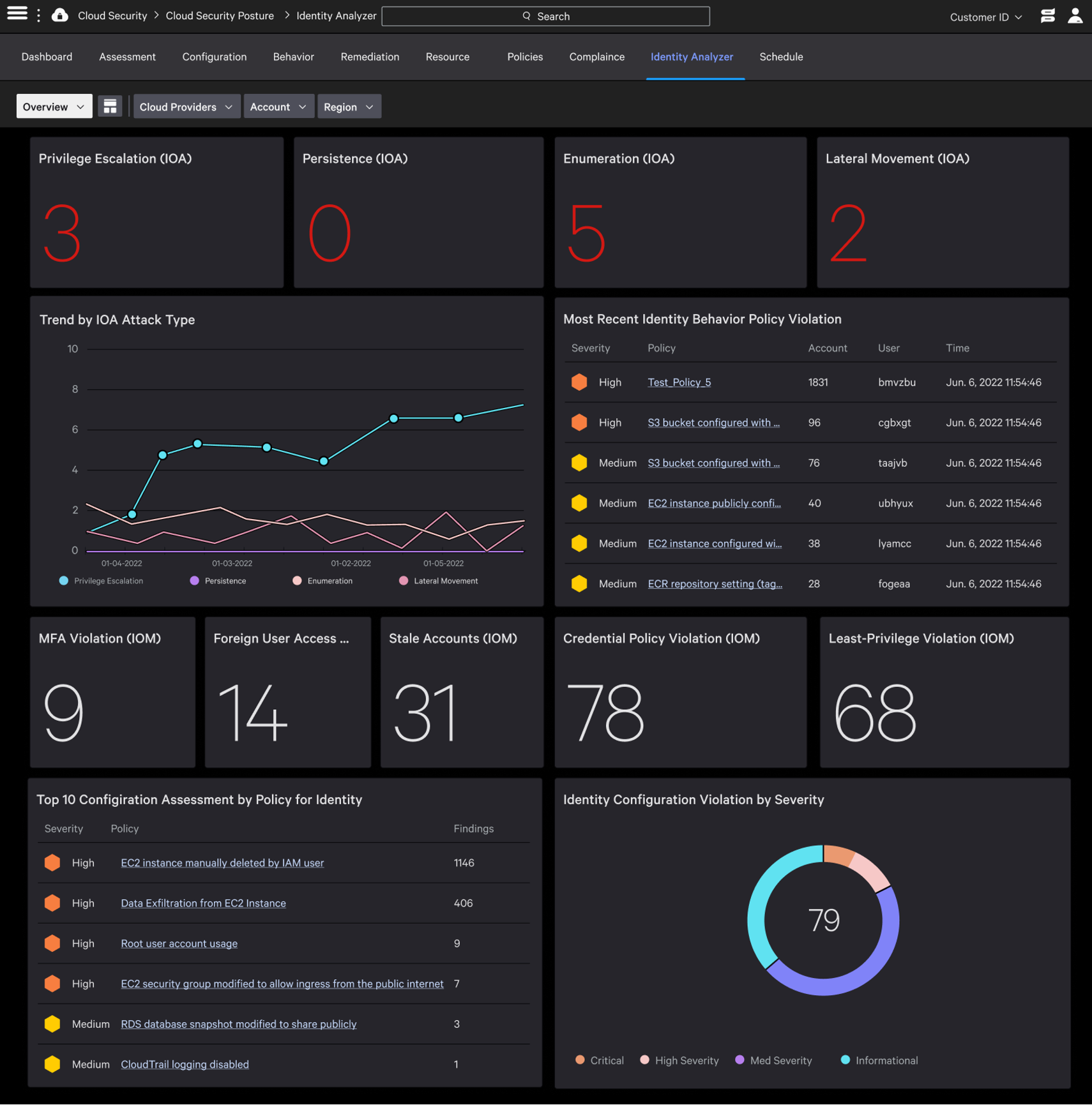
Lacework FortiCNAPP is a cloud-native application protection platform (CNAPP) to secure cloud environments from code to runtime. Built through the integration of Lacework’s behavioral analytics and Fortinet’s security capabilities, it consolidates cloud security functions into a single, AI-driven platform.
تشمل الميزات الرئيسية:
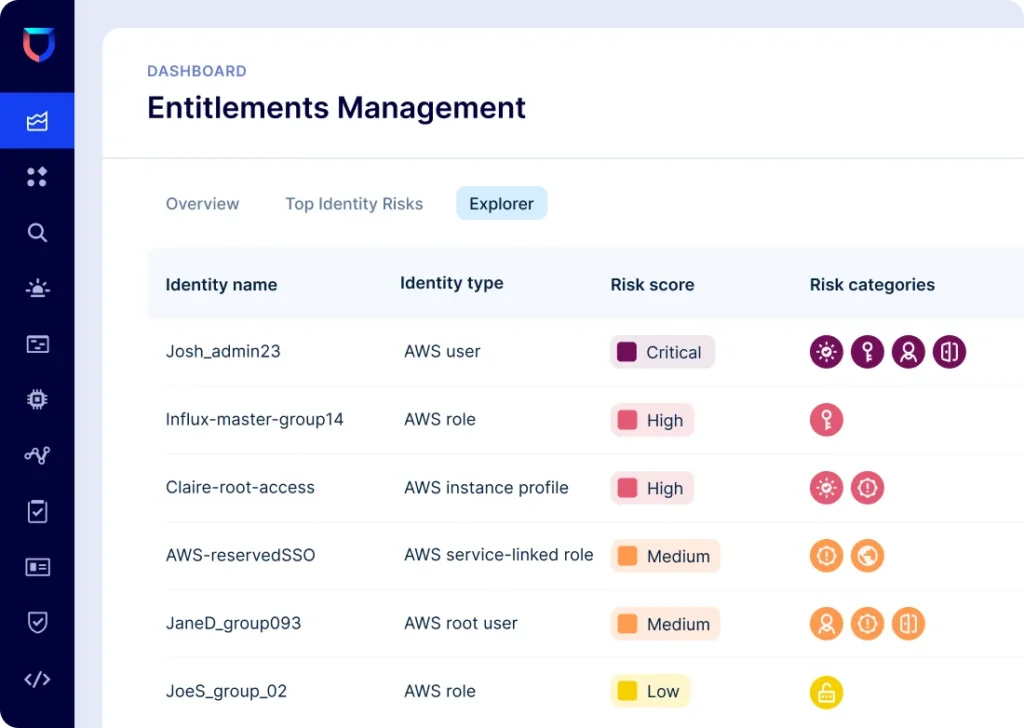
- Unified CNAPP platform: Combines CSPM, KSPM, CIEM, CWPP, SAST, SCA, IaC security, and cloud detection and response into one platform.
- Context-aware risk prioritization: Visualizes relationships between risks, entities, and attack paths to assess exploitability and potential impact.
- Zero-day threat detection: Uses machine learning to detect unknown and early-stage threats like credential compromise, ransomware, and cryptojacking, without relying on static rules or signatures.
- Cloud identity management (CIEM): Continuously maps all users, groups, and roles across cloud environments, calculates net-effective permissions, and flags overprivileged identities for remediation.
- Cloud compliance automation: Continuously maps assets and configurations to standards such as PCI DSS, HIPAA, SOC 2, and ISO 27001.
Source: Fortinet
8. CrowdStrike Falcon

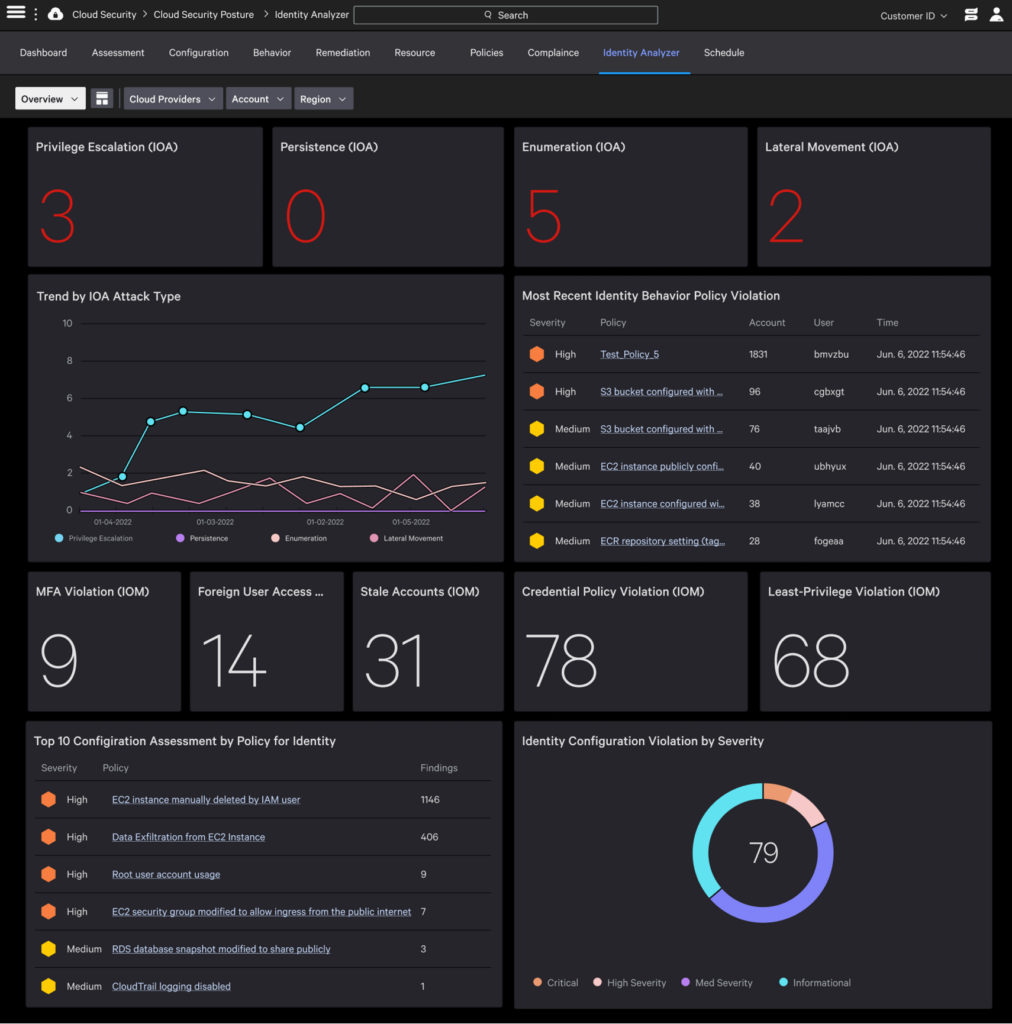
CrowdStrike Falcon® Cloud Security is a unified cloud-native application protection platform (CNAPP) to prevent breaches across the cloud lifecycle from code to runtime. Built on CrowdStrike’s Falcon platform, it combines agent-based and agentless protection in one console, helping protect workloads, containers, applications, and AI models.
تشمل الميزات الرئيسية:
- Agent and agentless protection: Combines agent-based runtime protection and agentless scanning for visibility and defense across multi-cloud environments.
- Code-to-cloud coverage: Secures the full application lifecycle, including infrastructure (CSPM), software (ASPM), data (DSPM), and AI models (AI-SPM).
- Runtime security: Built on the Falcon sensor, provides visibility and defense for workloads, containers, and Kubernetes.
- Cloud detection and response (CDR): Accelerates incident response by using real-time telemetry, behavior analytics, and managed services.
- Adversary-focused threat intelligence: Tracks over 250 adversaries.
Source: CrowdStrike
كيفية اختيار برنامج أمان السحابة
إليك أمور مهمة يجب أخذها بعين الاعتبار عند اختيار حل أمان سحابي لمنظمتك:
دعم السحابة العامة
- هل تدعم الحلول مزودي خدمات السحابة العامة المتعددين؟
- هل يسمح لك بإدارة حسابات متعددة على كل مزود خدمة سحابية؟
- هل لديك تحكم دقيق في الوصول لميزات مختلفة من الحل؟
الامتثال والسياسات
- هل يدعم الحل معايير الامتثال مثل معايير أمان CIS، وإرشادات أمان السحابة من NIST، ومعيار PCI DSS؟
- هل يتيح الحل سياسات أمان مخصصة؟
كشف التهديدات
- هل الأداة تكشف عن الثغرات الأمنية في الوقت الحقيقي، وما نوع الإشعارات التي تقدمها؟
- كيف يقوم الحل بتصور ثغرات الأمان، وما هي المعلومات القابلة للتنفيذ التي يوفرها والتي يمكن أن تمكن من الاستجابة السريعة؟
- هل يمكن للحل تنفيذ تصحيح تلقائي أو استجابة للتهديدات، وإلى أي مدى؟
التعامل مع البيانات
- ما هو حجم البيانات الذي يمكن أن يخزنه الحل وما هي فترة الاحتفاظ؟
- هل يمكن للحل التعرف على العلاقات بين كائنات السحابة، والخدمات، وحسابات المستخدمين؟
- هل يمكن للحل أن يعمل دون أذونات كتابة؟
دعم المطورين
- هل يمكن للحل تتبع مشكلات الأمان إلى تغييرات محددة قام بها المطورون؟
- ما هي تكاملات الطرف الثالث المدعومة؟ هل يمكن أن يعمل الحل مع أدوات الأمان الموجودة؟
- هل يوفر الحل واجهات برمجة التطبيقات (APIs) والوثائق الداعمة؟
سهولة الاستخدام
- هل الحل سهل الاستخدام، وما هو مستوى التدريب، الوثائق، والدعم المتاح؟
- كم مرة يتم تحديث الحل وهل تتطلب التحديثات أي إجراء من منظمتكم؟
إكزابيم: تعزيز كشف التهديدات من خلال تحليلات أمنية متقدمة.
منصة عمليات الأمن من Exabeam تقدم مزيجًا قويًا من SIEM، وتحليلات سلوكية، وأتمتة، ورؤية الشبكة لتحويل كيفية اكتشاف المنظمات للتهديدات والتحقيق فيها والاستجابة لها. من خلال ربط سجلات جدران الحماية مع بيانات من نقاط النهاية، والبيئات السحابية، وأنظمة الهوية، ومصادر الأمان الأخرى، توفر Exabeam رؤى أعمق حول التهديدات المتطورة التي قد تظل غير مكتشفة.
تمكن التحليلات المدفوعة بالسلوك Exabeam من تجاوز القواعد الثابتة والتوقيعات، حيث تحدد الأنشطة الشاذة التي تشير إلى إساءة استخدام بيانات الاعتماد، والتهديدات الداخلية، أو الحركة الجانبية عبر الشبكة. من خلال تحليل سلوك المستخدمين والكيانات العادية على مر الزمن، تكشف Exabeam عن الأنشطة عالية المخاطر التي قد تتجاهلها أدوات الأمان التقليدية.
تعمل التحقيقات الآلية على تبسيط عمليات الأمن من خلال ربط نقاط البيانات المتفرقة في خطوط زمنية شاملة للتهديدات، مما يقلل من الوقت الذي يقضيه المحللون في تجميع الحوادث يدويًا. وهذا يسمح للفرق بتحديد السبب الجذري للهجوم بسرعة والاستجابة بدقة.
تعلم المزيد عن إكزابييم
تعرف على منصة Exabeam ووسع معرفتك في أمن المعلومات من خلال مجموعتنا من الأوراق البيضاء، البودكاست، الندوات، والمزيد.