أفضل خدمات استخبارات التهديد: أفضل 6 حلول في عام 2026
- 7 minutes to read
فهرس المحتويات
ما هي خدمات استخبارات التهديد؟
تجمع خدمات استخبارات التهديدات وتحلل البيانات المتعلقة بالتهديدات السيبرانية المحتملة. توفر هذه الخدمات للمؤسسات رؤى ومؤشرات على الاختراقات (IOCs) لحمايتها من الهجمات. من خلال استخدام المعلومات من مصادر متعددة، تبني صورة مفصلة عن مشهد التهديدات.
تتيح هذه المعلومات الاستخباراتية للمنظمات تحديد أولويات الموارد الأمنية والاستجابة بشكل أكثر فعالية للتهديدات الناشئة. الهدف الرئيسي هو البقاء في المقدمة على الخصوم السيبرانيين من خلال فهم أساليبهم وتقنياتهم وإجراءاتهم.
تتطلب التعقيدات المتزايدة للتهديدات السيبرانية حلولاً. تساعد خدمات استخبارات التهديدات المنظمات على مواكبة التهديدات المتطورة من خلال تقديم معلومات دقيقة وذات صلة وقابلة للتنفيذ. تعتبر هذه الخدمات جزءاً أساسياً في مراقبة التهديدات الخارجية، وتحليل الاتجاهات، والتنبؤ بالحوادث الأمنية المحتملة.
هذا جزء من سلسلة من المقالات حول معلومات تهديدات الإنترنت
Editor’s note: Updated the article to cover recent market trends, updated product information to reflect features and capabilities in 2026.
اتجاهات سوق استخبارات التهديد
حجم السوق والنمو
The global threat intelligence market is expanding rapidly, driven by the increasing need for proactive cybersecurity measures. It is valued at USD 6.87 billion and is projected to reach USD 31.58 billion by 2034, growing at a CAGR of 18.30%. This growth shows that organizations are investing more in tools that help them understand and respond to cyber threats before they cause damage.
North America leads the market with a 44.70% share, supported by strong infrastructure, high adoption of digital technologies, and significant investment in cybersecurity. Other regions are also seeing steady growth as cyber threats become more frequent and more complex. The expansion of cloud computing and connected systems is further increasing demand for scalable threat intelligence solutions.
AI Integration in Threat Intelligence
Artificial intelligence is playing an increasingly important role in threat intelligence. Technologies such as machine learning and deep learning allow systems to process large volumes of security data quickly and accurately. This is critical as the number of cyber threats continues to grow.
AI helps identify patterns that may not be visible to human analysts, including unknown threats and unusual behavior. It also improves detection of advanced attacks, such as zero-day vulnerabilities. In addition, AI-driven systems can automate routine tasks, reduce human error, and accelerate incident response, making security operations more efficient.
Market Challenges: Skills Shortage
Despite strong growth, the market faces challenges related to the shortage of skilled cybersecurity professionals. Many organizations lack trained analysts who can effectively use threat intelligence platforms and interpret the data they provide. This limits the full value that these solutions can deliver.
The shortage of talent is a global issue affecting both public and private sectors. Without enough skilled professionals, organizations may struggle to manage complex security environments and respond to threats in a timely manner. As a result, there is an increasing need for training, education, and tools that simplify threat intelligence operations.
فوائد وتحديات استخبارات التهديد المعتمدة على السحابة
يوفر الذكاء الاصطناعي القائم على السحابة قابلية للتوسع، ونشرًا أسرع، وتكاملًا أسهل مقارنةً بالحلول المحلية. تستفيد المنظمات من التحديثات الفورية التي يتم تسليمها عبر منصات السحابة، مما يضمن الوصول إلى أحدث بيانات التهديدات دون تدخل يدوي. تدعم هذه الخدمات أيضًا التعاون، مما يسمح بمشاركة بيانات التهديدات وترابطها عبر بيئات ومناطق مختلفة.
ميزة رئيسية أخرى هي تقليل التكاليف المرتبطة بالبنية التحتية. تلغي الخدمات السحابية الحاجة إلى أجهزة مخصصة وصيانة، مما يجعل معلومات التهديدات أكثر سهولة للوصول إليها بالنسبة للمنظمات الصغيرة. بالإضافة إلى ذلك، يقدم العديد من المزودين قدرات التعلم الآلي التي تحسن من تحليل البيانات وتوقع التهديدات.
ومع ذلك، فإن الحلول المعتمدة على السحابة تطرح تحديات جديدة. تعتبر خصوصية البيانات والتحكم فيها من القضايا الرئيسية، خاصة عندما يتم تخزين أو معالجة بيانات التهديدات الحساسة خارجيًا. قد يؤدي الاعتماد على مزودي الخدمة الخارجيين أيضًا إلى تقييد التخصيص والرؤية في آليات الكشف.
يمكن أن يؤثر الكمون والتوافر على الأداء، خاصة خلال فترات الطلب العالي أو الانقطاعات. يجب على المنظمات أيضًا تقييم الامتثال للمعايير التنظيمية عند استخدام خدمات استخبارات التهديدات المستندة إلى السحابة.
Related content: Read our guide to threat intelligence providers
حلول بارزة في كشف التهديدات والاستجابة لها مع ميزات استخبارات التهديد.
1. إكزابييم

Exabeam هي منصة SIEM وإدارة العمليات الأمنية المقدمة عبر السحابة، مصممة لتوحيد إدارة السجلات، والتحليلات المتقدمة، والاستجابة الآلية. من خلال دمج التحليلات السلوكية مع التكاملات المرنة، تساعد المؤسسات على تحويل بيانات التهديدات الخام إلى رؤى قابلة للتنفيذ. تدعم Exabeam كلاً من خدمات استخبارات التهديدات التجارية والمفتوحة المصدر، مما يضمن أن تتمكن فرق الأمن من تشغيل الاستخبارات من مصادر متعددة داخل مركز العمليات الأمنية الخاص بهم.
الميزات العامة:
- التحليلات المعتمدة على السلوك: تستخدم تحليلات سلوك المستخدم والكيان (UEBA) لتحديد الأنشطة الأساسية عبر المستخدمين والأجهزة والتطبيقات، مما يكشف عن الشذوذات التي قد تشير إلى تهديدات داخلية أو إساءة استخدام بيانات الاعتماد.
- التحقيقات الآلية: تبني الجدول الزمني الذكي™ الذي يربط بين أحداث الأمان المتباينة في عرض واحد للحادث، مما يقلل من عبء العمل على المحللين ويسرع من الاستجابة.
- نشر مرن: متاح كخدمة SaaS مع إمكانية التوسع المرن، مما يسهل التعامل مع أحجام الأحداث العالية دون الحاجة إلى بنية تحتية محلية.
- دعم الذكاء الاصطناعي الوكالي: Exabeam Nova، نظام من الوكلاء المدعومين بالذكاء الاصطناعي، يقوم بأتمتة هندسة الكشف، وصيد التهديدات بلغة طبيعية، وإعداد تقارير على مستوى تنفيذي.
ميزات الذكاء التهديدي:
- استيعاب البيانات: يدعم استيعاب معلومات التهديد من مزودي الخدمة التجارية، والمجتمعات مفتوحة المصدر، والمصادر الحكومية عبر واجهات برمجة التطبيقات أو المعايير مثل STIX/TAXII.
- ارتباط IOC: يقارن تلقائيًا المؤشرات المستوردة (عناوين IP، النطاقات، التجزئات، عناوين URL) مع السجلات الداخلية، وبيانات النقاط النهائية، ونشاط المستخدم للتحقق مما إذا كانت التهديدات نشطة في البيئة.
- تحديد الأولويات بناءً على المخاطر: يدمج مؤشرات التهديد الخارجية مع نظام تقييم المخاطر السلوكية الخاص بـ Exabeam، مما يضمن تركيز المحللين على التهديدات الأكثر احتمالاً للتسبب في تأثير.
- استجابة آلية: متكاملة مع تدفقات العمل في SOAR، يمكن لـ Exabeam تفعيل خطط العمل التي تمنع عناوين IP الضارة، تعزل الحسابات المخترقة، أو تضيف سياق التهديدات إلى التنبيهات.
- نظام الشراكة: يعمل مع مزودي خدمات معلومات التهديدات الرائدين مثل Recorded Future و Cisco Talos و Mandiant، بينما يدعم أيضًا المنصات مفتوحة المصدر مثل MISP.
من خلال ربط خدمات استخبارات التهديدات الخارجية مع تحليلات السلوك الداخلية، تضمن Exabeam أن بيانات التهديدات لا يتم استيعابها فقط بل يتم وضعها في سياق. هذا النهج يقلل من الإيجابيات الكاذبة، ويسرع من التحقيقات، ويمكّن فرق مركز العمليات الأمنية من الاستجابة للتهديدات السيبرانية بسرعة ودقة أكبر.
2. كراودسترايك فالكون إكس

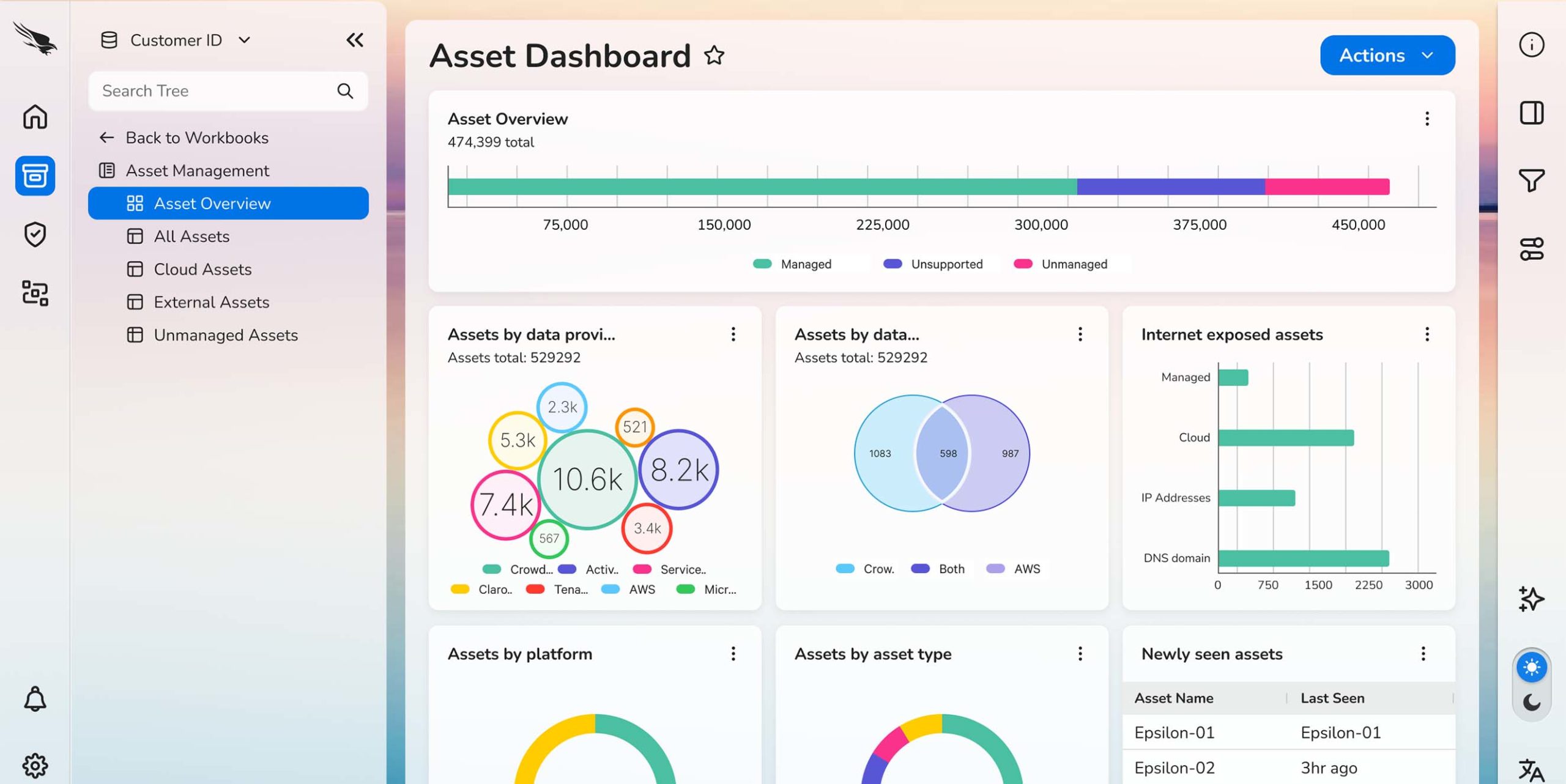
CrowdStrike Falcon X is a threat intelligence solution integrated into endpoint protection, designed to automate investigation and provide deeper context about attacks. It analyzes threats detected on endpoints, enriches them with intelligence data, and produces actionable outputs such as indicators of compromise and detailed reports. This allows security teams to understand the origin and intent of attacks.
الميزات العامة:
- Endpoint-integrated analysis: Connects directly with endpoint detection data to analyze threats within the same workflow.
- Automated malware analysis: Combines malware analysis and search capabilities to investigate threats without manual effort.
- Cloud-native architecture: Operates on a cloud platform that processes large volumes of threat data at scale.
- Attack context enrichment: Provides details about attacker behavior, motives, and techniques to support decision-making.
- Expert intelligence support: Incorporates analysis and reporting from dedicated threat intelligence teams.
ميزات الذكاء التهديدي:
- Custom IOC generation: Produces tailored indicators of compromise based on threats observed in the environment.
- Global IOC access: Provides access to a broader set of indicators derived from global threat intelligence data.
- Threat monitoring: Tracks adversary activity across external sources to identify risks targeting the organization.
- Intelligence reporting: Delivers technical and strategic reports describing threats, campaigns, and attack patterns.
- Detection rule support: Supplies validated detection rules (e.g., YARA, SNORT) to strengthen defenses.

Source: CrowdStrike
3. مايكروسوفت سنتينل

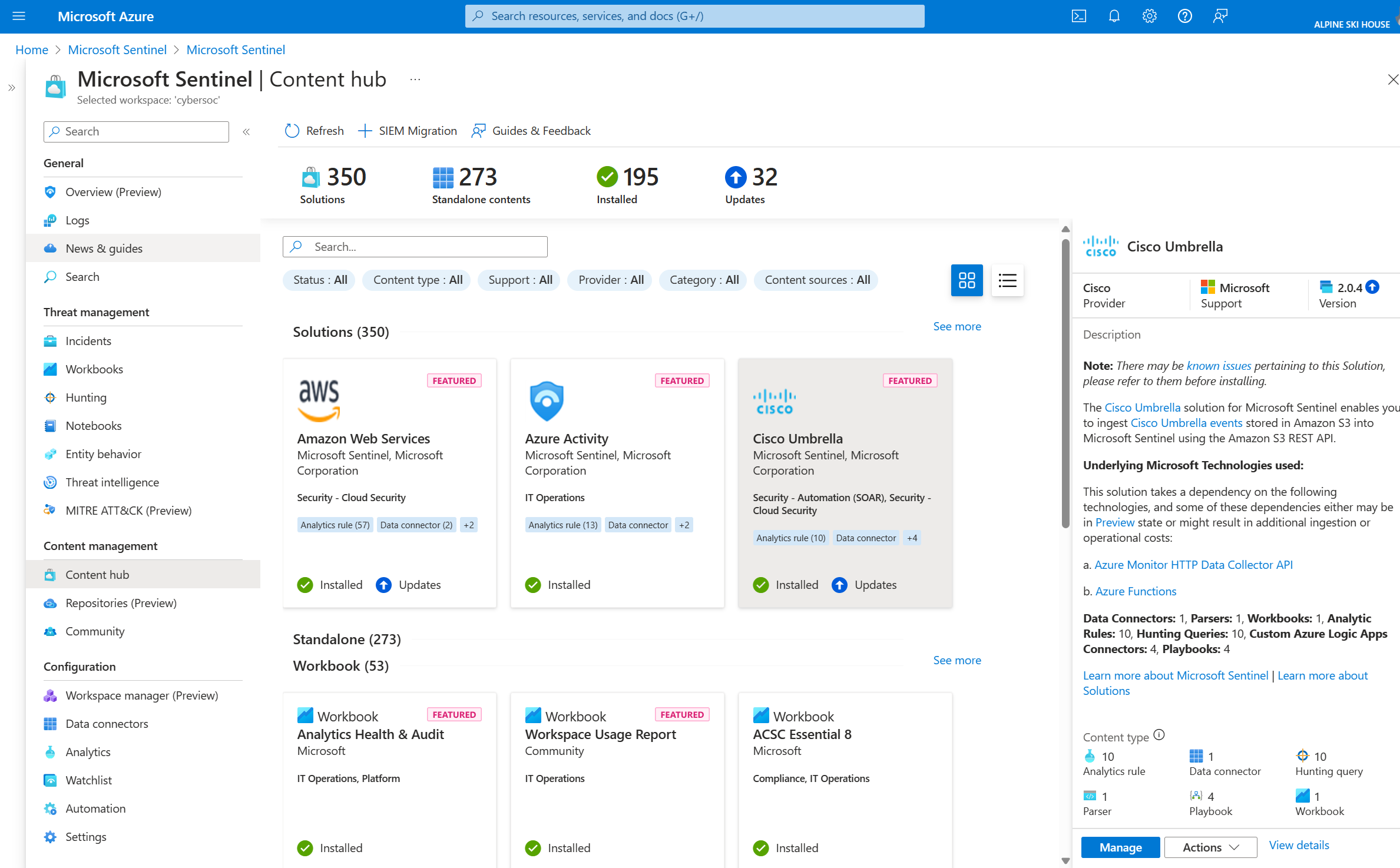
Microsoft Sentinel is a cloud-native SIEM and SOAR platform that integrates threat intelligence into a unified security operations environment. It centralizes data from multiple sources and applies AI-driven analytics to detect, investigate, and respond to threats. Its architecture combines a data lake, security graph, and automation capabilities to support large-scale security monitoring and intelligence operations.
الميزات العامة:
- Cloud-native SIEM platform: Centralizes security data and analytics in a scalable cloud environment.
- Unified data lake: Stores and processes large volumes of telemetry for advanced analysis.
- AI-driven detection and response: Uses machine learning and automation to improve detection accuracy and response speed.
- Integrated SOAR capabilities: Automates workflows and incident response using playbooks.
- Broad data integration: Connects to hundreds of data sources across cloud, on-prem, and third-party systems.
ميزات الذكاء التهديدي:
- Threat intelligence integration: Combines internal and external intelligence feeds into a single system.
- STIX/TAXII support: Enables standardized ingestion and sharing of threat intelligence data.
- Threat context enrichment: Enhances alerts with additional context using AI and external data sources.
- Indicator correlation: Matches threat indicators against ingested telemetry to generate alerts.
- AI-assisted investigation: Uses generative AI to summarize incidents and recommend response actions.

Source: Microsoft
خدمات استخبارات التهديد المعتمدة على السحابة
4. المستقبل المسجل

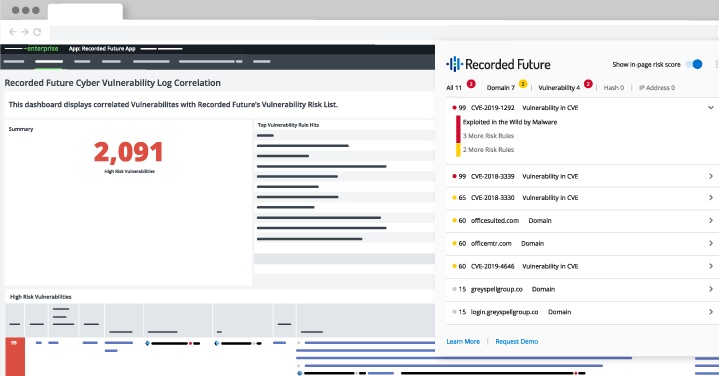
Recorded Future is a threat intelligence platform that uses large-scale data collection and analytics to identify and prioritize cyber risks. It aggregates intelligence from a wide range of sources, including open web, dark web, and technical data, and applies algorithms to identify patterns and emerging threats. The platform is designed to help organizations focus on the most relevant risks and act before attacks occur.
تشمل الميزات الرئيسية:
- Large-scale data aggregation: Collects threat data from over a million sources, including open and dark web content.
- Pattern-matching analytics: Uses algorithms to identify relationships and trends across threat data.
- Centralized intelligence platform: Provides a unified view of threats across different domains and industries.
- Customizable intelligence views: Allows users to prioritize intelligence based on their specific risk profile.
- Expert research integration: Incorporates analysis from dedicated research teams to add context to data.

المصدر: Recorded Future
5. أي.ران

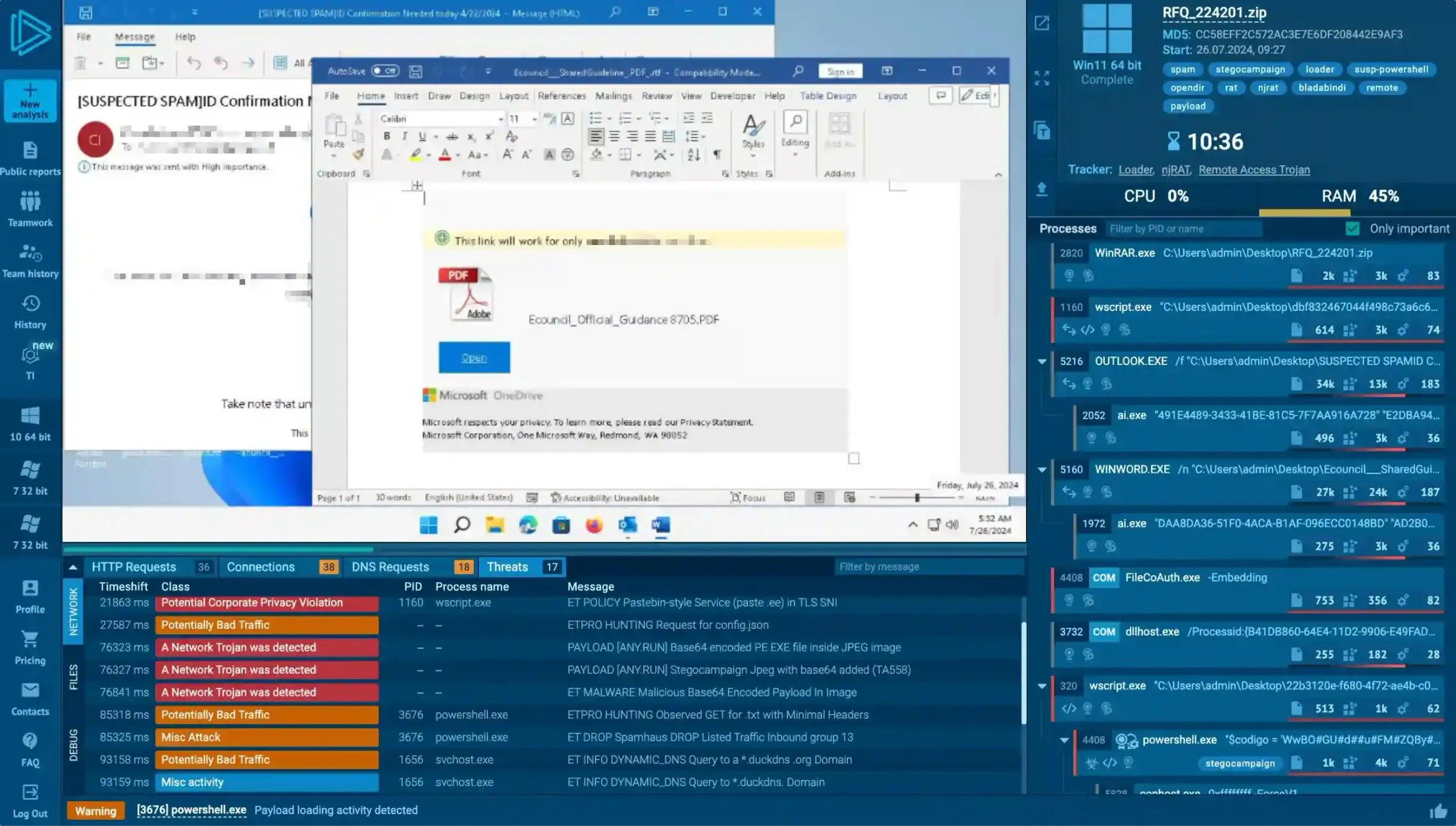
ANY.RUN is an interactive malware analysis platform that also delivers threat intelligence through sandboxing and shared data. It enables analysts to observe malware behavior and access intelligence generated from a large community of users. The platform supports investigation and collaboration by combining live analysis with continuously updated threat data.
تشمل الميزات الرئيسية:
- Interactive sandbox environment: Allows analysts to execute and observe malware in real time across multiple operating systems.
- Fast threat analysis: Reduces investigation time by enabling quick execution and analysis of suspicious files.
- Collaboration tools: Supports sharing of analysis results and coordination across security teams.
- Operational efficiency tools: Helps improve SOC workflows by speeding up triage and investigation processes.
- Integration capabilities: Connects with SIEM, TIP, and XDR systems via APIs and standard formats.

Source: ANY.RUN
6. أنومالي ثريت ستريم

Anomali ThreatStream is a threat intelligence platform focused on operationalizing threat data within security workflows. It aggregates and scores intelligence from multiple sources, then applies that intelligence directly to alerts, logs, and investigations. The platform emphasizes context-driven prioritization and automation to improve detection and response efficiency.
تشمل الميزات الرئيسية:
- Centralized threat intelligence platform: Aggregates and manages intelligence from global sources.
- Operational intelligence workflows: Integrates intelligence directly into detection and response processes.
- Real-time enrichment: Enhances security telemetry and alerts with contextual threat data.
- Customizable dashboards: Provides visibility into threats, campaigns, and vulnerabilities.
- Automation-ready architecture: Supports integration with AI and automated SOC workflows.

المصدر: Recorded Future
استنتاج
تعتبر خدمات استخبارات التهديدات ضرورية للبقاء في مقدمة التهديدات السيبرانية. من خلال جمع وتحليل وتفسير بيانات التهديدات بشكل مستمر، تمكّن هذه الخدمات المنظمات من اتخاذ قرارات أمنية أسرع وأكثر ذكاءً. إن قدرتها على تقديم رؤى قابلة للتنفيذ في الوقت الفعلي تحسن من قدرات الكشف عن التهديدات والاستجابة لها، بينما تقلل من مخاطر الاختراقات. مع تزايد تعقيد الخصوم السيبرانيين، تصبح الاستفادة من خدمات استخبارات التهديدات مكونًا حيويًا لاستراتيجية أمن سيبراني استباقية ومرنة.
تعلم المزيد عن إكزابييم
تعرف على منصة Exabeam ووسع معرفتك في أمن المعلومات من خلال مجموعتنا من الأوراق البيضاء، البودكاست، الندوات، والمزيد.